.jpg)
.webp)

TLDR: The Upper West Side offers world-class museums, Central Park access, Lincoln Center performances, tree-lined streets with pre-war brownstones, and authentic NYC food spots like Zabar's. Quieter than Midtown but packed with culture.
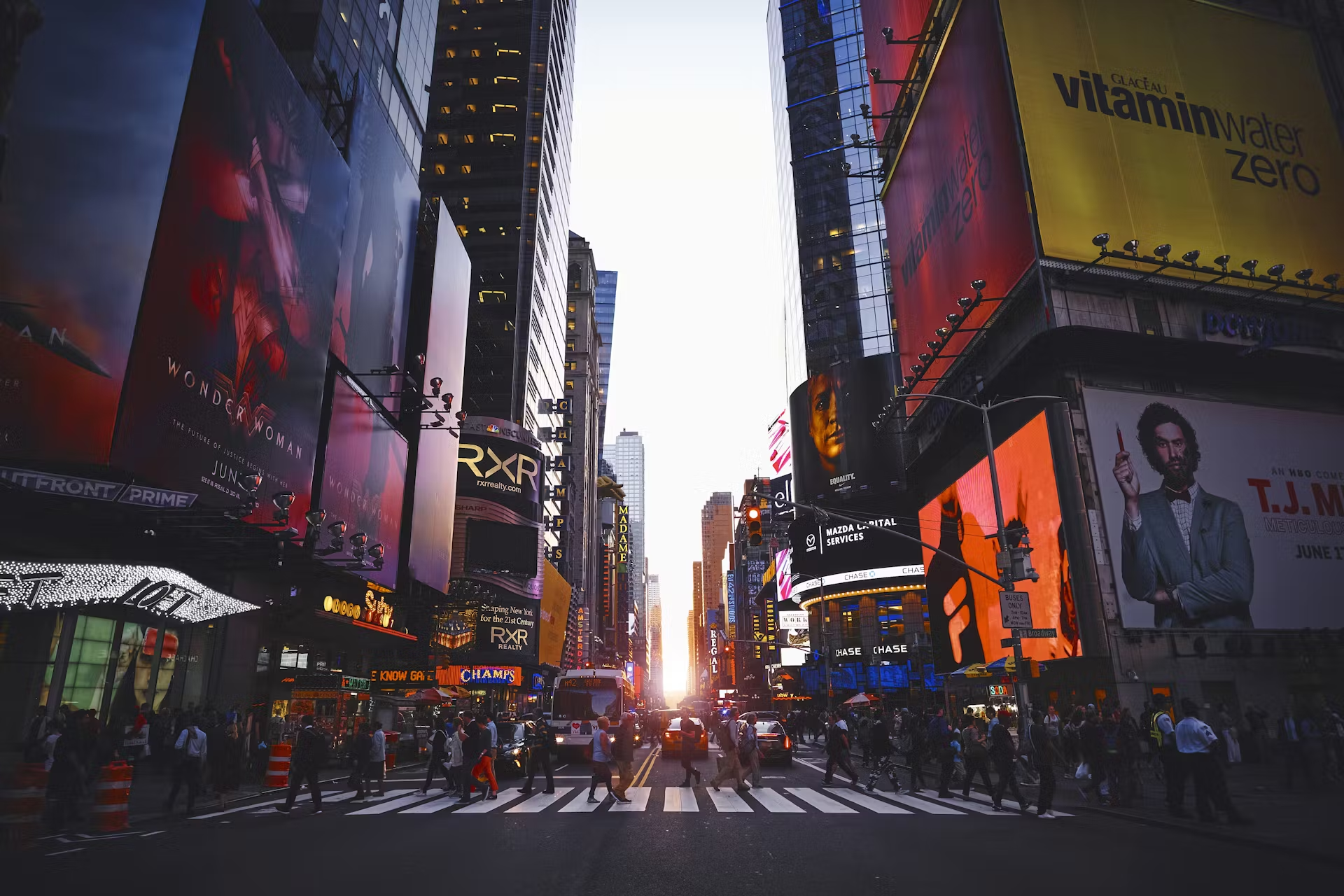
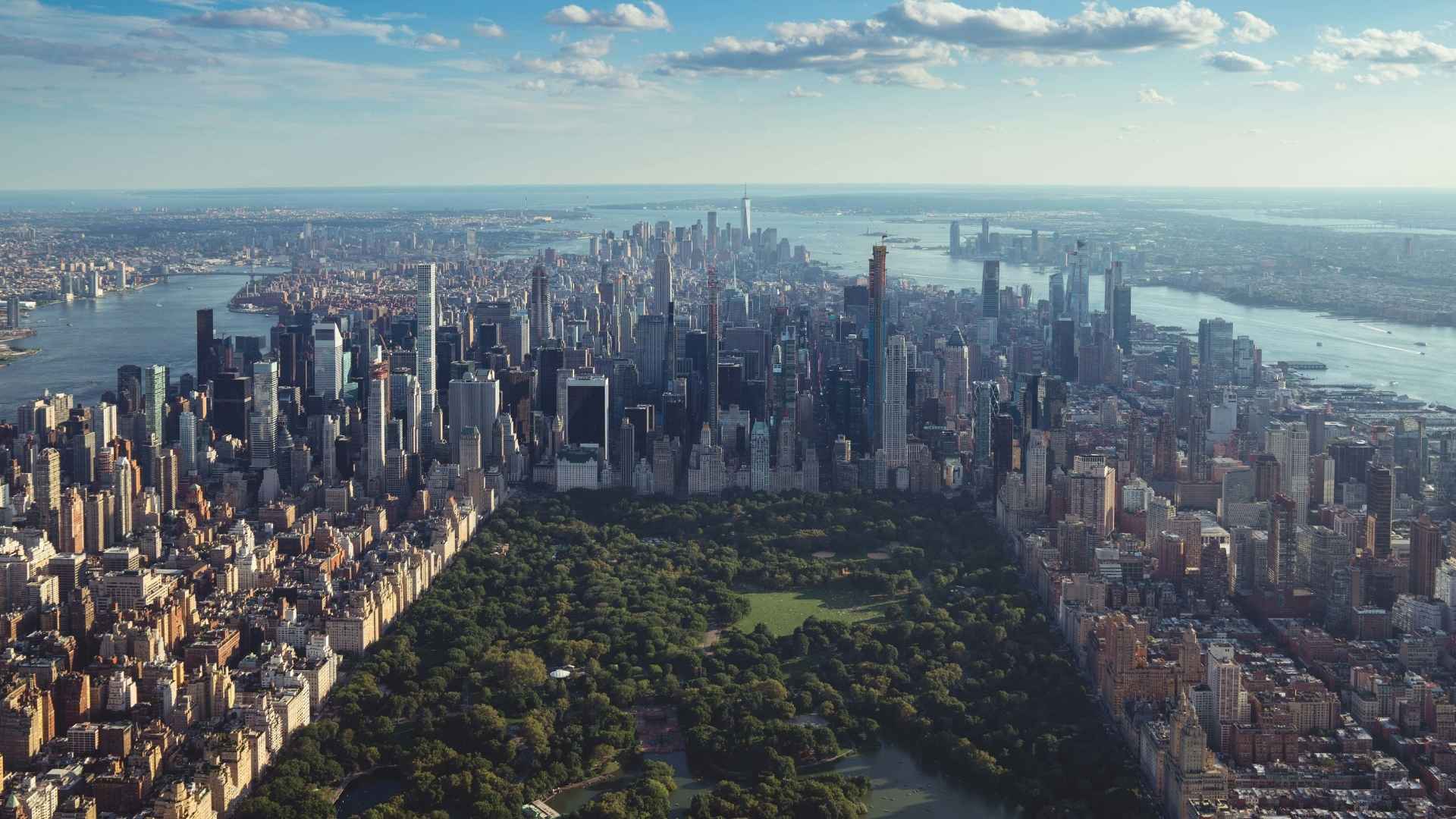
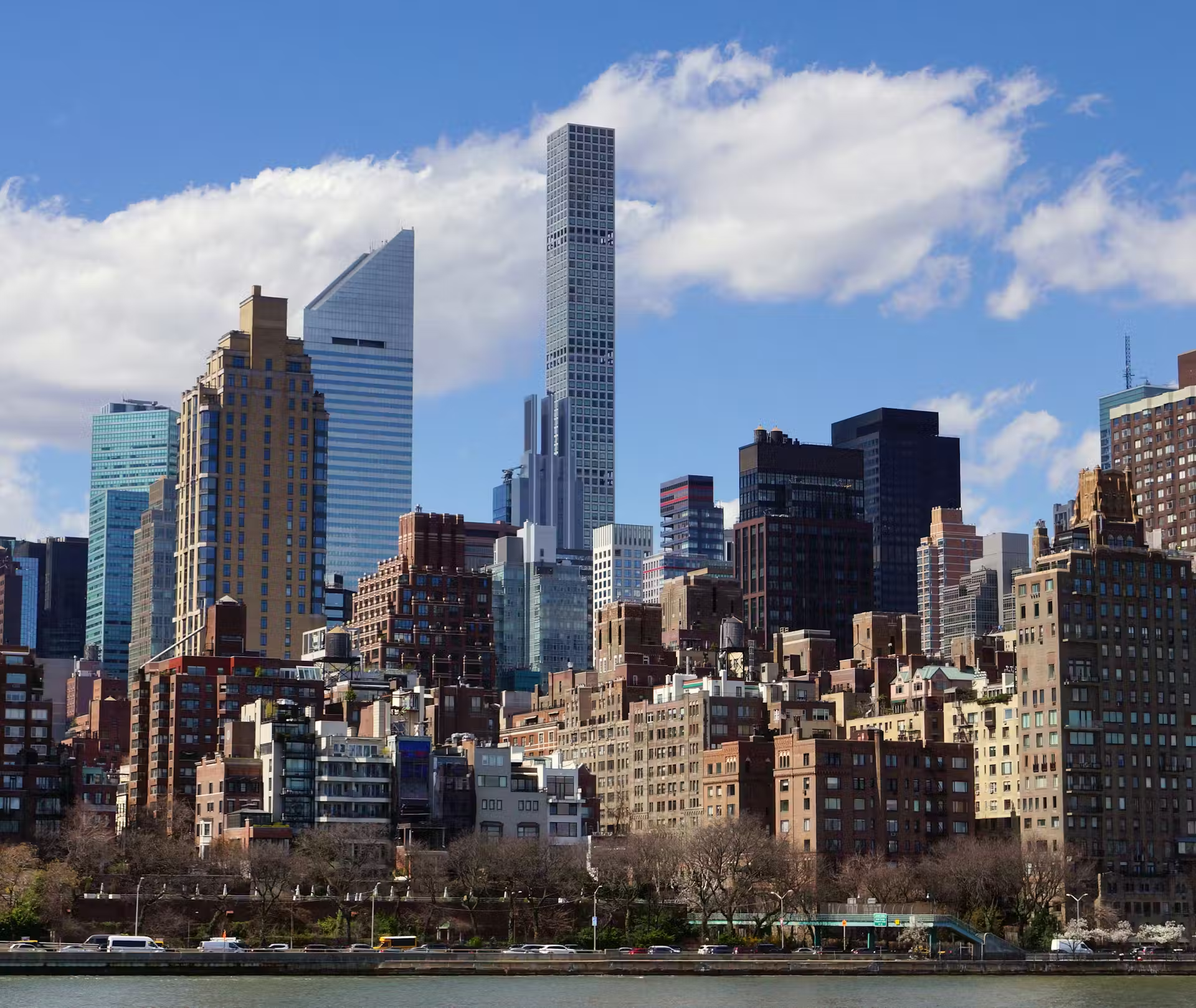
The Upper West Side surprised me the first time I explored it properly. While tourists crowd Times Square and Midtown, this residential neighborhood between Central Park and the Hudson River offers something different. Tree-lined streets, pre-war architecture, and a genuine neighborhood feel make it one of Manhattan's most livable areas.
After spending considerable time wandering from Columbus Circle to Columbia University, I've figured out what makes the Upper West Side special. It's not trying to impress you with flashy attractions. Instead, it delivers world-class museums, waterfront parks, and cultural institutions alongside bakeries where locals actually shop.
You’ll get it all in this guide to the best things to do in Upper West Side New York, and we’ve also included an interactive map in the bottom.
1. American Museum of Natural History
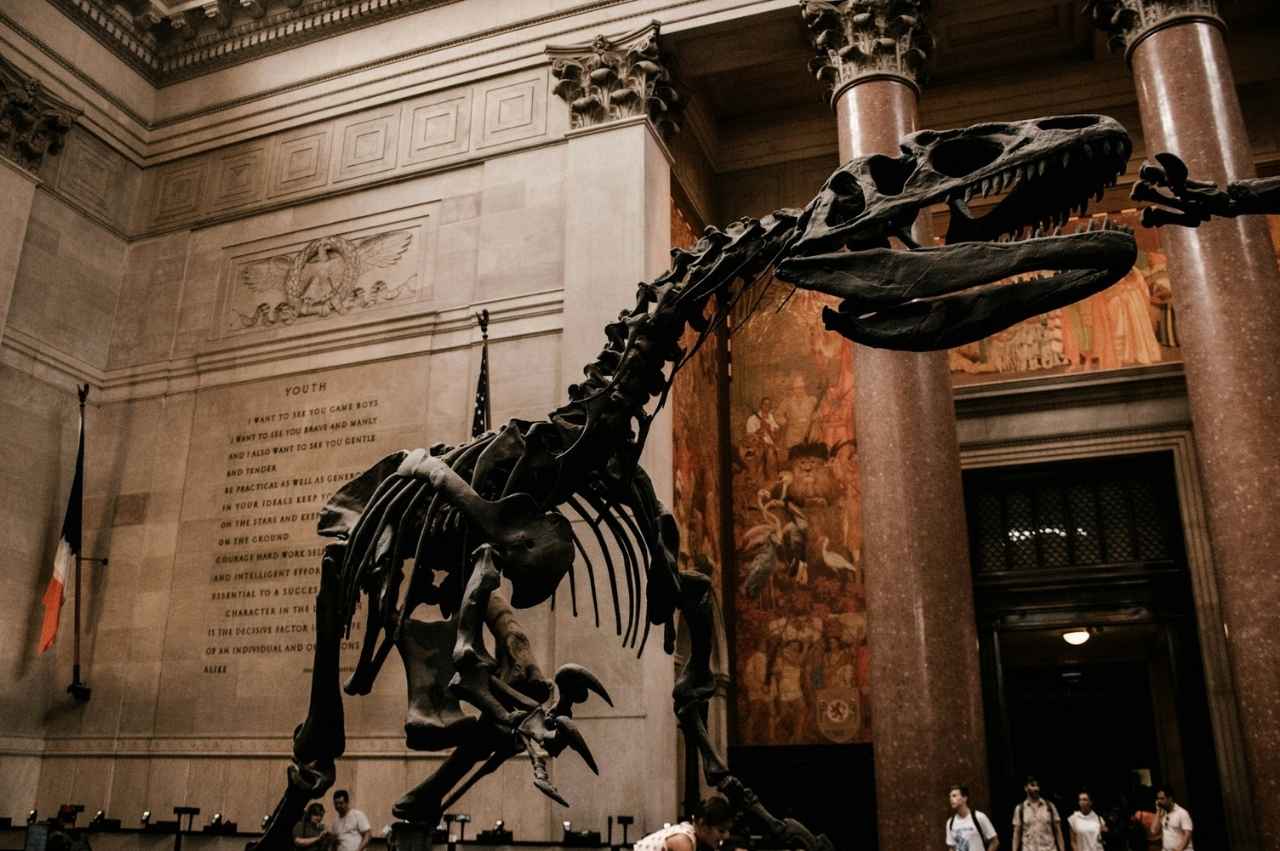
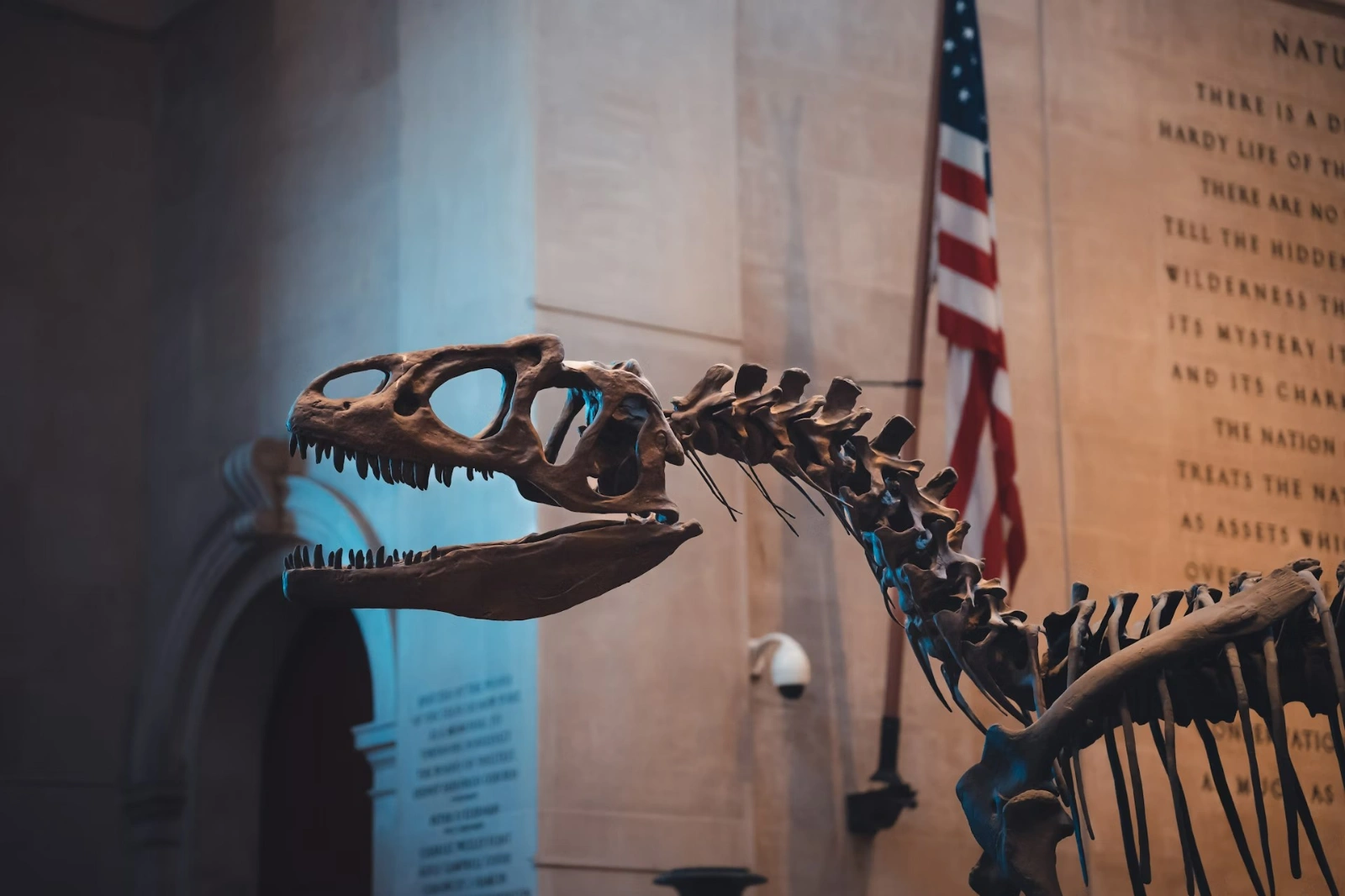
What makes the American Museum of Natural History one of the world's great museums isn't just the dinosaur skeletons or the 94-foot blue whale hanging in the Ocean Life Hall. It's that you can spend an entire day here and still miss things. The museum holds over 33 million specimens, and the new Richard Gilder Center added even more reasons to visit. I recommend starting on the fourth floor with the fossil halls and working down.
New York residents can pay what they wish for general admission, which is remarkably generous for a museum of this caliber. The Hayden Planetarium space shows are worth the extra ticket, especially if you visit with kids. Budget at least 3-4 hours, though you could easily spend a full day.
Did You Know? The museum was founded in 1869 and the current building on Central Park West has been expanded multiple times, with construction continuing into the 21st century.
2. Central Park's Upper West Side Section
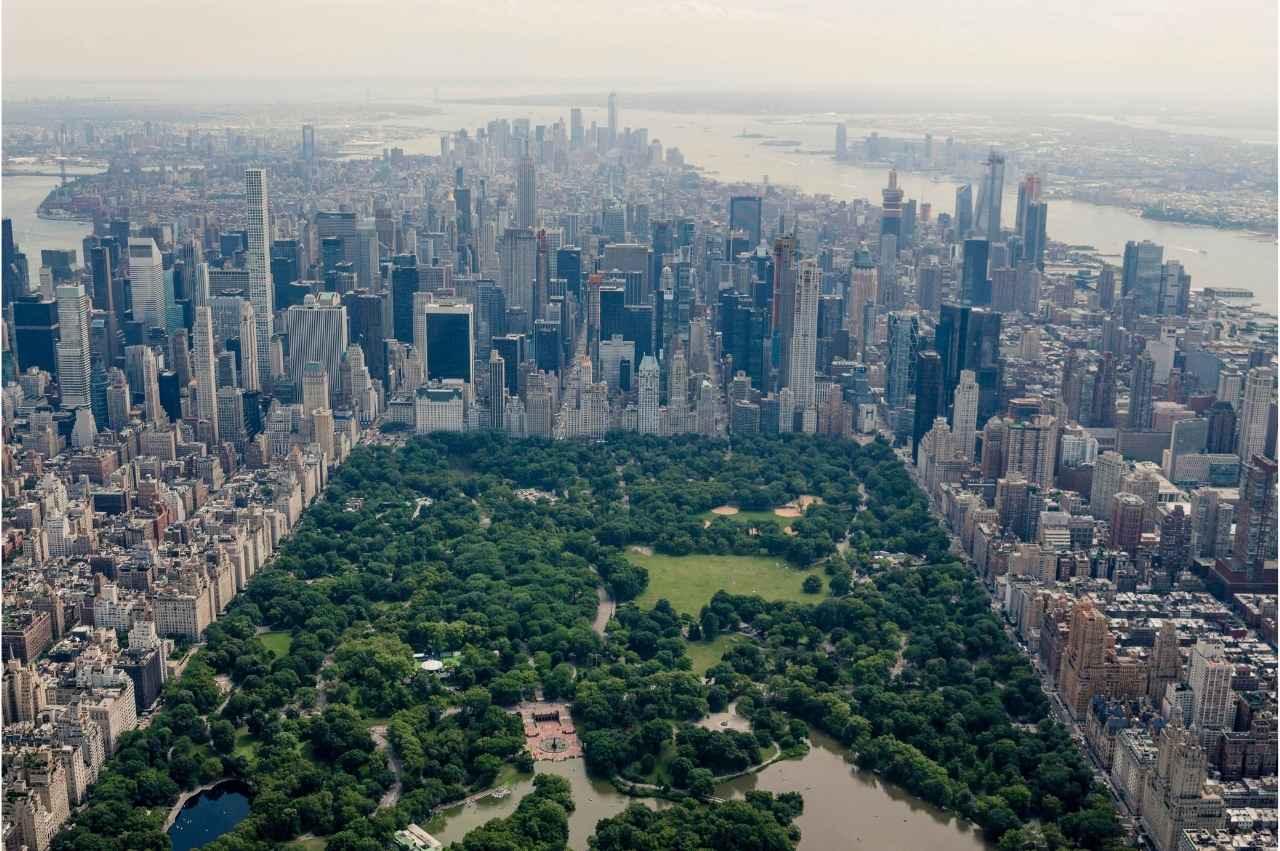
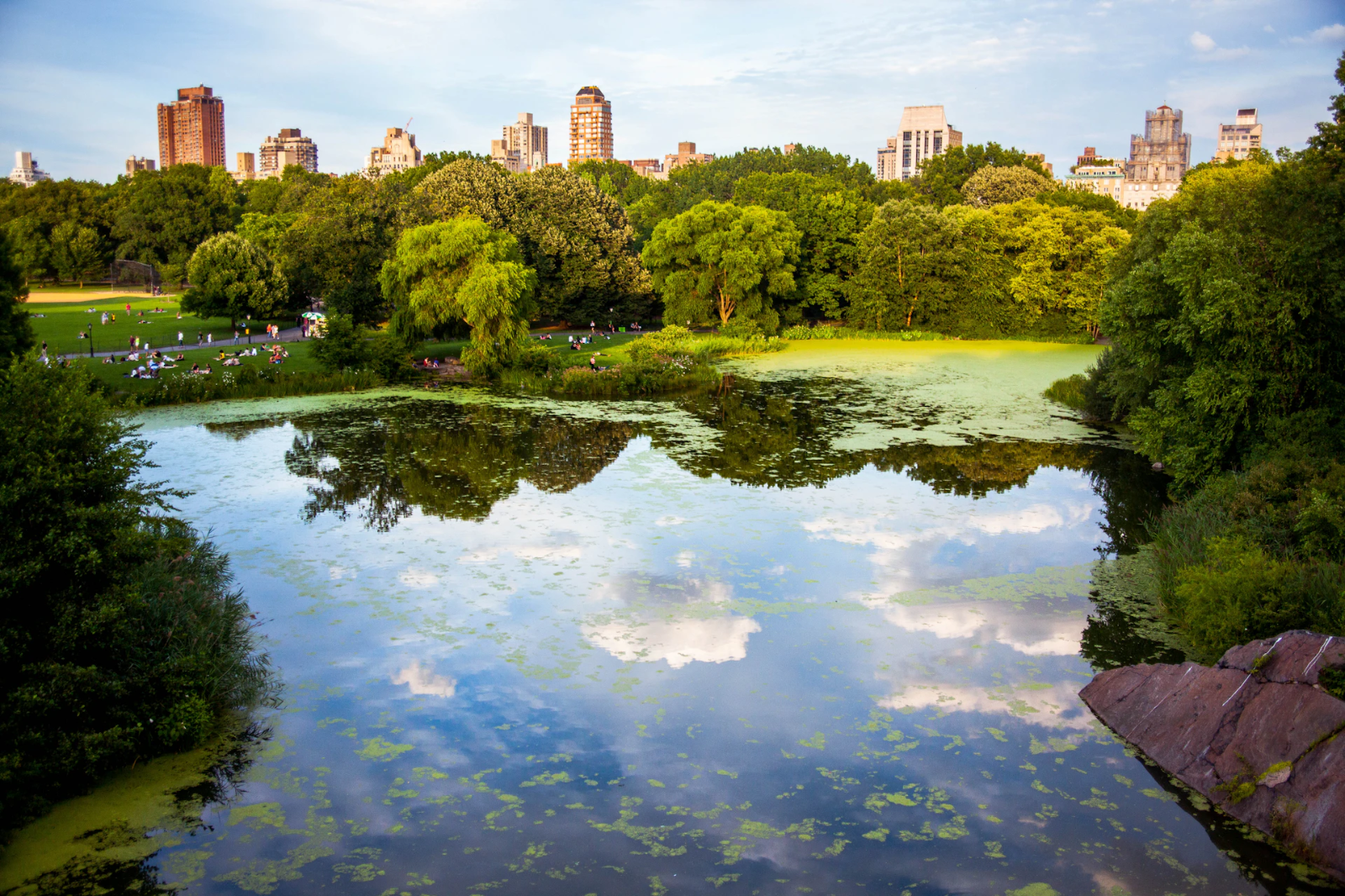
The stretch of Central Park along the Upper West Side contains some of the park's most beloved spots. The Jacqueline Kennedy Onassis Reservoir offers a 1.58-mile running loop with Manhattan skyline views. Bethesda Terrace and the Lake are worth seeking out for their architectural beauty. I find the western side of the park slightly less crowded than the eastern edges near Fifth Avenue.
Early mornings bring joggers and dog walkers, while afternoons see families and tourists. The Shakespeare Garden between 79th and 80th Streets bursts with plants mentioned in Shakespeare's works. Spring tulips and fall foliage make seasonal visits particularly rewarding.
Did You Know? Central Park was designed by Frederick Law Olmsted and Calvert Vaux, and its 843 acres attract approximately 42 million visitors annually.
3. Strawberry Fields and The Dakota
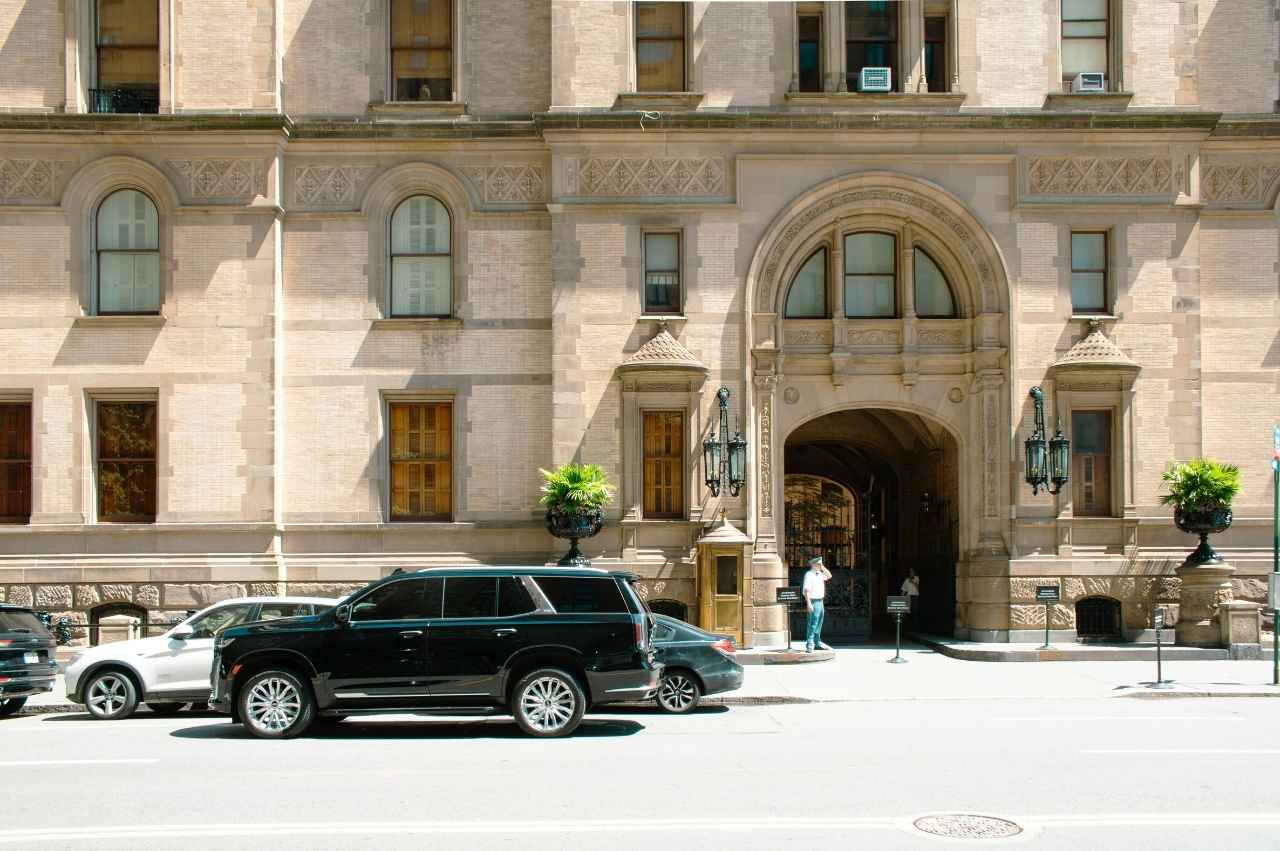
Strawberry Fields is the 2.5-acre memorial to John Lennon located directly across from the Dakota apartment building where he lived and was tragically killed in December 1980. The focal point is the black-and-white Imagine mosaic, donated by the city of Naples, Italy. Musicians often gather here playing Beatles songs, and fans leave flowers and candles year-round.
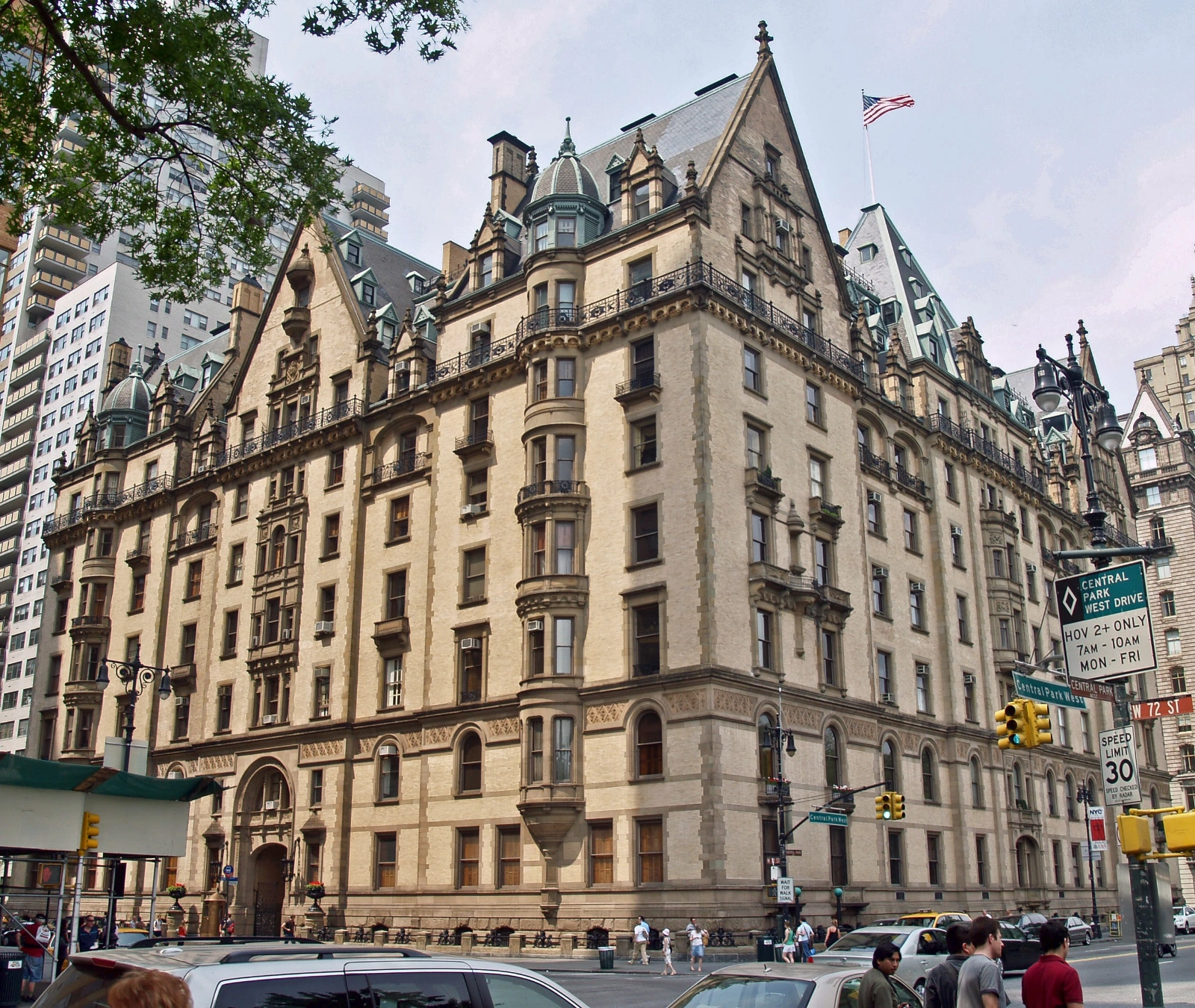
The Dakota itself is a stunning 1884 German Renaissance building that helped establish the Upper West Side as a desirable address. You can't enter the private co-op, but the exterior architecture is worth admiring. The combination of Strawberry Fields and the Dakota makes this area essential for music history fans, and StoryHunt's Personal Tour Guide makes it easy to create a customized audio walk based on your interests.
Did You Know? Strawberry Fields was dedicated on October 9, 1985, what would have been John Lennon's 45th birthday, and 121 countries endorsed it as a Garden of Peace.
4. Lincoln Center for the Performing Arts
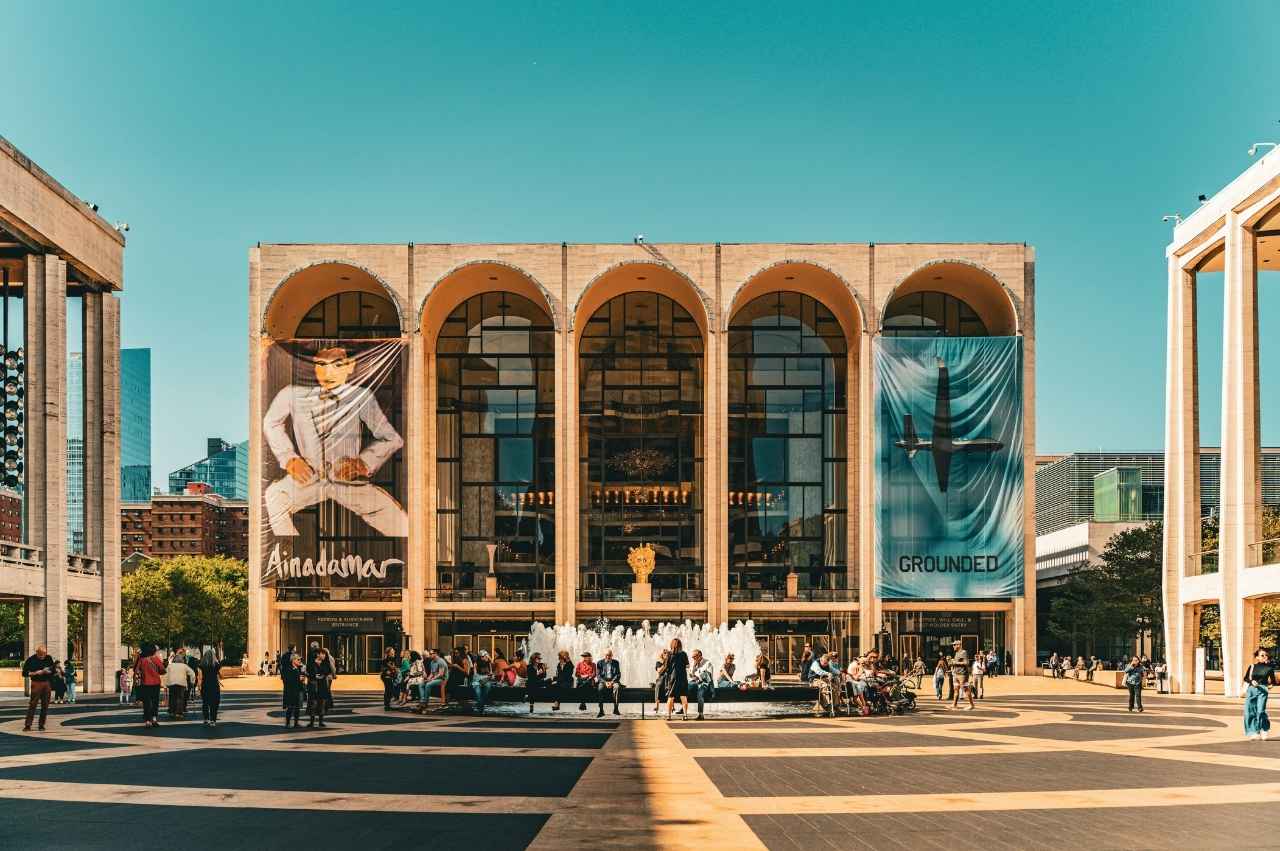
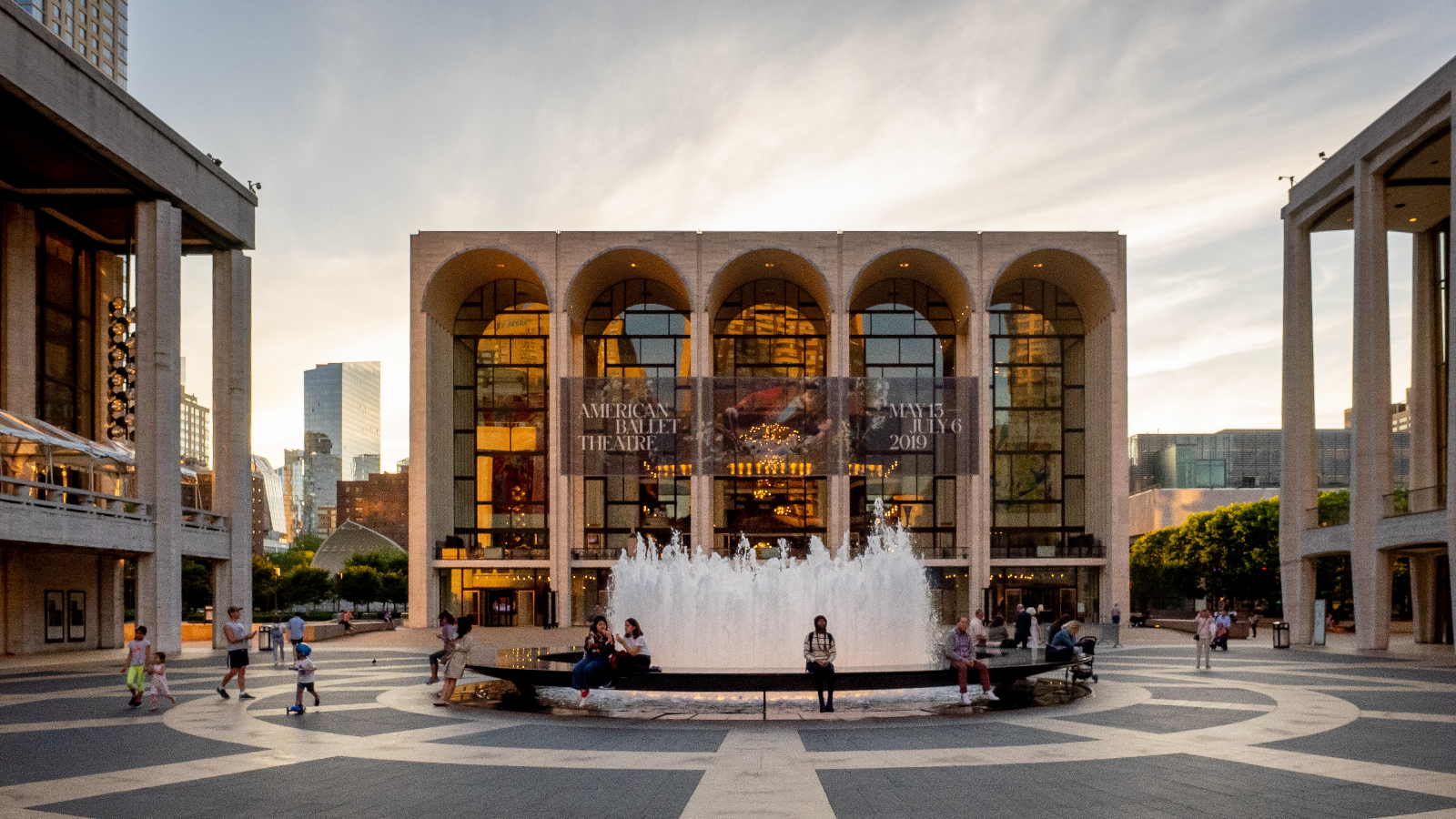
Lincoln Center houses the Metropolitan Opera, New York City Ballet, New York Philharmonic, and Juilliard School across a 16-acre campus. The architecture is mid-century modernist, and the plaza fountain creates a stunning gathering spot. Performances range from opera at the Met (which seats nearly 4,000) to jazz at Dizzy's Club and intimate chamber music.
Ticket prices vary wildly, from rush tickets under $30 to premium opera seats over $300. I've had excellent experiences in the upper balconies where prices are more reasonable and acoustics remain strong. Free events happen regularly on the plaza during summer months.
Did You Know? The Metropolitan Opera House opened in 1966 and can accommodate 3,975 audience members, making it the largest repertory opera house in the world.
5. Riverside Park
.jpg)
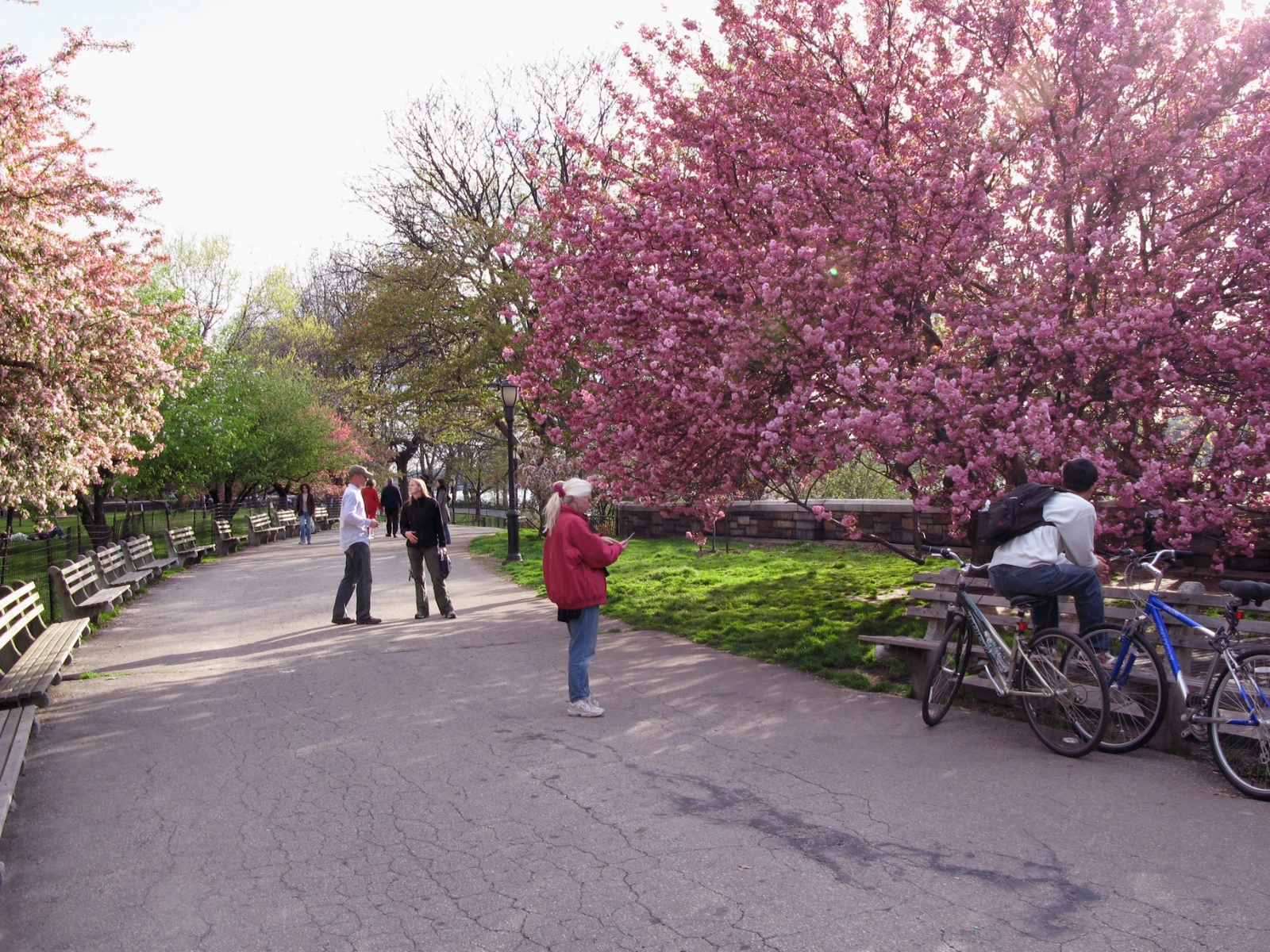
Riverside Park is one of the best Upper West Side things to do as it stretches four miles along the Hudson River, offering a completely different park experience than Central Park. Designed by Frederick Law Olmsted (the same landscape architect behind Central Park), it's one of only eight scenic landmarks in New York City. The waterfront promenade provides unobstructed river views, and the park stays considerably quieter than its famous neighbor.
I appreciate that Riverside Park feels like it belongs to the neighborhood rather than tourists. There's a bird sanctuary, multiple dog runs, sports courts, and the 79th Street Boat Basin marina. Cherry Walk explodes with pink blossoms each spring thanks to 700 cherry trees donated in 1909.
Did You Know? Grant's Tomb, the final resting place of President Ulysses S. Grant and his wife, stands within Riverside Park and is a National Memorial managed by the National Park Service.
6. The New York Historical
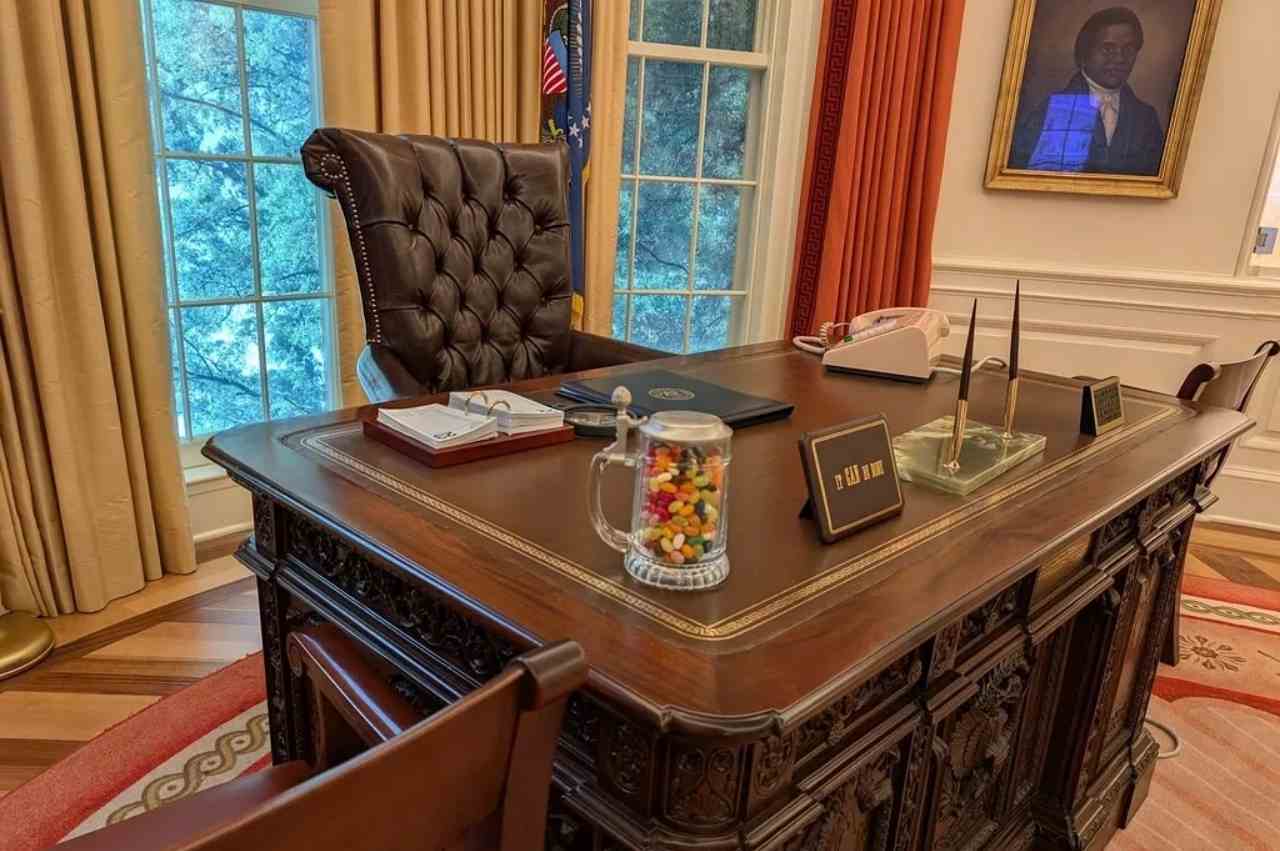
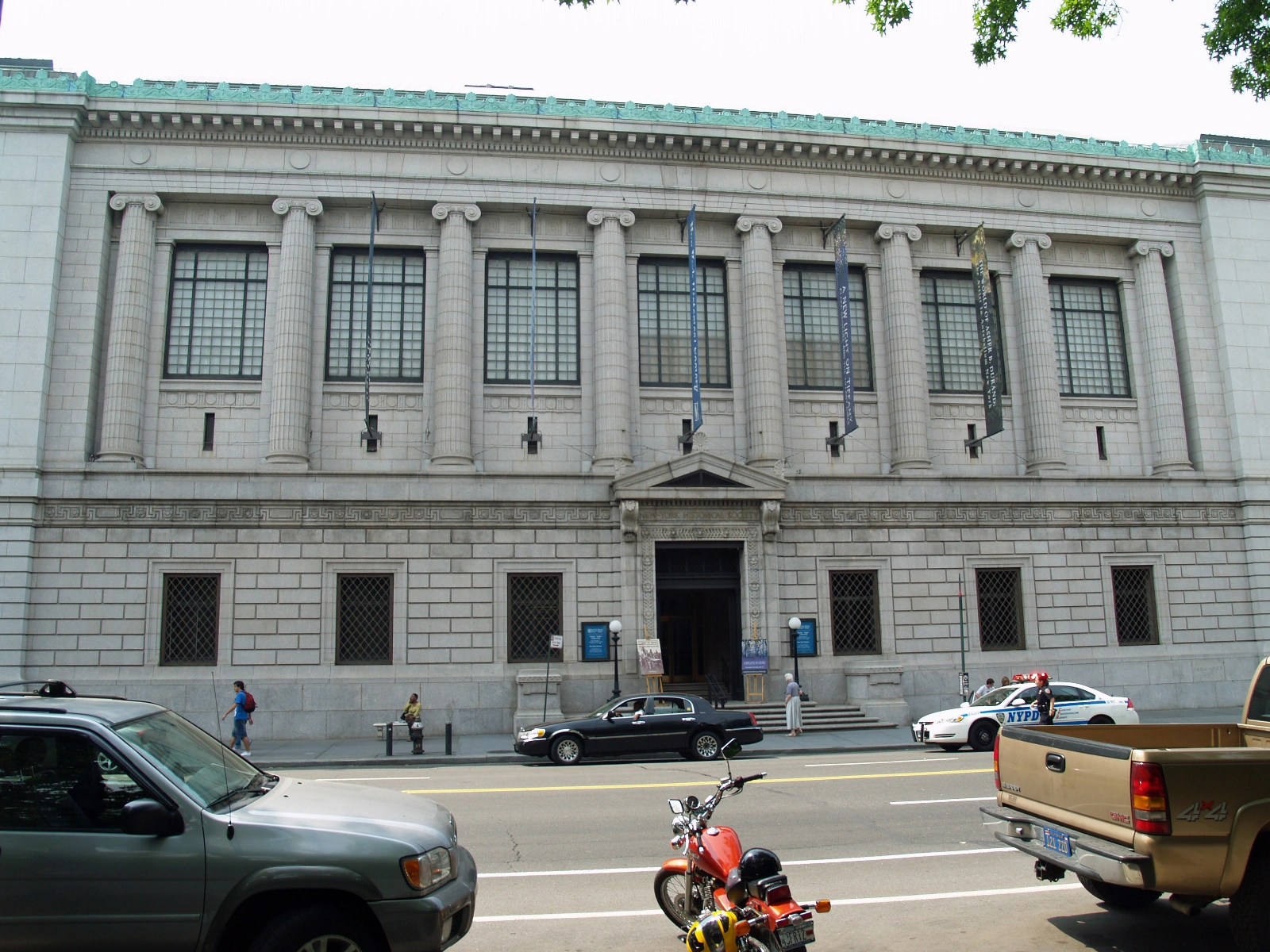
The New York Historical is the city's first museum, founded in 1804, often gets overshadowed by the Natural History Museum next door. That's a mistake. The Historical Society houses one of the world's largest collections of Tiffany lamps, with over 100 pieces dramatically displayed. Their rotating exhibitions tackle American history with depth and nuance, covering everything from the presidency to slavery in New York to women's history.
The DiMenna Children's History Museum on the lower level makes this genuinely family-friendly. Pay-what-you-wish admission on Friday evenings from 6-8 PM helps budget-conscious visitors. The building itself, designed by York & Sawyer in Roman Eclectic style, is worth admiring.
Did You Know? The museum includes a detailed recreation of the White House Oval Office and will open a new wing dedicated to LGBTQ+ history in 2026.
7. Columbus Circle
.jpg)
Columbus Circle marks the southern gateway to the Upper West Side and serves as the official point from which all distances to and from New York City are measured. The Shops at Columbus Circle (in Deutsche Bank Center, formerly Time Warner Center) offers upscale shopping with stunning Central Park views, plus Michelin-starred restaurants including Per Se and Masa.
The holiday market here runs through December with wooden stalls selling artisan goods and seasonal food. Jazz at Lincoln Center occupies upper floors of the same complex. It's a convenient starting point for Upper West Side exploration with multiple subway lines converging here, and it is the perfect place to discover hidden architectural details with the The Personal Tour Guide app.
Did You Know? United Nations officials visiting NYC on business are required to stay within a 25-mile radius of Columbus Circle.
8. Cathedral Church of St. John the Divine
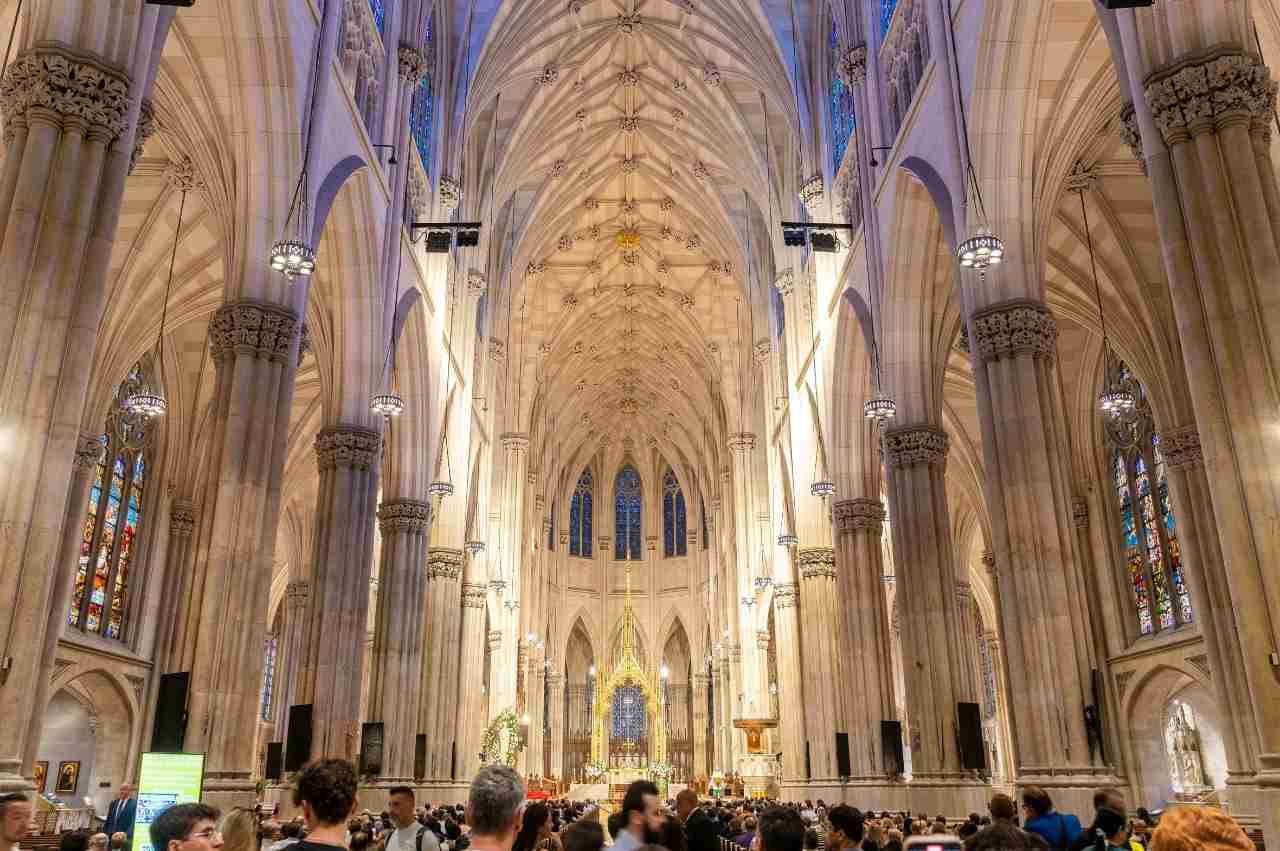
Construction began in 1892, and this cathedral remains technically unfinished. Yet St. John the Divine is already the largest church in New York City and the fifth largest in the world. The interior soars to 232 feet, creating a sense of scale that photographs can't capture. The mix of Romanesque and Gothic architectural styles reflects the building's long construction history.
Self-guided tours cost $10, while guided tours run $15 and provide architectural and historical context worth the extra cost. The biblical garden outside offers peaceful reflection space. Concerts and special events throughout the year make use of the remarkable acoustics.
Did You Know? St. John the Divine earned the nickname 'St. John the Unfinished' because construction has spanned over 130 years with major work still incomplete.
9. Zabar's

Zabar's has been a family-run institution since 1934, and stepping inside feels like visiting a different era of New York. The gourmet food emporium spans an entire block on Broadway, selling smoked fish, cheese, coffee, bagels, and kitchen equipment. It's crowded, slightly chaotic, and completely authentic. The prepared foods counter offers excellent lunch options.
Film fans might recognize it from 'You've Got Mail' (the cash-only checkout scene). The prices are reasonable for the quality, and the staff knowledge about cheeses and smoked fish is genuinely impressive. It's where Upper West Siders actually shop, not just a tourist attraction pretending to be authentic.
Did You Know? Zabar's helped introduce brie cheese to New York in the 1960s and inadvertently started the city's caviar craze in the 1980s.
10. Levain Bakery
.jpg)
The original Levain Bakery on 74th Street sells cookies that have achieved legendary status among New York food lovers. Each 6-ounce cookie costs around $5 and arrives thick, dense, and gooey in the center. The chocolate chip walnut and chocolate peanut butter varieties attract the longest lines, though the oatmeal raisin has devoted fans too.
Lines can stretch down the block on weekends, but they move relatively quickly. The bakery donates unsold baked goods to feed the hungry at day's end. Go early on weekdays to avoid the worst crowds, and eat your cookie warm for the full experience.
Did You Know? Levain was founded in 1995 by two friends who started baking cookies to fuel themselves while training for triathlons.
11. Beacon Theatre
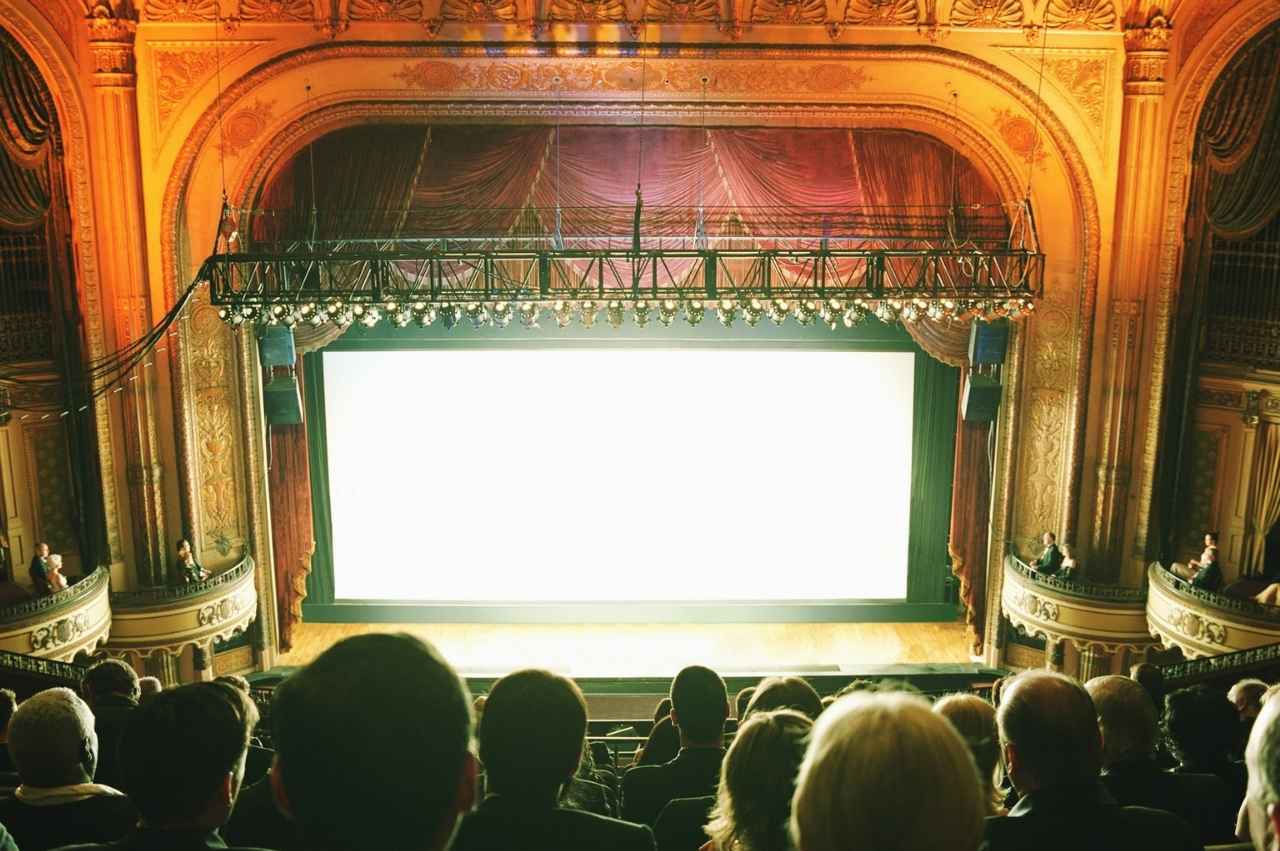
The Beacon Theatre opened in 1929 as a movie palace and now hosts concerts in an ornate setting that makes every show feel special. The 2,894-seat venue has excellent sightlines and acoustics, attracting artists who appreciate the intimacy compared to arena shows. The Beaux-Arts interior with its elaborate ceiling and Greek-inspired murals deserves attention before the lights dim.
Check the performance calendar because the Beacon books diverse acts from rock legends to comedians to the Allman Brothers annual residencies (which ran for decades). The theater sits near the 72nd Street subway station, making it easily accessible from anywhere in Manhattan.
Did You Know? The Beacon Theatre was designated a New York City landmark in 1979 and has hosted over 700 consecutive shows by the Allman Brothers Band.
Find more things to do in Upper West Side
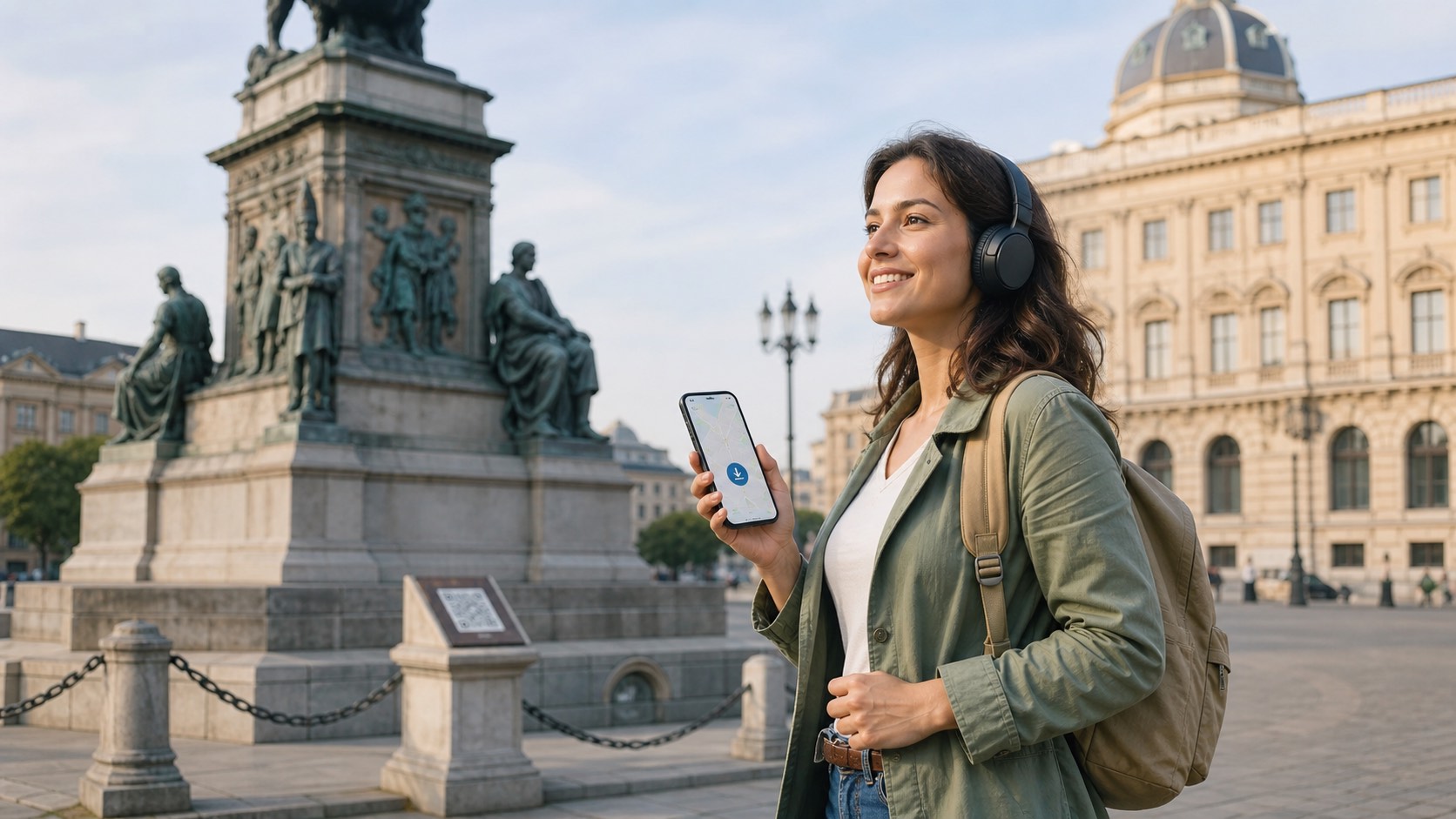
Ready to discover the Upper West Side at your own pace? Then use the StoryHunt app which creates customized audio walks based on your interests, whether that's architecture, music history, or hidden local gems.
The interactive map helps you navigate between attractions while learning stories that bring the neighborhood to life.


.jpg)


.jpg)


















.jpg)


.avif)


