.webp)


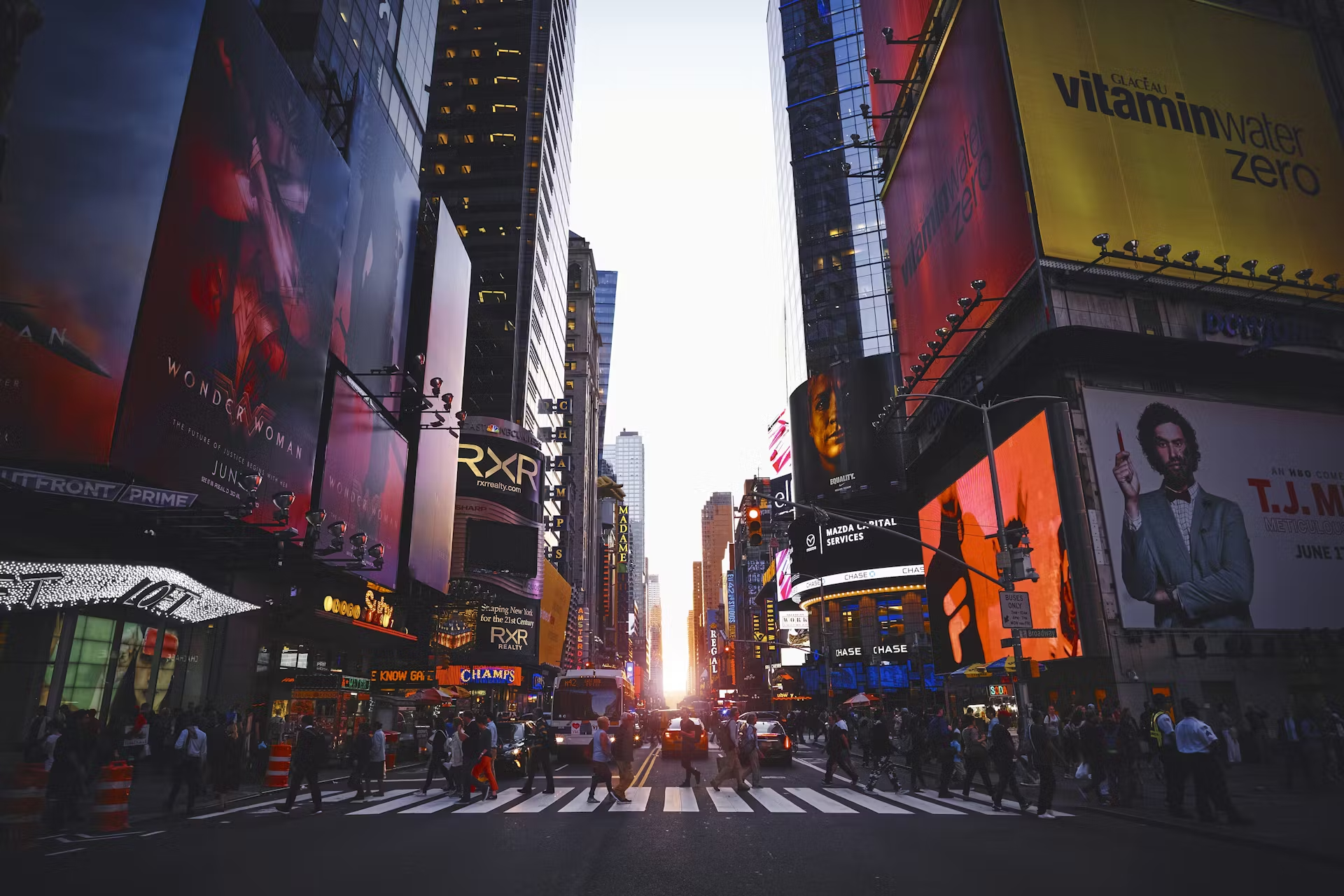
Don't just cross; experience history, breathtaking views, and a monumental feat of engineering on the Brooklyn Bridge. Plan for crowds, wear comfy shoes, and soak in the unparalleled Manhattan skyline. It’s absolutely worth every step, with stories around every cable.
My recent trip to New York City wouldn't have been complete without a stroll across the iconic Brooklyn Bridge. This is a journey through human ingenuity, resilience, and a prime spot for some of the city's most breathtaking views.
If you're planning your own visit, you'll want to know what to expect, from its dramatic origins to the practicalities of walking its span. Let's dive into what makes this landmark truly special, offering insights you can use to make your own visit unforgettable.
What is the story behind Brooklyn Bridge?
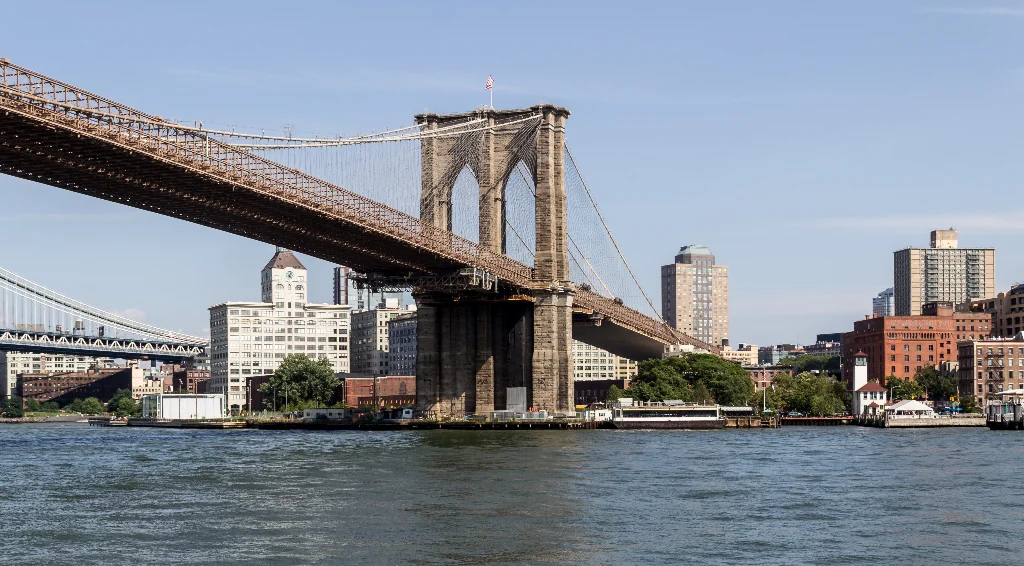
The bridge isn't just a path over water; it's a powerful narrative carved in stone and steel. Imagine New York in the late 1860s, a city longing for a direct link between Brooklyn and Manhattan. John A. Roebling had this grand vision for a suspension bridge, a truly revolutionary idea.
Tragically, he died early in the project. His son, Washington, bravely took the reins, but the dangerous underwater work to build the foundations left him severely ill. This is where the story gets truly compelling: Washington's wife, Emily Warren Roebling, stepped up. She became his voice and vision on site, learning engineering herself, and effectively overseeing construction for over ten years.
When you walk its length today, feeling the sturdy planks beneath your feet and seeing the massive granite towers, you're experiencing a part of this incredible human drama. It wasn't just built; it was fought for, symbolizing what determination can achieve. It connected two burgeoning boroughs and instantly became a symbol of progress, fostering growth and transforming daily life.
What are 5 facts about the Brooklyn Bridge?
Beyond its dramatic origin, the bridge hides some incredible details. When it first opened in 1883, it shattered records, becoming the world's first steel-wire suspension bridge and holding the title for the longest span at nearly 1,600 feet. You can still see the innovative galvanized steel cables stretching above you, gleaming in the sun.
This immense project came at a real cost, particularly to the workers diving into the East River's depths for the foundations. Many suffered from "caisson disease," a painful and often fatal illness, including Washington Roebling himself. Yet, its strength was legendary.
To prove its safety after a public scare, showman P.T. Barnum famously paraded 21 elephants across it! And if you look closely at the base of those imposing stone towers, you might not realize they once housed vast, cool vaults, rented out as wine cellars – a fascinating secret beneath the urban rumble. We'll touch more on the public's initial fears a bit later.
How long does it take to walk the Brooklyn Bridge?
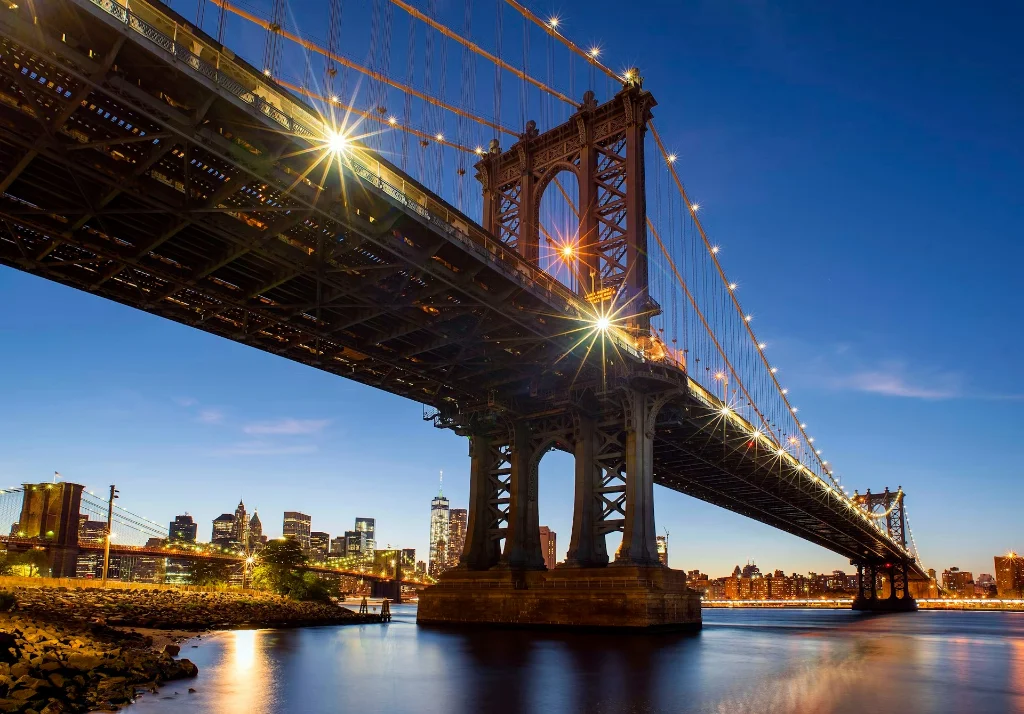
Most visitors find a one-way walk takes anywhere from 25 to 60 minutes. It's about 1.1 to 1.3 miles (1.8 to 2.1 kilometers) from one side to the other. The time really depends on your pace and how often you pause. And trust me, you'll want to stop frequently!
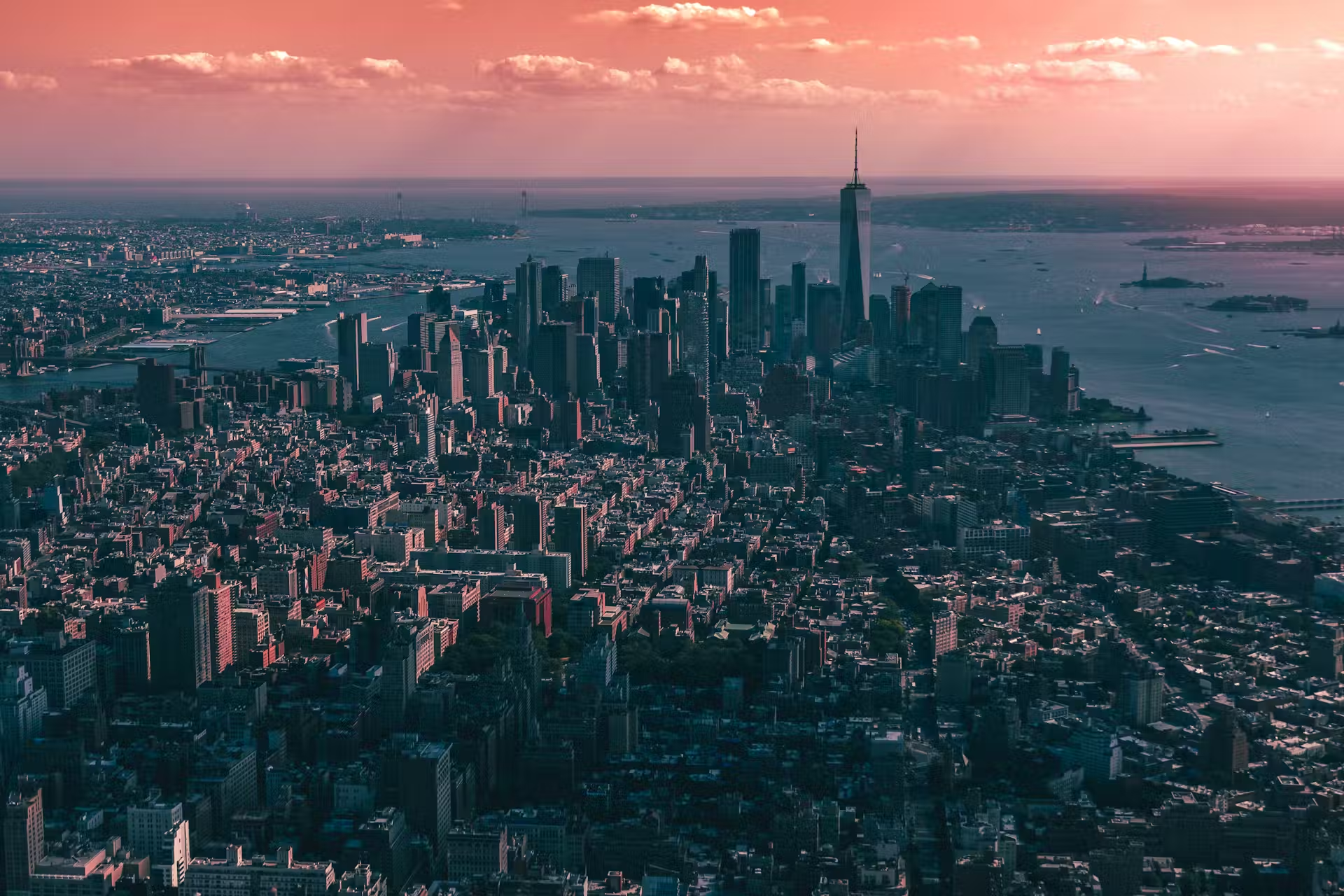
From the wooden pedestrian path, high above the traffic, you get truly breathtaking panoramas: the soaring Manhattan skyline, the distant Statue of Liberty, and the bustling East River below. The breeze often picks up as you gain height, making you feel truly immersed in the city's scale.
If you pause and truly look at the grand stone anchorages, it's easy to miss that these once contained those secret vaults I mentioned, cool and dark, perfect for storing wine. For the best experience, wear comfortable shoes and prepare to take plenty of photos.
Why is the Brooklyn Bridge so famous?
Why does this bridge capture so many imaginations? Its fame isn't just about connecting two boroughs; it's a blend of architectural beauty, pioneering spirit, and sheer endurance.
Opened in 1883, its distinctive Gothic-style stone towers and intricate steel cables immediately set it apart, a unique fusion of strength and elegance. It was truly a feat of engineering for its era, the first of its kind to use steel wire in its suspension system and boasting the longest span in the world.
Walking across, you can feel the history under your feet, connecting you to that audacity. The sheer determination required to build it against all odds, using innovative techniques like the caissons beneath the river, made it a symbol of American ingenuity and perseverance.
Of course, the unforgettable views you get from its pedestrian path - of Manhattan's skyscrapers, the river activity, and the Statue of Liberty - cement its place as a quintessential New York experience and a photographer's dream. But did you know a woman played a crucial part in bringing this vision to life?
Was a woman behind the Brooklyn Bridge?
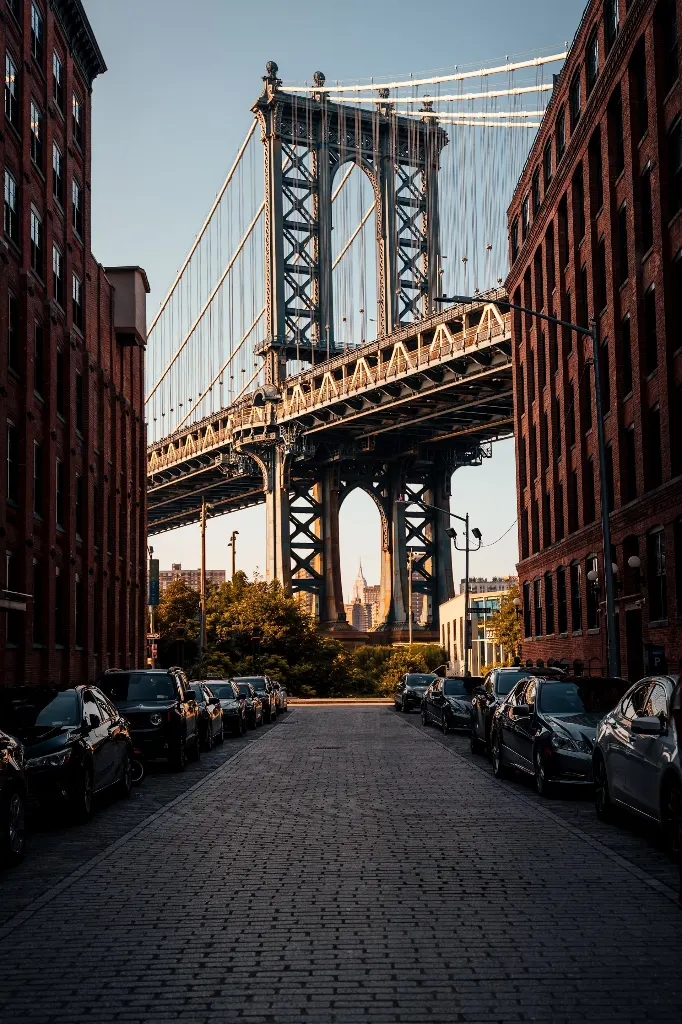
Absolutely, and her name was Emily Warren Roebling. While her husband, Washington, was the chief engineer, his severe illness from decompression sickness left him unable to be on site.
For over ten years, Emily became the eyes, ears, and voice of the project. She wasn't just relaying messages; she immersed herself in the complex technical details, learning mathematics, stress analysis, and construction management. Imagine her, a woman in the 1800s, navigating engineers, politicians, and workers, ensuring this colossal project stayed on track.
Her strategic mind and unwavering determination were instrumental; many believe the bridge would not have been completed without her. As a final, symbolic triumph, she was the very first person to cross the completed bridge by carriage on opening day in 1883, carrying a rooster as a sign of victory. You can even find the Emily Warren Roebling Plaza honoring her legacy beneath the Brooklyn side today, a fitting tribute to her crucial role.
What was the Brooklyn Bridge disaster?
Despite its strength and careful construction, the bridge did face a tragic incident, though not a structural collapse.
Just six days after its grand opening, on May 30, 1883, a large crowd on the pedestrian walkway experienced a terrible scare. A woman tripped near a stairway, and her cries, combined with the dense crowd, led to widespread panic. People mistakenly thought the bridge was falling, triggering a desperate stampede. In the chaos, twelve people were tragically trampled to death, and many more were injured. It was a stark reminder of how quickly fear can spread in a crowded urban space.
To rebuild public trust in the bridge's safety, a year later, the renowned showman P.T. Barnum orchestrated his famous spectacle, parading 21 elephants and other animals across the span. This dramatic stunt publicly demonstrated the bridge's immense stability, helping to quell the lingering anxieties.
Is it worth going to Brooklyn Bridge?
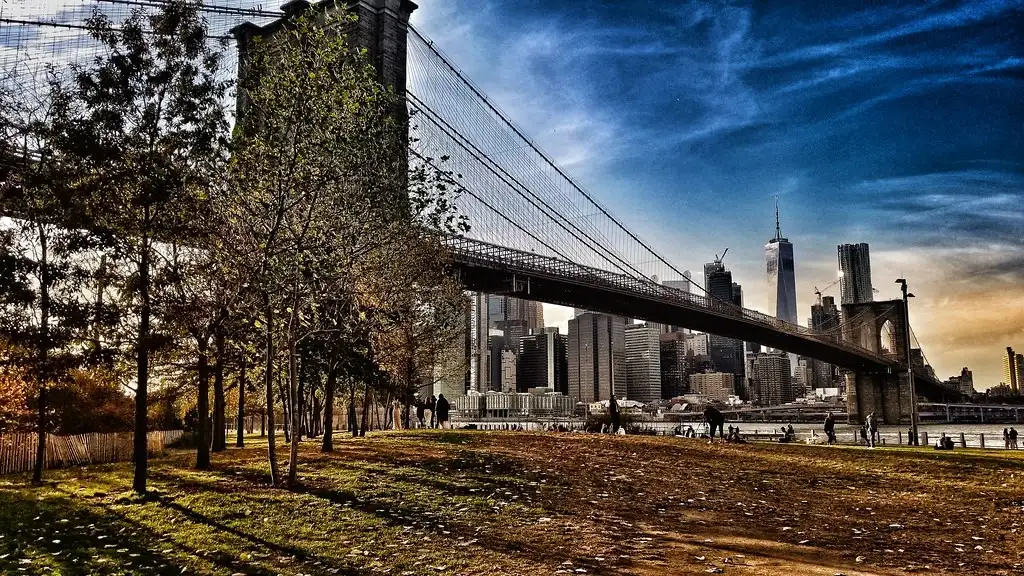
My answer is a resounding "yes!" It’s absolutely a quintessential New York City experience. The bridge itself, opened in 1883, is a striking piece of architecture, with its distinctive Gothic-style stone arches and the graceful sweep of its steel cables. It combines both suspension and cable-stayed elements in a way that was truly innovative for its time.
From the dedicated wooden pedestrian pathway, you are completely separate from the rumbling car traffic below, allowing you to immerse yourself in the moment. The unparalleled panoramic views alone are worth the trek: Manhattan's skyline glistening, the East River teeming with boats, and the Statue of Liberty standing proud in the distance. For an unforgettable visual, especially at sunset, consider starting your walk from the Brooklyn side heading towards Manhattan.
What else can I do in New York?
You’ve crossed the bridge, felt the breeze, and snapped those iconic photos. Now what? Well, you're in the perfect place to explore everything else Brooklyn has to offer.
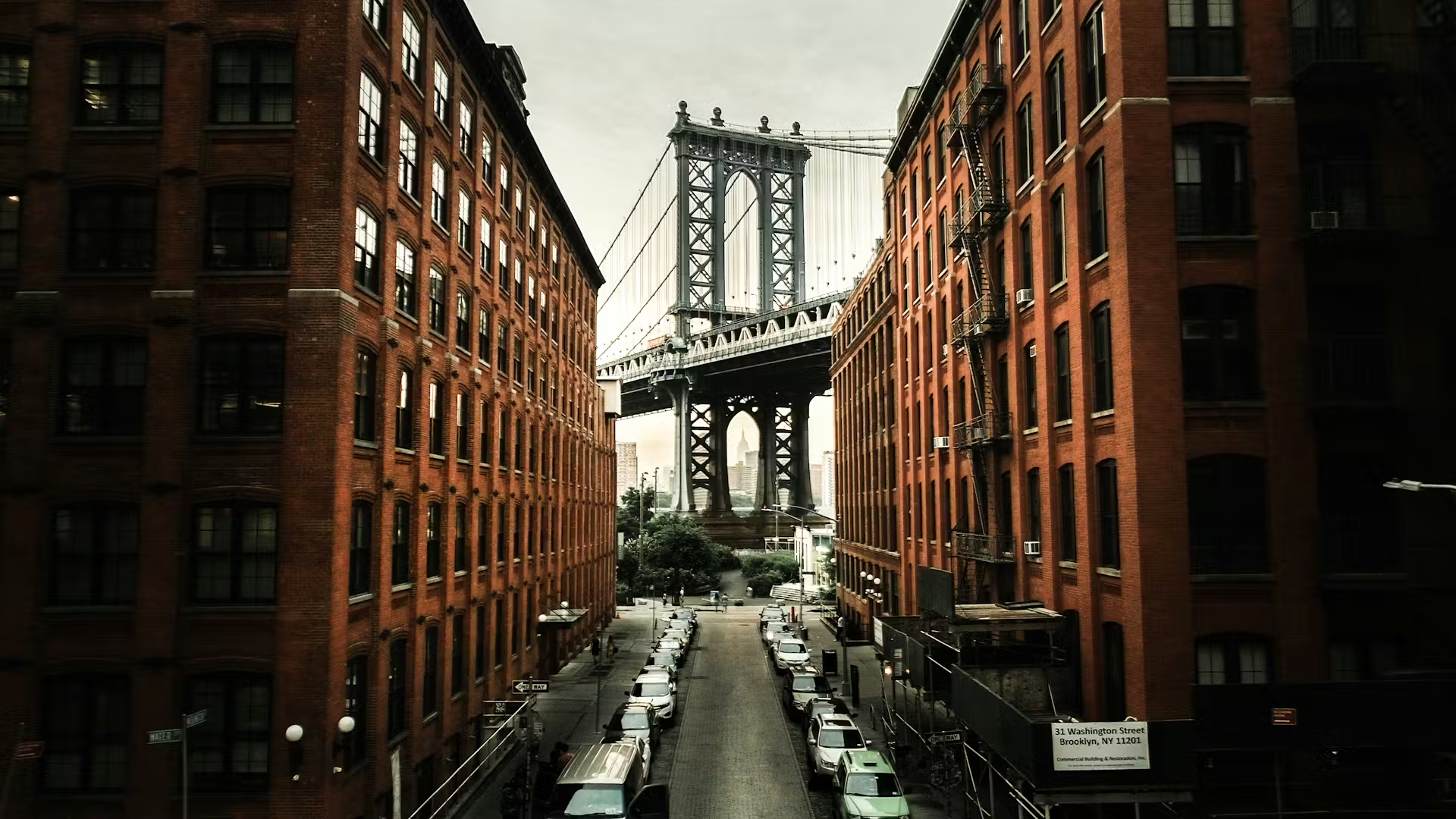
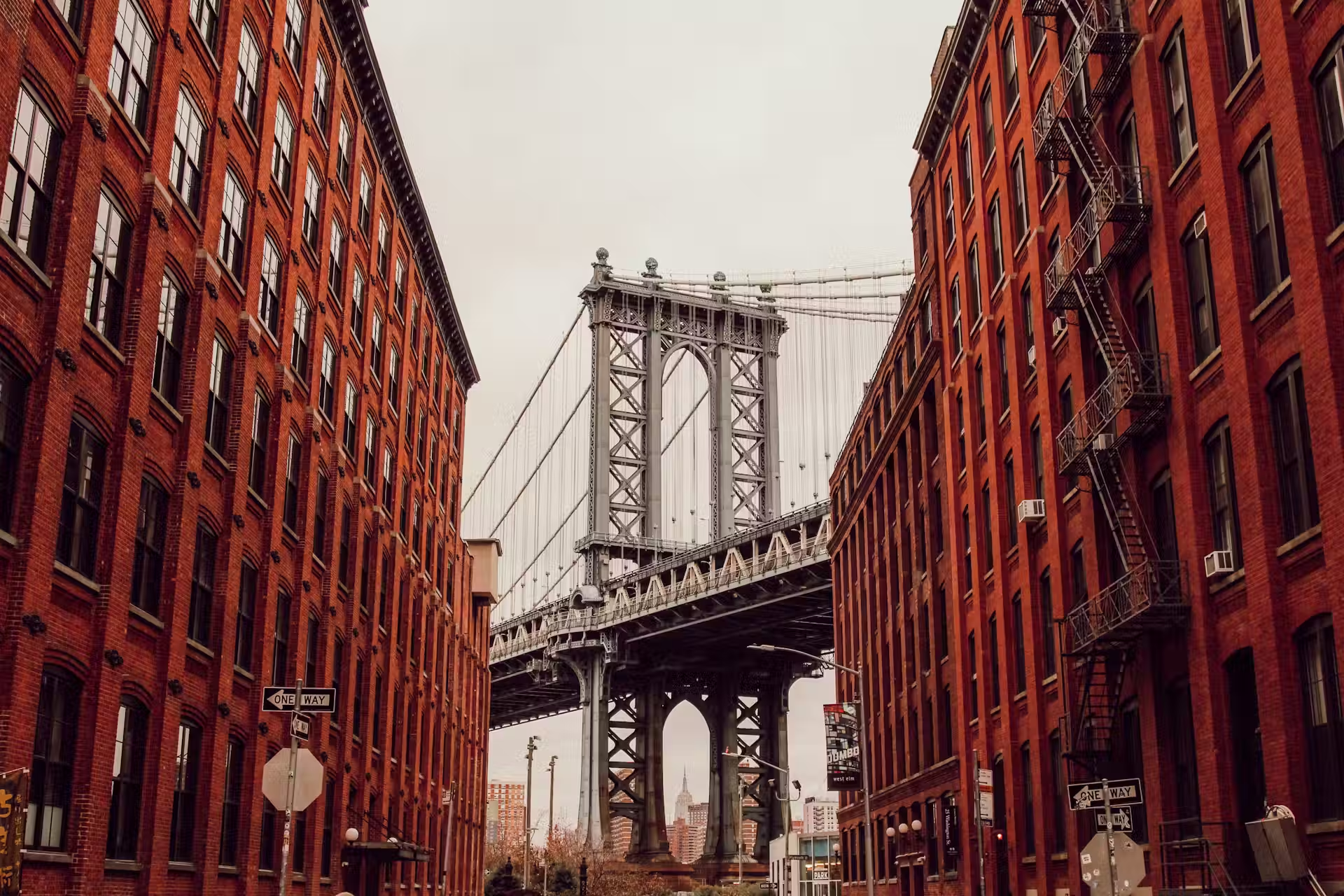
Right at the foot of the bridge on the Brooklyn side, you’ll find DUMBO (Down Under the Manhattan Bridge Overpass) and Brooklyn Bridge Park. This vibrant area offers more stunning waterfront views, unique shops, and delicious spots to grab a bite. Don't miss Jane's Carousel, a beautifully restored vintage ride.
A short walk from DUMBO, the Brooklyn Heights Promenade provides another elevated vantage point with arguably some of the most breathtaking, unobstructed panoramas of the Manhattan skyline. On the Manhattan side, the historic South Street Seaport Museum area blends old-world charm with contemporary dining and shopping, giving you a taste of maritime history.
For a different perspective, hop on an NYC Ferry from Pier 11/Wall Street; a ride across the river gives incredible, fresh views of the city and its bridges without the price tag of a dedicated tour.
And to really unlock the hidden stories and historical nuggets of these places and beyond, I highly recommend downloading the StoryHunt app. It provides curated audio guides for both famous landmarks and secret spots, enriching your visit with fascinating insights you might otherwise miss.









.jpg)



.jpg)

















.jpg)






.jpg)



.avif)


