
.webp)

TLDR: The New York Stock Exchange, a symbol of global finance, isn't open for tours but offers a powerful external experience in the Financial District, rich with history and nearby attractions like Federal Hall and the Charging Bull. While you can't step inside, feeling the pulse of Wall Street is a unique travel moment.
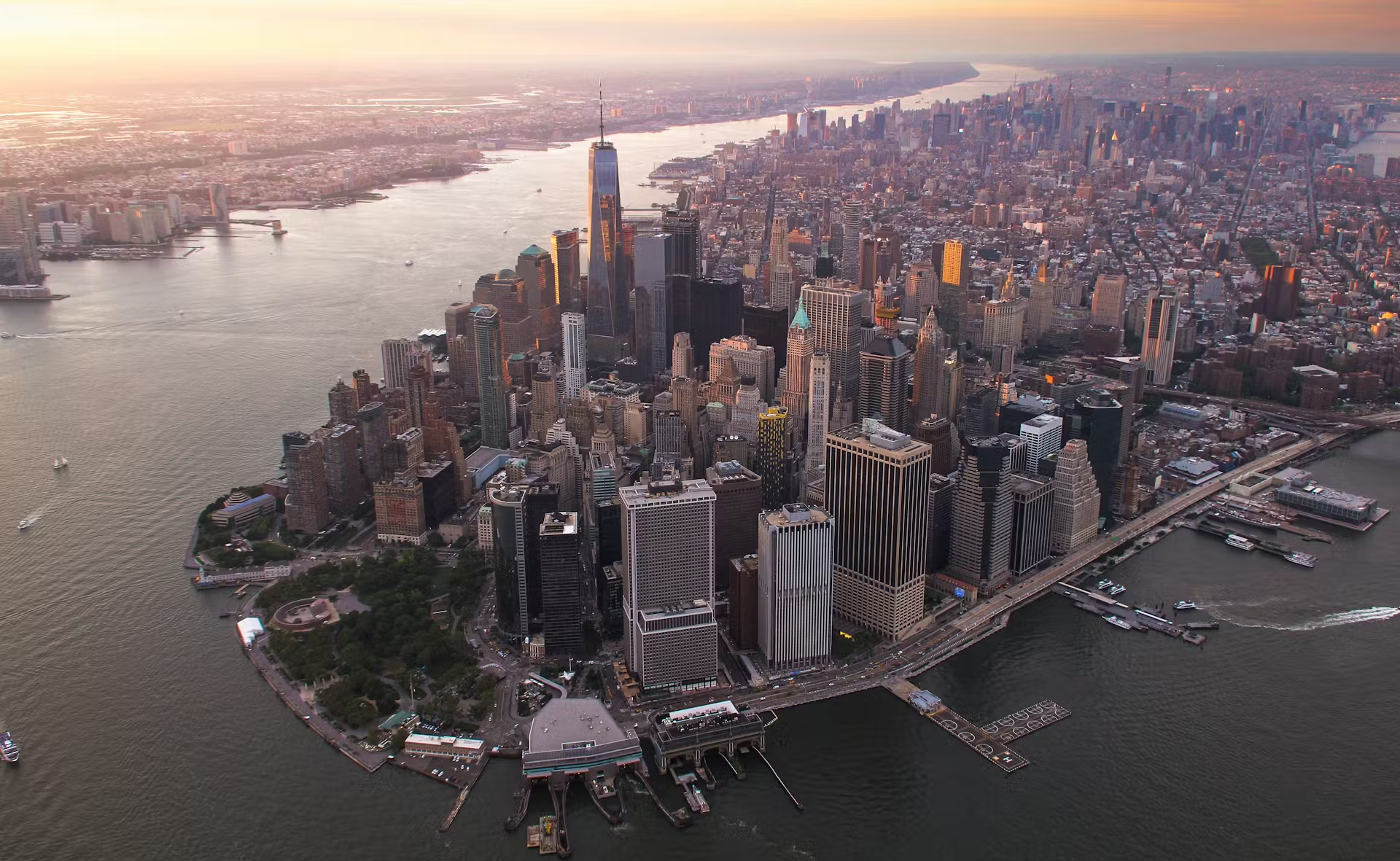
I've always been drawn to places that shaped history, and few places in New York City hold as much weight as the New York Stock Exchange. Standing on Wall Street, gazing up at that iconic facade, you can almost feel the centuries of decisions that have influenced economies worldwide.
If you're planning a trip to Lower Manhattan and are curious about this legendary institution, you're in the right place. We'll explore its origins, accessibility, and what other financial giants share its spotlight.
What is the story behind New York Stock Exchange?

Standing before the New York Stock Exchange, you feel a deep sense of history emanating from its stone facade. This is where modern finance began in America. Its roots stretch back to 1792, not in a grand hall, but under a buttonwood tree on Wall Street. Imagine twenty-four brokers meeting there, signing an agreement that brought order to early trading. That original pact is still kept inside.
Over the centuries, this institution has grown into the world's largest exchange, influencing global markets profoundly. It has seen moments of incredible growth and dramatic downturns, like the infamous crashes of 1929 and 1987. From being one of North America's first air-conditioned buildings to the powerful tradition of the opening and closing bells, its story is rich. You can almost hear the echoes of history in the air around it.
Can anyone go to the New York Stock Exchange?

Unfortunately, if you're hoping to stroll onto the trading floor or take a guided tour inside the New York Stock Exchange, you'll be disappointed. Public access ended after the 9/11 attacks, and security remains tight. You can't enter the building at all.
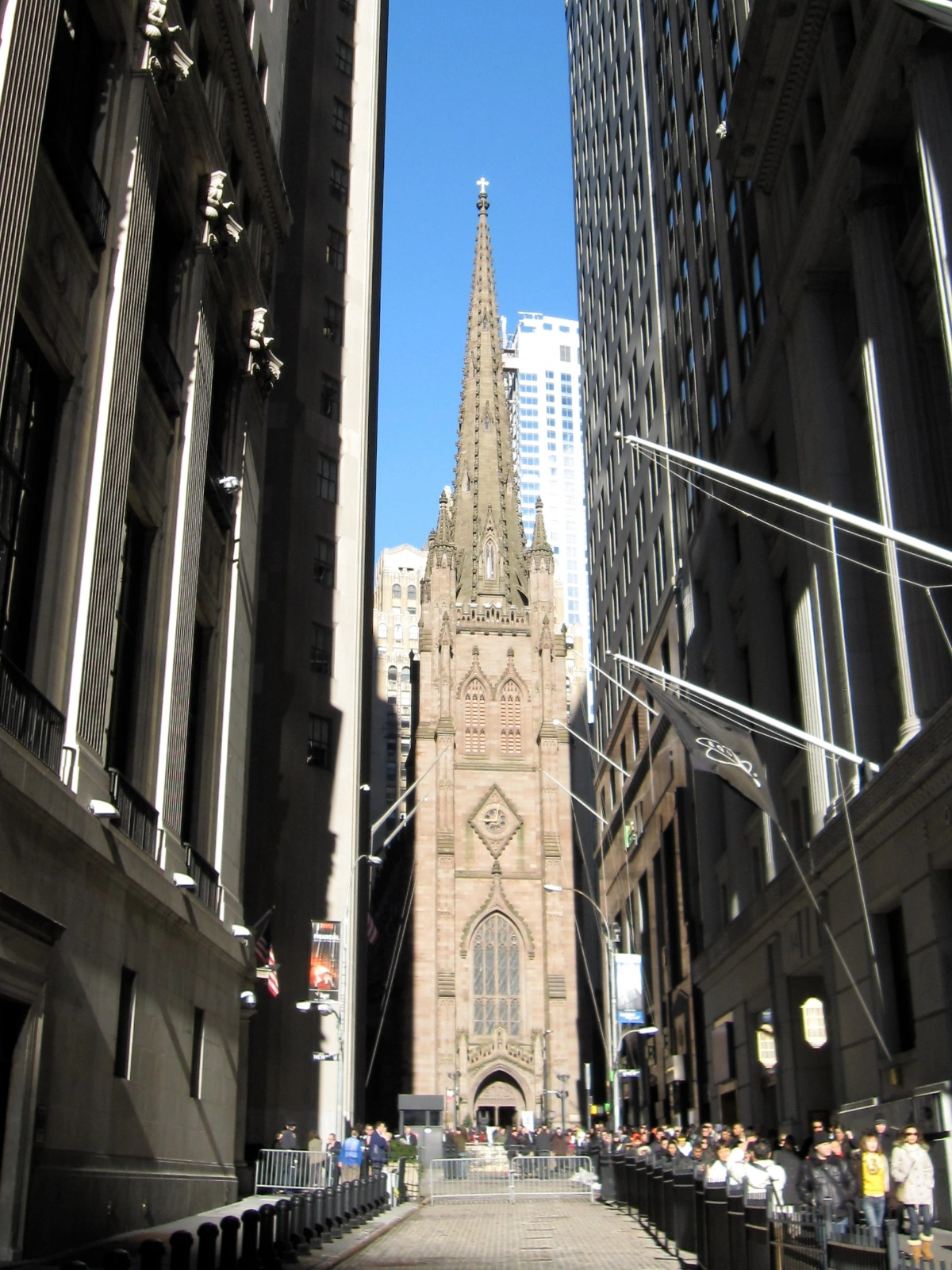
However, don't let that deter you entirely. The experience of standing on Wall Street, right in front of its imposing building at 11 Wall Street, is still powerful. You can soak in the vibrant energy of the Financial District, feel the brisk pace of people moving, and capture some great photos. Plus, you’re perfectly positioned to see the "Fearless Girl" statue, explore Federal Hall, or visit Trinity Church, all just steps away.
What is the official name of the New York Stock Exchange?

You might hear it called simply "the NYSE," but its full, official name is quite straightforward: the New York Stock Exchange. There's no longer, more formal title. This is the very institution that has grown from those early meetings under a tree to become the world's largest stock exchange by market capitalization, with trillions of dollars in value.
While its initial operations began in 1792 with the Buttonwood Agreement, the name "New York Stock Exchange" officially came into being in 1863. Even though you can't go inside, just knowing you're standing before the building that houses such a powerful entity, whose name echoes globally, adds to the impact of your visit. It truly is a central icon of global finance.
What are the two stock exchanges in NY?

New York City isn't home to just one major stock exchange, but two powerful players. Besides the New York Stock Exchange, which you'll find on Wall Street with its historic trading floor, there's also Nasdaq. While the NYSE retains some physical trading, much of its activity, like other modern exchanges, now happens electronically.
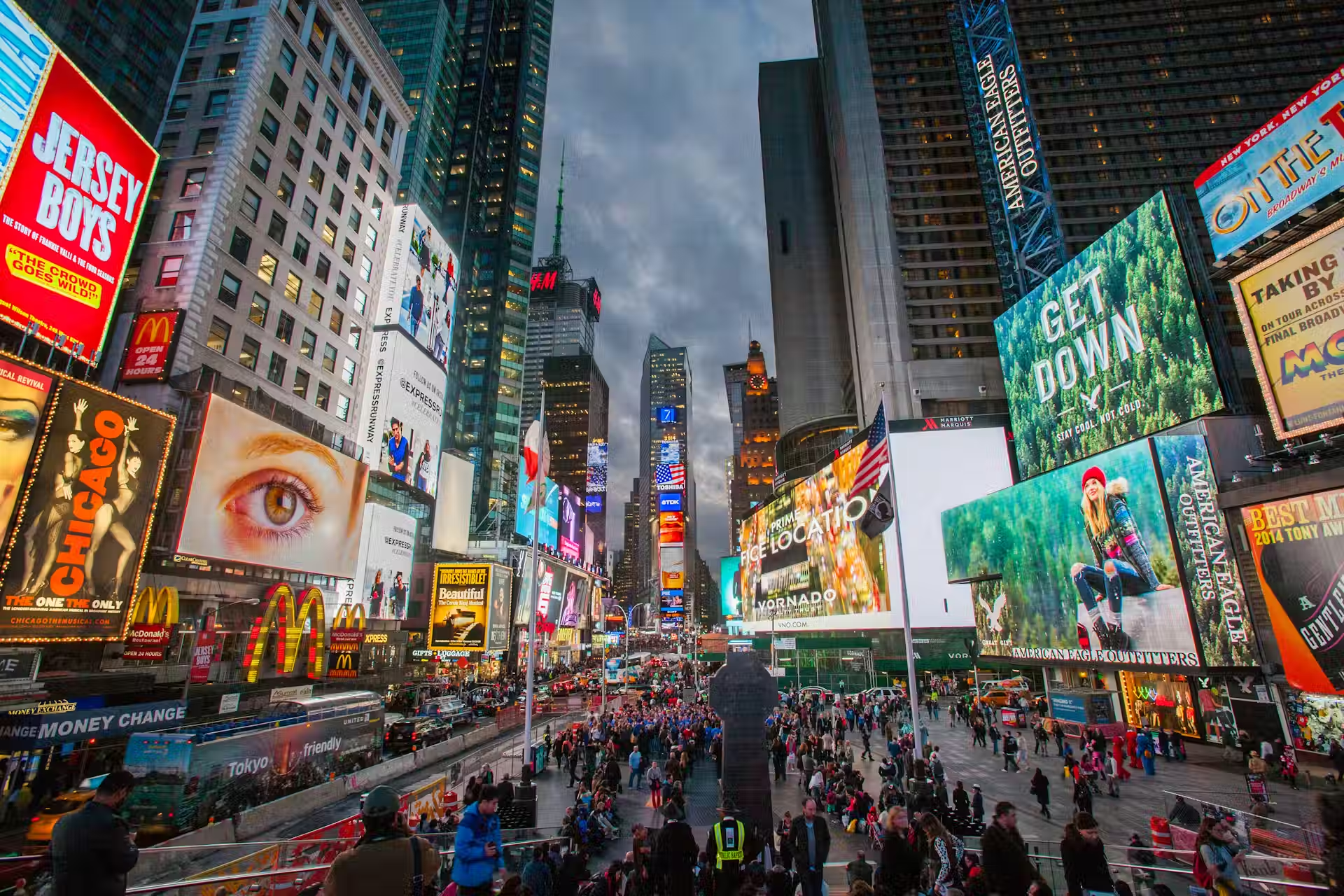
Nasdaq, on the other hand, is a completely different experience. You'll find its presence visually in Times Square, but its operations are entirely electronic, having been founded in 1971. It tends to list many technology and growth-oriented companies. So, while the NYSE represents a more traditional auction-style market, Nasdaq functions as a dealer market, with transactions handled through computers.
They are distinct entities, each with its own energy and role in the financial world.
Is the New York Stock Exchange moving out of New York?

If you've heard whispers about the New York Stock Exchange leaving the city, rest assured, its main operations and that iconic building at 11 Wall Street aren't going anywhere. It remains a fixture of Lower Manhattan.
What you might have heard about is its parent company, Intercontinental Exchange (ICE), planning to launch "NYSE Texas". This will be an entirely electronic exchange based in Dallas, essentially relocating its existing NYSE Chicago electronic exchange. It's a strategic business move to tap into Texas's business environment, but it doesn't mean the heart of the NYSE is leaving its historic New York home.
The NYSE building, a landmark since 1903, continues to anchor the financial district, upholding its long legacy.
Who owns 90% of the stock market?
When you stand on Wall Street, you're at the center of where incredible wealth is traded, but who truly holds the reins of the stock market itself? It might surprise you to learn that the ownership is quite concentrated. Studies show that the wealthiest 10% of U.S. households own almost 90% of all stock market holdings. Within that, the top 1% alone possesses about half of all corporate equities and mutual funds.
While the New York Stock Exchange facilitates the exchange of these assets, enabling millions to invest, the vast majority of the market's value is in the hands of a smaller segment of the population. The remaining portion is spread among various individual and institutional investors, from pension funds to international entities. It gives you a sense of the scale and economic power represented by this building.
Is it worth visiting New York Stock Exchange?

If you appreciate imposing architecture and the immense weight of financial history, standing before this grand building at 11 Wall Street can be quite impactful. You’re literally at the heart of global capitalism.
However, temper your expectations: you cannot go inside, meaning no tours of the trading floor or interactive exhibits. If you envision a bustling, chaotic floor like in old movies, you'll only see the quiet exterior. For me, it was worth it as part of a broader walk through the Financial District. I suggest going on a weekday, especially around 9:30 AM or 4:00 PM ET, for the chance to hear the famous opening or closing bells.
For history buffs or finance enthusiasts, it’s a meaningful stop. But if you're looking for an immersive indoor attraction, other New York options might suit you better. You can easily combine it with nearby Federal Hall and the "Fearless Girl" statue. To help you prioritize your itinerary, remember that The Personal Tour Guide provides personalized recommendations, guiding you to sights that align with your interests.
What else can I do in New York?
Since you’re already in the historically rich Lower Manhattan, there’s plenty more to explore right around the New York Stock Exchange:
- Federal Hall National Memorial: Directly across the street, this is where George Washington took his presidential oath. You can step inside to feel the weight of early American history.
- Charging Bull: A short stroll will bring you to the famous "Charging Bull" statue, a popular spot for photos and a symbol of American financial optimism.
- Trinity Church: Just a block away, this historic Gothic Revival church has a fascinating graveyard, including Alexander Hamilton’s final resting place.
- Stone Street: For a break, wander onto Stone Street. Its cobblestones and historic buildings now host vibrant restaurants and bars, perfect for a meal in a unique setting.
- 9/11 Memorial & Museum: A poignant and essential experience, this powerful memorial and museum is a short walk south, offering a moving tribute to a significant moment in the city's history.
To navigate all these stories and not miss any hidden gems, StoryHunt acts as your personal guide with audio stories, enhancing your exploration of New York.


















.jpg)





.jpg)












.jpg)




.jpg)




.avif)


