.webp)


TLDR: Manhattan's historic waterfront park, designed by Olmsted, offers tranquil Hudson River views, active recreation, and unique landmarks like Grant's Tomb. Ideal for walks, biking, and sunsets, it's a peaceful local escape from city noise, distinct from crowds, and worth exploring for its scenic beauty.
I recently wandered through Riverside Park, a long, slender green ribbon along Manhattan's western edge. If you're wondering what makes this park special, or how it stacks up against its more famous neighbors, you're in the right place.
Join me as I share what I discovered about this scenic landmark, from its storied past to its best viewpoints and hidden corners, helping you decide if it deserves a spot on your New York itinerary. You'll get a clear picture of what to expect, what to see, and if its calm riverfront vibe matches what you seek in a city park.
What is the story behind Riverside Park?
This four-mile stretch along the Hudson River carries a rich history. Before its current form, this rugged western shoreline was the ancestral home of the Lenape people. Later, it saw European farms and, in 1846, the disruptive presence of the Hudson River Railroad. The park's true beginnings came in 1865 with a proposal from William R. Martin, leading to land acquisition by 1872.
Frederick Law Olmsted, the creative mind behind Central Park, laid the initial concepts in the 1870s. He envisioned graceful parkways and green areas that would blend with the natural slopes of the land. His colleagues, Calvert Vaux and Samuel Parsons, further developed this idea, shaping a landscape inspired by English gardens.
A major transformation occurred in the 1930s under Robert Moses. He expanded the park significantly by covering unsightly New York Central Railroad tracks, creating new land for recreation and subtly placing the Henry Hudson Parkway beneath. This clever solution gave the park its distinct terraced levels, offering serene paths and open spaces.
Where is Riverside Park?
Riverside Park unfurls majestically along the West Side of Manhattan, directly beside the Hudson River. It runs for approximately four miles, stretching from 72nd Street all the way up to 158th Street. This location provides continuous, direct access to the waterfront, a rarity in the city.
As you stroll, you'll encounter winding paths that meander through quiet green spaces, consistently offering you sweeping views of the Hudson River. For those seeking more activity, the park provides dedicated bike lanes, numerous playgrounds for children, and various sports courts.
Beyond its natural appeal, the park is home to significant monuments, like Grant's Tomb and the Soldiers' and Sailors' Monument, hinting at the historical layers that await further exploration. For those who enjoy really digging into the background stories of places as they explore, consider using StoryHunt for engaging audio narratives about Riverside Park and other New York attractions.
What's the best time to visit Riverside Park?
The park truly offers something throughout the entire year, but your ideal visit largely depends on what you hope to experience. If you prefer pleasant temperatures and fewer people, spring and fall mornings are perfect. You can enjoy a peaceful walk or a brisk run along the Hudson without feeling rushed. The air often smells fresh and crisp during these times.
However, the park truly bursts with life during the summer, from May through October, when the "Summer on the Hudson" festival takes over. This event brings over 300 free activities, including concerts that fill the air with music, movies shown under the stars, dance parties, and fitness classes.
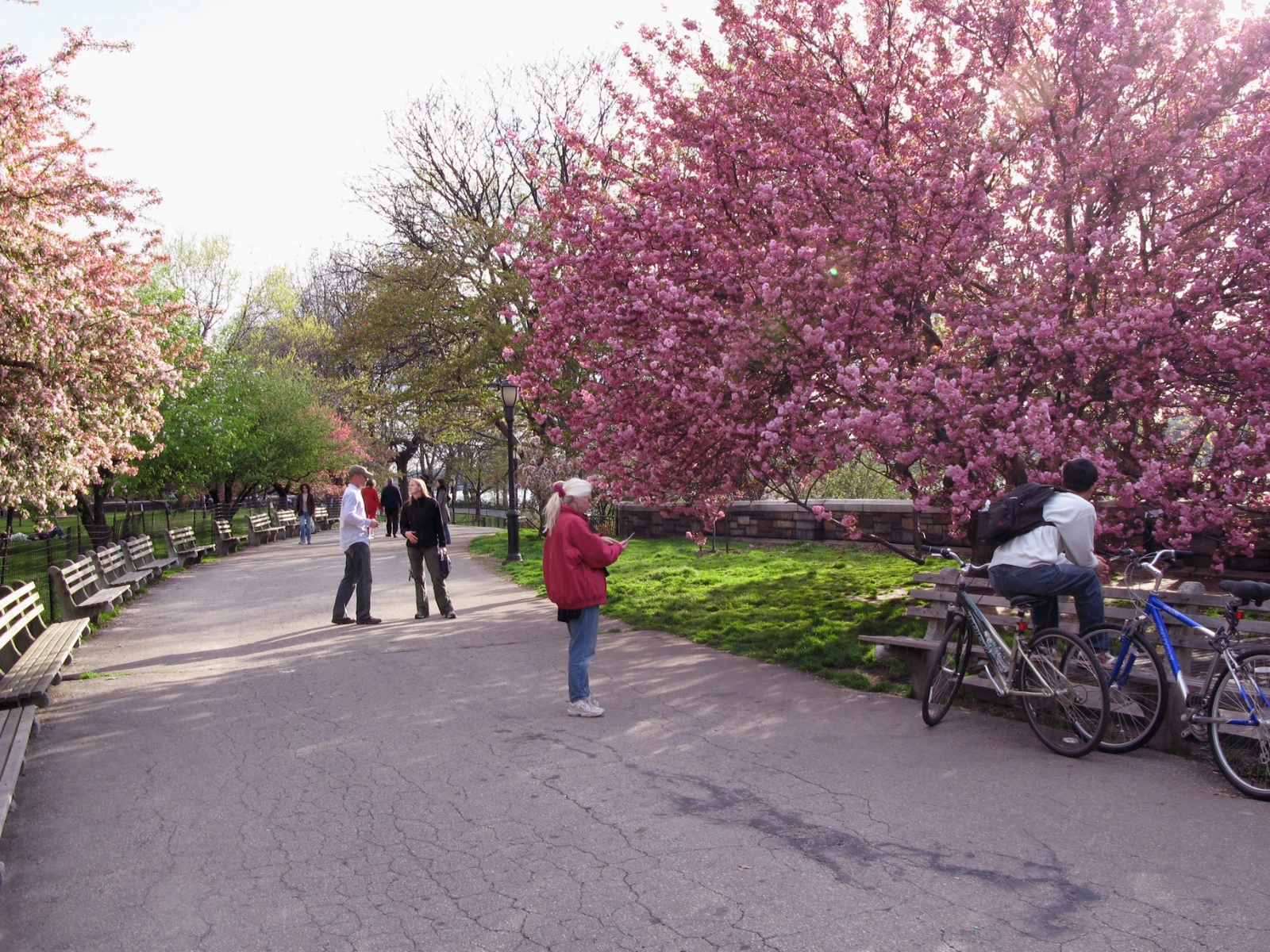
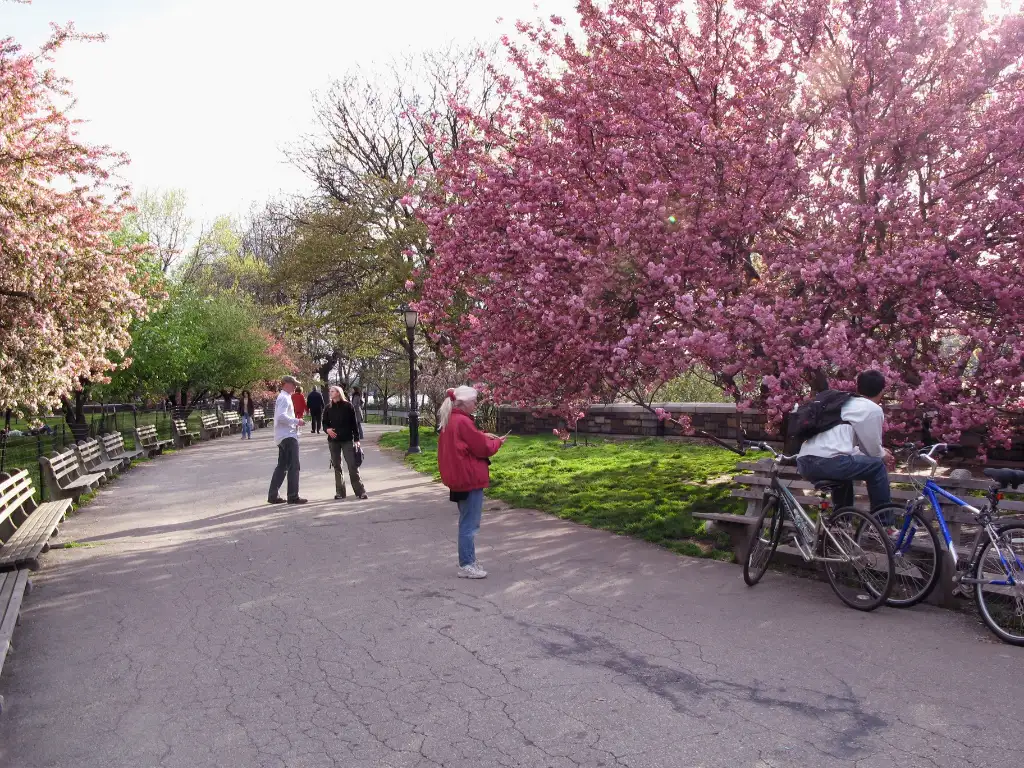
If you're an early riser, the dedicated paths are very popular with cyclists and runners who seek the quiet and calm morning views. You'll find the Cherry Walk, between 100th and 125th Streets, particularly beautiful in spring, lined with 700 cherry trees planted over a century ago.
What is the most famous park in NY?
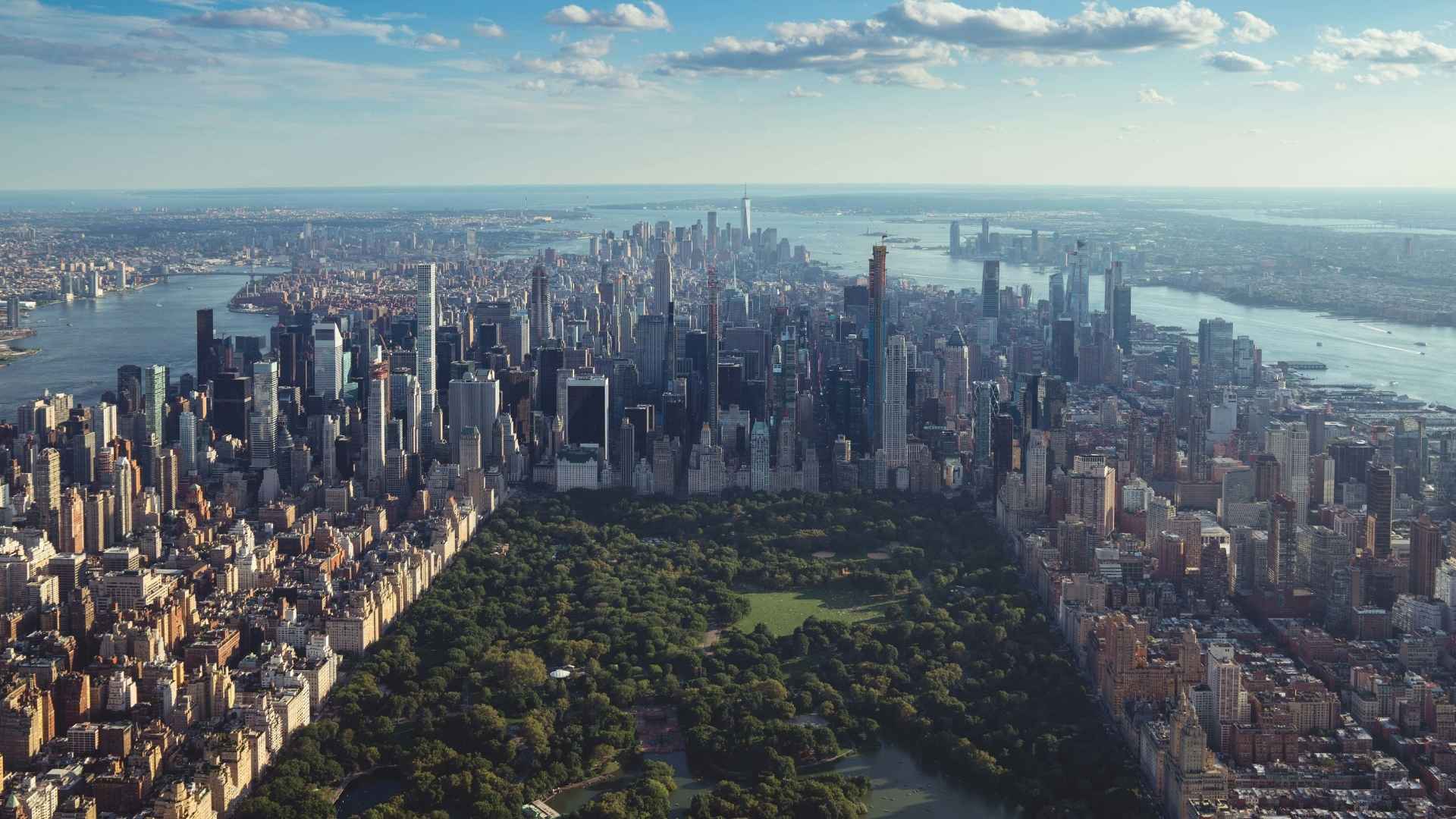
While Riverside Park offers beautiful riverfront serenity, the question of New York's most famous park almost always points to Central Park. This iconic green expanse covers 843 acres, right in the heart of Manhattan. It attracts an estimated 42 million visitors annually, making it the most visited urban park in the United States.
Central Park, like Riverside, was designed by Frederick Law Olmsted and Calvert Vaux. It's a completely man-made landscape, an impressive feat given its natural appearance. Construction even required a greater amount of gunpowder than was used in the Battle of Gettysburg to clear its rocky terrain. This more central, densely packed green space provides a very different energy and atmosphere compared to Riverside Park, which you'll discover more about later.
Which riverside park has the best views?
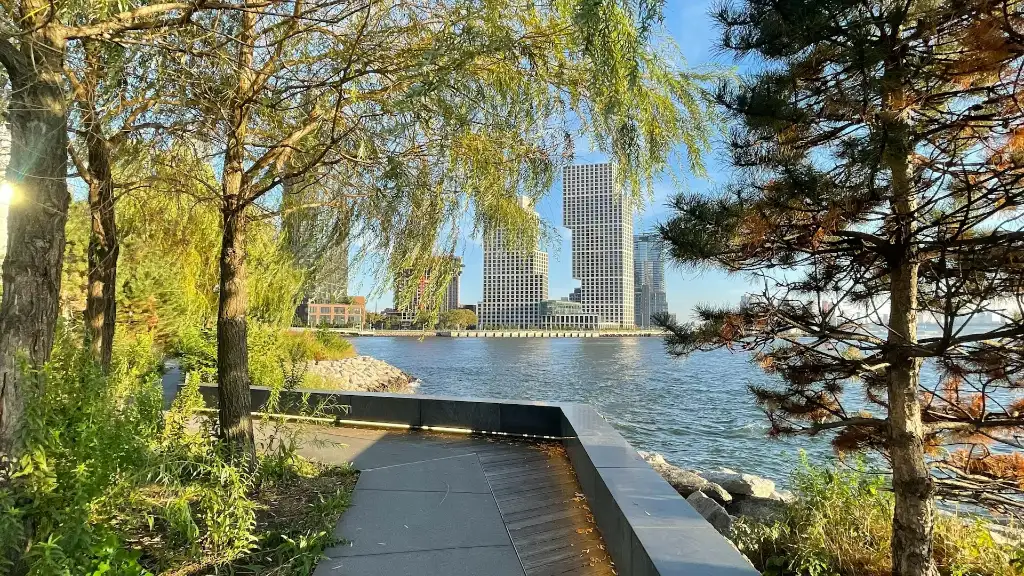
Riverside Park consistently delivers magnificent views along its entire four-mile length. As you walk, you'll constantly see the broad expanse of the Hudson River stretching out before you, with the New Jersey skyline clearly visible on the opposite shore. Frederick Law Olmsted, who also shaped Central Park, designed Riverside with these spectacular vistas in mind; he noted their "magnificent" quality back in 1873.
For particularly stunning experiences, I recommend heading to Riverside Park South, a newer section that feels vibrant and offers some of the most beautiful sunset views over the water. Another excellent spot to catch a picturesque sunset is Pier I, located about nine blocks south of the 79th Street Boat Basin. The promenade at 91st Street might even feel familiar, having gained fame as a romantic meeting place in the movie "You've Got Mail," offering charming river views.
Beyond these wide river panoramas, the park also provides unique perspectives of historical monuments like Grant's Tomb and the Soldiers' and Sailors' Monument, adding visual interest to your strolls.
Is it worth visiting Riverside Park?

Riverside Park offers a distinct New York City experience, especially if you're looking for a peaceful escape with stunning waterfront views. Its main appeal lies in the picturesque promenade along the Hudson, providing breathtaking vistas of the river and the New Jersey skyline, particularly at sunset. You can feel the breeze coming off the water and hear the gentle lapping of waves in quieter spots.
While generally safe during the day, exercise caution in less populated areas after dark. You might also hear some noise from the adjacent Henry Hudson Parkway and the railroad tracks beneath parts of the park. It offers a more "local" feel than Central Park, which might disappoint those expecting a dense array of iconic, postcard-worthy attractions.
Ultimately, the park appeals most to those seeking a tranquil retreat from the city's intensity, a place for activity, history, or quiet reflection.
What else can I do in New York?
Beyond the scenic beauty of Riverside Park itself, New York City's Upper West Side offers many other attractions and experiences.
Within the park's vicinity, you can visit the majestic General Grant National Memorial, the largest mausoleum in North America, its grand scale quite striking. Don't miss the charming 91st Street Community Garden, a small, vibrant green space that felt like a hidden gem when I discovered it, made famous by "You've Got Mail."
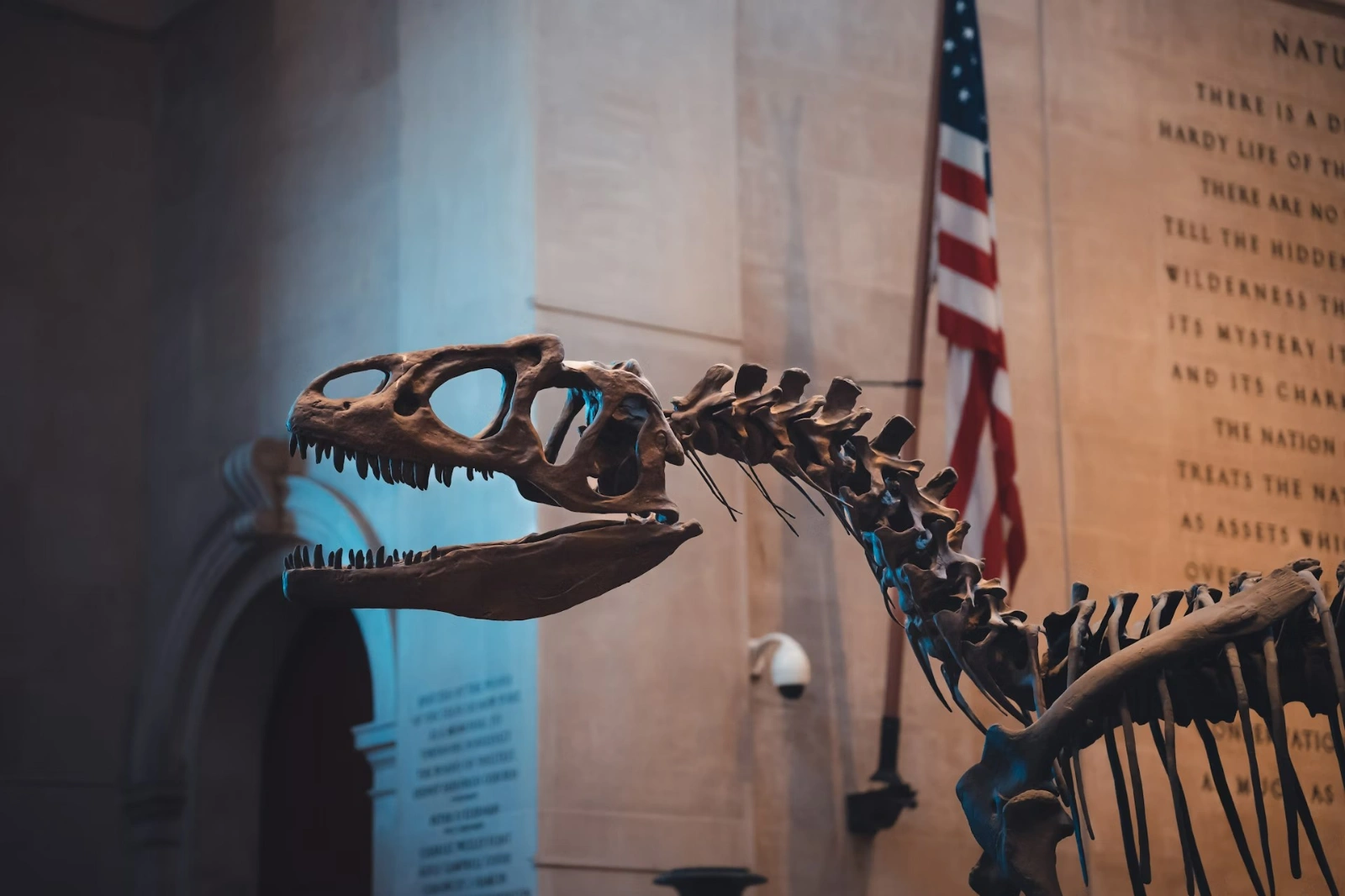
Just a short distance away, you can immerse yourself in history and science at the American Museum of Natural History, a cultural landmark offering everything from towering dinosaur skeletons to the wonders of the Hayden Planetarium. Adjacent to the Upper West Side, Central Park provides another expansive green oasis, perfect for complementing your Riverside Park visit with its iconic landscapes.
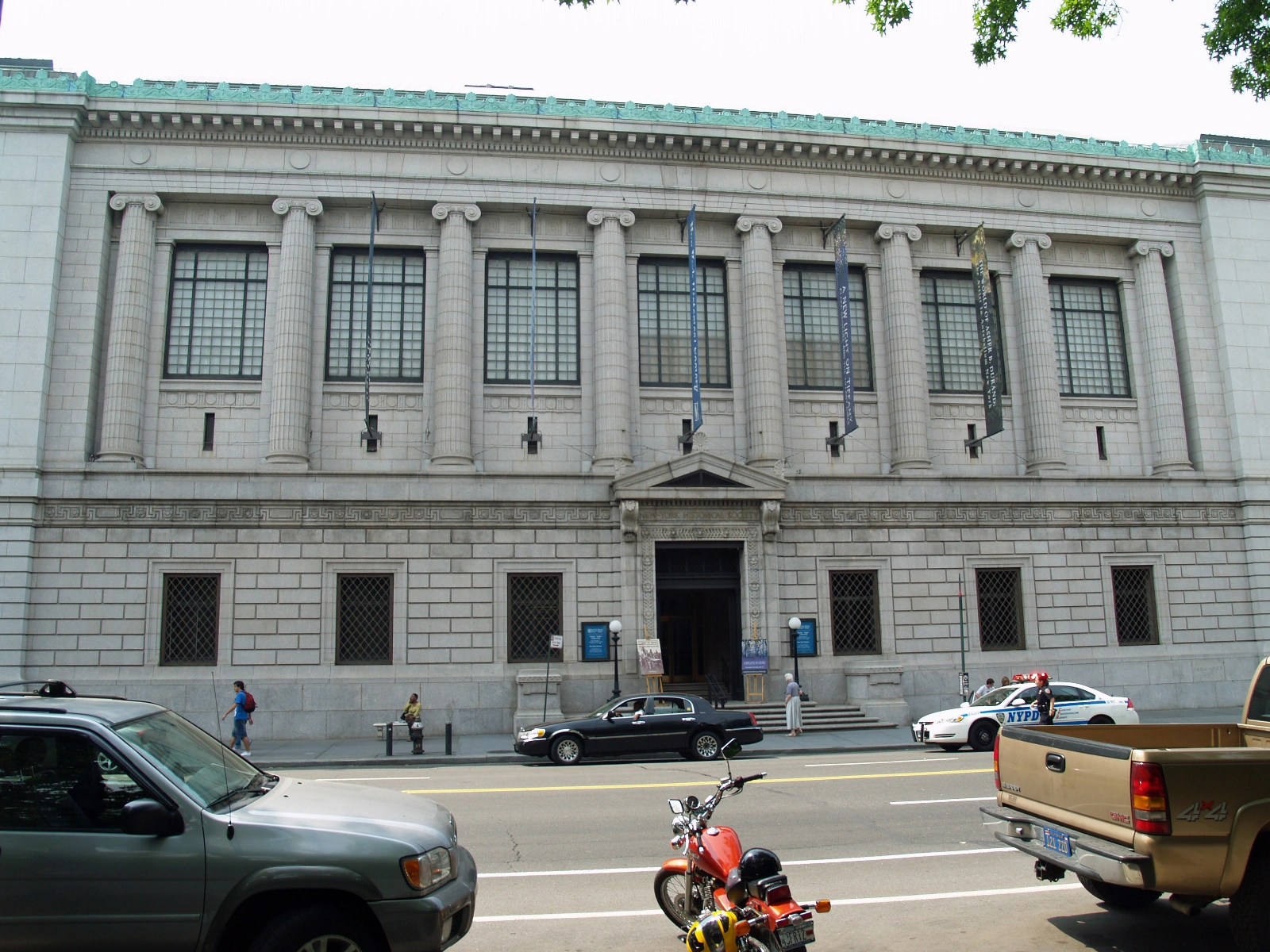
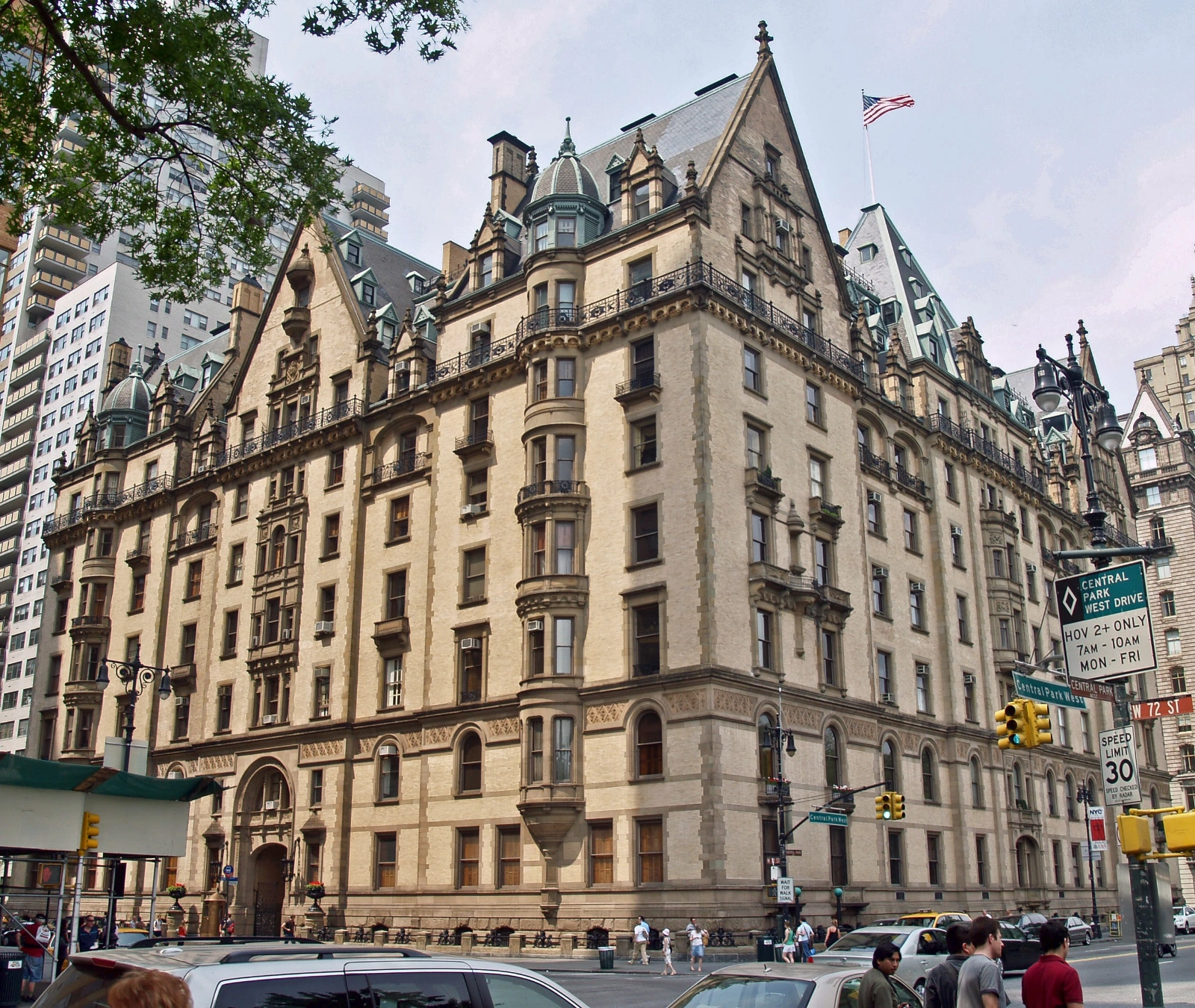
The area is also home to other notable landmarks such as The Dakota New York and the NY Historical Society. For a taste of local flavor, stop by Zabar's, a legendary gourmet food emporium where you can smell fresh bagels and coffee, or indulge in famous cookies from Levain Bakery.
The area truly provides a rich mix of culture, nature, and culinary delights.














.jpg)

.jpg)


















.jpg)


.jpg)





.avif)


