
.webp)


TLDR: Fraunces Tavern, a National Historic Landmark in Lower Manhattan, offers a unique blend of revolutionary history and a vibrant modern pub, famous as the site of George Washington's farewell and a hub for Founding Fathers like Hamilton. It's a must-visit for anyone seeking a tangible connection to America's birth, featuring a museum upstairs and a lively tavern downstairs.
Stepping into Fraunces Tavern in Lower Manhattan isn't just walking into another New York bar; it's like opening a portal to America's revolutionary past. As a traveler who appreciates places that truly tell a story, I found this spot to be an absolute treasure.
If you're planning a trip Lower Manhattan and want to experience history that feels alive, you'll want to read on. I'll share what I saw, heard, and even tasted, giving you practical insights into this historic gem and what makes it such a compelling visit.
What is the story behind Fraunces Tavern?

The building itself started life in 1719 as a grand private residence. Imagine those early days, pre-revolution, when New York was a much smaller place. It transformed into Samuel Fraunces' tavern in 1762, and that's when things really heated up. It quickly became a crucial meeting spot, a place where the Sons of Liberty would gather in secret, whispering defiance against British rule. The New York Chamber of Commerce was even founded here.
You can almost feel the tension in the air as I stood there, thinking about 1775 when a British cannonball actually tore through its roof. It reminds you how real the fight for independence was. But perhaps its most famous moment, one that resonates deeply, occurred on December 4, 1783. This was the scene of George Washington's emotional farewell to his officers, just days after the last British troops left American soil.
Beyond that, the tavern briefly served as the new nation's first executive governmental building, housing departments like Foreign Affairs. It also witnessed the "Birch Trials," which led to the freedom of many Black Loyalists after the war. This place really is a tangible link to countless personal sacrifices that shaped a nation.
What happened at Fraunces Tavern in New York?
Beyond its foundational story, Fraunces Tavern was a hive of activity during the Revolutionary War and its aftermath. Picture this: it was originally a private home in 1719, then became a tavern in 1762, almost immediately becoming a magnet for Patriots. People like Samuel Adams and Alexander Hamilton were regulars, plotting and strategizing within its walls.
The most iconic event, which I mentioned earlier, was George Washington's farewell to his officers in the Long Room on December 4, 1783. This emotional goodbye signaled the official end of the Revolutionary War. Another significant, though less frequently talked about, event was the Birch Trials in 1783. These trials were instrumental in documenting and helping thousands of Black Loyalists gain their freedom and evacuate.
And yes, a British cannonball did crash through the roof in 1775 – a dramatic moment during the conflict. After the war, the tavern even housed early federal government offices from 1785 to 1788, when New York City briefly served as the nation's capital. Today, you can still experience a part of that living history, which leads me to what makes it so well-known.
What is Fraunces Tavern famous for?

Fraunces Tavern holds a special place in American history, largely due to its significant role during and after the Revolution. It's widely known as a central gathering point for Patriot activities. Imagine the likes of Samuel Adams, John Hancock, and Paul Revere meeting here, making plans that would shape a country.
The most celebrated event, of course, is George Washington's heartfelt farewell to his officers on December 4, 1783, following the British departure from New York City. This moving scene played out in the Tavern's Long Room upstairs. It's also recognized for briefly housing the first federal offices for Foreign Affairs and War.
A fascinating tidbit many don't know: Alexander Hamilton and Aaron Burr reportedly dined here together just a week before their infamous duel. When you visit today, you're dining in a space steeped in these legendary American moments, an experience that definitely gives you a sense of who walked these halls.
Did Hamilton eat at Fraunces Tavern?
Absolutely, Alexander Hamilton was a frequent visitor to Fraunces Tavern. He often came here as early as 1776 when he was a captain in the Continental Army stationed in New York. The tavern served as a popular meeting spot for both American and, surprisingly, British officers during the war.
Beyond casual visits, the tavern was a setting for Hamilton's important work. In 1783, he held negotiations here with British General Sir Guy Carleton, working to finalize the terms at the end of the Revolutionary War. You can stand in rooms where such high-stakes diplomacy occurred.
The somber footnote I mentioned earlier also happened here: Hamilton and Aaron Burr attended a Society of Cincinnati meeting at Fraunces Tavern on July 4, 1804, just one week before their fatal duel. As you walk through, you can easily imagine Hamilton's presence, debating and shaping the future of a new nation within these very walls.
What did George Washington do at Fraunces Tavern?

George Washington's connection to Fraunces Tavern is profound and truly iconic. His most famous act here, as we've noted, was his emotional farewell to his officers at the close of the Revolutionary War. On December 4, 1783, with the British gone from New York, Washington gathered his Continental Army officers in the tavern's Long Room. He expressed his deep gratitude and said his goodbyes before returning to his farm. It was a truly defining moment for the young nation, often referred to as the "turtle feast" due to the grand dinner that accompanied it.
But that wasn't his only visit. Washington had dined here as early as April 1776, recognizing the establishment's support for the Patriot cause. It even served as a temporary headquarters for him during peace negotiations with the British. An intriguing, less-known detail suggests that Samuel Fraunces, the tavern's owner, might have even helped thwart a plot to poison Washington. Standing in those rooms, you can feel the weight of these crucial decisions and personal moments.
What is the oldest pub in New York history?
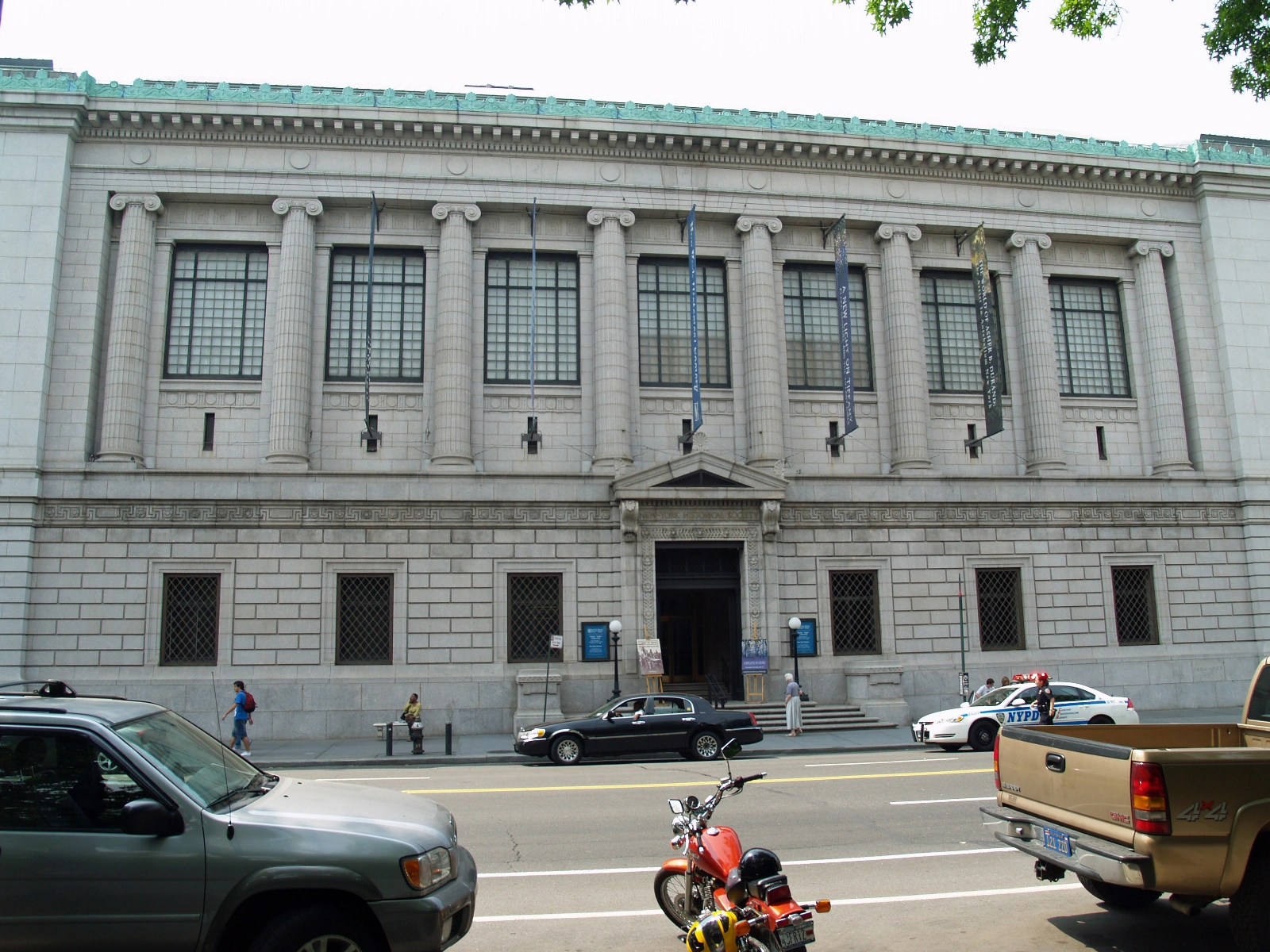
Fraunces Tavern proudly holds the title of New York's oldest and most historic bar and restaurant. While the building itself dates back to 1719, it began operating as a tavern in 1762 when Samuel Fraunces converted it into the Queen's Head Tavern.
Its age isn't just a number; it signifies its deep roots in American history. It was a vital meeting place for the Sons of Liberty and, of course, hosted George Washington for his famous farewell to his officers in the Long Room. A lesser-known but equally significant fact is that the New York Chamber of Commerce was founded right here in 1768. Today, it remains a bustling pub alongside its museum, letting you literally step into centuries of history with every visit.
Is Fraunces Tavern worth visiting?

Absolutely, Fraunces Tavern is definitely worth your time, especially if you have any interest in American history or just enjoy a good, atmospheric pub. It brilliantly combines a historical museum with a lively, active tavern and restaurant.
As one of Manhattan's oldest structures, the building itself is a piece of living history. Upstairs, the museum houses Revolutionary War artifacts and period rooms, including the famous Long Room where Washington said his goodbyes. Downstairs, the historic tavern delivers a colonial ambiance, serving drinks and classic American pub food, often with live music.
While it can get busy, especially during peak hours, the atmosphere is electric and the sense of history palpable. To make sure you don't miss any of the fascinating details amidst the crowds, a tool like StoryHunt can be invaluable, offering audio narratives that guide you through its rich history at your own pace. You can truly immerse yourself in the stories of Hamilton and Burr dining there a week before their duel, or the founding fathers plotting a revolution.
What else can I do in New York?
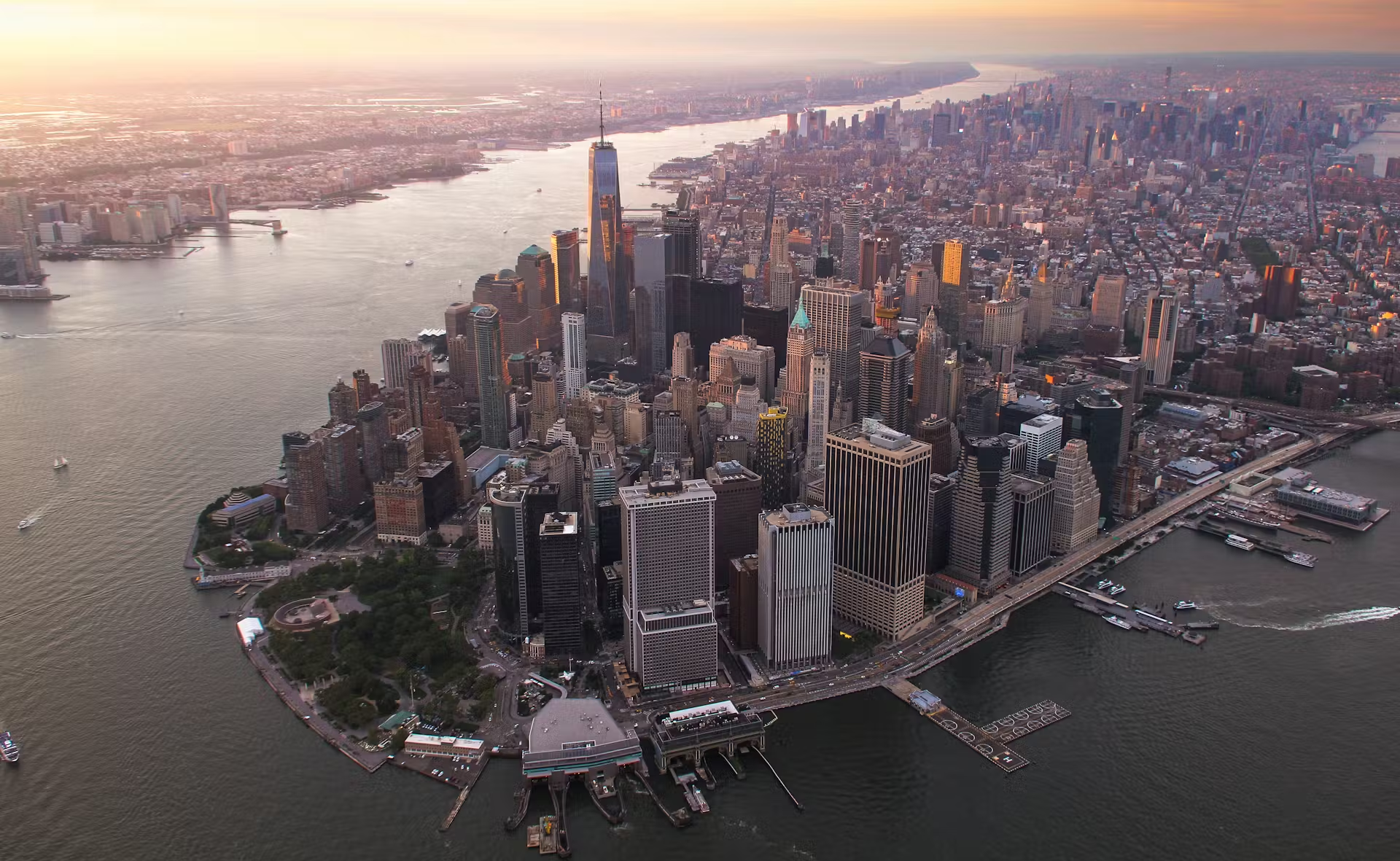
Visiting Fraunces Tavern is an excellent start, as it anchors you in Lower Manhattan's rich historical tapestry. From here, many other significant sites are just a short walk away, letting you continue your journey through history.
Here are a few suggestions to round out your historical exploration:
- Federal Hall National Memorial: Walk just a few blocks to stand on the spot where George Washington took his oath as the first U.S. President. It's a powerful echo of the revolutionary era.
- Stone Street: Step onto one of New York's oldest paved streets. Now a vibrant, pedestrian-only area, it's lined with historic buildings that house charming restaurants and bars. It’s perfect for a meal or a drink, and you can almost feel the cobblestones underfoot tell their own story.
- National Museum of the American Indian: Housed in the stunning Alexander Hamilton U.S. Custom House near Bowling Green, this free museum offers a deep dive into Native American cultures and history.
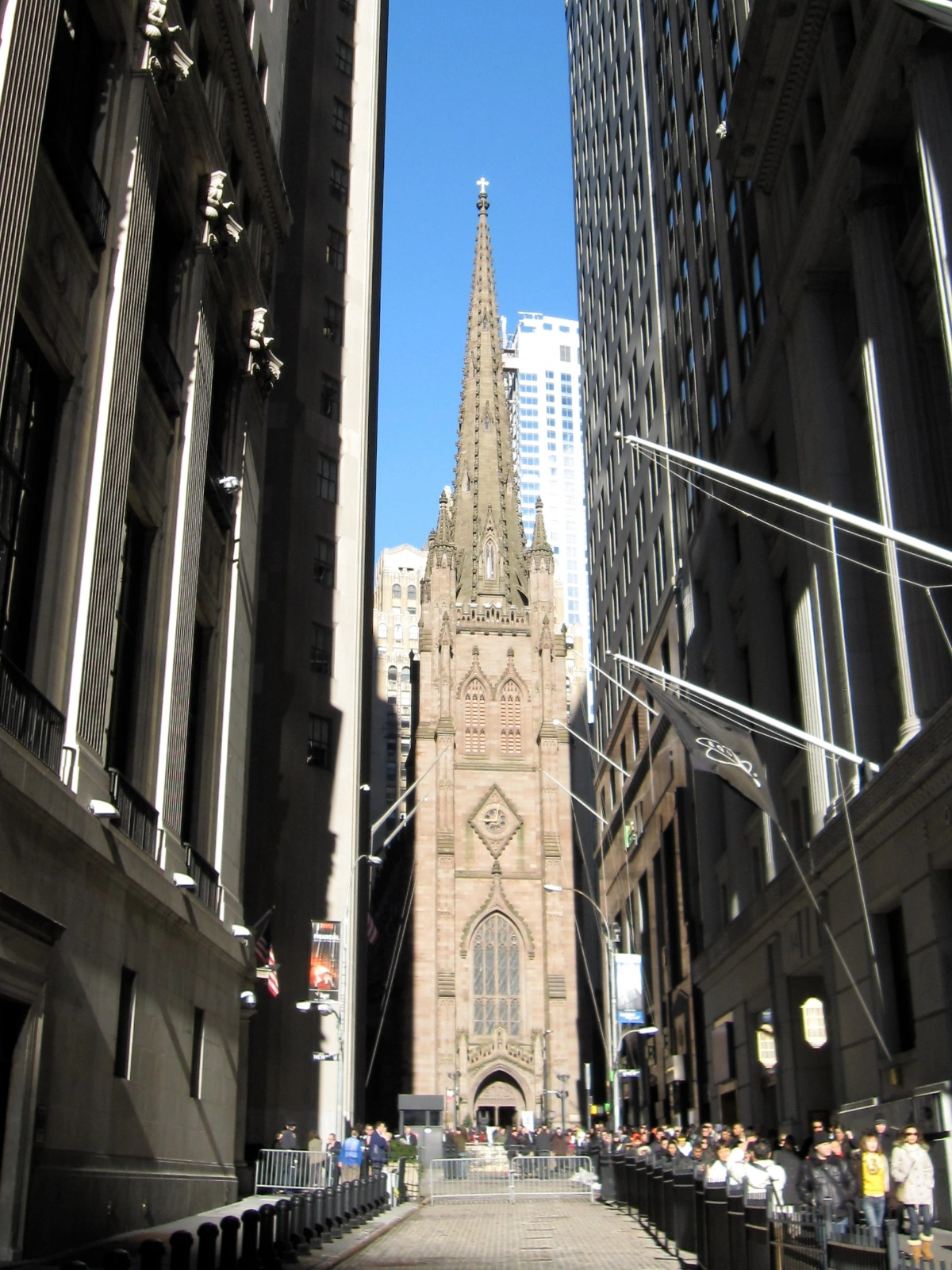
- Trinity Church and Cemetery: Pay your respects at the final resting place of Alexander Hamilton and other key historical figures. It's an iconic churchyard, a peaceful haven amidst the Financial District's energy.
- Battery Park: From this historic waterfront park, you can enjoy stunning views of the harbor and even catch the Staten Island Ferry to see the Statue of Liberty.
- Charging Bull: A short walk will also bring you to the iconic "Charging Bull" sculpture, a symbol of American financial optimism, which is very close to Fraunces Tavern.
And if you're looking for a companion to unlock even more of the city's secrets, downloading the StoryHunt app is a smart move. It provides engaging audio stories for countless spots, transforming your wander into a truly guided historical experience, making sure every street corner has a tale to tell.





.jpg)


.jpg)







.jpg)




.jpg)

















.avif)


