.webp)

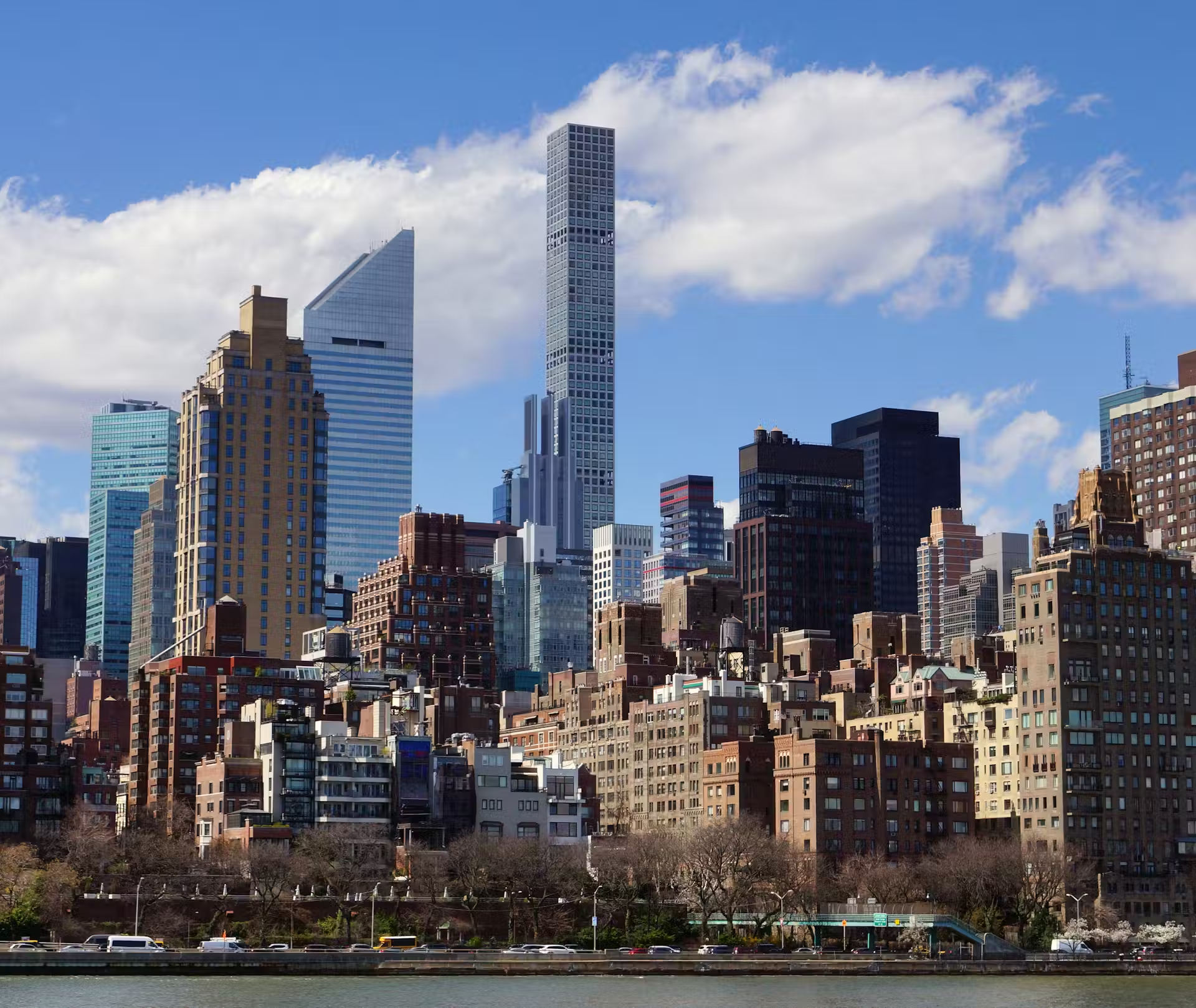
TLDR: Midtown Manhattan packs NYC's biggest attractions into walkable blocks: Empire State Building, Times Square, Broadway theaters, MoMA and more. Budget 2-4 days to explore properly. Observation decks cost $40-50, Broadway tickets run $50-300+, and walking the streets is free.
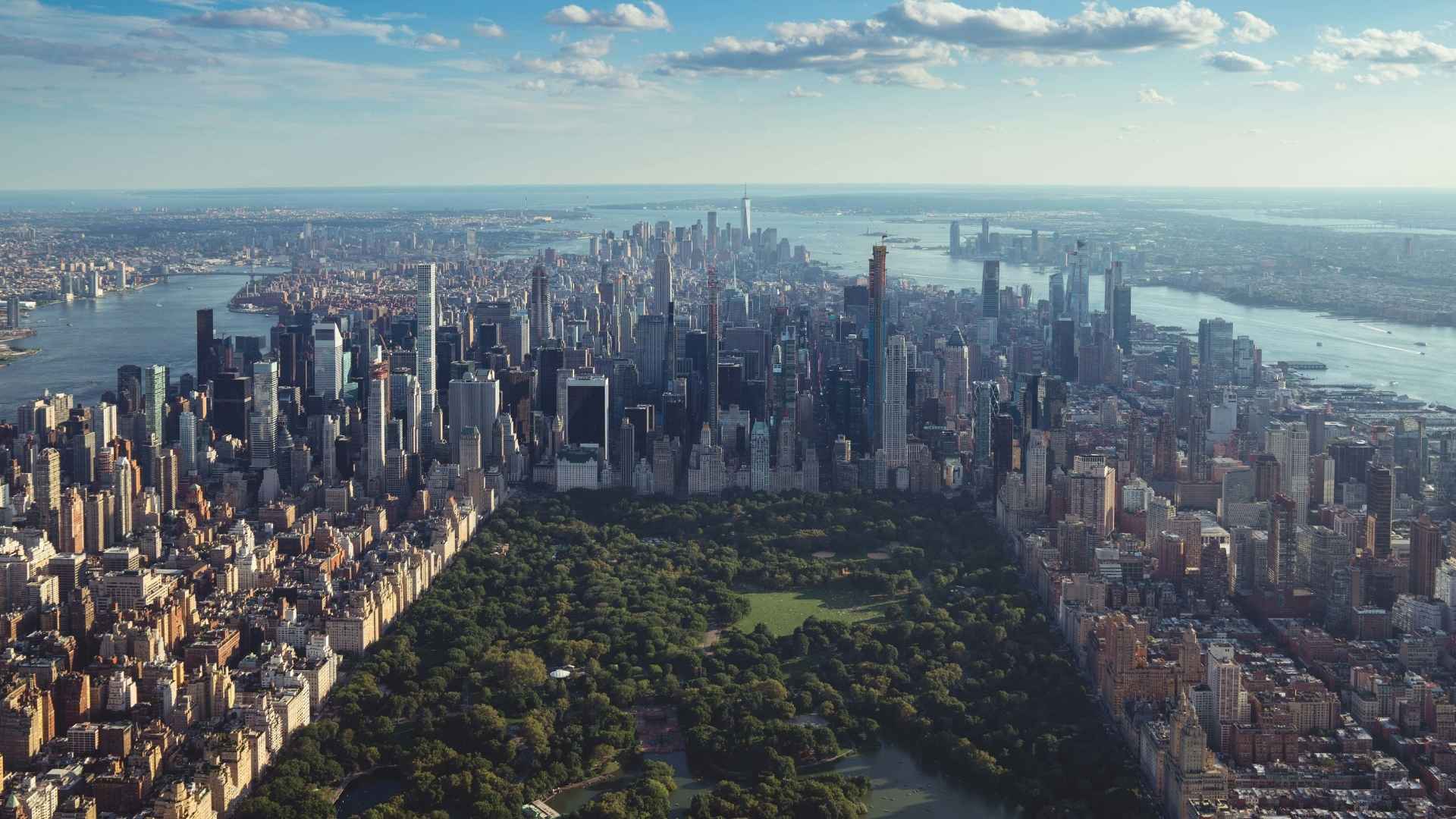
Midtown Manhattan is where New York becomes everything you've seen in movies. The towering skyscrapers, the crowded sidewalks, the impossible energy. After spending serious time exploring these blocks, I've figured out which attractions actually deliver and which ones waste your time and money.
This part of the city can overwhelm first-timers. You've got observation decks competing for your attention, museums fighting for your afternoon, and Broadway shows vying for your evening. The good news? Most of it is actually worth experiencing.
Here's what matters, what to skip, and how to make the most of Midtown.
1. Empire State Building

The Empire State Building remains the most recognizable building in New York for good reason. Standing on the 86th-floor observation deck 320 meters above the street hits different than any photo could prepare you for. The Art Deco details throughout the building, from the lobby murals to the elevator doors, make the journey upward feel like time travel.
General admission starts around $46 for the 86th floor, with the 102nd floor adding about $35. Early morning visits (around 10 AM) offer shorter lines and clearer air. Sunset draws crowds but the transformation from daylight to city lights justifies the wait. Allow 60-90 minutes total.
**Did You Know? **The 200-foot tower on top was originally designed as a docking station for airships, though only one blimp ever successfully docked there due to dangerous updrafts.
2. Grand Central Terminal
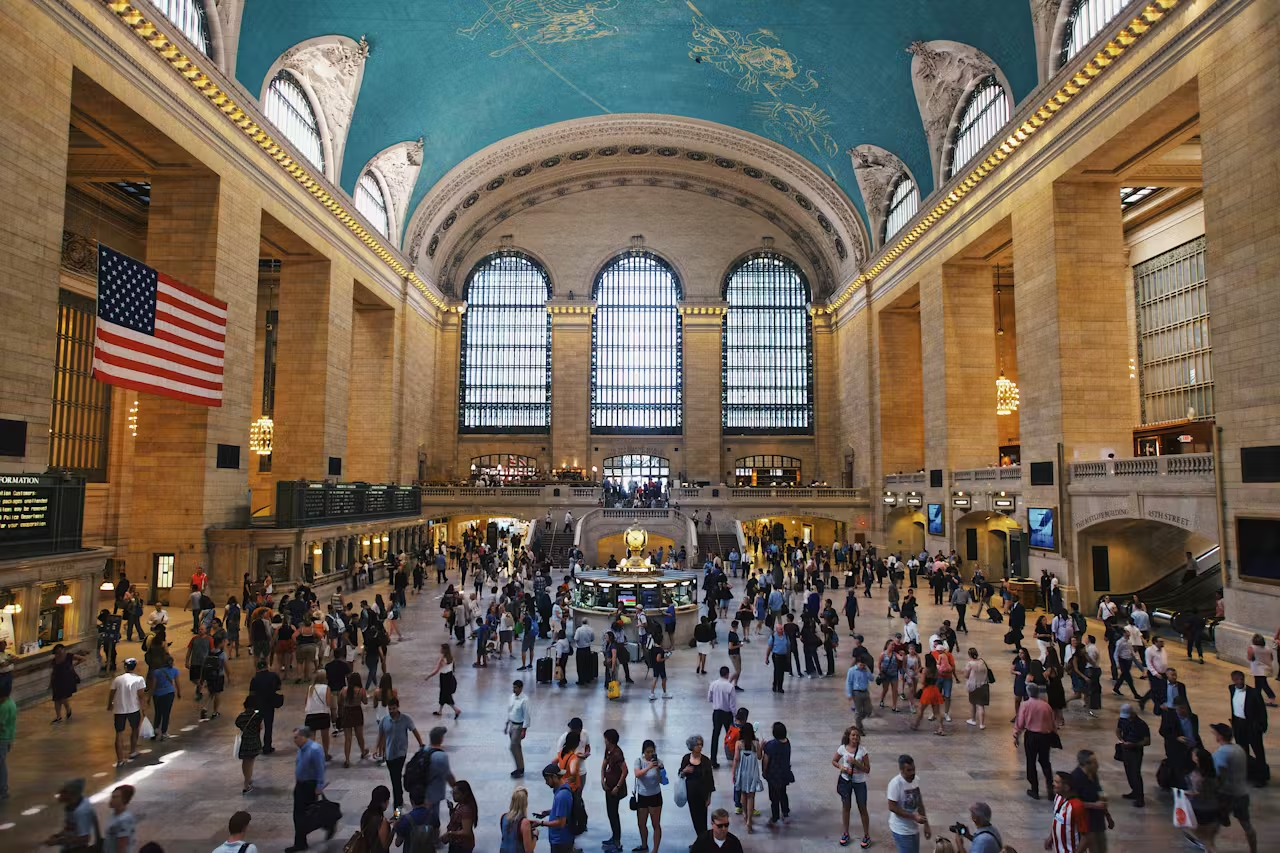
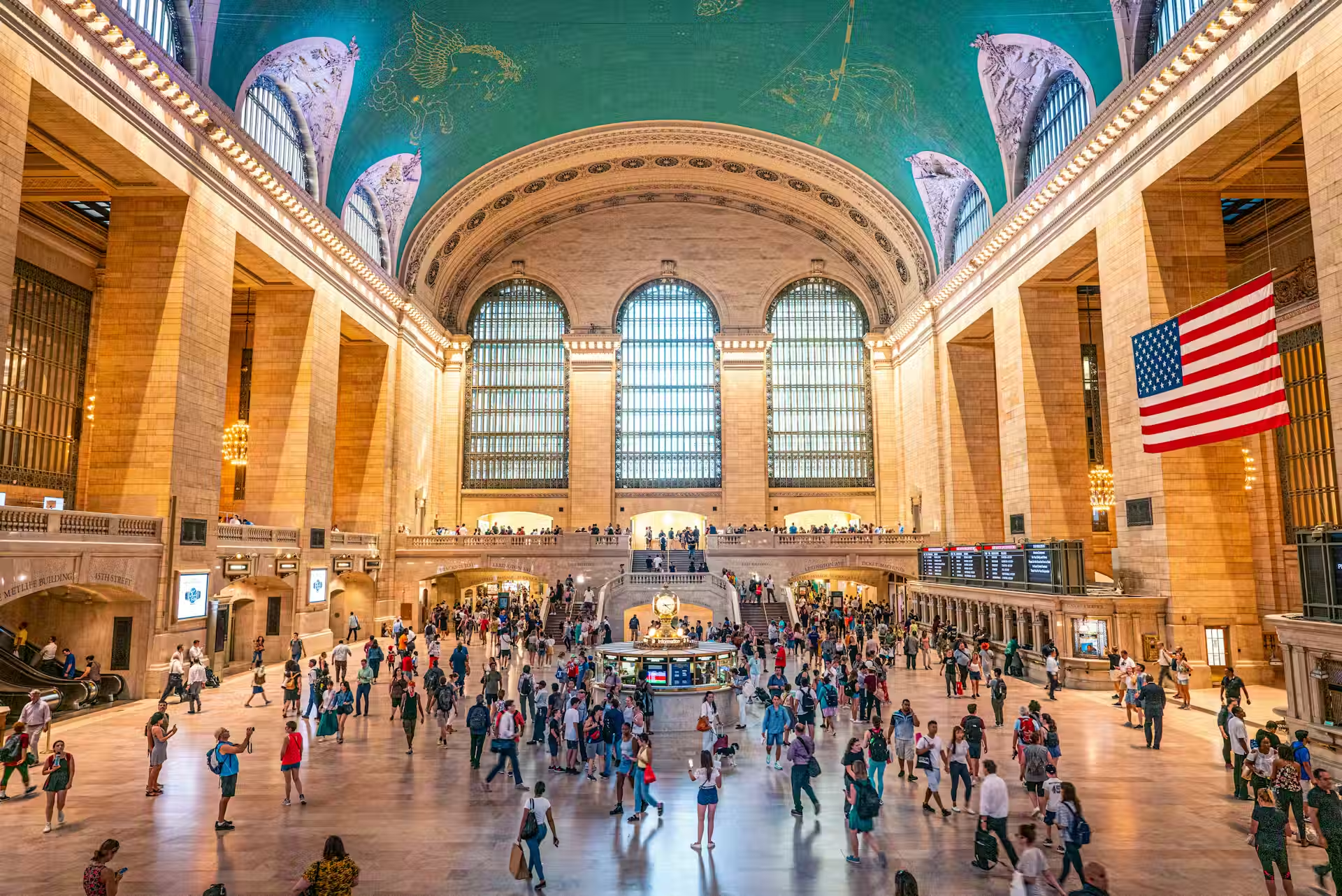
Grand Central Terminal opened in 1913 and remains one of the world's most beautiful train stations. The Main Concourse ceiling, painted with zodiac constellations, spans 125 feet high. You can wander through for free, grab an oyster at the famous Oyster Bar, or just watch thousands of commuters cross the marble floor.
The terminal serves 67 million passengers annually and has 44 platforms, more than any other train station worldwide. In January 2023, Grand Central Madison opened beneath the terminal, adding Long Island Rail Road service. The Whispering Gallery near the Oyster Bar restaurant creates an acoustic quirk where you can hear whispers from across the arched space.
**Did You Know? **Jacqueline Kennedy Onassis led the campaign that saved Grand Central from demolition in the 1970s, resulting in a Supreme Court case that protected historic buildings nationwide.
3. Times Square
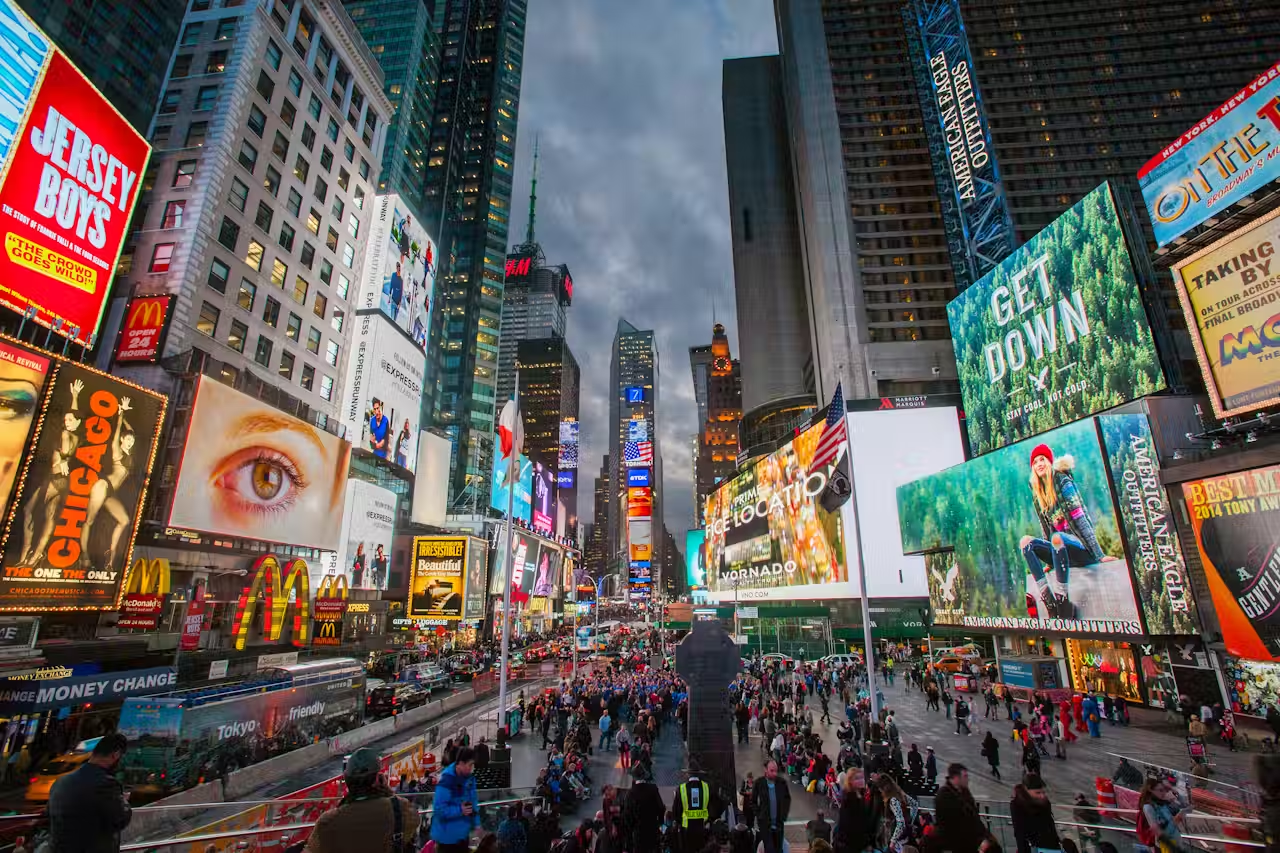
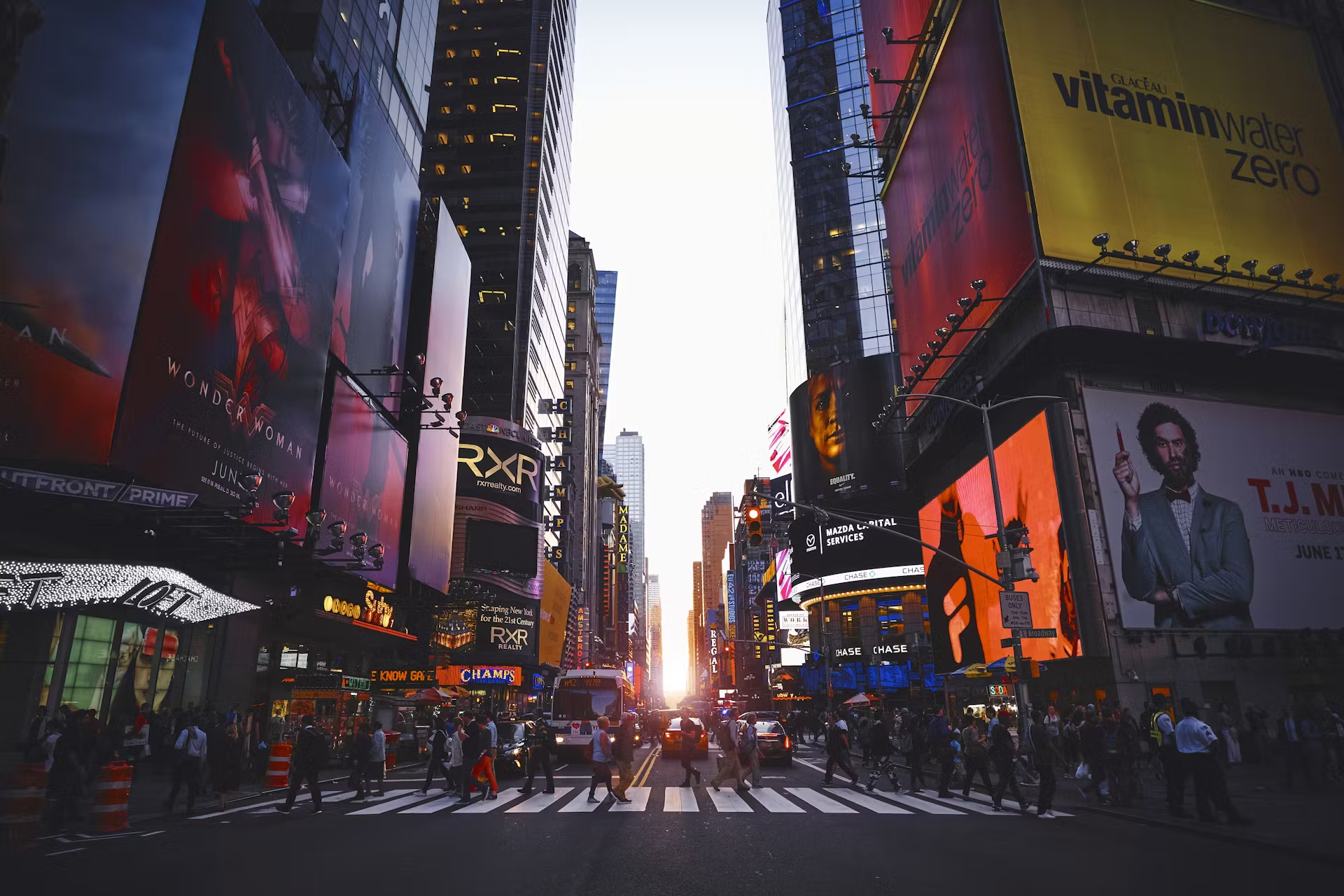
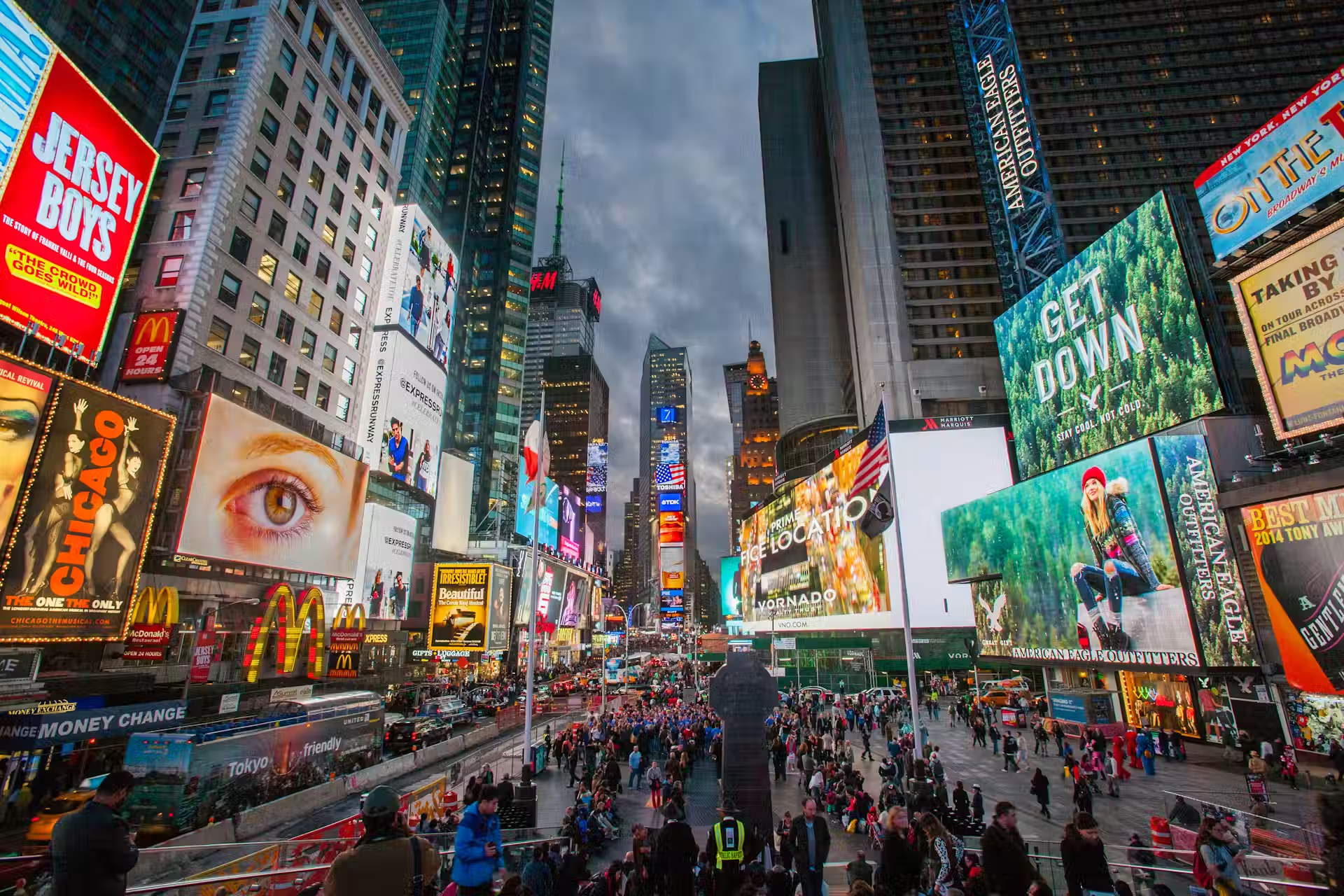
Times Square polarizes visitors. Some find the sensory overload exhausting. Others love the energy. I think everyone should experience it at least once, preferably at night when the LED billboards turn the intersection into permanent daylight. It's loud, crowded, and overwhelming in a distinctly New York way.
Walking through is completely free. Skip the chain restaurants lining the streets and head to Hell's Kitchen on 9th Avenue for better food at lower prices. Watch for costume characters who demand money for photos. The TKTS booth in Duffy Square sells same-day Broadway tickets at 20-50% off, with lines typically shorter in the evening.
**Did You Know? **Only three of Broadway's 41 theaters are actually located on the street called Broadway, including the Winter Garden and Palace Theatre.
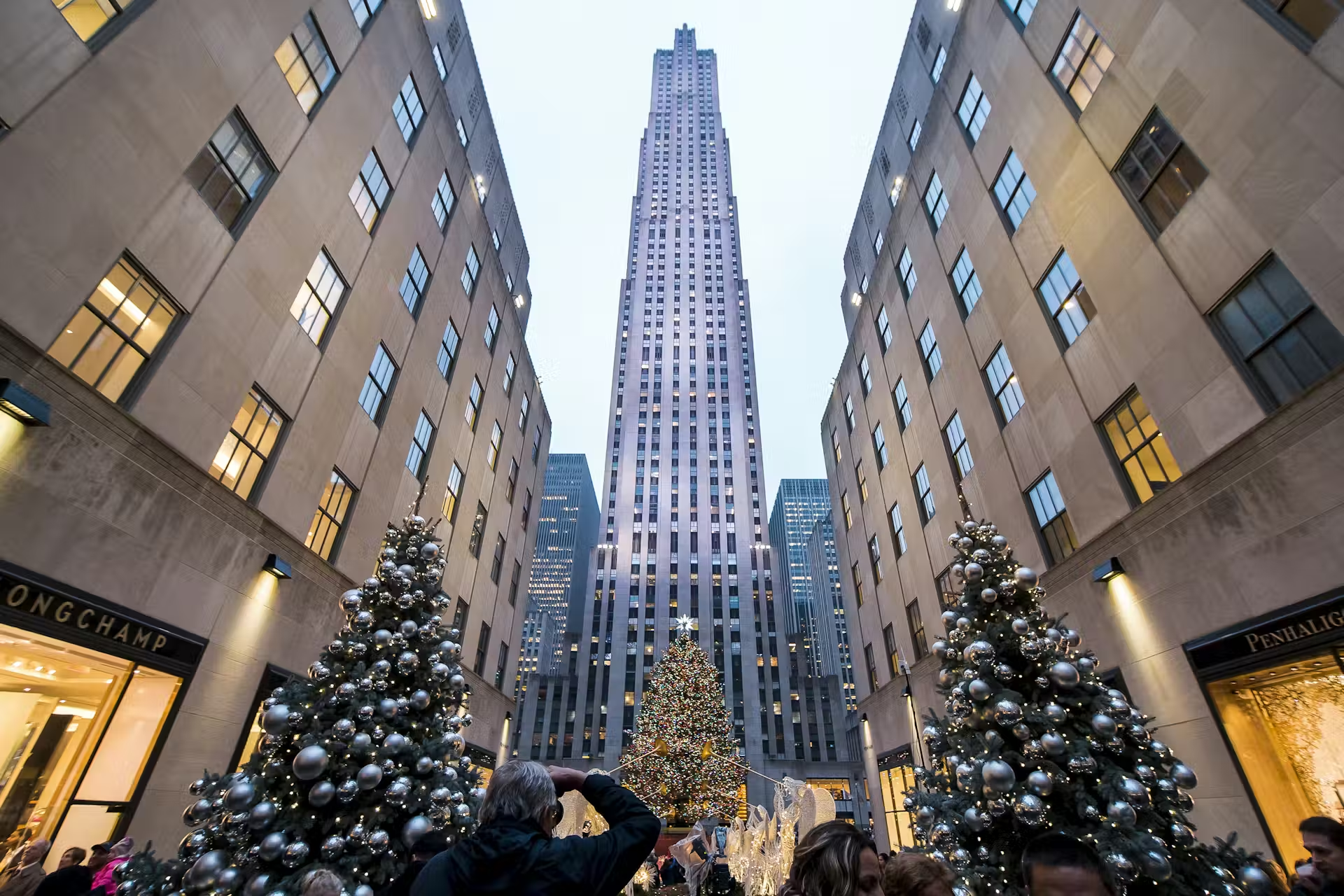
4. Top of the Rock at Rockefeller Center
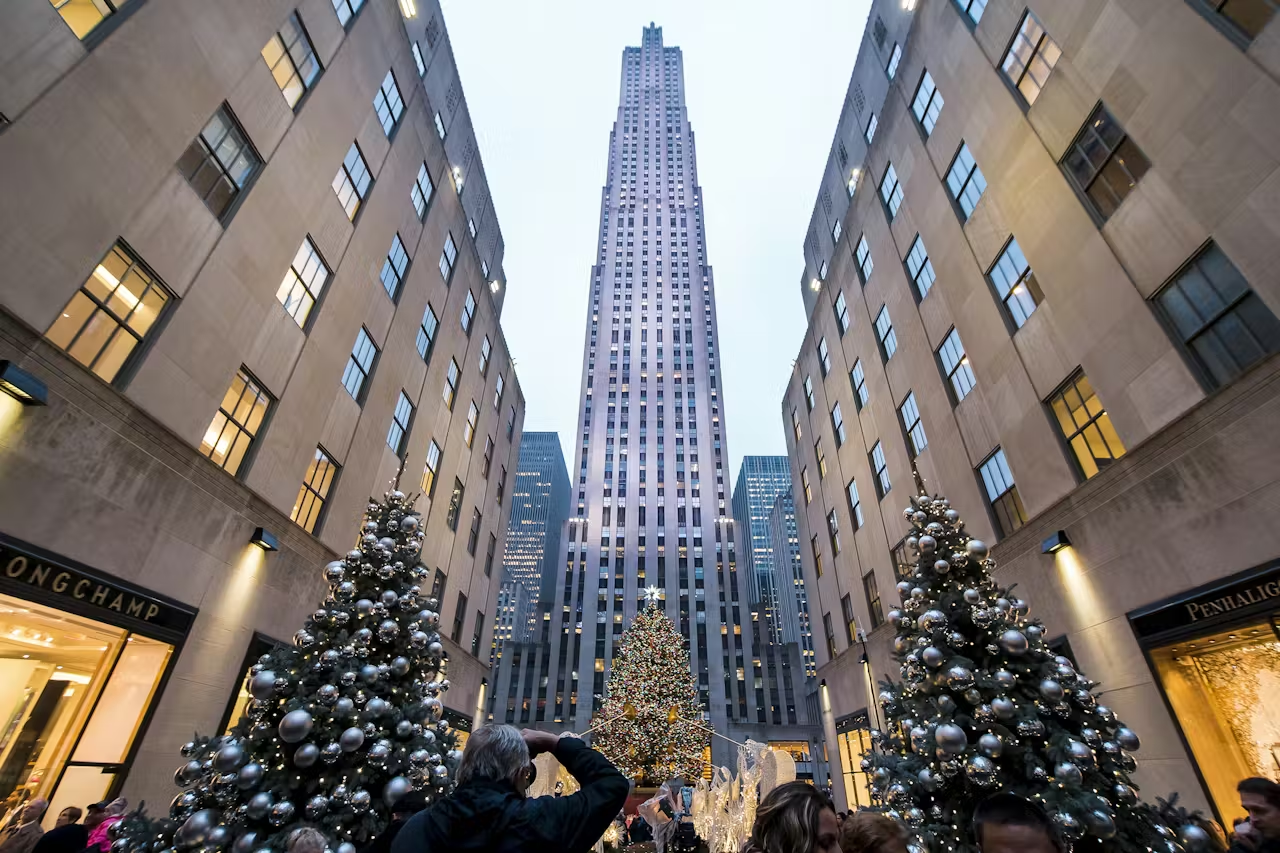
Top of the Rock at Rockefeller Center offers something the Empire State Building cannot: a view that includes the Empire State Building. The observation decks span floors 67-70, with nearly 10,000 square feet of outdoor viewing space. The open-air 70th-floor rooftop has no glass or metal enclosures, making it the best spot for photography.
General admission starts around $40, with timed entry reducing wait times. The newly added Skylift takes visitors three stories above the 70th floor on a revolving glass platform for an additional $35. Visit 60-90 minutes before sunset to capture both daylight and nighttime views. The 43-second elevator ride includes an immersive visual experience.
**Did You Know? **The famous "Lunch Atop a Skyscraper" photo showing construction workers eating on a beam 850 feet above Manhattan was taken during Rockefeller Center's construction in 1932.
5. Museum of Modern Art (MoMA)
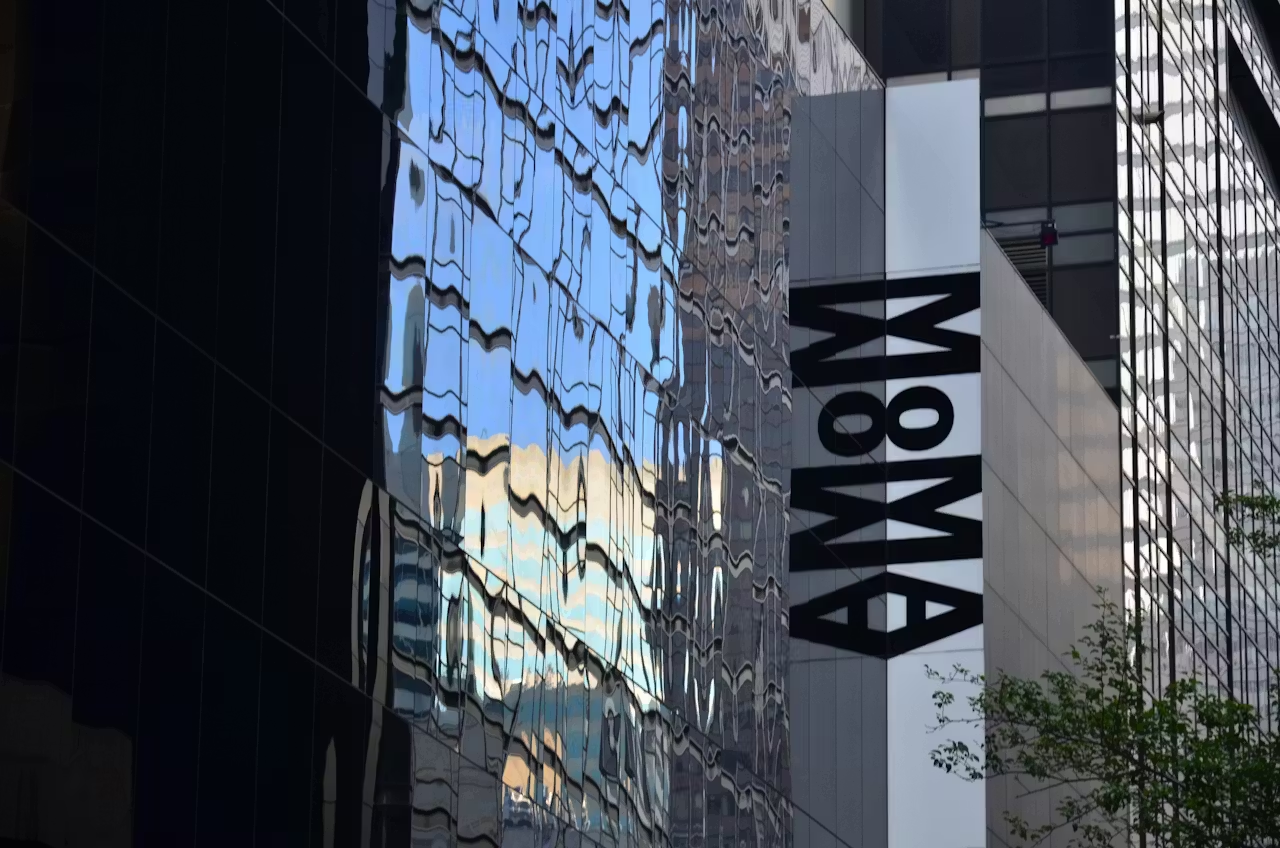
MoMA houses one of the world's most important modern art collections, including Van Gogh's "The Starry Night," Picasso's "Les Demoiselles d'Avignon," and Warhol's "Campbell's Soup Cans." The six-floor museum spans painting, sculpture, film, photography, and design. The Sculpture Garden offers a peaceful outdoor break.
Adult admission is $30 at the door, $28 online. Children under 16 enter free. New York State residents get free admission on Fridays from 5:30-8:30 PM (advance tickets required). Allow 2-3 hours minimum. The checkroom can get busy, so travel light. Free audio guides accessible via smartphone enhance the experience significantly.
**Did You Know? **MoMA's collection includes nearly 200,000 works, though only a fraction are on display at any time, making repeat visits worthwhile.
6. Broadway Shows
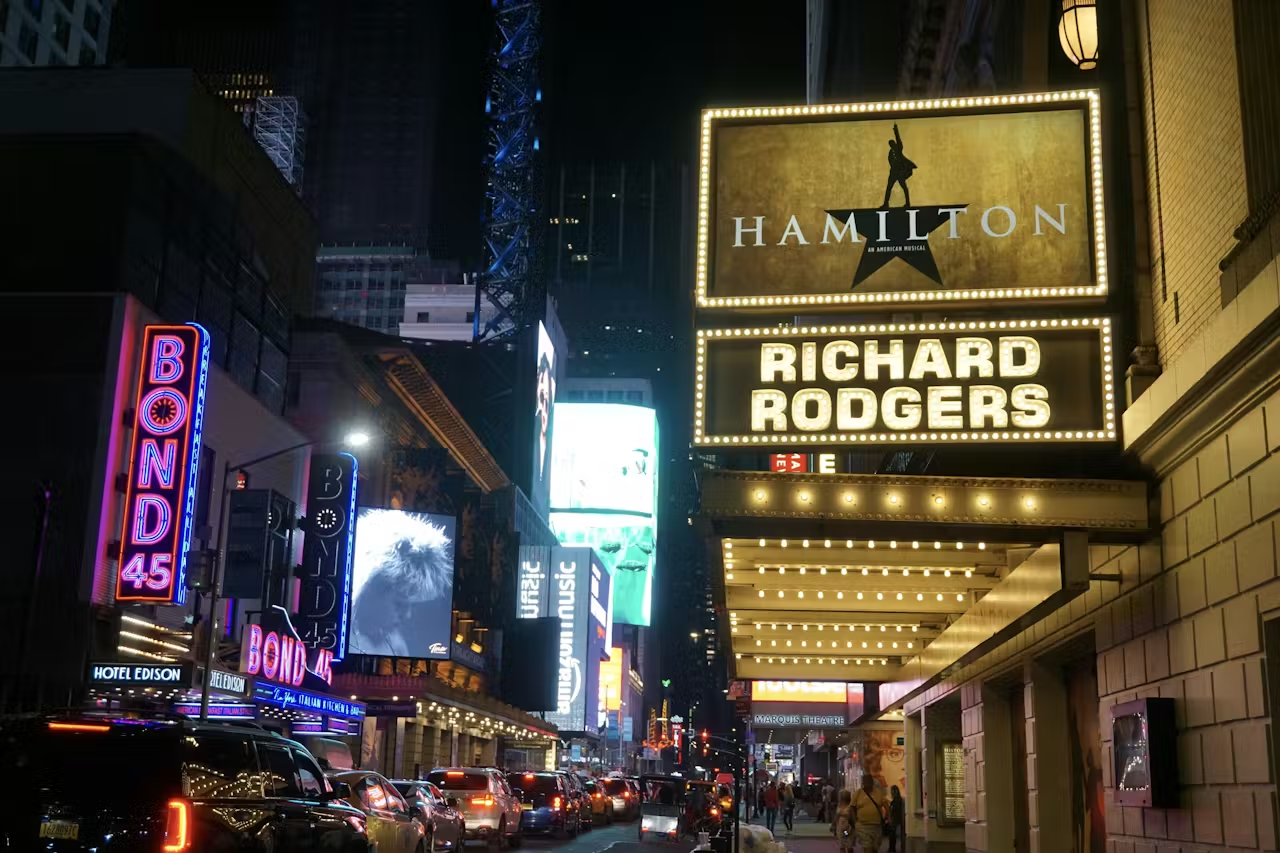
Broadway defines Midtown entertainment. The 41 theaters clustered between 41st and 54th Streets present everything from blockbuster musicals to intimate dramas. "The Lion King" and "Chicago" have run for decades, while new shows debut constantly. The quality consistently surpasses anything you'll see elsewhere.
Tickets range from $50 for discount seats to $300+ for premium positions at popular shows. The TKTS booth in Times Square offers same-day discounts of 20-50% on select shows. Many theaters offer rush tickets or digital lotteries for $30-40. Shows typically run 90 minutes to 3 hours. Matinees on Wednesday and weekends often sell out more slowly than evening performances.
**Did You Know? **Chicago, which reopened in 1996, is the longest-running American musical in Broadway history, overtaking A Chorus Line in 2011.
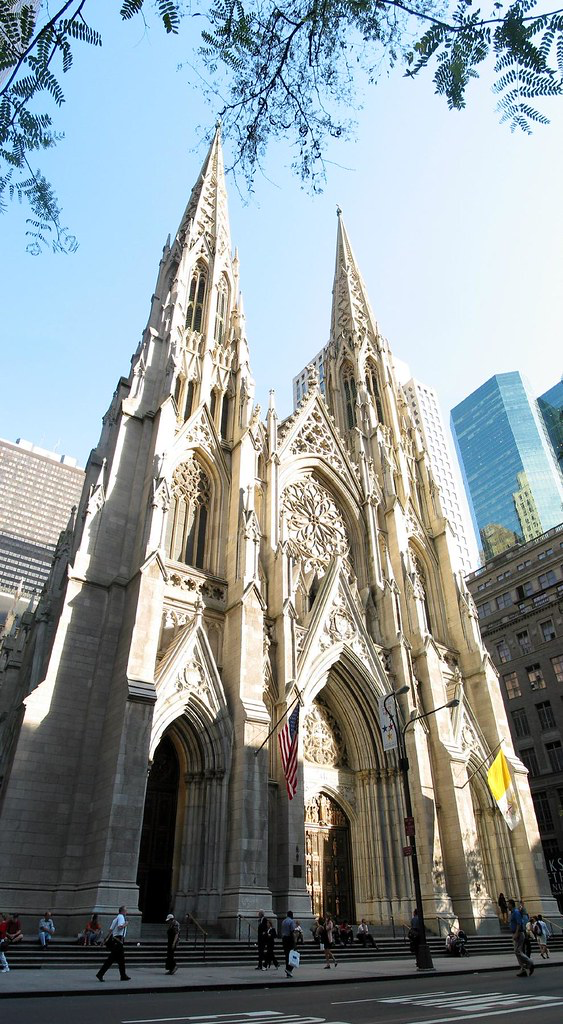
7. St. Patrick's Cathedral
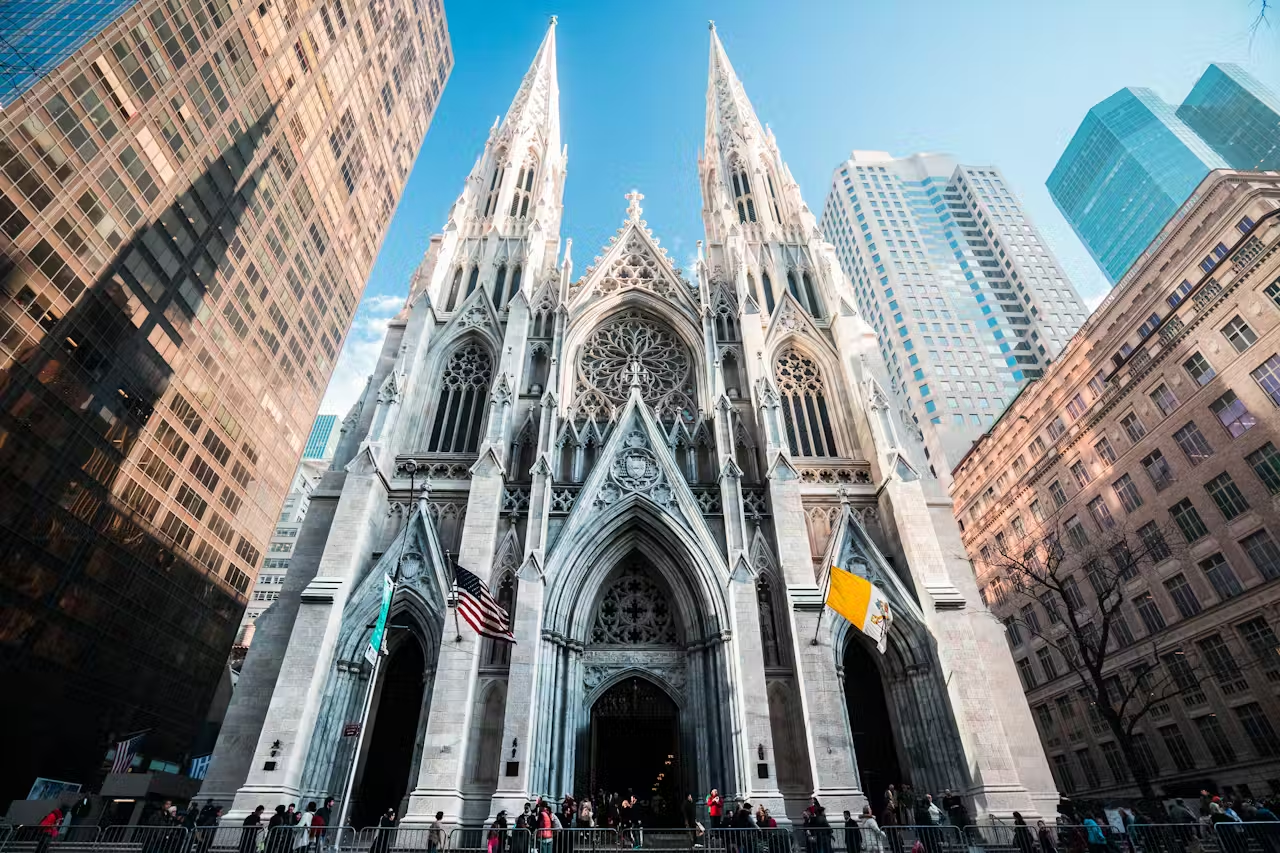
St. Patrick's Cathedralbrings Gothic architecture to Fifth Avenue. The largest Neo-Gothic Roman Catholic cathedral in North America, its twin spires rise 330 feet above street level. Walking inside feels like entering a European cathedral, with vaulted ceilings reaching 110 feet and stained glass filtering colored light throughout.
Admission is free, though donations are welcome. The cathedral opens daily from 6:30 AM to 8:45 PM. Guided tours are available for a fee. Weekday mornings offer the quietest experience. Remember this is an active place of worship, so dress modestly and maintain respectful silence. The cathedral sits directly across from Rockefeller Center, making it easy to combine visits.
**Did You Know? **Construction began in 1858 and halted during the Civil War. The cathedral finally opened in 1879, with the spires completed in 1888.
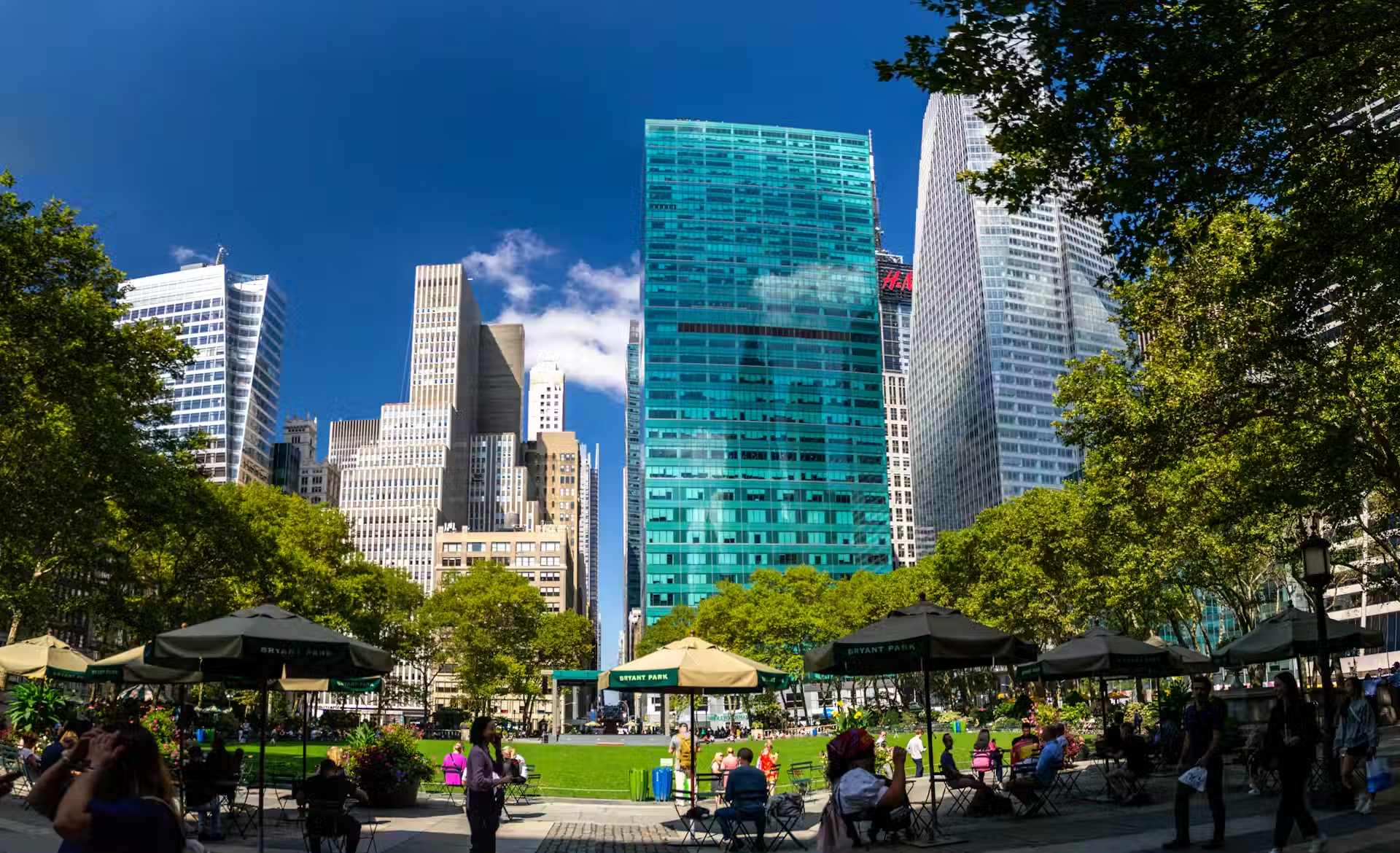
8. Bryant Park
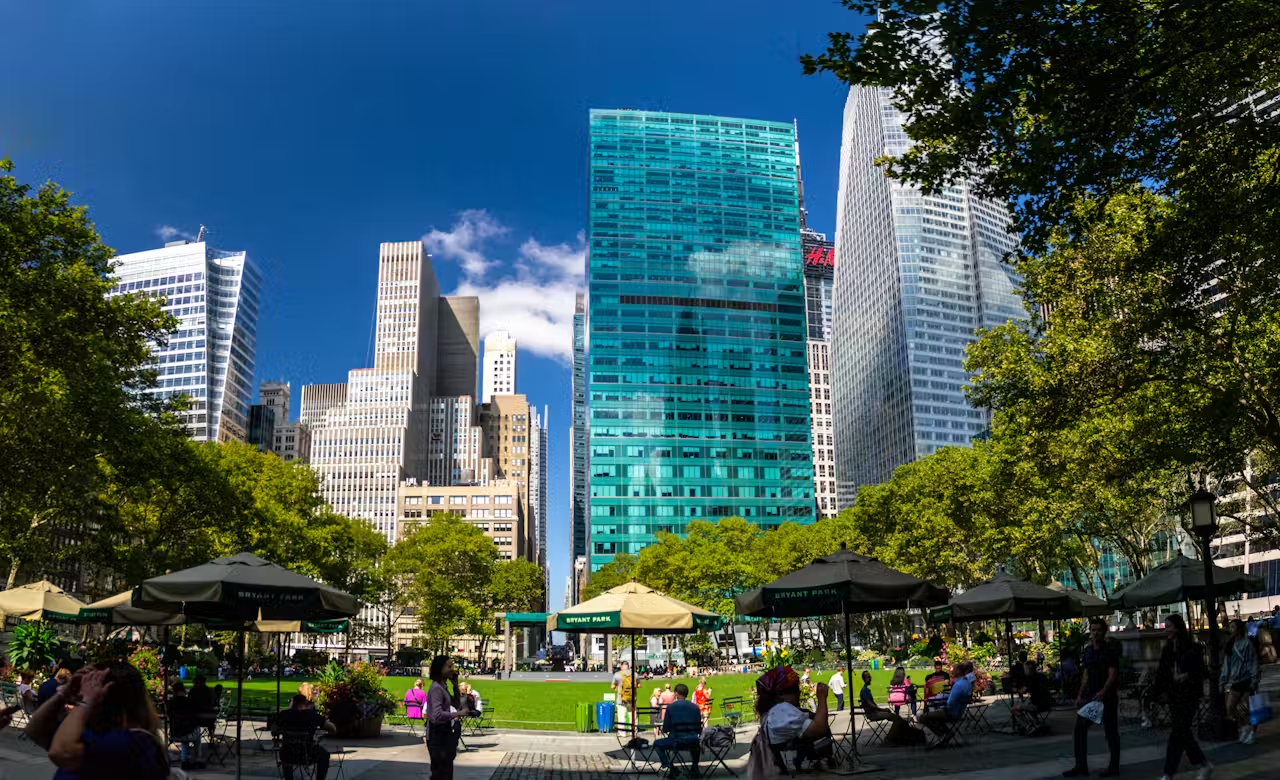
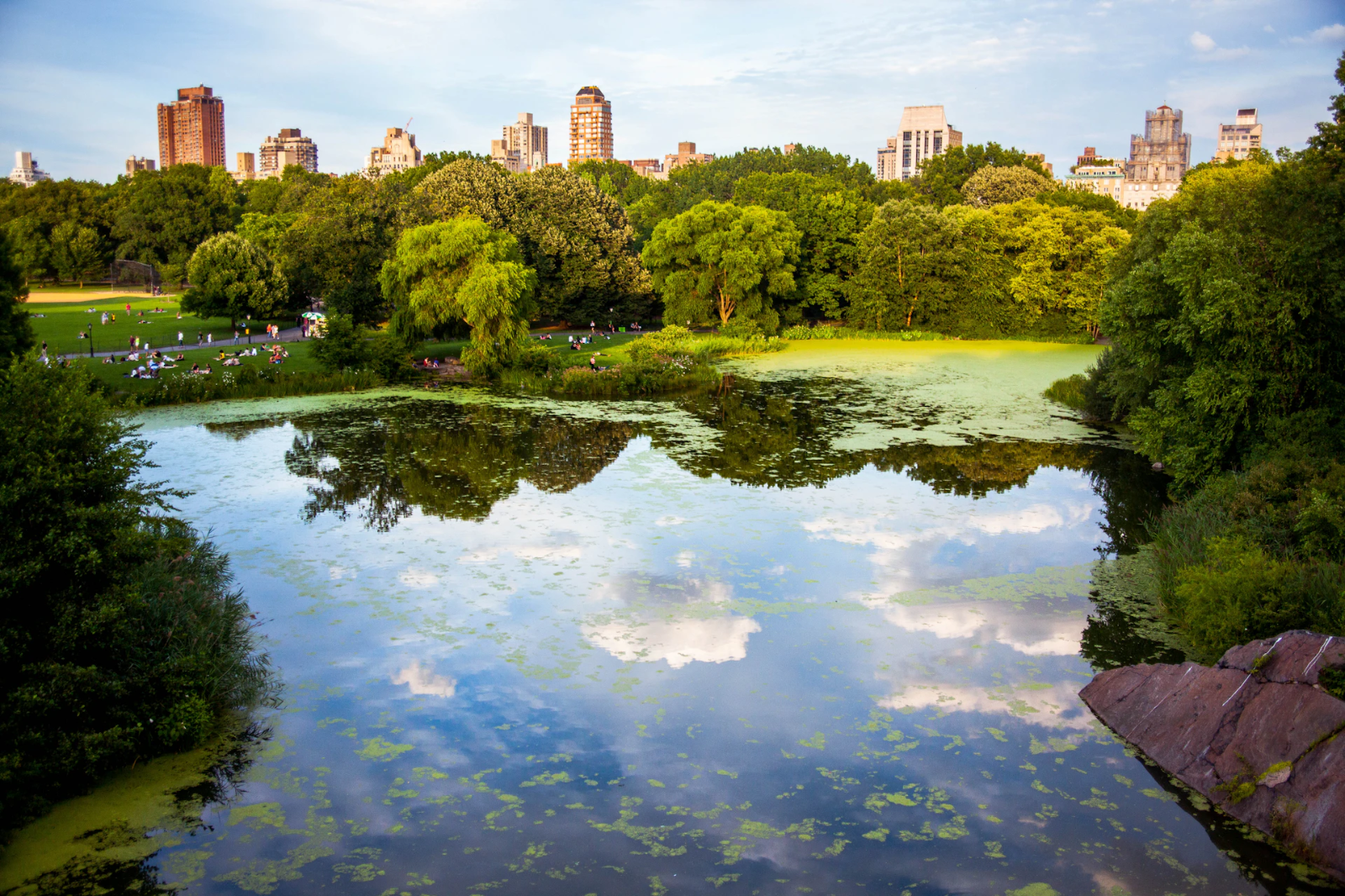
Bryant Park provides 9.6 acres of green space behind the New York Public Library's main branch. The park features a French-style carousel, movable chairs (a revolutionary concept when introduced), and constant programming from yoga classes to movie screenings. It's where Midtown workers eat lunch and where tourists discover New York isn't all concrete.
Everything in the park is free except food and drinks. The Winter Village runs late November through early March, featuring a 17,000-square-foot ice rink with free admission (skate rental extra) and holiday shops. Summer brings outdoor films on Monday nights. The Reading Room offers free books and magazines. The park stays open year-round, typically 7 AM to midnight.
**Did You Know? **The park sits atop the stacks of the New York Public Library, where over 3 million research items are stored underground.
9. Chrysler Building

The Chrysler Building represents Art Deco perfection. Its terraced crown of stainless steel arches and triangular windows catches sunlight differently throughout the day, creating a building that seems to change appearance hourly. Many architects consider it the most beautiful skyscraper ever built.
The observation deck closed decades ago, so this is purely an exterior experience. The lobby occasionally opens for events or viewing, though access is limited. The best views of the building come from nearby streets, particularly Lexington Avenue around 42nd Street, or from observation decks like the Empire State Building. Free to admire from the street.
**Did You Know? **The building's distinctive eagles and hubcap ornaments reference Chrysler automobiles of the 1920s, though the car company never actually occupied the building.
Explore Midtown your way
Midtown Manhattan rewards visitors who balance iconic attractions with spontaneous exploration. The major sites deserve their fame, but some of the best moments come from wandering side streets and discovering unexpected details.
Want to explore Midtown and the rest of New York at your own pace? With the StoryHunt app you can create custom audio walks with an interactive map based on your interests. Whether you're drawn to Art Deco architecture, Broadway history, or hidden neighborhood gems, you can build a personalized experience that goes beyond the typical tourist route. Download StoryHunt for Android and iOS here.











.jpg)




.jpg)



.jpg)


















.jpg)



.avif)


