.jpg)
.webp)

TLDR: SoHo packs the world's largest collection of cast-iron architecture into 26 blocks. Once an industrial wasteland, now a shopping and dining destination with cobblestone streets, art galleries, and designer boutiques.
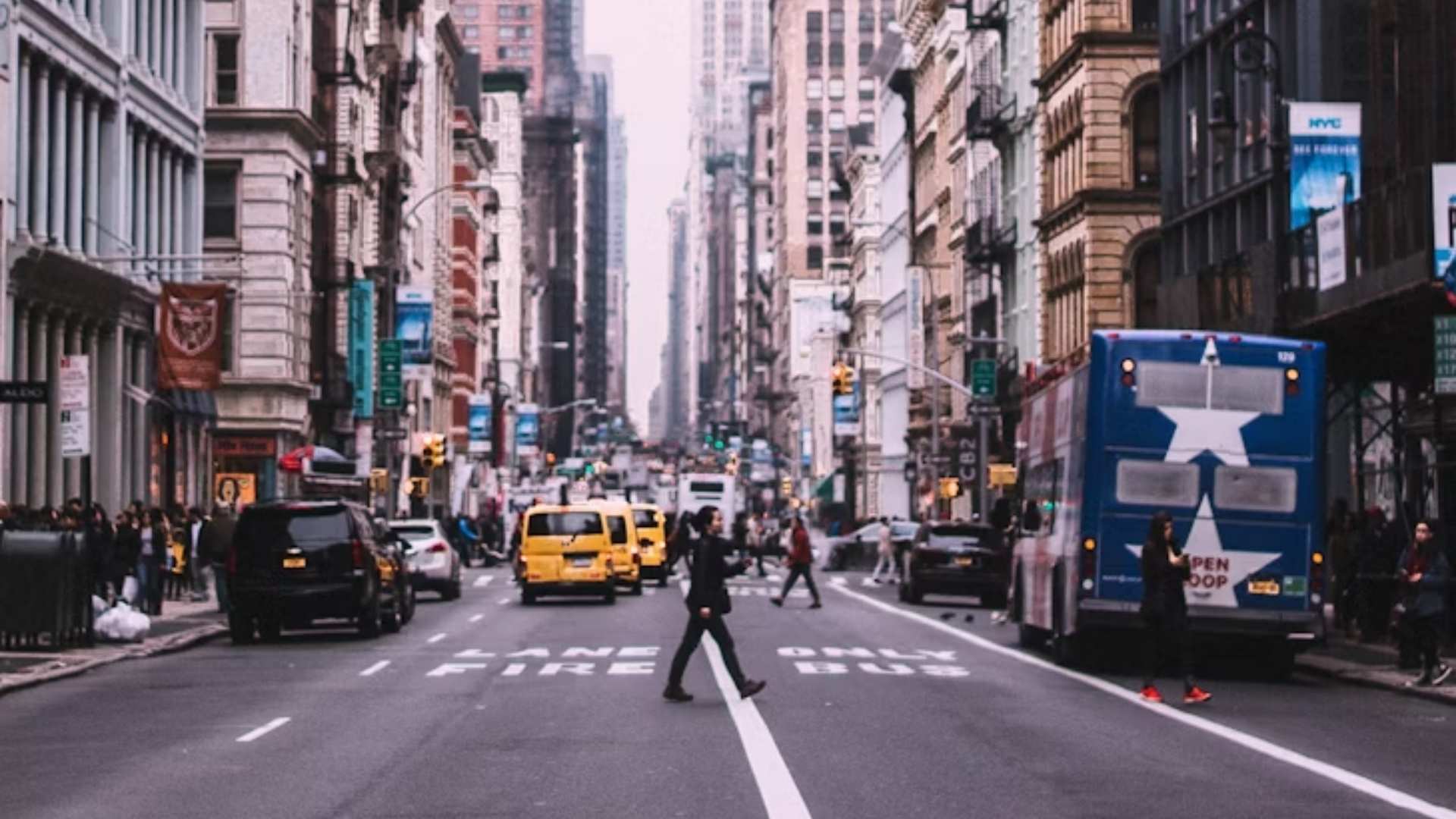
Walking through SoHo on a weekday morning before the crowds arrive, you notice the details that get lost in the weekend chaos. The ornate cast-iron facades catching early light, the Belgian block streets worn smooth by a century of traffic, the fire escapes zigzagging down buildings that once housed sweatshops and are now worth millions.
I've spent time wandering these blocks across different visits, and SoHo rewards those who look up and explore beyond Broadway's flagship stores.
What is the story behind SoHo?
SoHo's name is straightforward: "South of Houston Street". City planner Chester Rapkin coined the term in 1962 for a neighborhood that nobody wanted anything to do with. Before that, firefighters called it "Hell's Hundred Acres" because the abandoned warehouses kept burning down.
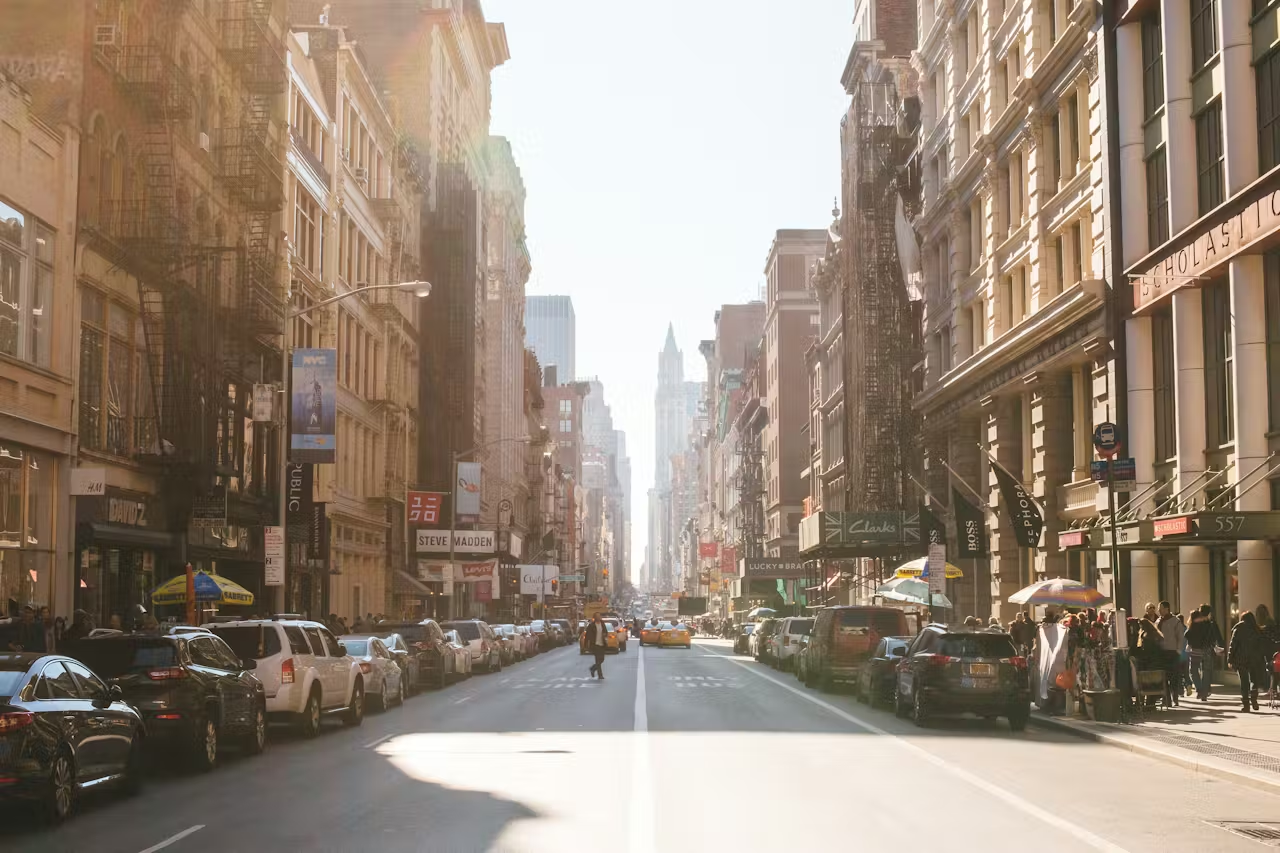
The area thrived during the mid-1800s when manufacturers built factories using a revolutionary material: cast iron. These facades could mimic expensive stone at a fraction of the cost, and builders ordered them from catalogs. After World War II, manufacturing left the city and SoHo became a wasteland of empty buildings.
Then artists discovered those abandoned lofts. High ceilings, massive windows, cheap rent. They moved in illegally throughout the 1960s, living and working in spaces zoned for manufacturing. When Robert Moses tried to demolish the neighborhood for a highway in 1969, activists including Jane Jacobs helped defeat the project. The city legalized artist residency in 1971, and in 1973 designated the SoHo-Cast Iron Historic District, protecting around 500 buildings.
What is SoHo NYC known for today?
SoHo transformed from artist haven to shopping destination by the 1990s. The same qualities that attracted artists, spacious interiors and architectural beauty, made the buildings perfect for flagship stores. Today you'll find Chanel next to Glossier, Prada across from local boutiques.
The shopping can feel overwhelming on weekends when tourists pack Broadway. But the neighborhood still has genuine character if you know where to look. Side streets like Wooster, Greene, and Mercer maintain the atmosphere that made SoHo special, with galleries, independent cafes, and those incredible cast-iron facades that most shoppers walk past without noticing.
Which streets have the best cast-iron architecture?
Greene Street is where serious architecture enthusiasts spend their time. The stretch between Canal and Houston contains more cast-iron buildings than anywhere else on Earth. Two buildings have earned royalty status: the "King of Greene Street" at 72-76 Greene and the "Queen of Greene Street" at 28-30 Greene.
Don't miss the Haughwout Building at Broadway and Broome Street. Built in 1857, it installed the first commercial passenger elevator and set the template for cast-iron design. The facade looks like Venetian Renaissance carved from stone, but it's entirely cast iron. Architecture buffs sometimes carry magnets to test whether buildings are metal or masonry.
What's the best time to visit SoHo?
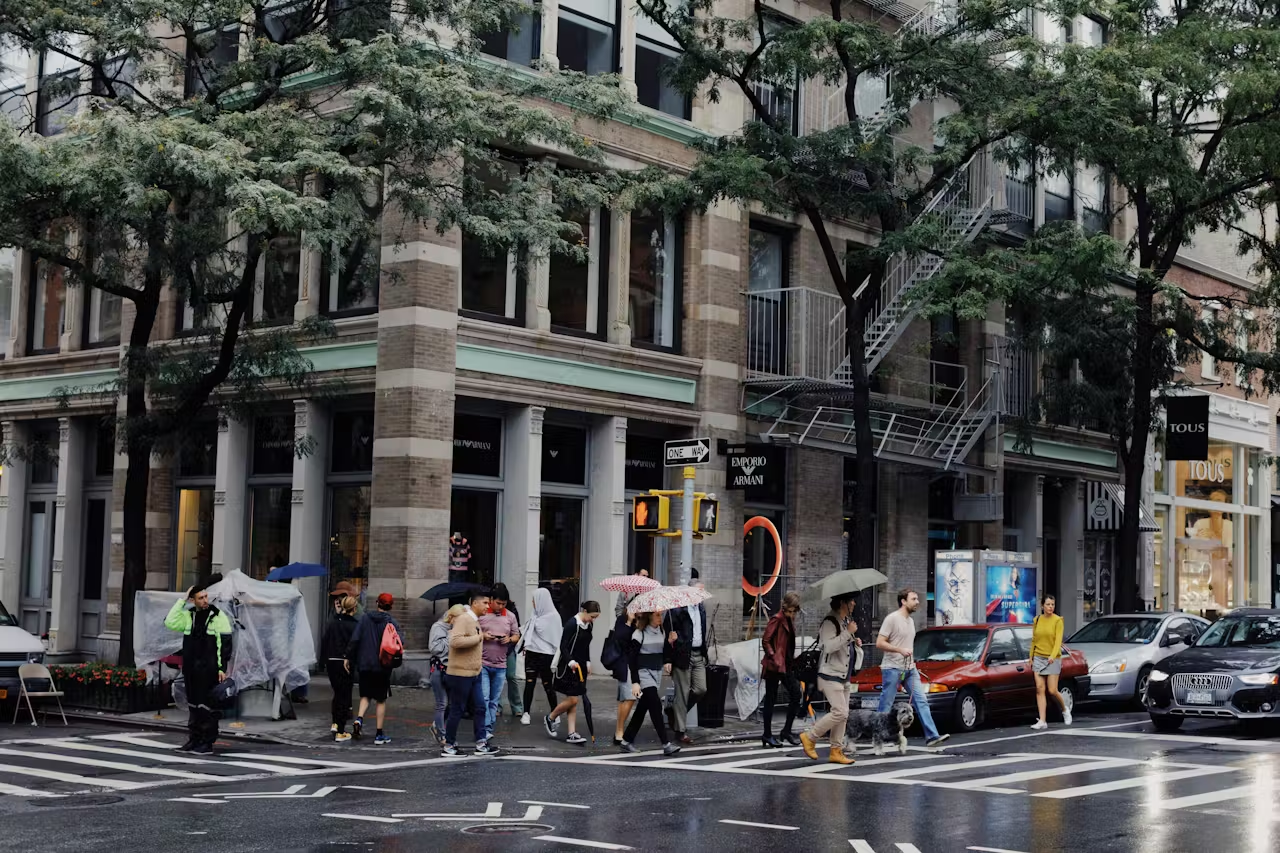
Weekday mornings offer the most pleasant experience. Shops typically open around 10 or 11 AM, so arriving early lets you photograph the architecture without crowds. The cobblestone streets feel almost European when they're empty.
Weekend afternoons are the opposite. Broadway becomes shoulder-to-shoulder tourists, and the sidewalks overflow with shoppers. If weekends are your only option, go early or visit after 5 PM when the energy shifts from shopping to dining. Spring and fall provide the best weather for walking these streets, though the cast-iron facades photograph beautifully against winter's gray skies too.
Is SoHo expensive to visit?
Walking the streets costs nothing, and the architecture is the main attraction. But once you start shopping or eating, prices climb quickly. Designer stores obviously charge designer prices. Even the more accessible brands tend to be pricier at their SoHo flagships than elsewhere.
Dining ranges from affordable to extravagant. You can grab a coffee for a few dollars at various cafes, or spend significantly more at restaurants like Balthazar, which has anchored Spring Street since 1997. Budget-conscious visitors can absolutely enjoy SoHo without spending much, focusing on the architecture, galleries, and people-watching instead.
What should you see beyond shopping?
SoHo has more substance than its shopping reputation suggests. Worth exploring:
- The Drawing Center on Wooster Street: A nonprofit presenting contemporary and historical drawing since 1977. Suggested donation admission.
- New York Earth Room at 141 Wooster Street: A free Walter De Maria installation from 1977 featuring 280,000 pounds of dirt filling a SoHo loft. Seriously.
- Museum of Chinese in America tells the fascinating story of one of the biggest immigrant groups in America.
- Housing Works Bookstore Cafe on Crosby Street: Volunteer-run bookstore funding HIV/AIDS services. Great atmosphere for browsing.
- Color Factory and Museum of Ice Cream lets you live out your inner child.
- Fanelli Cafe at 94 Prince Street: Operating since 1847, one of NYC's oldest bars, where artists and writers gathered for decades.
- Balthazar and Dominique Ansel Bakery treats you like a king.
You can also read our full guide to the best places to eat in SoHo.
What are the cobblestone streets actually made of?
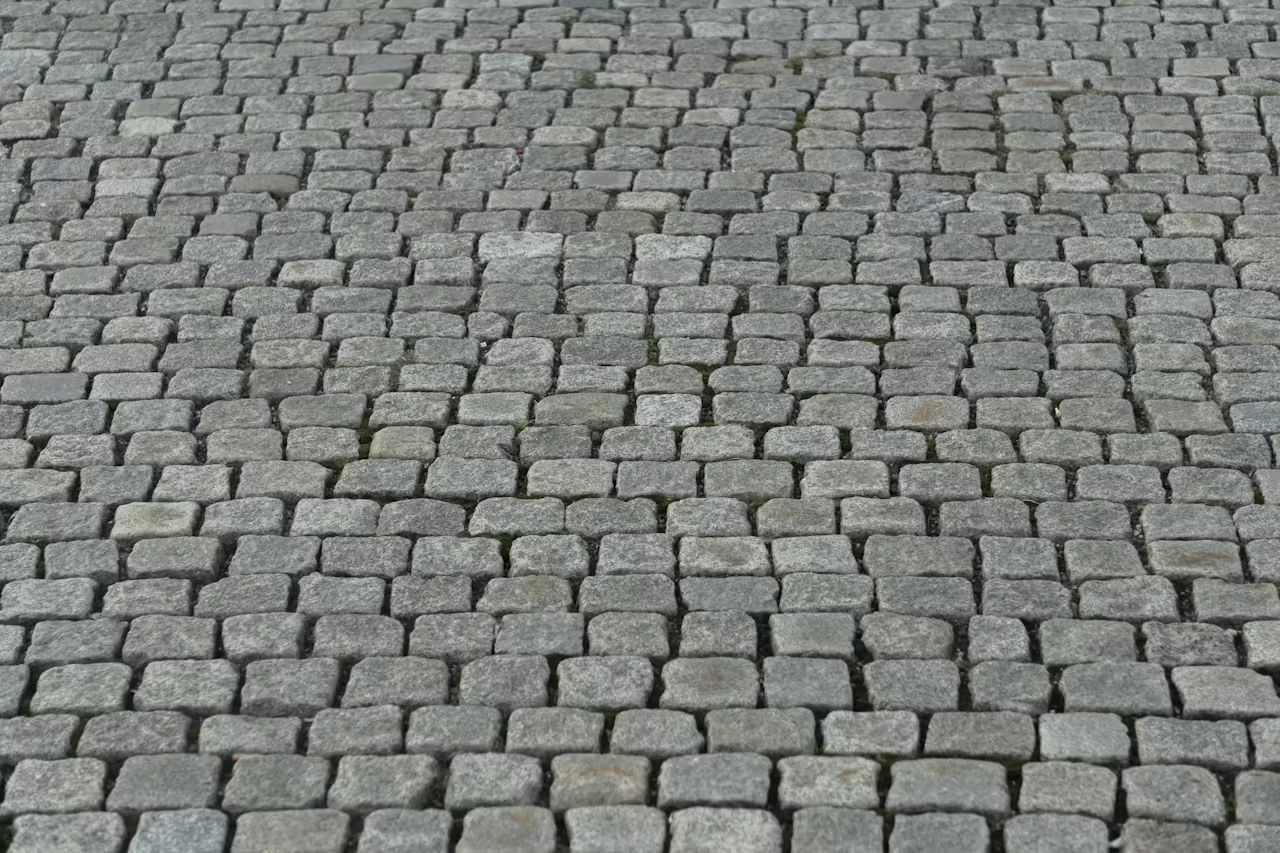
Those picturesque "cobblestones" are actually Belgian blocks, rectangular granite stones brought over as ship ballast in the 1800s. True cobblestones are rounded, while Belgian blocks are cut flat. Streets like Crosby, Mercer, Greene, and Wooster feature these distinctive surfaces, which make for beautiful photos but challenging walking in heels.
The uneven surfaces and narrow sidewalks are part of SoHo's character. They're also why the neighborhood feels different from the smooth pavement of Midtown. Wear comfortable shoes and watch your step, especially where tree roots have shifted the stones over decades.
How do you get to SoHo?
Multiple subway lines serve the neighborhood:
- C/E trains to Spring Street
- N/R/W trains to Prince Street
- 6 train to Spring Street
- B/D/F/M trains to Broadway-Lafayette
Broadway-Lafayette puts you right at the neighborhood's eastern edge with easy access to the main shopping corridor. Spring Street stations on either side work well depending on where you want to start exploring. The neighborhood is compact enough that any of these stops gets you where you need to go within a few minutes of walking.
What else should you see nearby SoHo?
SoHo connects seamlessly to several distinct neighborhoods worth exploring:
- NoLita (North of Little Italy): Smaller boutiques, younger crowd, less crowded than SoHo
- Little Italy: Concentrated along Mulberry Street, though much smaller than it once was
- Greenwich Village: Just north across Houston, with different character entirely
- Tribeca: South of Canal, quieter and more residential
The boundaries blur together, so you can easily spend a day wandering from one neighborhood to the next without any formal transitions.
Is it worth visiting SoHo?
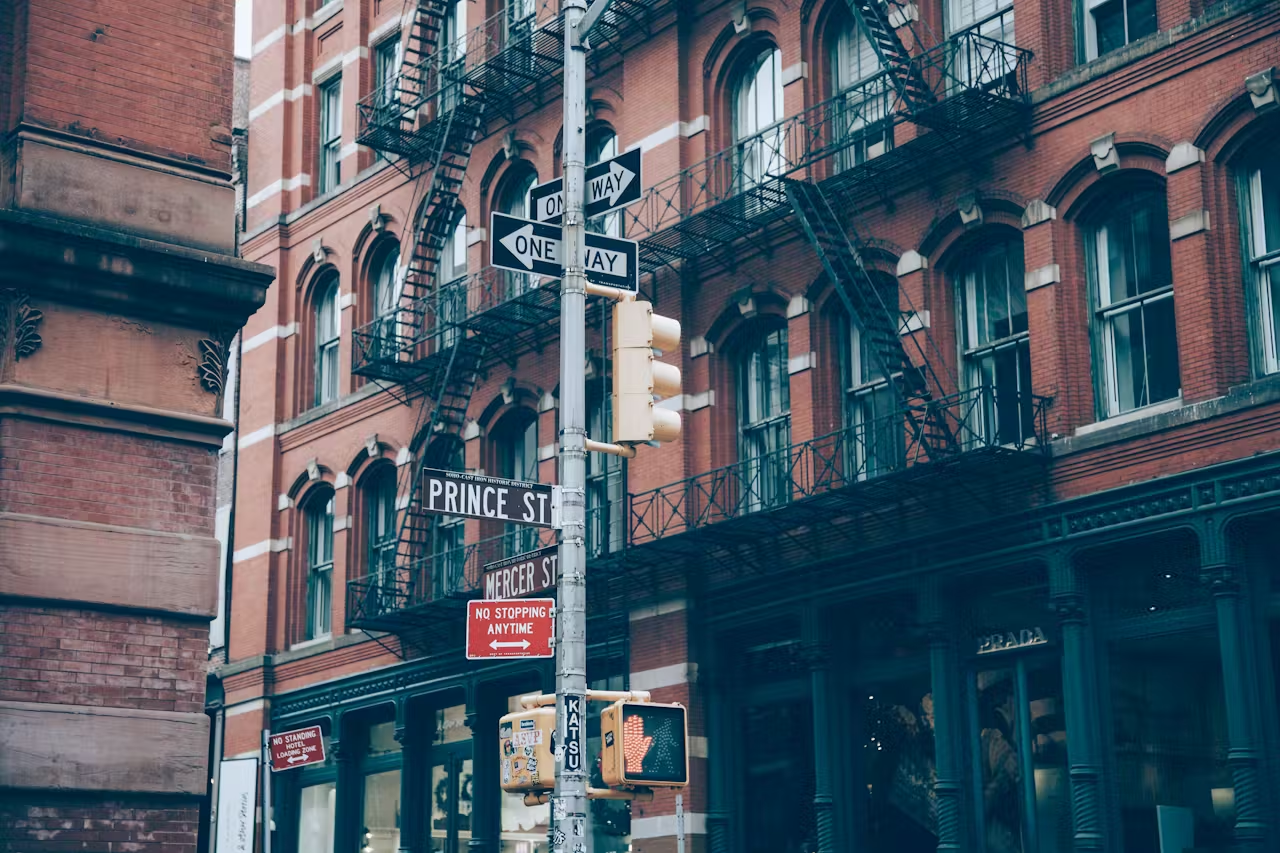
Yes, with some caveats. If you're interested in architecture, absolutely. The cast-iron facades represent a significant chapter in American building history, and walking these streets connects you to the neighborhood's industrial past in ways that shopping alone doesn't.
The shopping scene depends on your tolerance for crowds and luxury retail. Weekend afternoons on Broadway can feel like a mall with better architecture. But the side streets retain character, and early morning visits reveal the neighborhood's genuine appeal.
SoHo works best when you balance the commercial present with appreciation for its layered history. The artists are mostly gone, priced out decades ago. But the buildings they fought to save remain, and the neighborhood rewards visitors who take time to look up from the storefronts.
Explore SoHo Your Way
Want to discover SoHo's architectural gems and hidden corners at your own pace? With StoryHunt you can create customized audio walks based on your interests, whether that's cast-iron history, art galleries, or finding the spots where artists once lived and worked.
The interactive map guides you through the neighborhood with stories that bring each block to life. Skip the generic tours and explore SoHo on your own terms. Download StoryHunt for Android and iOS here.



















.jpg)

.jpg)


.jpg)

















.avif)


