.webp)



TLDR: The American Museum of Natural History in New York offers an immense journey through time and nature, from iconic dinosaurs and a massive blue whale to the new Gilder Center. Plan at least 3-5 hours, ideally on a weekday, to explore its vast halls. Residents can pay what they wish for general entry.
Stepping into the American Museum of Natural History (AMNH) is like opening a colossal, dusty, yet endlessly fascinating encyclopedia of our planet and its inhabitants. Having recently wandered its cavernous halls, I can tell you this isn't just a building full of old bones; it's a vibrant, sometimes overwhelming, deep dive into everything from the origins of the universe to the tiniest insects.
If you're planning a trip to New York City and curious about spending a day immersed in natural wonders, this article will guide you through what to expect, how to make the most of your visit, and whether it’s truly worth your precious time.
What is the story behind American Natural History?
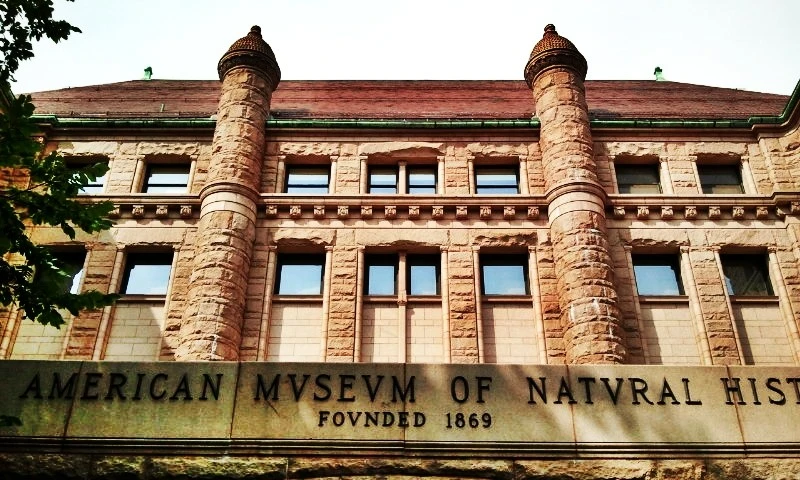
The story of the AMNH is one of ambition, discovery, and a relentless quest for knowledge, beginning way back in 1869. Imagine influential New Yorkers, including Theodore Roosevelt Sr., wanting a place to explore science and inspire future generations. That initial vision led to the construction of this sprawling institution on Manhattan Square, with President Ulysses S. Grant himself laying a cornerstone in 1874.
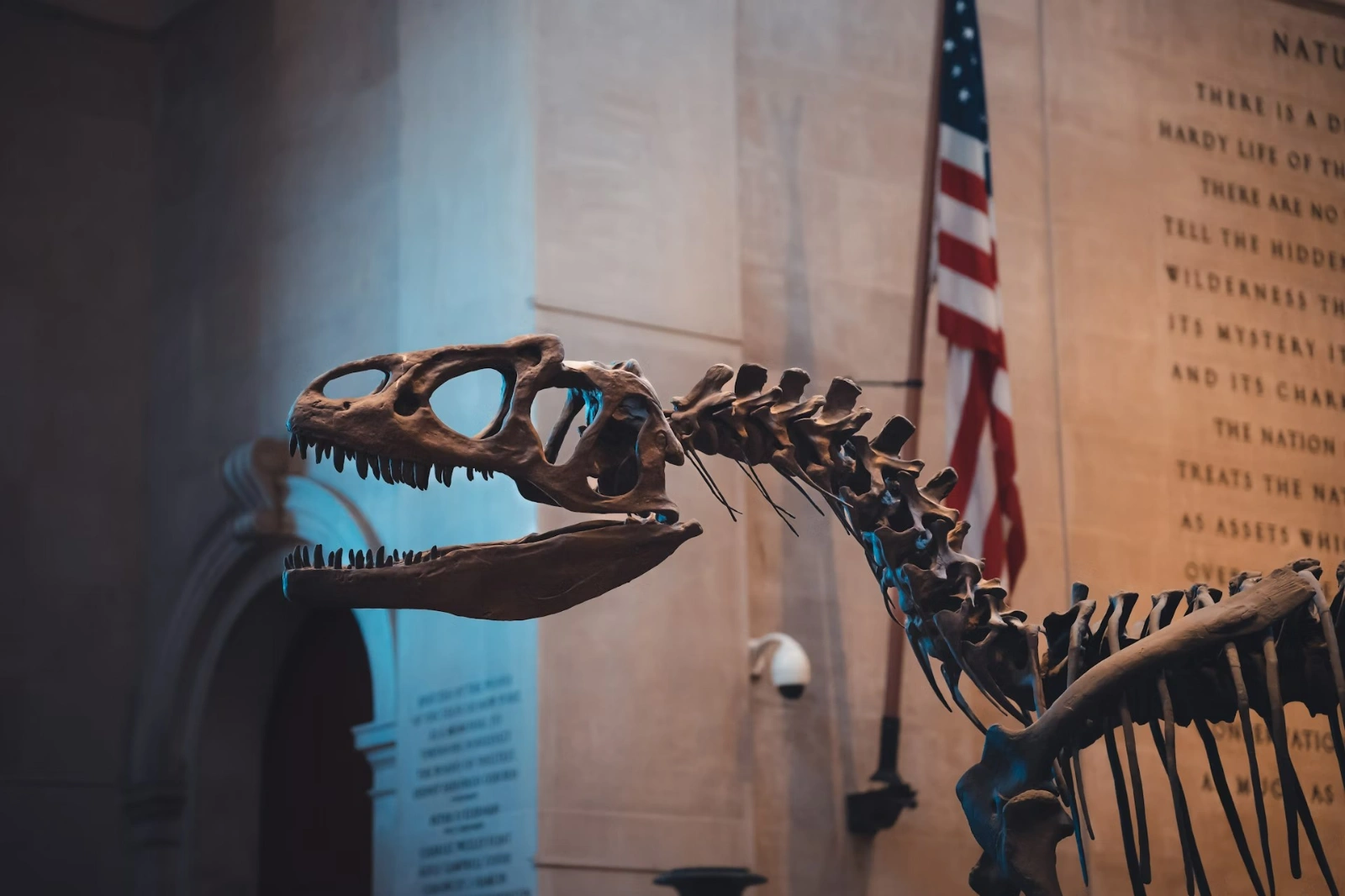
Throughout its history, the museum has championed scientific exploration. Pioneers like Morris K. Jesup funded daring global expeditions, and it was here that Barnum Brown discovered the very first documented Tyrannosaurus Rex skeleton. Picture this: the original T-Rex mount initially stood upright, almost like a kangaroo, until science corrected its posture in 1993 to a more dynamic, horizontal stance.
Today, you'll see wonders like the 94-foot blue whale model, so immense it takes three days to clean each year, and the colossal Ahnighito meteorite, its weight supported by columns anchored deep into the bedrock below.
Where is the American Museum of Natural History in New York City?
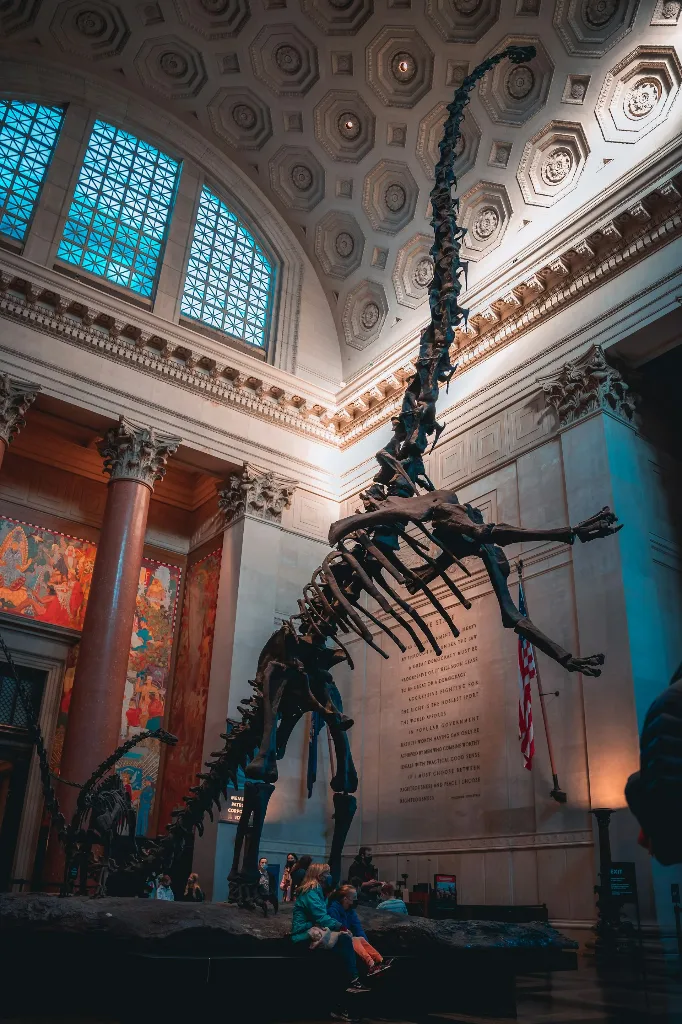
You'll find this grand institution proudly standing on the Upper West Side of Manhattan, directly opposite the green expanse of Central Park. The most iconic entrance, where you'll be greeted by the awe-inspiring Barosaurus and Allosaurus skeletons in the Theodore Roosevelt Rotunda, is at 200 Central Park West. It's a truly majestic welcome that sets the tone for your visit.
The museum complex itself is colossal, sprawling across four city blocks between West 77th and West 81st Streets, and extending from Central Park West to Columbus Avenue. If you're arriving by subway, a convenient option is the 81st Street – Museum of Natural History station, served by the B or C trains. This stop leads you directly into the museum's lower level, near the striking Rose Center for Earth and Space.
Is the American Museum of Natural History free for New York residents?
Good news for New Yorkers! The American Museum of Natural History offers a "Pay-What-You-Wish" general admission policy for New York State residents. If you have a valid ID showing your New York address, you can choose to pay any amount you feel comfortable with for basic entry, even as little as a dollar. It’s a fantastic initiative that ensures this world-class institution is accessible to local visitors, removing financial barriers to exploring its incredible collections.
However, it’s important to note that this policy only covers general admission. Special exhibitions, such as a show in the Hayden Planetarium or a visit to the Davis Family Butterfly Vivarium, will require a separate, fixed-price ticket on top of your general entry.
Beyond the "Pay-What-You-Wish" for residents, the museum's collections are truly mind-boggling. While only a small fraction is displayed, you can still encounter the first-ever discovered Tyrannosaurus rex skeleton and witness the magnificent blue whale model, which requires extensive annual cleaning.
How much time do you need at AMNH?
Planning your time at the AMNH is crucial, as it’s truly enormous. For a meaningful visit where you can hit the major highlights, like the iconic dinosaur halls or the Milstein Hall of Ocean Life with its colossal blue whale, you should plan for at least 3 to 5 hours. This allows for some focused exploration without feeling too rushed.
If you want a more in-depth experience, perhaps catching a show at the Hayden Planetarium (which usually runs about 25-30 minutes) or exploring a special exhibition, you should allocate 6 to 8 hours. Honestly, with its 45 permanent exhibition halls and 21 interconnecting buildings, you could easily spend multiple days here and still discover something new. For a less crowded experience, aim to arrive early on a weekday.
Is it worth visiting American Natural History?
Having walked its expansive halls, I can tell you the American Museum of Natural History offers an unparalleled journey through natural wonders. It's a compelling, often breathtaking, destination.
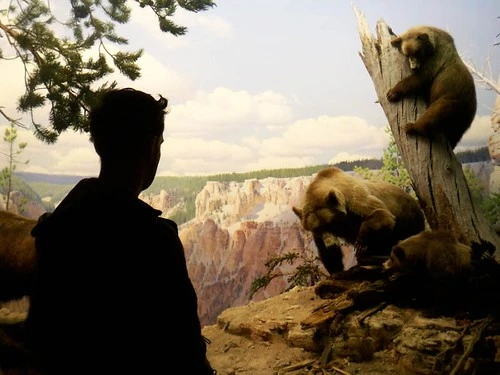
The sheer scale is impressive, with iconic Dinosaur Halls featuring towering specimens like the Titanosaur and the legendary T-Rex, and the absolutely magnificent Blue Whale model in the Hall of Ocean Life. The newer Richard Gilder Center, with its unique architecture, provides engaging, interactive exhibits, including a Butterfly Vivarium and an Insectarium, adding a fresh, dynamic feel.
However, it's not without its challenges. The museum can feel overwhelmingly crowded, especially on weekends and holidays. Navigating through throngs of people can detract from a peaceful experience. Some older exhibits, particularly in certain cultural halls, might feel a bit dated, and you might notice information that doesn't fully reflect the latest scientific understanding. Its vastness, while impressive, means trying to see everything in one go can lead to rushing rather than truly absorbing the wonders around you.
I found the best times to visit are generally weekdays, either mornings or late afternoons, avoiding the peak school group hours. Spring and fall can also offer a more comfortable experience overall. Families with children and anyone deeply interested in science, paleontology, or diverse ecosystems will likely find it incredibly rewarding.
What else can I do in New York?
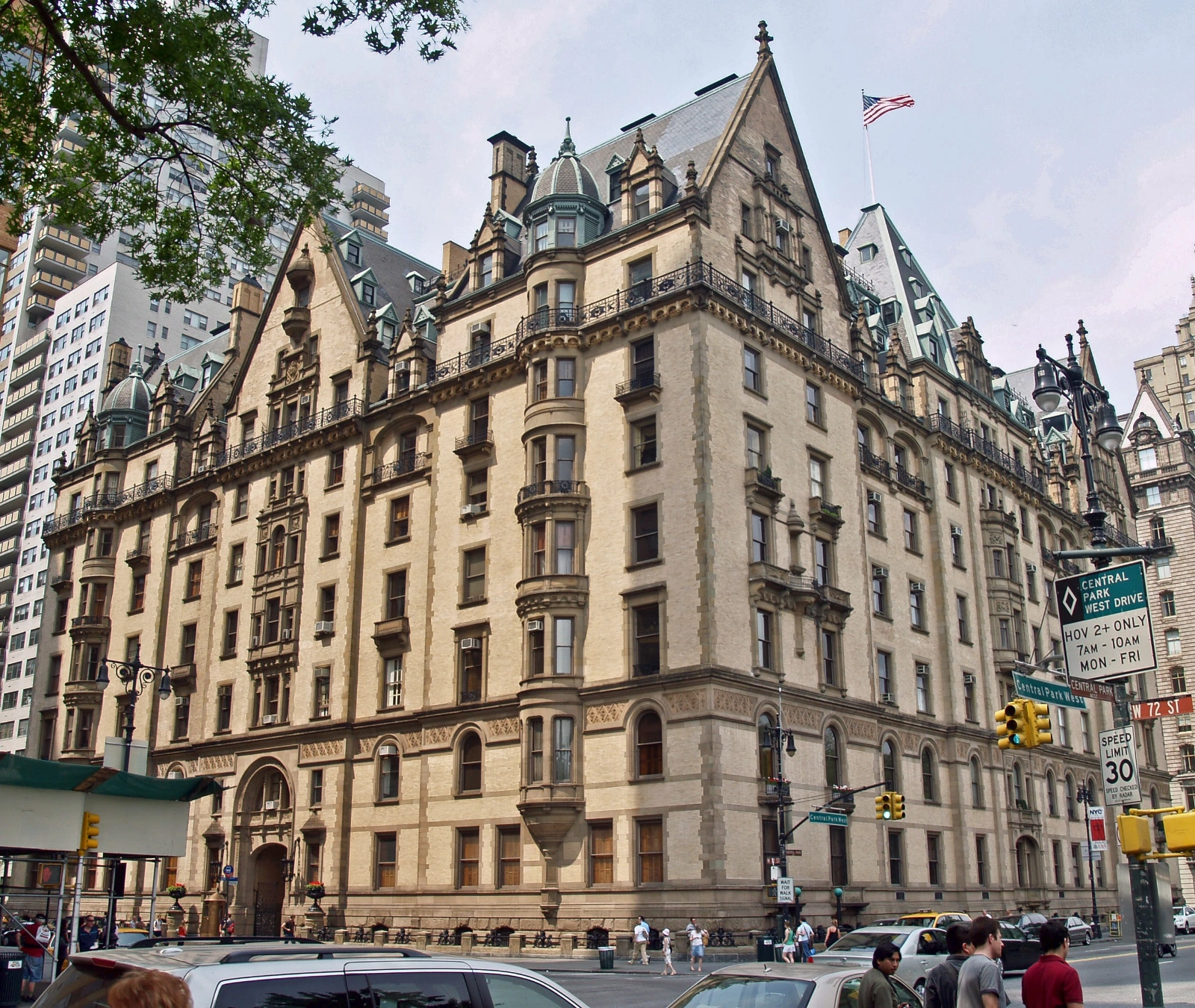
After immersing yourself in the prehistoric past and natural wonders at the AMNH, New York's Upper West Side offers a wealth of other experiences. Many are conveniently close or complement your natural history exploration perfectly.
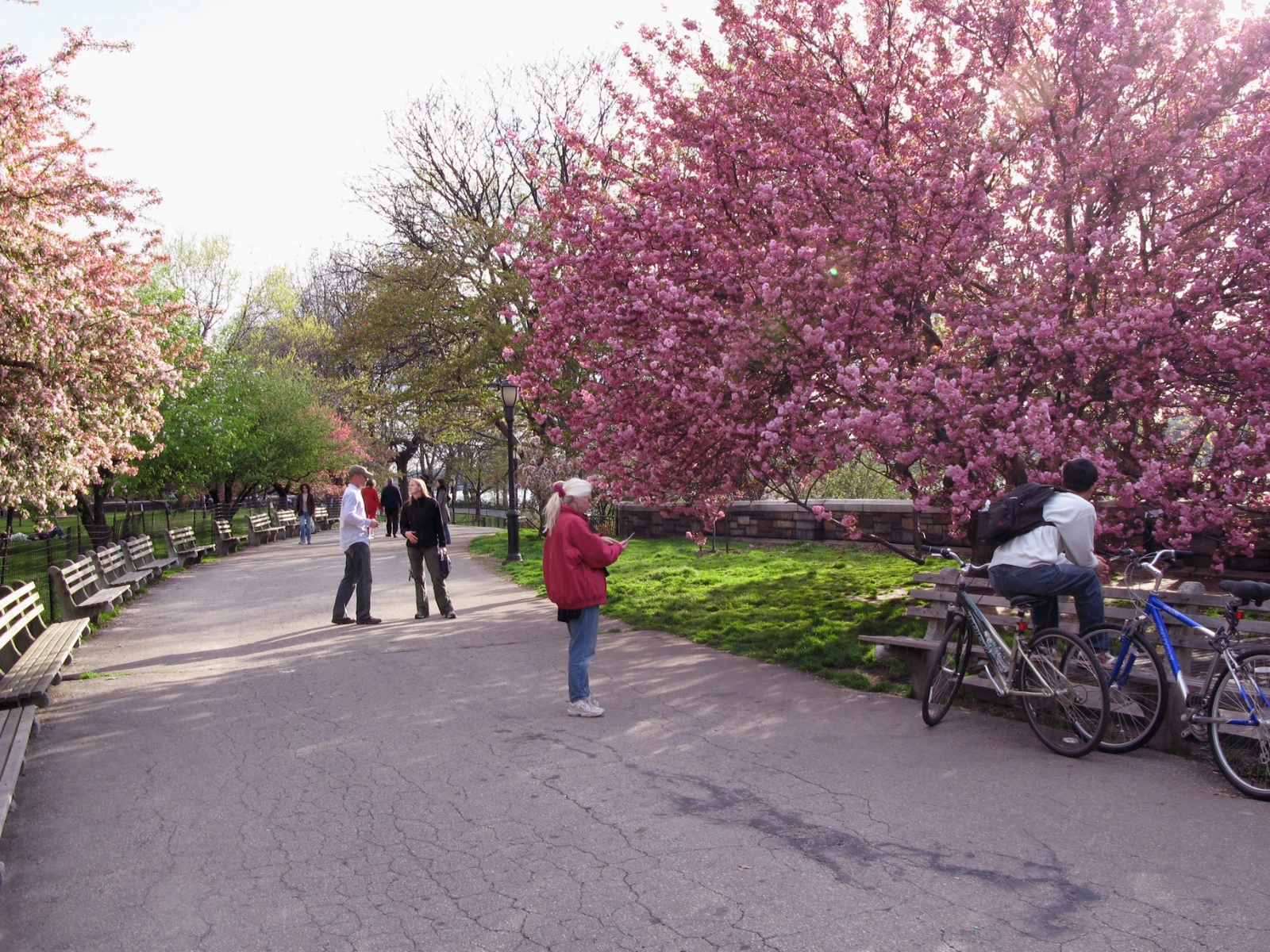
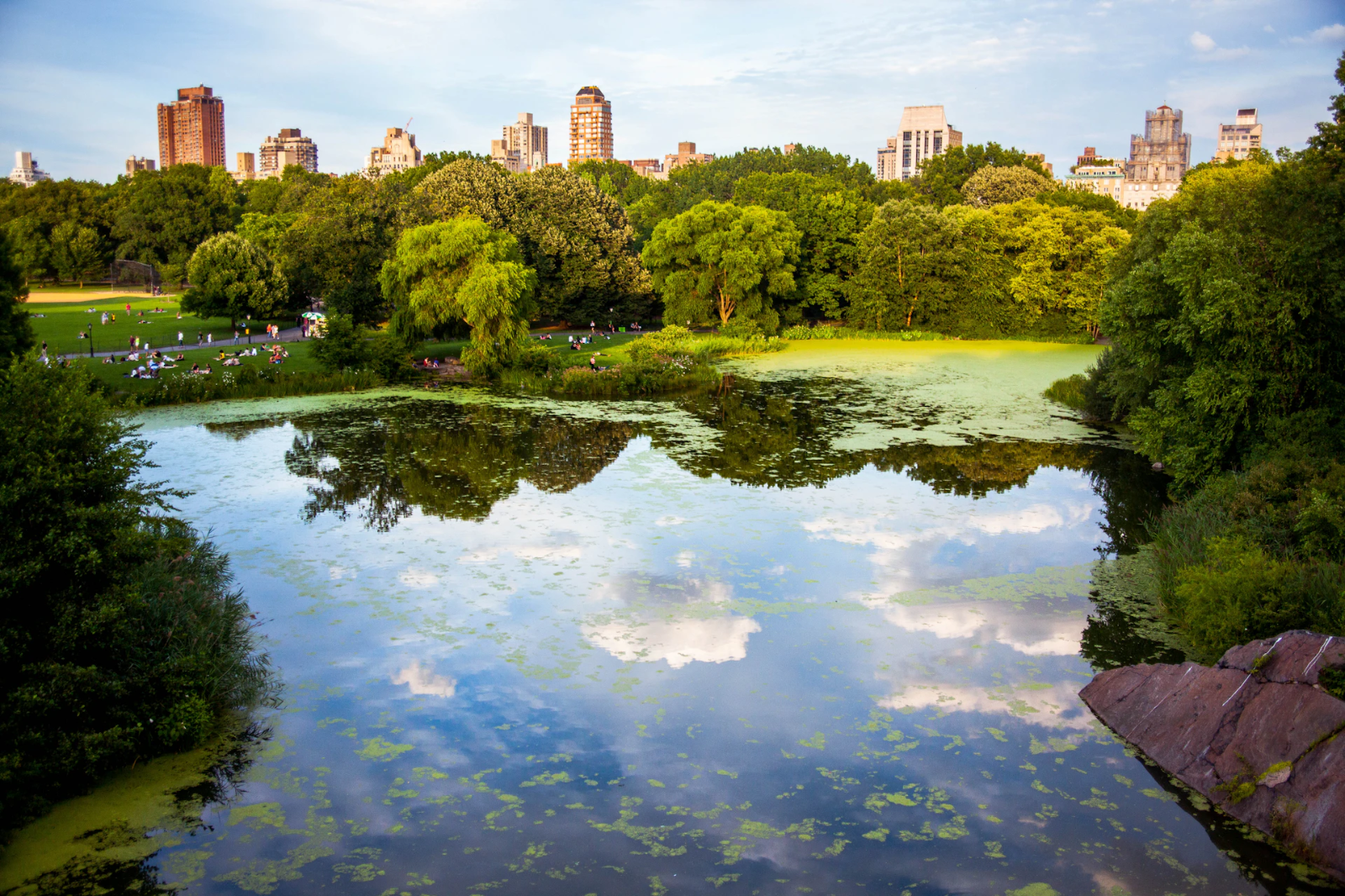
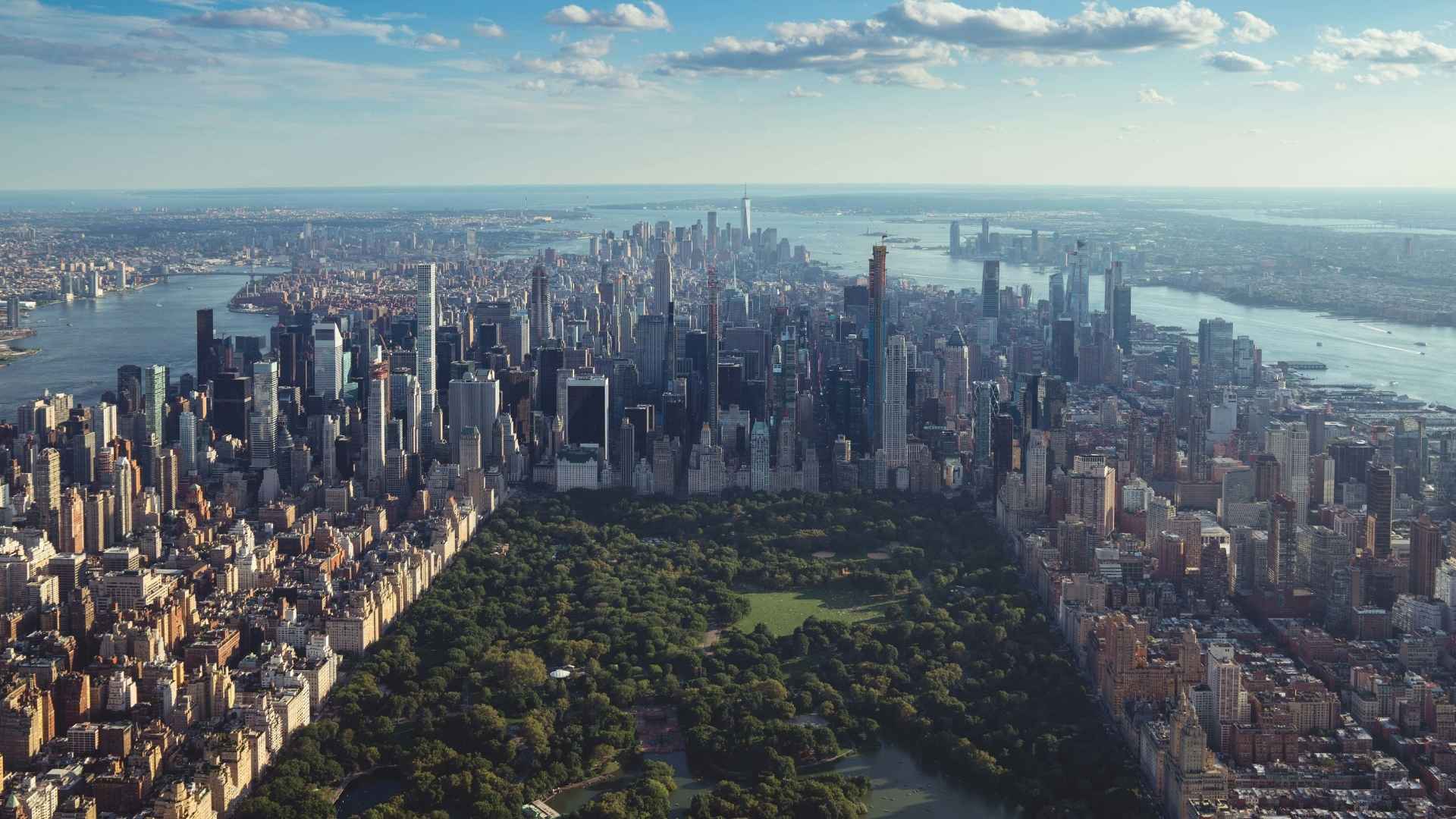
- Right across the street, Central Park awaits. It's New York's sprawling green heart, perfect for a leisurely stroll. You can explore famous spots like Bethesda Terrace, or find a quieter retreat in areas like the North Woods. It’s a wonderful contrast to the museum's indoor exhibits, offering a taste of urban nature.
- Next door, the New-York Historical Society offers a deep dive into American history through the lens of New York City. It provides a fascinating look at human impact on the local environment and culture, with often insightful exhibitions.
- For a unique historical experience, consider venturing uptown to The Met Cloisters. This branch of The Metropolitan Museum of Art focuses on medieval European art and architecture, set within tranquil, reconstructed monastery structures overlooking the Hudson River. It's a serene escape from the city buzz.
- Finally, for a hidden cultural gem on the Upper West Side, seek out the Nicholas Roerich Museum. This intimate museum showcases the Russian artist Nicholas Roerich, known for his stunning nature scenes and spiritual art. It offers a peaceful, reflective experience.
To make the most of your explorations, whether at these popular spots or discovering even more hidden corners of the city, consider using StoryHunt's engaging audio stories for countless New York attractions. It acts as your personal guide to delve deeper into the city's rich history and diverse culture at your own pace.



.jpg)





.jpg)





.jpg)



























.jpg)





.avif)


