.jpg)
.webp)


TLDR: Stone Street in New York offers a vibrant blend of early colonial history and a lively outdoor dining scene, featuring cobblestones, diverse eateries, and a pedestrian-friendly atmosphere, making it a unique stop in Lower Manhattan.
Having recently navigated the dynamic streets of Lower Manhattan, I found myself drawn to a particular lane whispered about for its age and atmosphere: Stone Street. If you're looking for a slice of history you can truly walk through, combined with modern-day enjoyment, then this spot in Lower Manhattan is definitely one to consider.
I'm here to give you the honest rundown, from its deep roots to its current charm, covering what makes it tick and what you can expect during your visit.
What is the story behind Stone Street?

Stepping onto Stone Street, you're actually treading on centuries of New York City's past. Way back in 1624, when this area was the Dutch colony of New Amsterdam, Stone Street was just two muddy dirt paths.
Residents on one of these, "Breuers Straet" (Brewers Street), got tired of sinking into the muck and, in 1658, did something groundbreaking: they funded the paving of their street with cobblestone. Imagine that! This made it the very first paved street in what would become New York City, a clear sign of growing prosperity. After the British took over, "Breuers Straet" eventually became "Stone Street," a fitting name for its unique surface.
This historic path saw a major change after the Great Fire of 1835. Much of Lower Manhattan was destroyed, but the rebuilding brought many of the architectural styles you still see today, like Dutch Colonial Revival and neo-Tudor. It’s wild to think that the original 17th-century street lies buried several feet beneath where you're walking now, a hidden layer of history.
While it faced a period of neglect in the 20th century, a significant restoration in the late 1990s brought back its old-world charm, transforming it into the inviting place you'll find today.
Why is Stone Street famous?
Stone Street is famous for a few distinct reasons, making it stand out even in a city full of iconic locations.
Firstly, its age: it's truly one of New York's oldest streets, earning the official "Stone Street" name in 1794 to honor its early paving efforts. You're literally walking where history began for the city. Secondly, it's known for its vibrant, pedestrian-only atmosphere, particularly in the Financial District. Imagine a European-style alley, cobbled and lined with buzzing restaurants and bars offering all sorts of food, from Mexican cantinas to Irish pubs.
What truly sets it apart, especially for visitors looking for a good time, is its lively outdoor dining scene. The street fills with tables and chairs, creating an open-air party vibe. It's one of the few spots in New York City where open-air drinking is permitted, which certainly adds to the festive feeling, especially on a warm evening.
This combination of deep history and modern social energy creates a unique charm that's quite infectious. Of course, a place this old doesn't just appear this way overnight; it has a story of transformation.
What happened to Stone Street NYC?

Stone Street’s journey to its current lively state is a fascinating one, marked by cycles of prominence and neglect. After its pioneering paving in the Dutch era, and later surviving the Great Fire of 1835, it became a bustling commercial center for merchants. However, as New York grew and changed through the 20th century, Stone Street fell into disrepair. For a while, it was a forgotten alley, covered in asphalt, potholes, and graffiti – far from the charming spot you see today.
The real shift began in the late 1990s. Recognized for its historical significance, it was designated a NYC historical landmark in 1996. This led to a significant restoration project, where 23,000 Belgian block cobblestones were re-installed, bringing back its original feel. Today, the eastern part of the street is the pedestrian-only hub you'll experience, alive with activity. It’s interesting to note that one large skyscraper at 85 Broad Street actually splits Stone Street into two distinct sections.
What is the oldest street in New York City?
While many streets in New York hold historical weight, Stone Street specifically holds the distinction of being New York City's first paved street.
Originally, it was a blend of two 17th-century Dutch roads: "Breuers Straet" (Brewers Street) and "Hoogh Straet" (High Street). The fact that residents banded together in 1658 to fund its cobbling themselves speaks volumes about its early importance. This lane was also home to some of the city's earliest breweries, which gives you an idea of the kind of social hub it was even then. Imagine brewers moving barrels over those early stones!
Today, the street presents itself as a lively pedestrian zone, a stark contrast to its mercantile past. It's truly like stepping back in time, even if the current cobblestones are part of a restoration. The original Dutch paving, however, lies several feet below the current surface, an archaeological layer whispering stories of the past. Many of the buildings you see, rebuilt after the 1835 fire, reflect a Dutch Colonial Revival style, subtly nodding to its beginnings. It's this deep, tangible connection to the city's earliest days that makes it such a unique visit.
Is Stone Street worth visiting?

Stone Street is absolutely worth your time, especially if you appreciate a spot that effortlessly blends history with a buzzing contemporary vibe. If you enjoy a lively atmosphere, good food, and a drink outdoors, this is your place. It's genuinely a unique pedestrian-only experience in Lower Manhattan. On a warm day or evening, the outdoor seating spills out, creating a festive, almost European beer garden ambiance. You’ll find a wide variety of restaurants, from casual Mexican to classic steakhouses, so there’s a flavor for almost everyone.
However, if you're looking for a quiet, contemplative historical experience, the street can get quite loud and crowded, particularly during happy hour or on weekends. The historical markers are subtle, sometimes overshadowed by the energetic crowd. It's important to set your expectations: you're getting a vibrant social scene built upon history, not necessarily a quiet museum. Despite the occasional noise, I found it to be a fantastic spot to grab a bite and soak in the energy.
To truly dig into the deeper stories behind the buildings and pavement while you're there, consider using an app like StoryHunt; it offers immersive audio stories about these historical spots, letting you listen to the past while you enjoy the present.
What else can I do in New York?
After you've had your fill of Stone Street's historical charm and lively atmosphere, Lower Manhattan still holds plenty to explore within easy walking distance.
You could begin by:
- Fraunces Tavern: Step into a true piece of American history. This historic landmark and museum offers a glimpse into colonial New York and even has connections to George Washington. You can grab a drink and a meal in a genuinely historic setting.
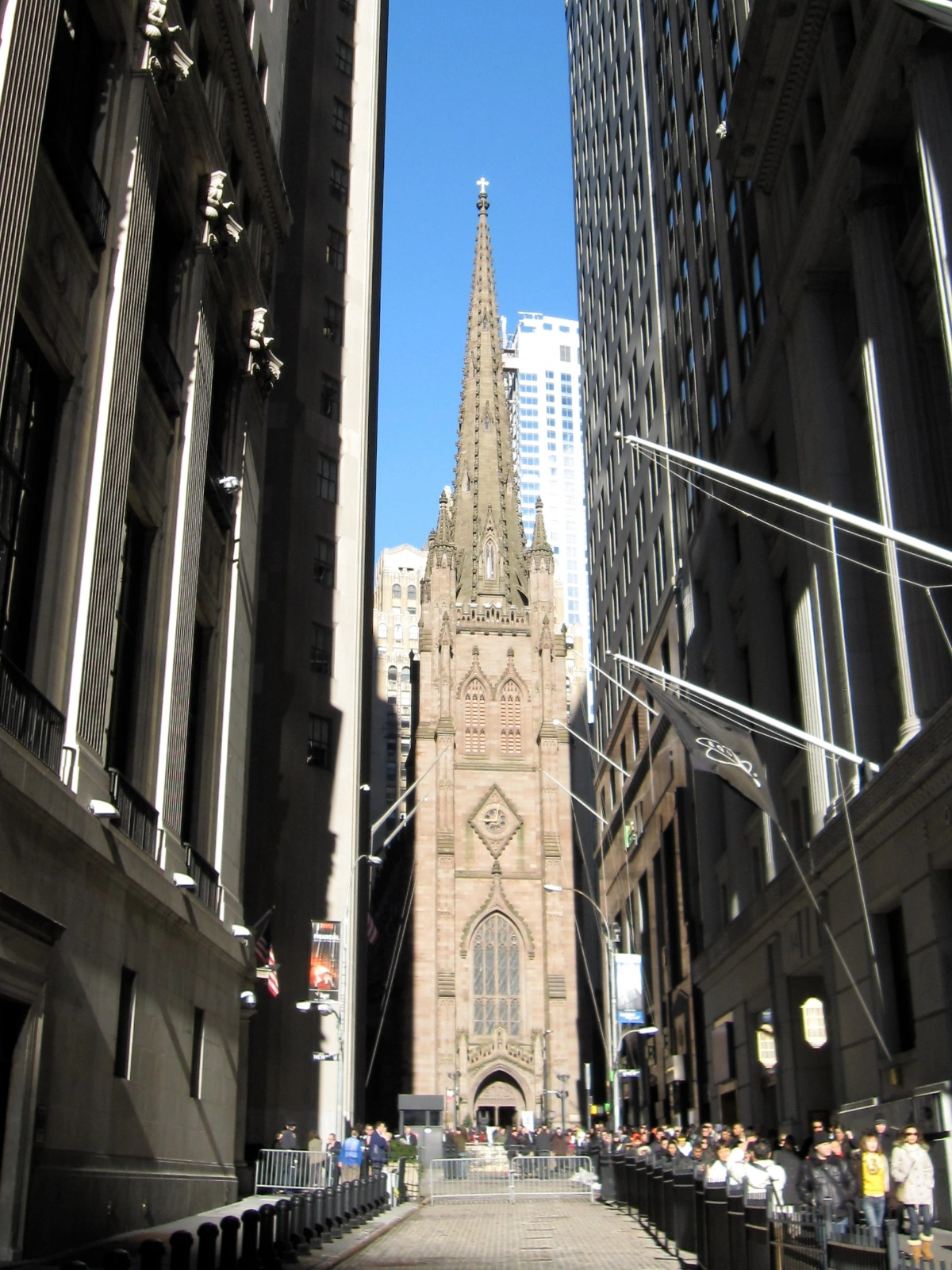
- Wall Street: Just a short walk away, you can see the New York Stock Exchange, Federal Hall, and the Charging Bull statue. Feel the pulse of the financial world.
- 9/11 Memorial & Museum: For a profound and moving experience, pay your respects at this powerful tribute to remembrance and resilience. It's a must-visit for many, offering a quiet contrast to the bustling streets.
- Battery Park: Head towards the waterfront for refreshing views of the Statue of Liberty and Ellis Island. This is also where you can catch ferries if you want to visit those iconic landmarks up close.
- South Street Seaport: This district offers more cobblestone streets, diverse shops, dining, and a rich maritime past. It’s another historic area with a distinct charm.
- The Elevated Acre: A true hidden gem! This serene rooftop park provides unexpected panoramic views of the East River and the Brooklyn Bridge. It's a peaceful escape from the street level activity.
Each of these spots offers a different flavor of New York, allowing you to tailor your Lower Manhattan experience to your interests.












.jpg)
.jpg)






















.jpg)










.avif)


