
.webp)

TLDR: The Upper East Side stretches from 59th to 96th Street between Central Park and the East River, packed with world-class museums, upscale shopping on Madison Avenue, and surprising neighborhood spots locals actually frequent. Expect museum admission around $15-30, restaurants from $20-40 per person, and a slower pace than Midtown.
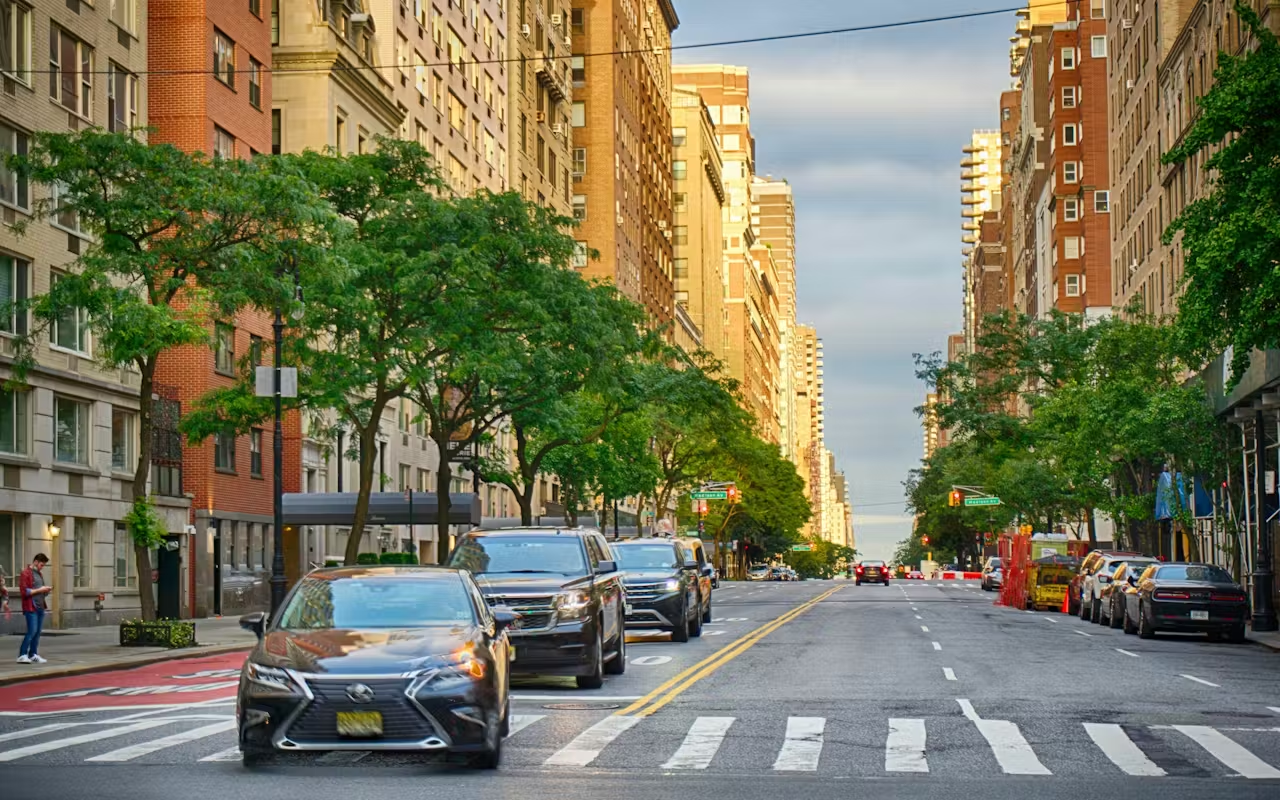
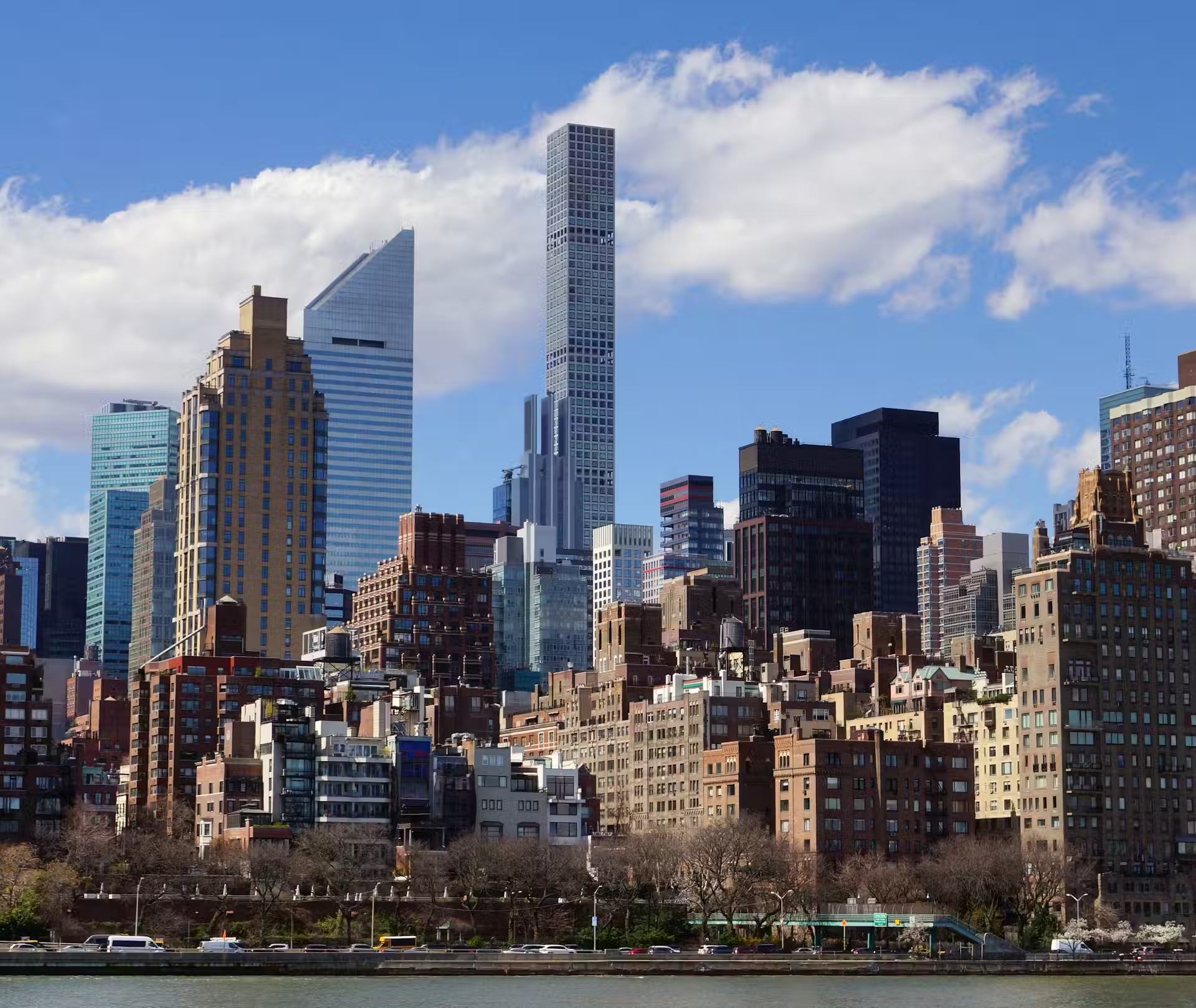
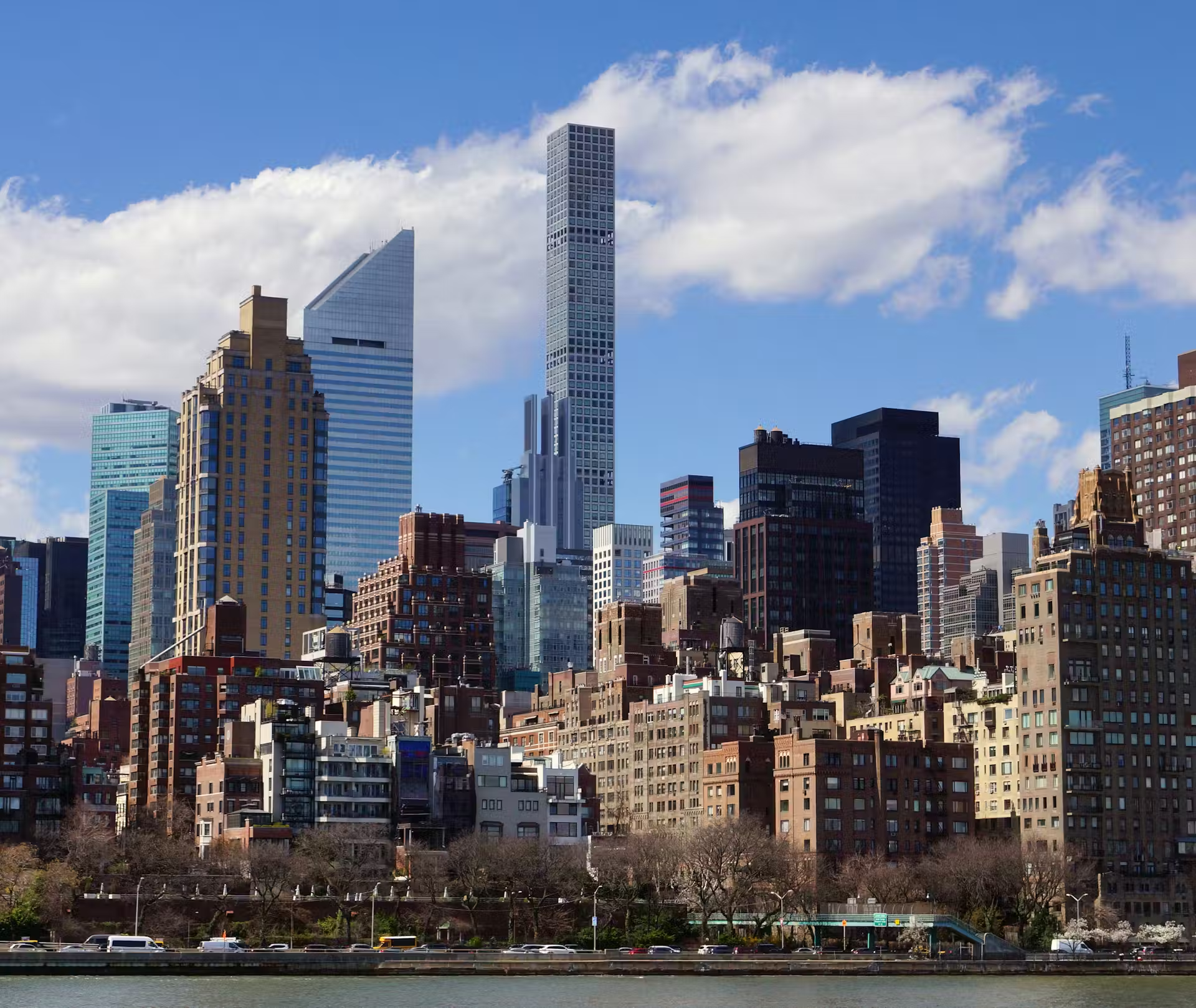
Walking through the Upper East Side feels different than the rest of Manhattan. The sidewalks are wider, the buildings have actual architectural details, and people aren't sprinting to catch trains.
I've spent considerable time exploring this neighborhood between museum visits and restaurant hunts, and what strikes me most is how it balances serious wealth with genuine neighborhood character. Yeah, Madison Avenue has Chanel and Hermès, but two blocks east you'll find family-run delis and dive bars that have been around for decades - and this guide helps you find the best spots.
What is the story behind Upper East Side?
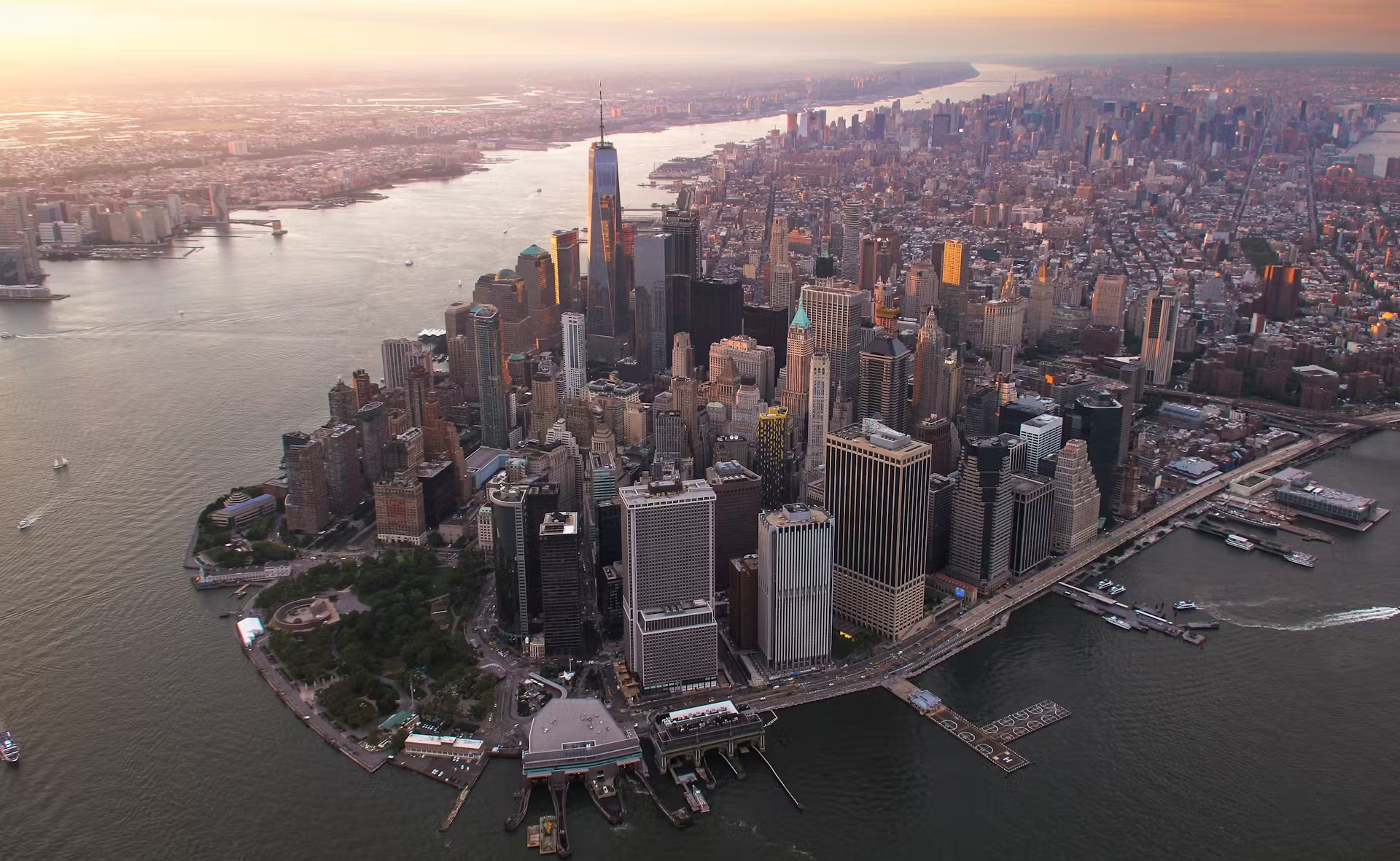
The Upper East Side was farmland and country estates until the 1880s when New York's street grid reached this far north. Wealthy families like the Vanderbilts, Carnegies, and Astors built mansions along Fifth Avenue, establishing the neighborhood's reputation for affluence that persists today.
The construction of Central Park in the 1850s-1870s made this area desirable, and the arrival of elevated trains in the 1880s opened it to middle-class development further east. By the early 1900s, the neighborhood had split into distinct areas: the "Gold Coast" along Fifth Avenue with massive townhouses, and more modest brownstones and apartment buildings toward the East River. Museum Mile developed in the mid-20th century when cultural institutions moved into former mansions.
Today's neighborhood maintains that east-west economic divide, though the entire area now ranks among Manhattan's priciest.
What are the top things to do in Upper East Side?
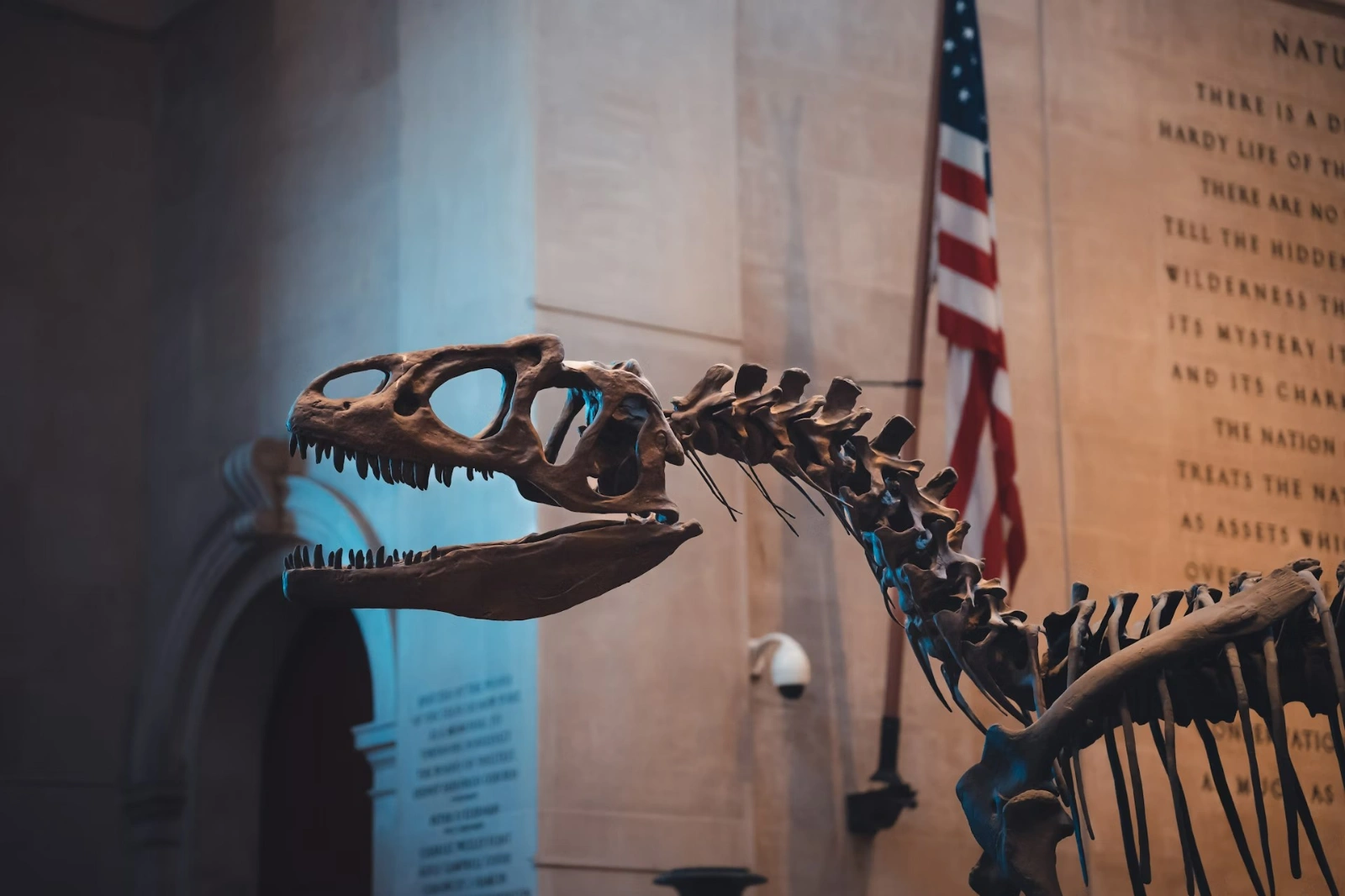
The museum scene here is genuinely world-class and you can't fake that.
- The Met sprawls across 2 million square feet and I've never finished it in one visit.
- The Guggenheim Museum's spiral architecture gets photographed more than the art inside, but Frank Lloyd Wright's building deserves the attention.
- The Frick Collection reopened in 2025 after a major renovation, displaying masterpieces in a former mansion that somehow avoids feeling stuffy.
- The Jewish Museum covers 4,000 years of Jewish culture.
- And the Cooper Hewitt Smithsonian Design Museum occupies the Carnegie Mansion.
You could spend a week just hitting museums.
Beyond museums, The Conservatory Garden at Central Park's northeast corner (105th Street entrance) offers formal European-style gardens that most tourists miss entirely. The Roosevelt Island Tramway leaves from 60th Street and Second Avenue, costing the same as a subway ride ($2.90) but providing four minutes of aerial views across the East River.
Carl Schurz Park and the East River Promenade stretch along the waterfront from 84th to 90th Streets with walking paths, playgrounds, and views toward Queens. Gracie Mansion, the mayor's official residence since 1942, sits in the park and offers occasional public tours. You can easily use The Personal Tour Guide to create a custom audio walk among all these attractions.
Where to eat on the Upper East Side?
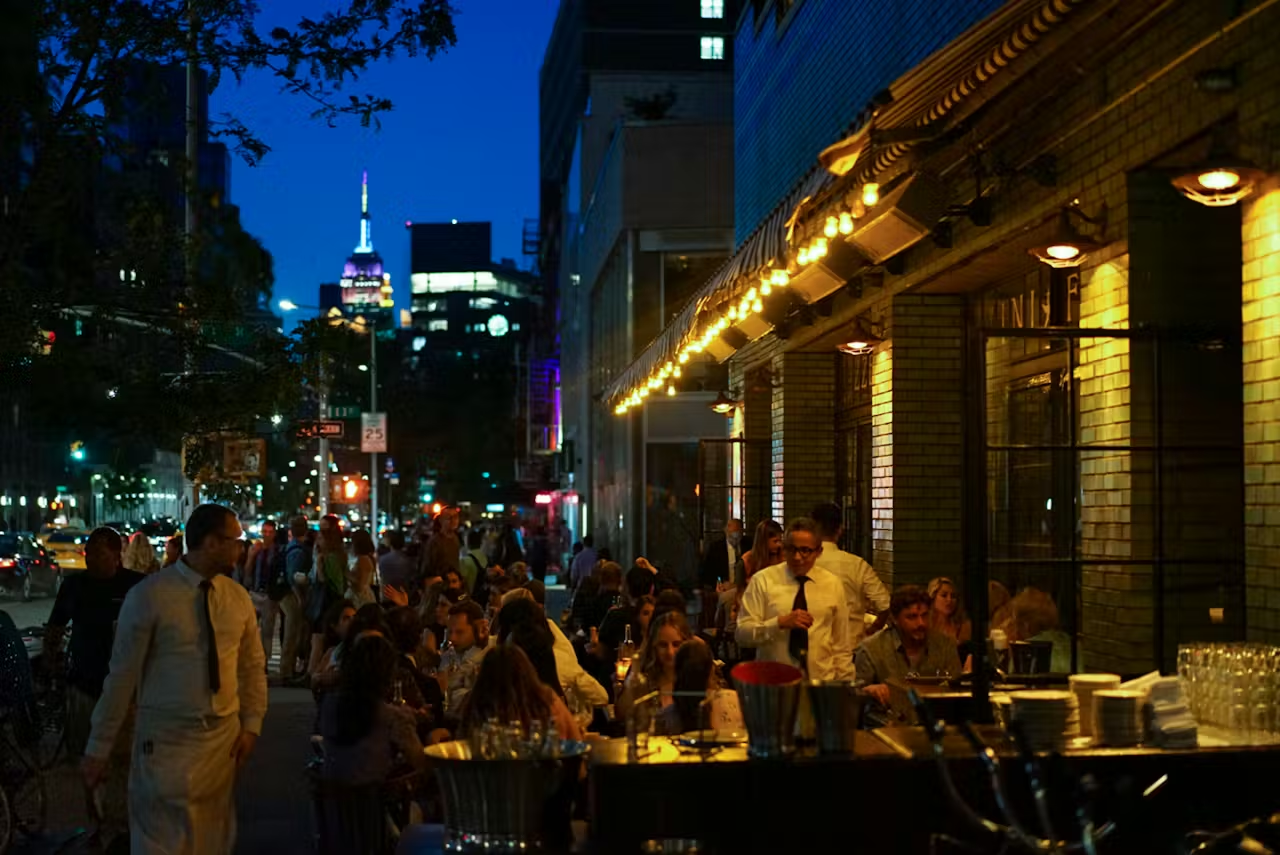
The restaurant situation here surprised me because I expected everything to be expensive and French. Yes, Daniel charges $195 for three courses and deserves its Michelin stars, but you'll also find Pastrami Queen serving massive sandwiches for under $20.
The mix is what makes it interesting. Le Veau d'Or on East 60th Street does classic French bistro food in a room that opened in 1937, with reservations releasing two weeks out at 9 AM sharp. Sushi Seki has multiple locations up here because the neighborhood supports that many high-end omakase spots. Rafael on Lexington Avenue brings Mediterranean flavors with challah French toast at brunch and kofta kebab at dinner.
For casual eating, Al Badawi's Palestinian food works well for groups and they're BYOB, which helps the bill. Café Maud opened recently on Second Avenue serving an all-day menu with creative cocktails.
What are the hidden gems in Upper East Side?
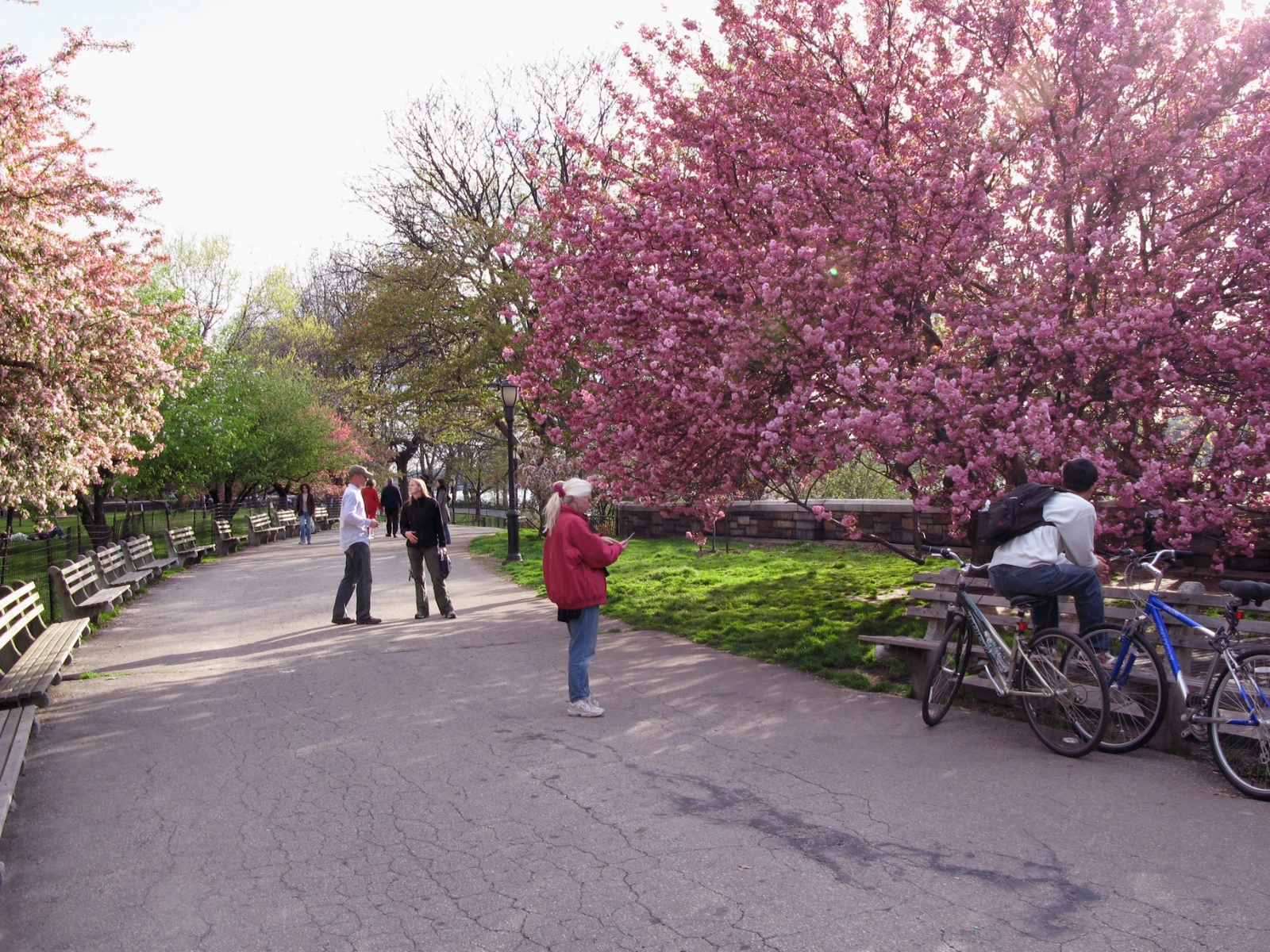
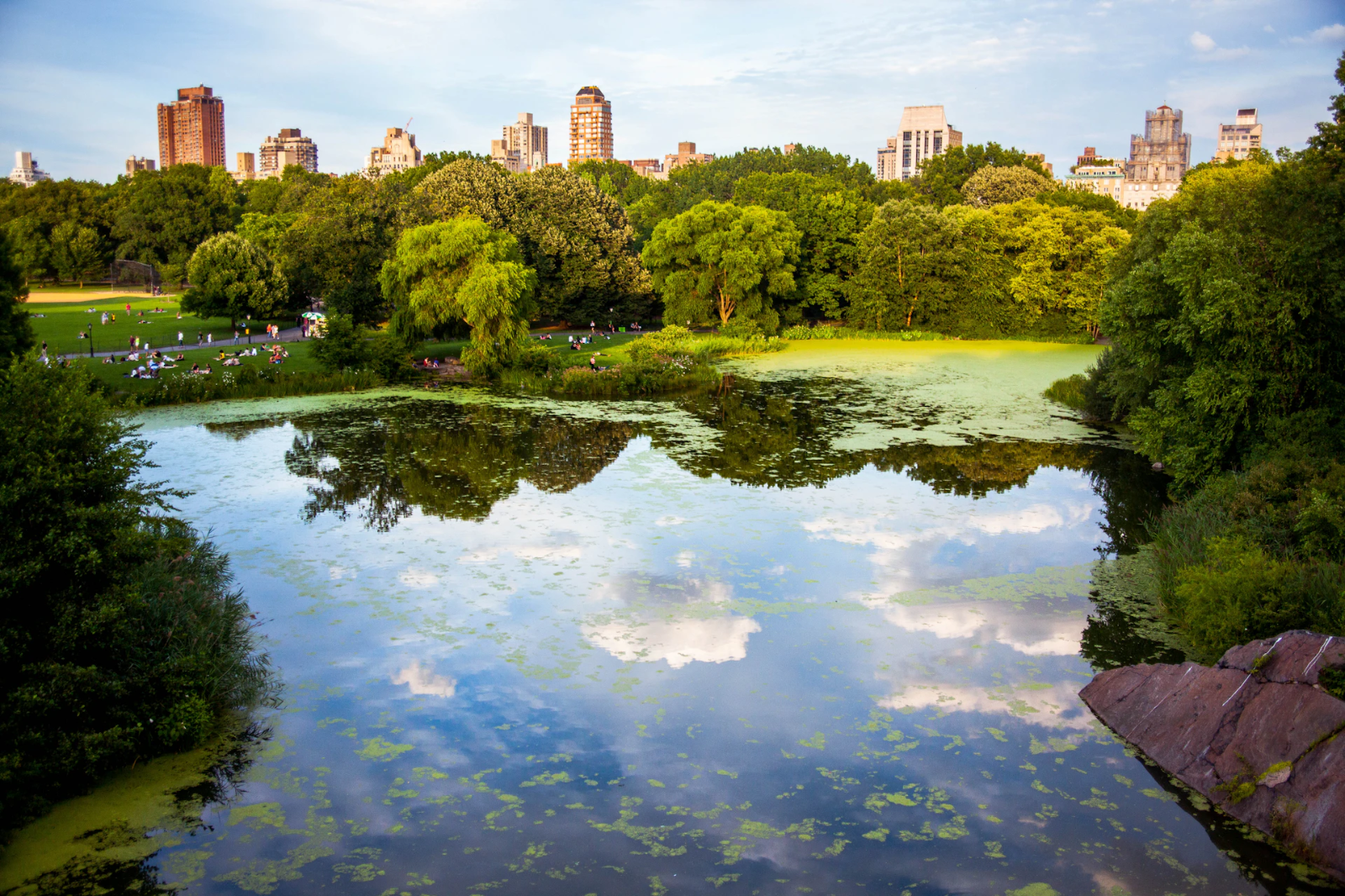
The Conservatory Garden qualifies as a hidden gem in Upper East Side despite being inside Central Park. Most people never make it this far north in the park, so you'll find peaceful gardens with seasonal flowers, fountains, and almost no crowds on weekday mornings. The entrance at Fifth Avenue and 105th Street passes through the ornate Vanderbilt Gate.
Albertine Books inside the French Embassy at 972 Fifth Avenue sells French and English books in what might be Manhattan's most beautiful bookstore. The Neue Galerie at 86th Street and Fifth Avenue focuses on early 20th-century German and Austrian art in an elegant townhouse that feels more intimate than the massive museums nearby. Carl Schurz Park's waterfront promenade rarely shows up in guidebooks but provides excellent running paths and East River views without Central Park's crowds.
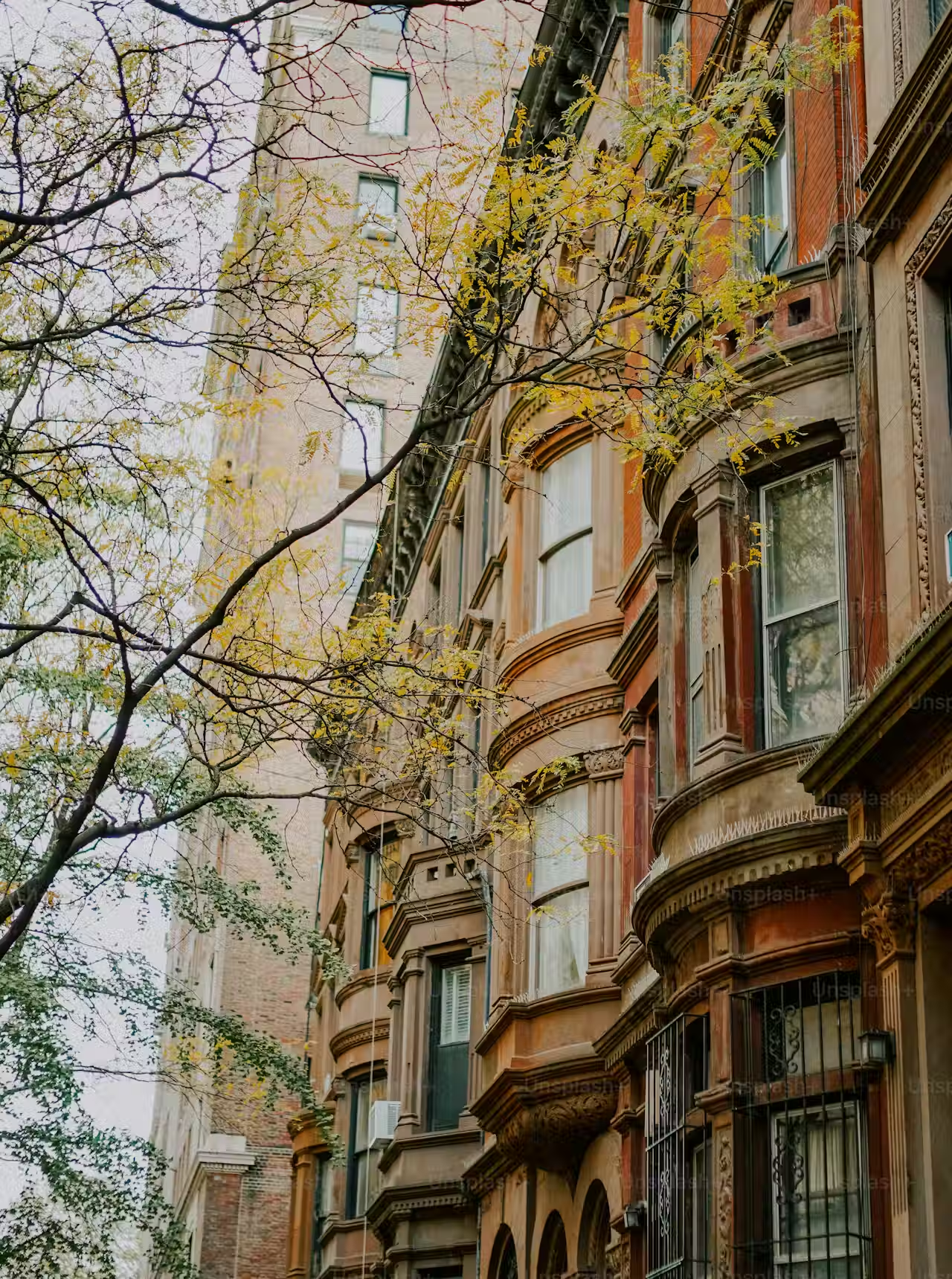
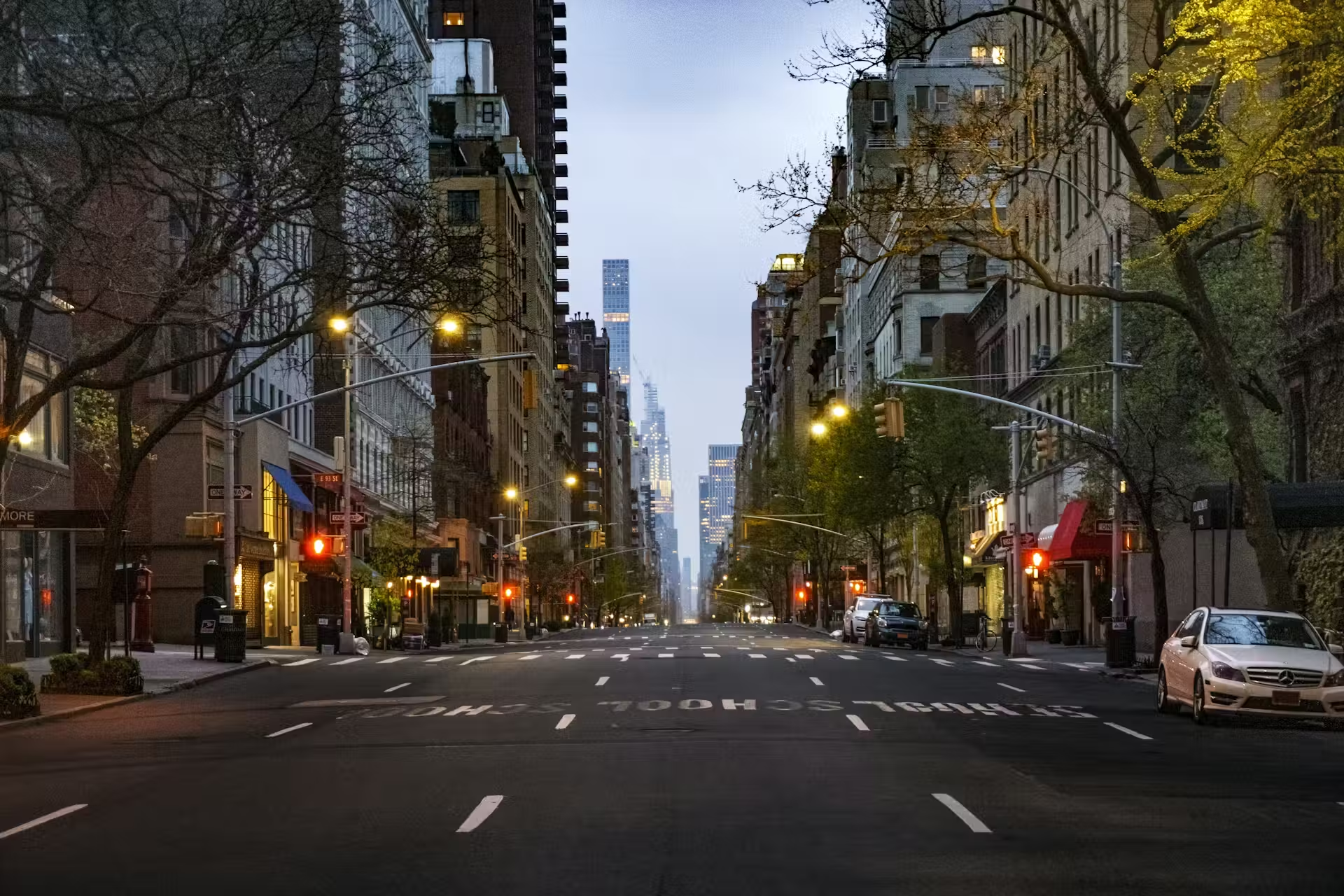
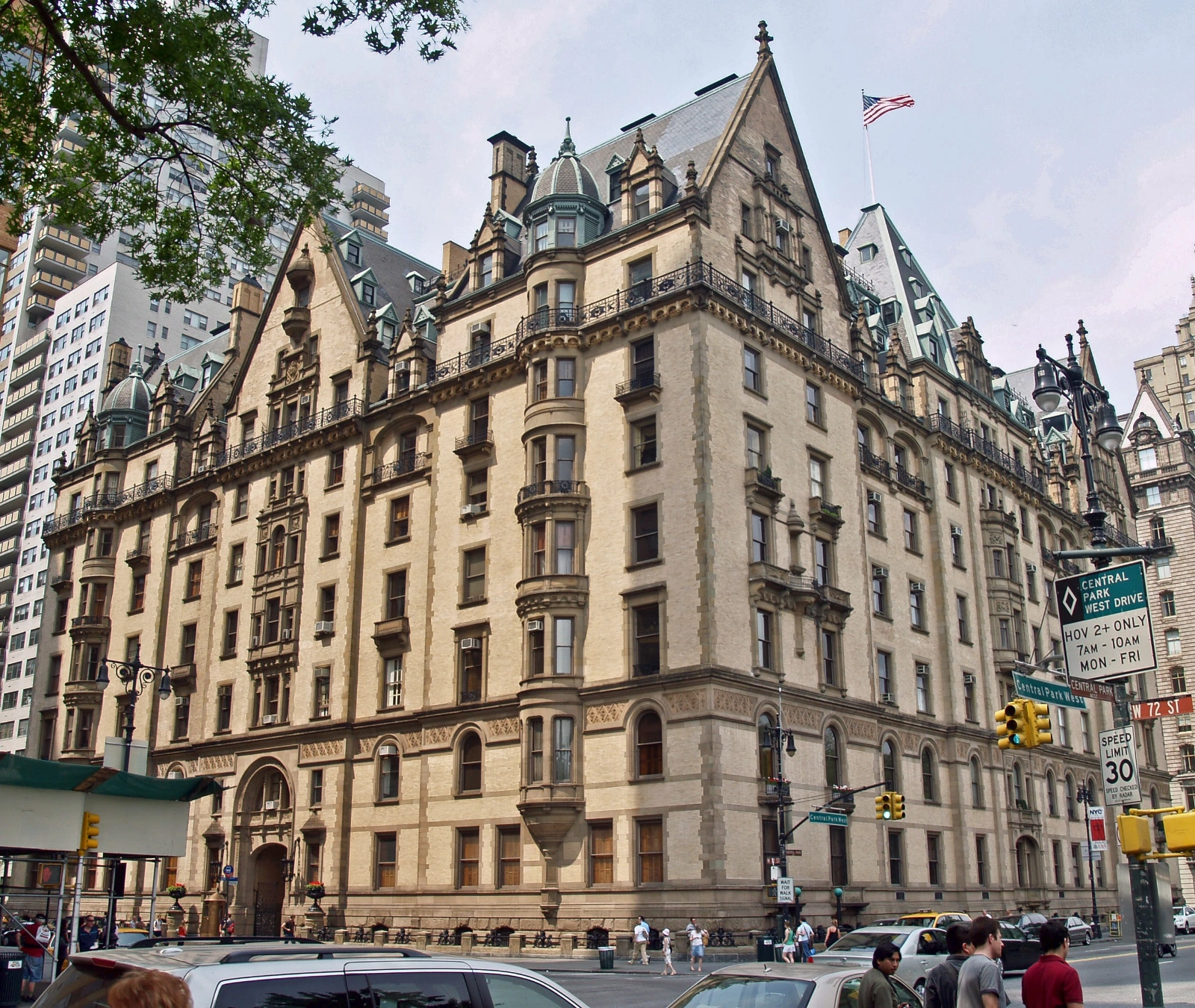
The side streets between Fifth and Park Avenues in the 60s through 80s have preserved rows of brownstones and townhouses that photograph beautifully.
How expensive is the Upper East Side?
Very expensive by any reasonable standard, but with range if you know where to look. Museum admission runs $15-30 for adults, though The Met operates on a pay-what-you-wish model for New York residents.
Restaurant meals span from $5 pizza slices to $300 tasting menus. A sit-down lunch typically costs $20-35 per person at casual places, dinner $30-50 at mid-range spots. Madison Avenue shopping means designer boutiques with four-figure price tags, but Lexington and Third Avenues have normal stores. Coffee runs $5-7, cocktails $15-20, and grocery stores charge Manhattan premiums.
You can visit the neighborhood on a budget by hitting free museum hours, eating casual spots, and walking everywhere, but it's definitely pricier than Brooklyn or Queens.
What's the best time to visit Upper East Side?
Weekday mornings offer the best museum experience before tour groups arrive. I've visited The Met at 10 AM on Tuesdays and had entire galleries nearly to myself.
Weekends bring crowds to Museum Mile, especially spring and fall when weather is perfect. Summer sees maximum tourists but also extended museum hours. The Conservatory Garden looks spectacular in spring during tulip season (April-May) and fall chrysanthemum displays (October).
Early evening around 6-7 PM works well for restaurant hunting when happy hours are happening but dinner rushes haven't started. Winter brings smaller crowds and holiday decorations, though some outdoor attractions like the tramway feel brutal in cold winds.
How do you get around Upper East Side?

The neighborhood is extremely walkable with a clear grid system that's easy to navigate.
- The 4, 5, and 6 subway lines run along Lexington Avenue with stops every 8-10 blocks. The Q train follows Second Avenue with fewer stops.
- Multiple bus lines (M15, M31, M57, M79, M86) connect east-west and north-south.
- Walking works well for covering the area since avenues are close together and most destinations cluster between 59th and 96th Streets.
- The Roosevelt Island Tramway provides scenic transportation to Roosevelt Island using regular MetroCards.
- Bikes work fine since traffic moves slower here than in other Manhattan neighborhoods, though bike lanes are less consistent than downtown.
- Taxis and ride-shares are readily available.
From Midtown, it's a 10-15 minute subway ride or 20-minute walk north.
Is it worth visiting Upper East Side?
Absolutely worth visiting if you're interested in museums, architecture, or seeing where actual New Yorkers with money live.
The museum concentration here is unmatched anywhere in America, and even if you're not huge on art, buildings like the Guggenheim and The Frick's mansion are architectural experiences themselves.
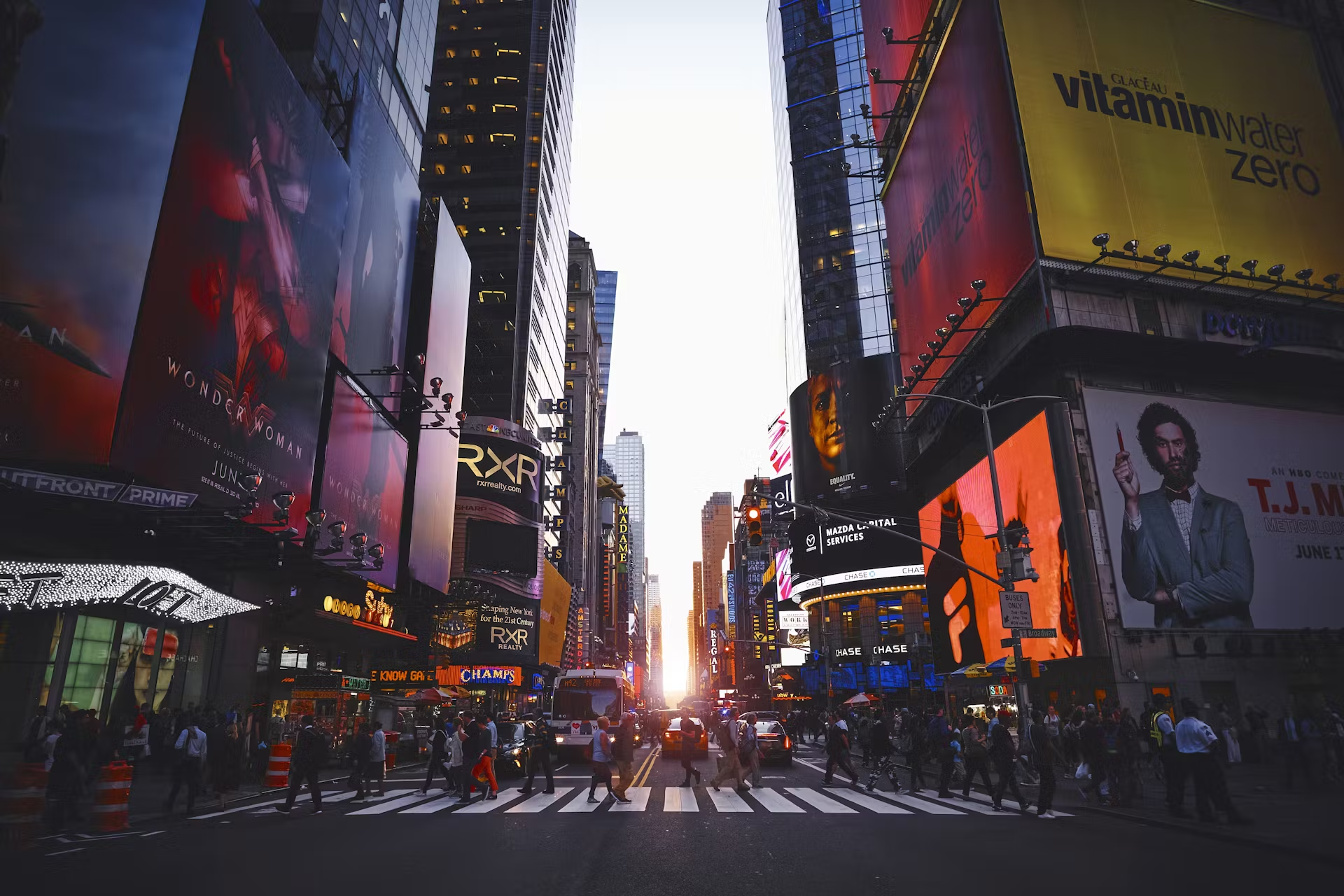
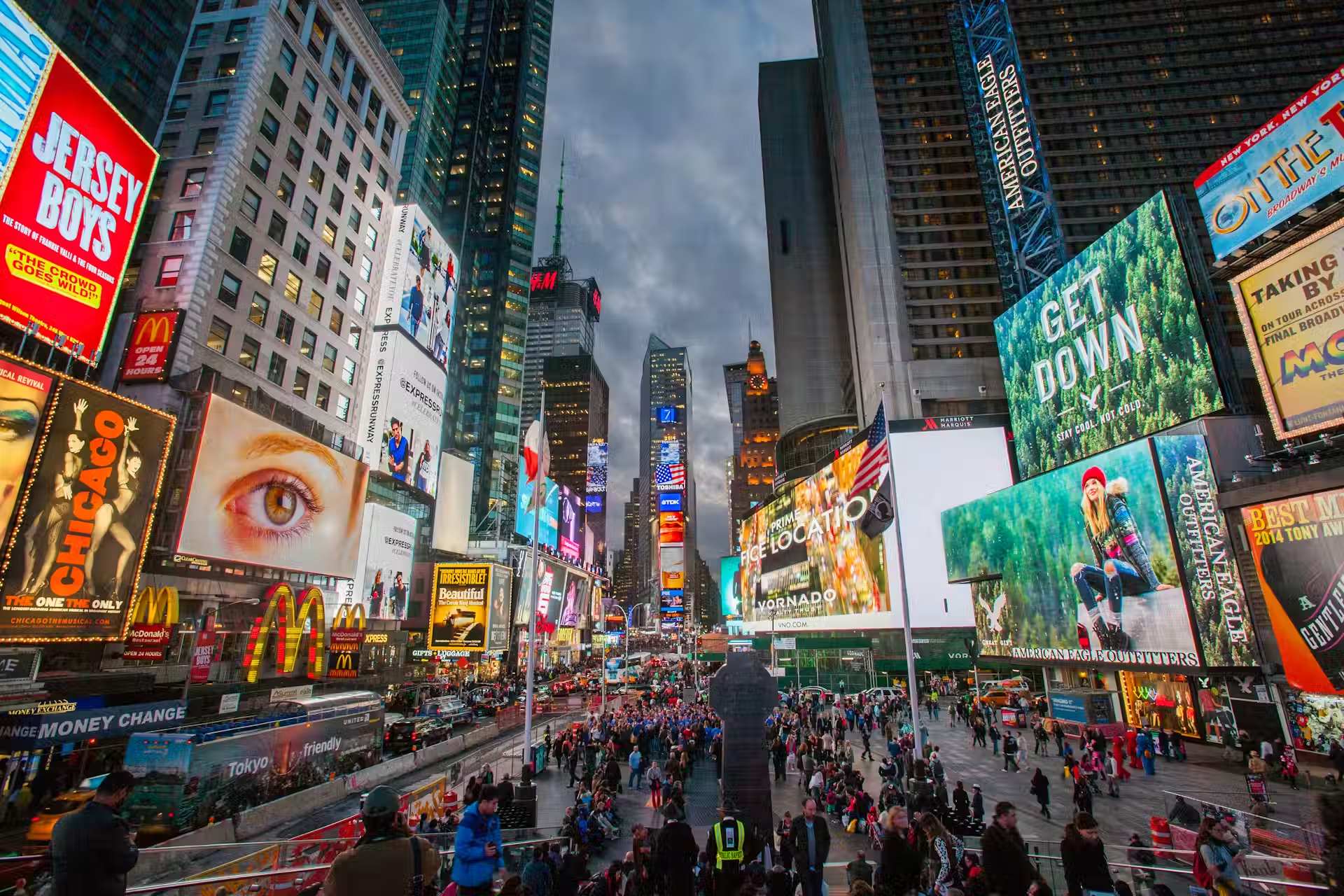
The neighborhood provides a completely different Manhattan vibe than Times Square or Greenwich Village - quieter, more residential, with better sidewalks and tree-lined streets. However, if you're looking for nightlife, cutting-edge restaurants, or gritty NYC energy, you'll find limited options.
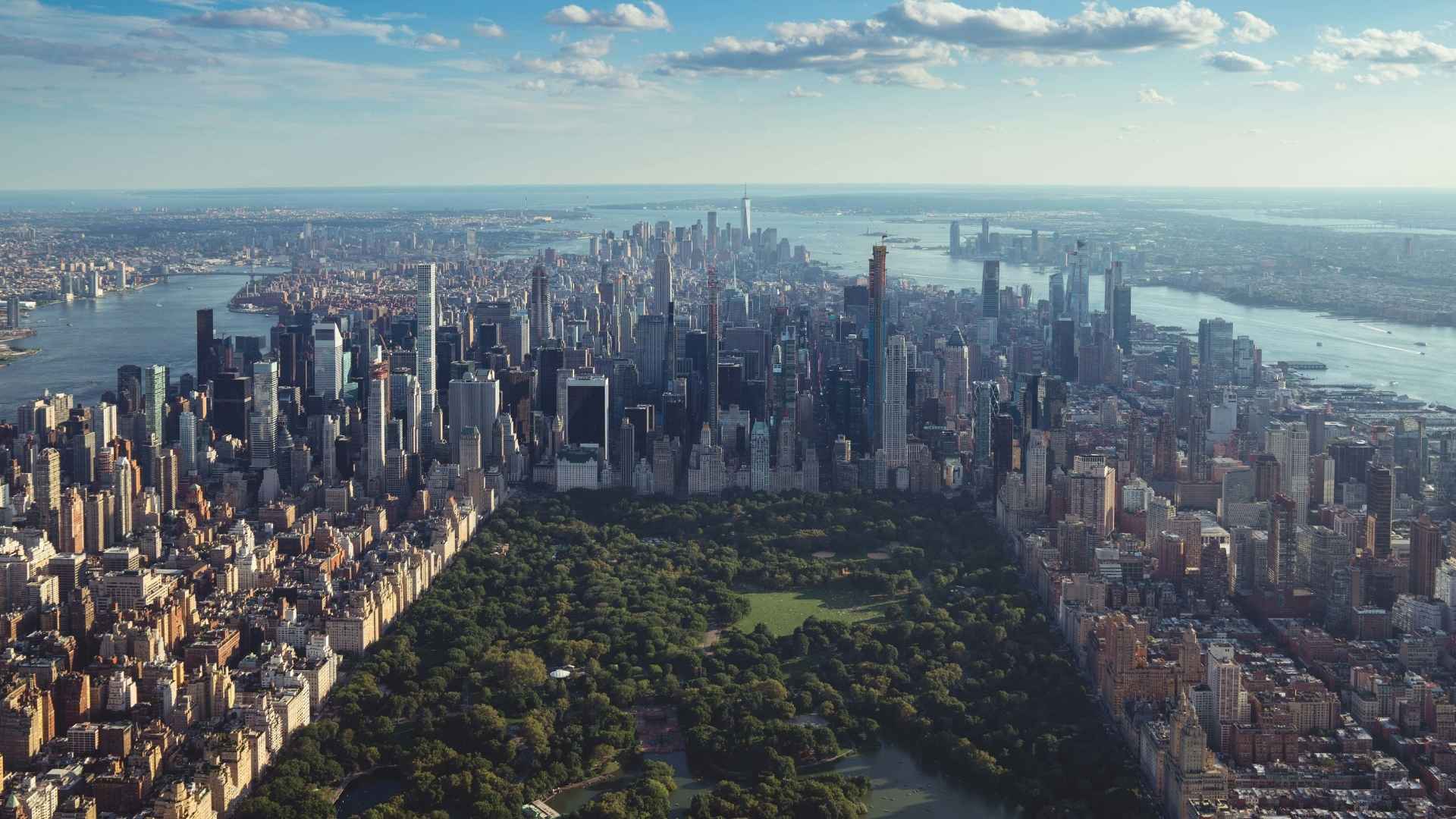
Budget at least half a day, ideally a full day if you're hitting multiple museums. The neighborhood works perfectly in combination with Central Park visits since you're literally adjacent.
Want to explore Upper East Side your way?
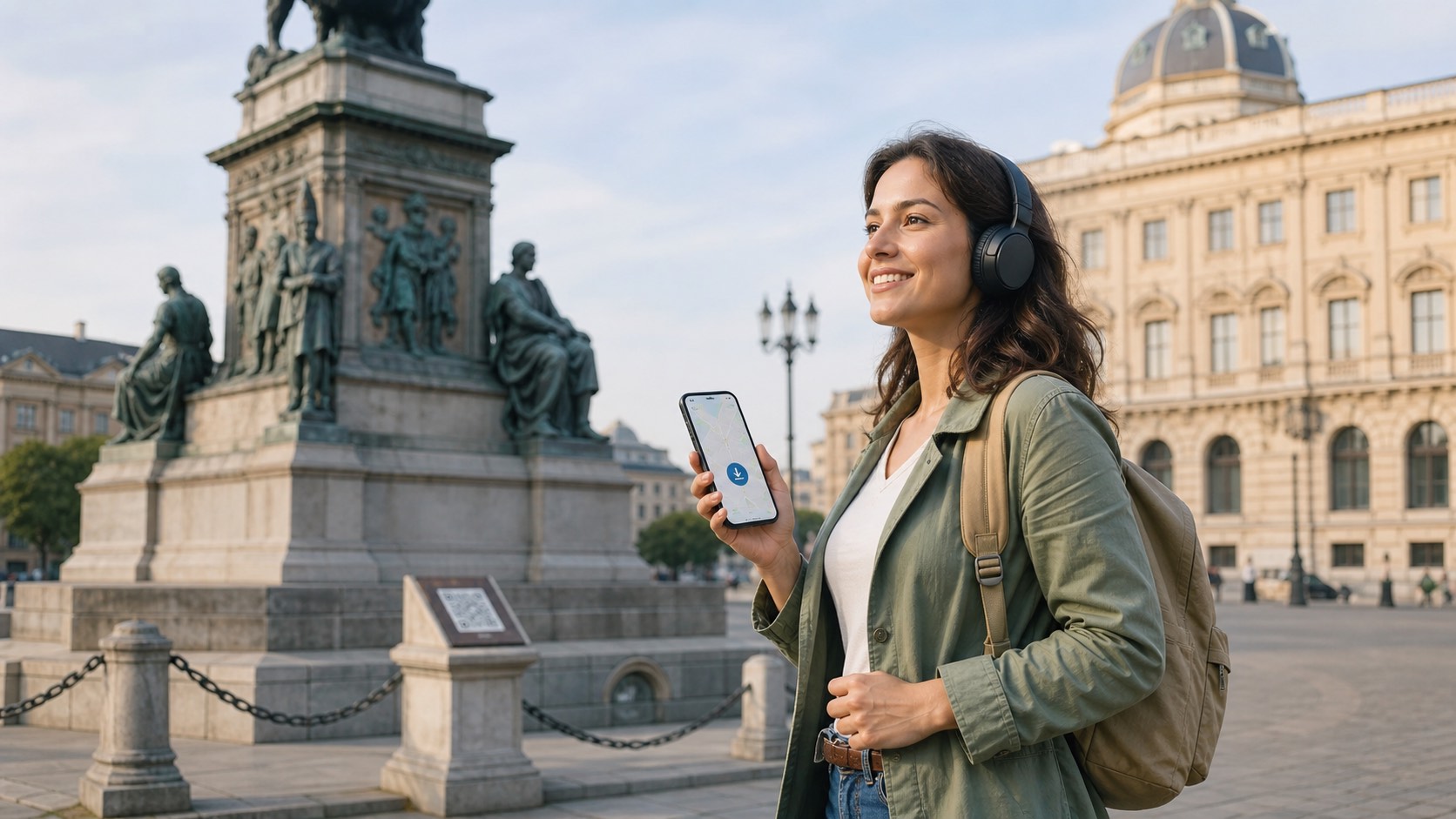
Ready to discover the Upper East Side beyond the standard tourist route? The Personal Tour Guide creates customized audio walks based on what actually interests you - whether that's architectural history, hidden neighborhood spots, or the best route connecting multiple museums.
The interactive map adapts to your pace, letting you explore brownstone side streets, find authentic local restaurants, and understand the stories behind the mansions and museums that define this neighborhood. Skip the generic tours and build an experience that matches your curiosity.












.jpg)





.jpg)


.jpg)










.jpg)


.avif)


