
.webp)

TLDR: SoHo offers world-class shopping, stunning cast-iron architecture, immersive museums, legendary restaurants, plus quirky gems like the New York Earth Room. Best explored on foot with comfortable shoes.
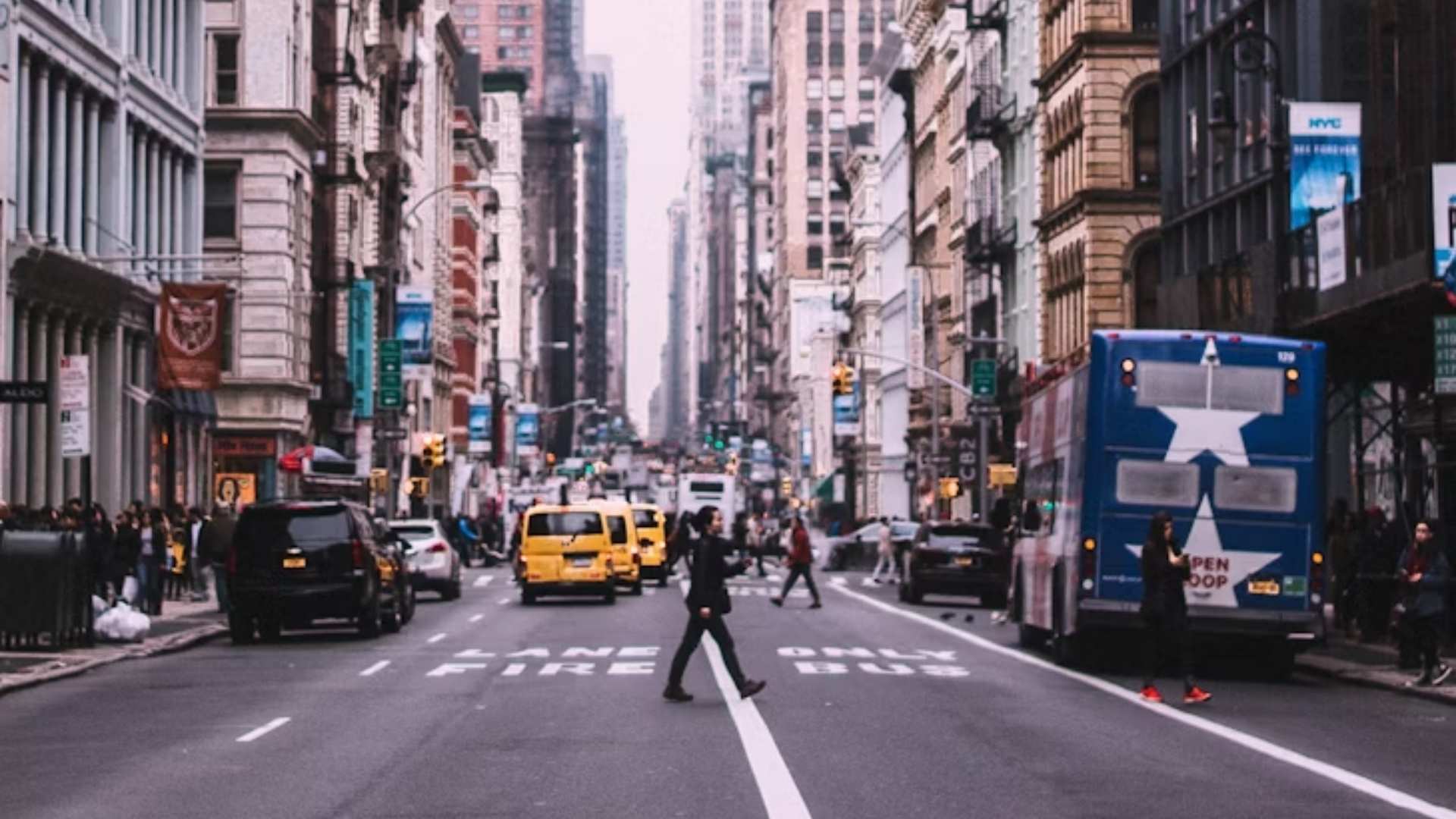
Each time I wander the cobblestone streets of SoHo they reveal something new: a gallery I missed, a cafe tucked behind a designer boutique, or sunlight hitting those cast-iron facades just right.
This neighborhood packs serious history, world-class shopping, and some genuinely weird attractions into about 20 square blocks. Here's the things to do in Soho that's actually worth your time.
1. Use an interactive map
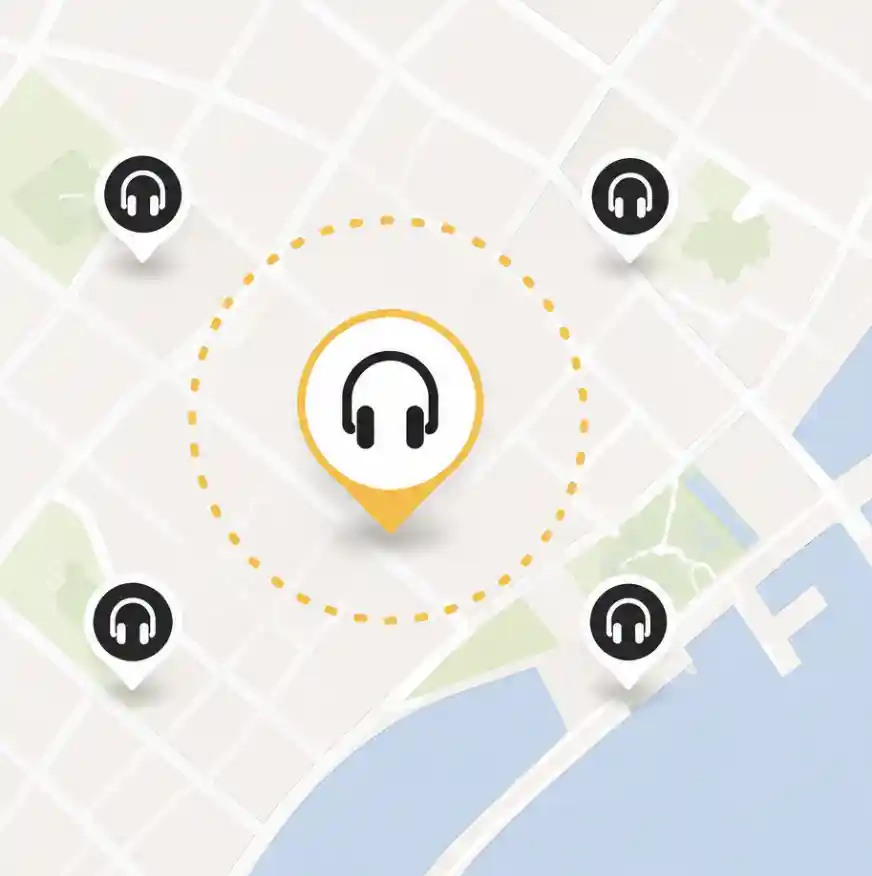
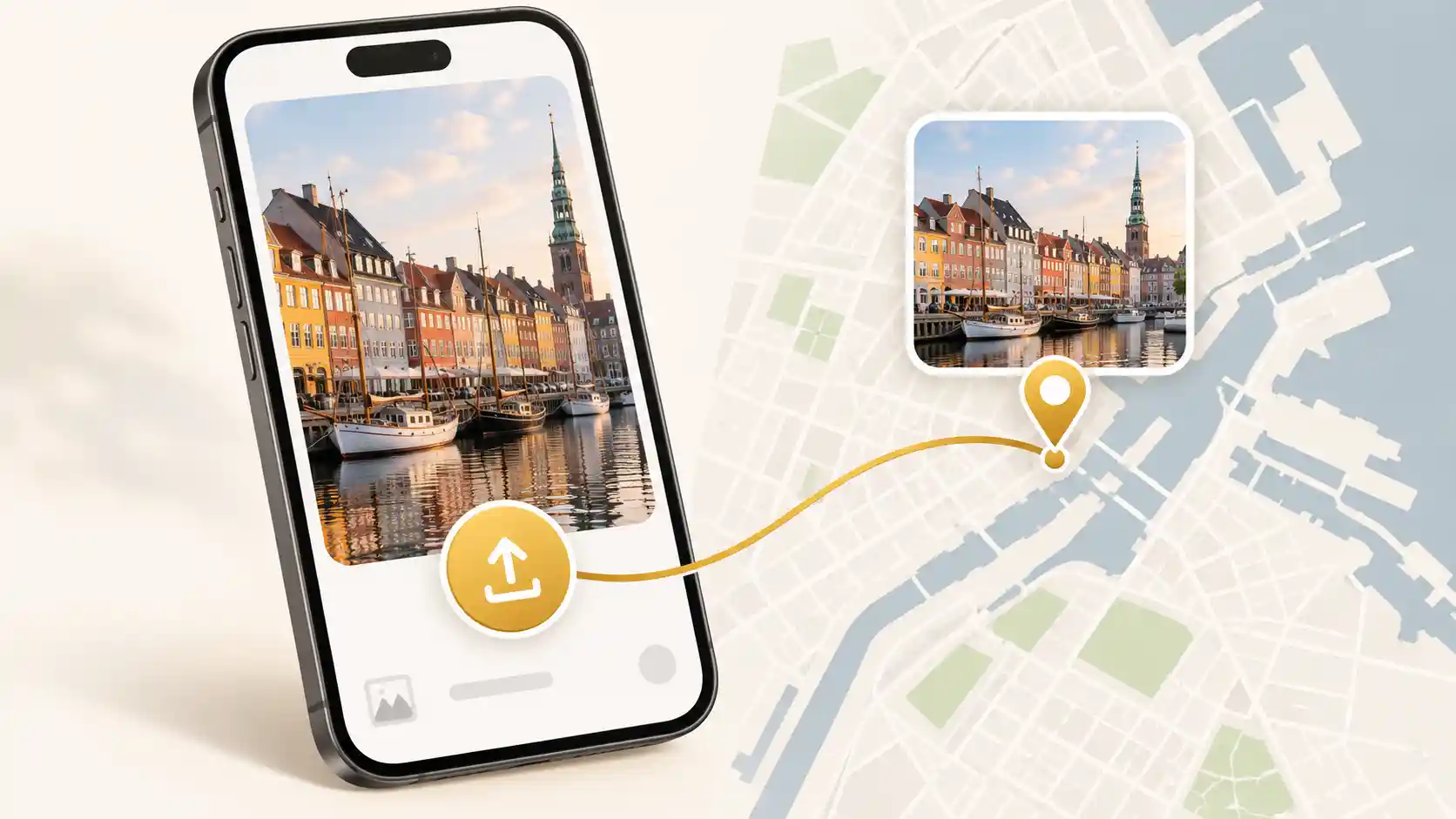
Even though SoHo is such a small area, it is still packed with many attractions and things to see. It can be difficult to plan a whole day here - unless you use a free digital tool like StoryHunt, which has an interactive map of SoHo.
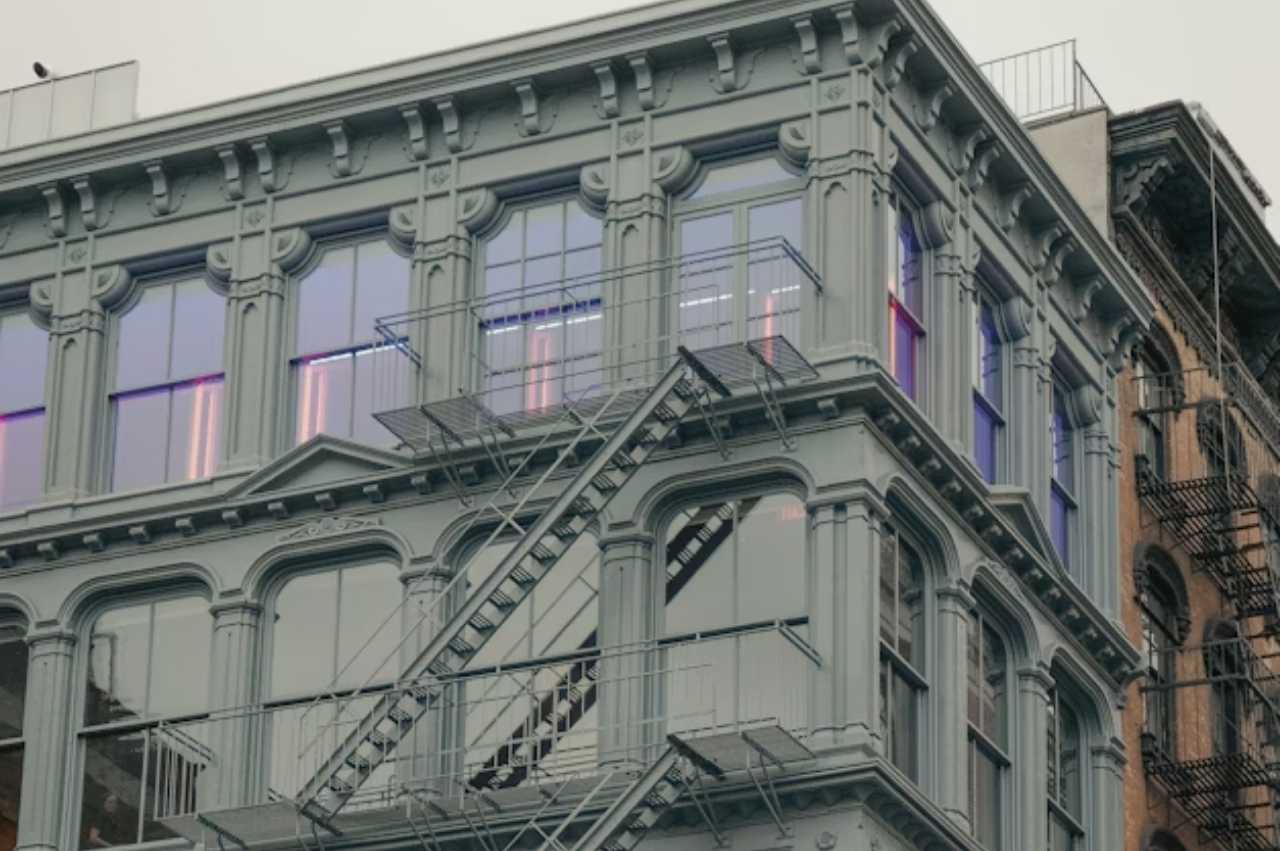
It makes it incredible easy for you to see all the primary things to do in SoHo. I can really recommend planning a tour that highlights the cast-iron faces. SoHo contains the world's greatest surviving collection of cast-iron facades, and Greene Street between Canal and Houston offers the best concentration. Look up to see ornate Corinthian columns, elaborate cornices, and decorative details that were cheaper to cast in iron than carve in stone.
Did You Know? Cast-iron facades could be ordered from catalogs, allowing buildings to mimic expensive marble and stone construction at a fraction of the cost.
2. Color Factory

The Color Factory is one of the best things to do in SoHo NYC. It's a 20,000-square-foot interactive art installation that celebrates the joy of color through 12+ immersive rooms. USA Today readers voted it America's number one immersive art experience in 2024. Each room explores color differently: you might step into a ball pit, pose against painted backdrops, or interact with light installations.
Tickets start around $39 and include small treats throughout. The experience takes 60-90 minutes. It's designed for adults as much as children, though weekend crowds skew younger.
Did You Know? Color Factory originated in San Francisco in 2017 before opening its permanent New York location at 251 Spring Street.
3. Museum of Ice Cream
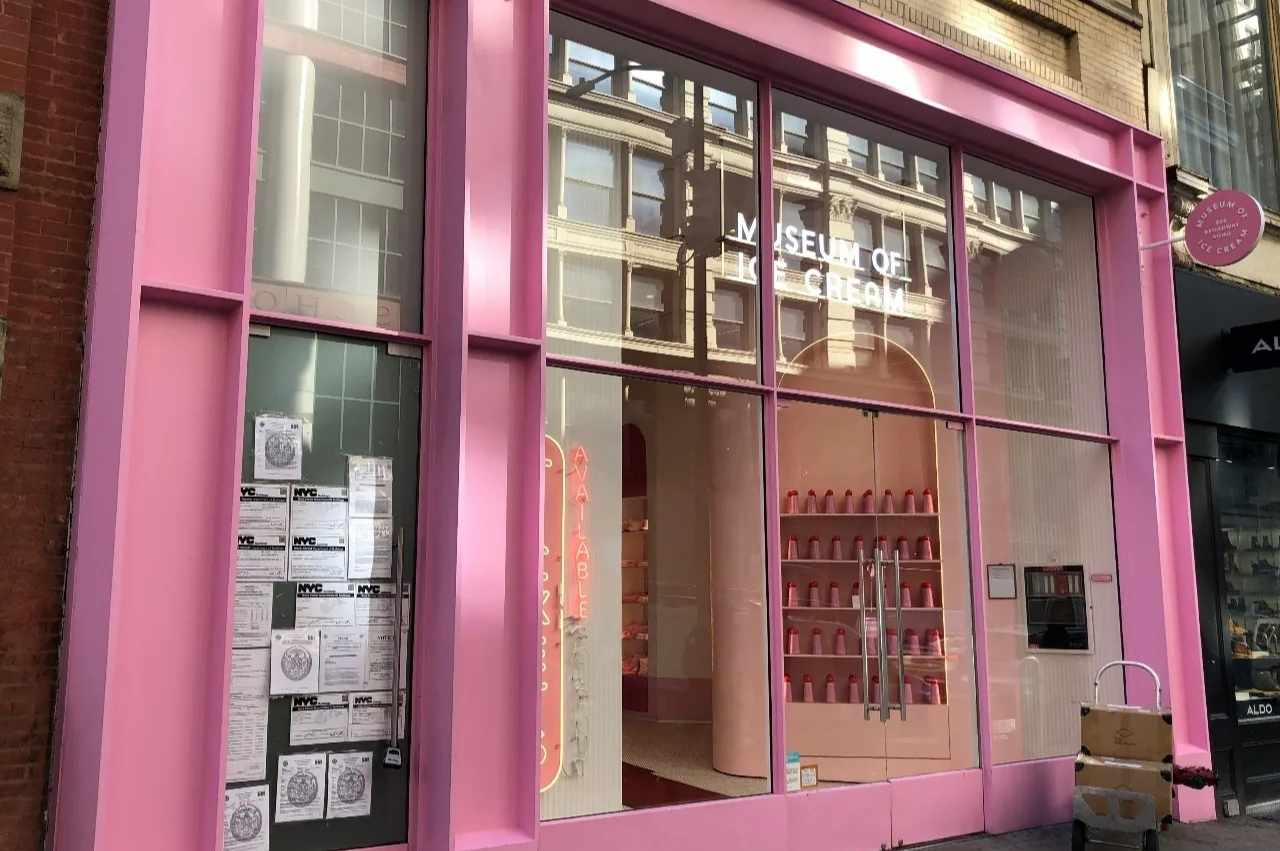
The Museum of Ice Cream 20,000-square-foot "museum" at 558 Broadway offers 13+ installations centered around ice cream and nostalgia. The famous sprinkle pool, three-story slide, and unlimited ice cream treats make it popular with families and Instagram users alike.
Tickets run $24-30 depending on day. The experience lasts about an hour. It's undeniably touristy, but genuinely fun if you embrace the silliness. The Celestial Subway installation and pink aesthetic photograph well.
Did You Know? The Museum of Ice Cream's sprinkle pool contains antimicrobial plastic sprinkles that get cleaned and sanitized regularly.
4. The Drawing Center

This nonprofit institution at 35 Wooster Street has championed drawing as an art form since 1977. Unlike commercial galleries, The Drawing Center focuses on historical and contemporary works on paper, from Renaissance sketches to experimental modern pieces.
Admission is suggested donation, making it accessible to everyone. The space is small but thoughtfully curated. Exhibitions rotate regularly. It's a refreshing alternative to SoHo's more commercial art spaces.
Did You Know? The Drawing Center has presented work by over 3,000 artists and maintains an archive of drawing-related research materials.
5. Balthazar Restaurant

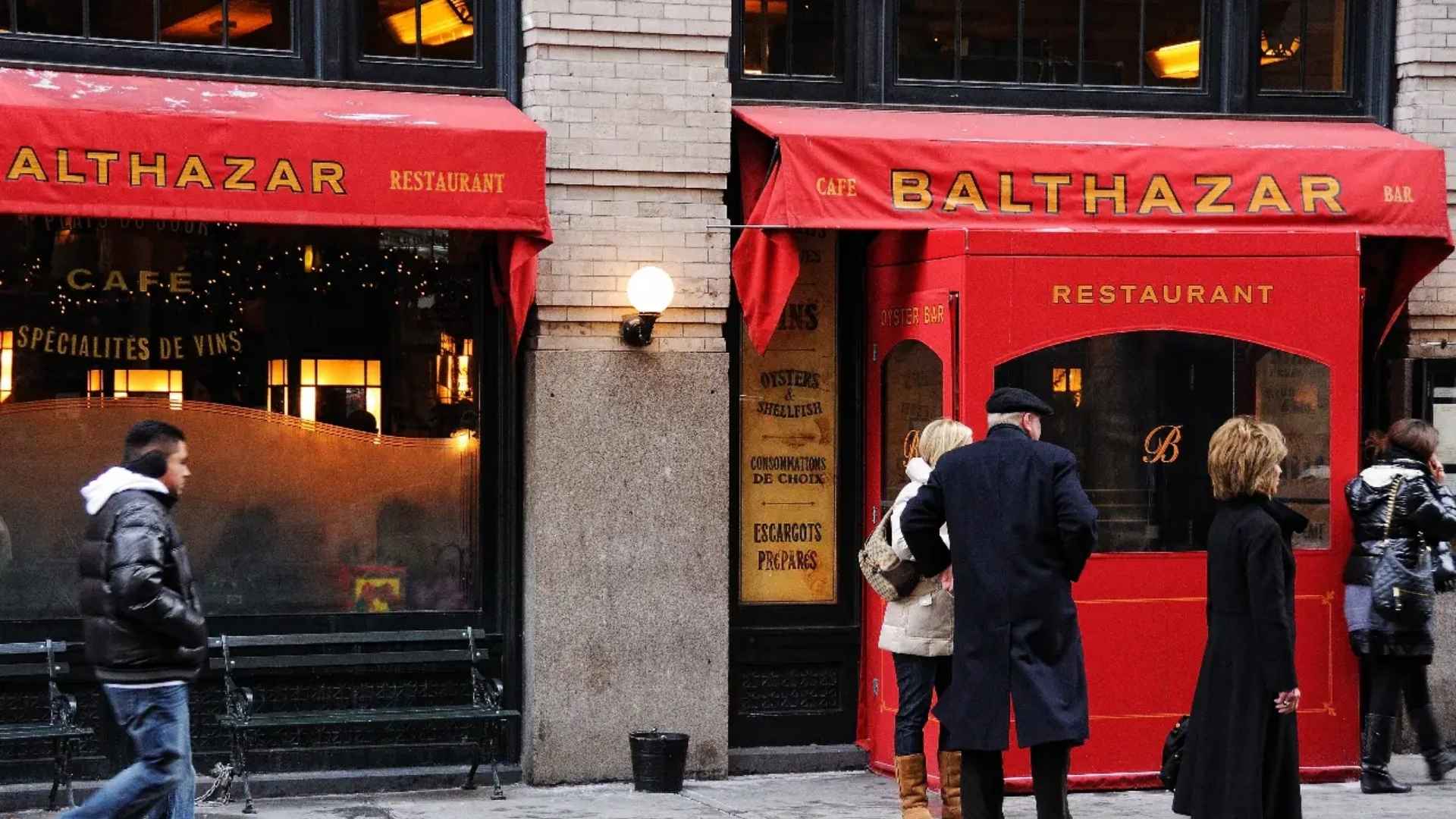
Keith McNally's French brasserie Balthazar at 80 Spring Street has been a New York institution since 1997. The room recreates a Parisian brasserie with red leather banquettes, aged mirrors, and a tin ceiling. The steak frites ($49) sells around 200 orders daily.
Reservations at Balthazar are essential for dinner, less so for breakfast. Balthazar Bakery next door sells pastries and bread without the wait. Celebrity sightings are common. It's pricey but delivers a quintessential New York dining experience.
Did You Know? Jerry Seinfeld proposed to his wife Jessica at Balthazar in 1999.
6. Dominique Ansel Bakery

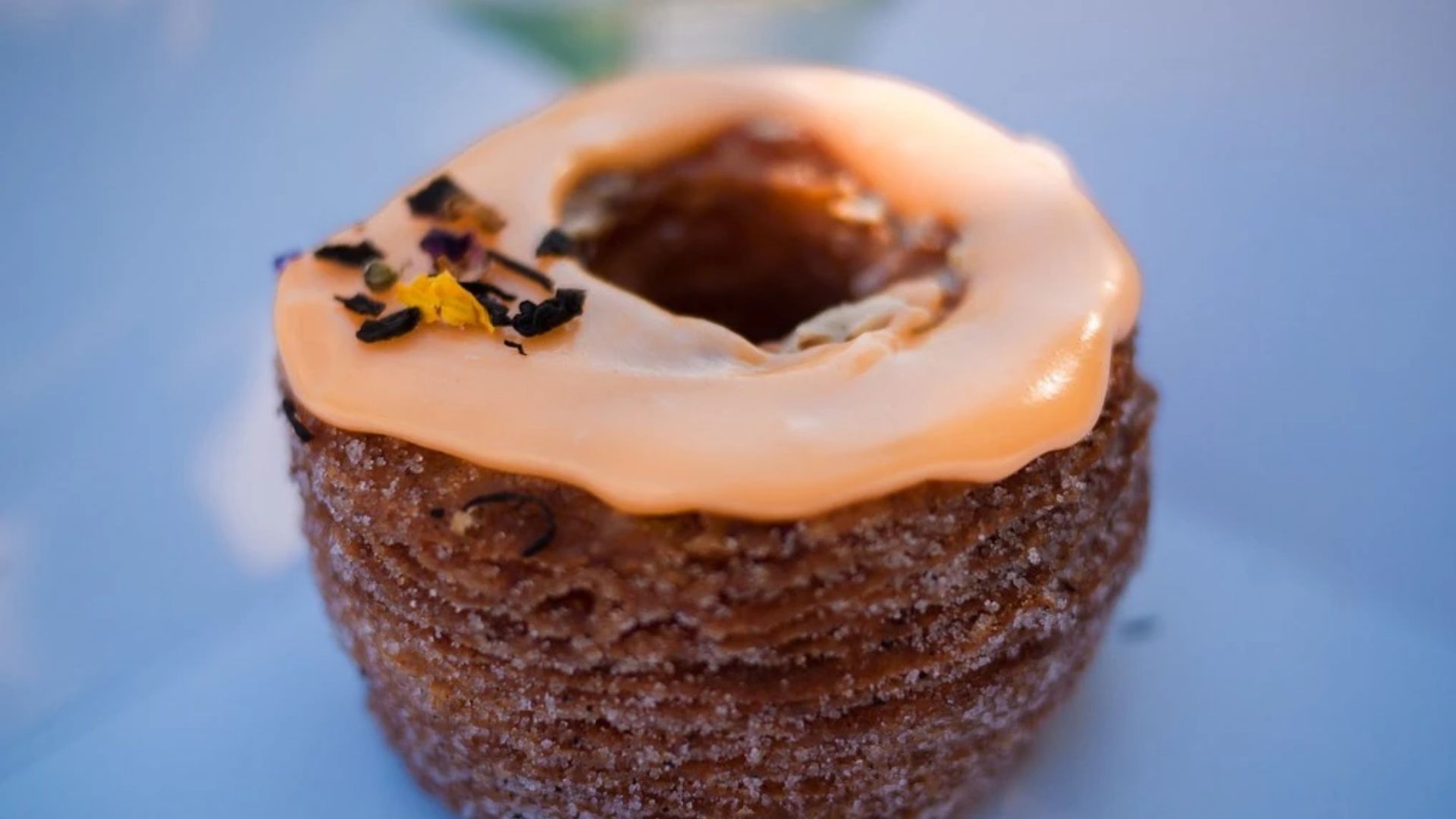
Dominique Ansel Bakery is the birthplace of the Cronut at 189 Spring Street which draws pastry lovers worldwide. Chef Dominique Ansel created the croissant-doughnut hybrid in 2013, and people still line up for them. The flavor changes monthly and never repeats.
Cronuts at Dominique Ansel Bakery cost $7.75 and are limited to two per person. Arrive early on weekends. The DKA (Dominique's Kouign Amann) and Cookie Shot are equally worth trying. Pre-orders are available online for Cronut pickup.
Did You Know? TIME Magazine named the Cronut one of the "25 Best Inventions of 2013" alongside the Tesla Model S and medical breakthroughs.
7. New York City Fire Museum
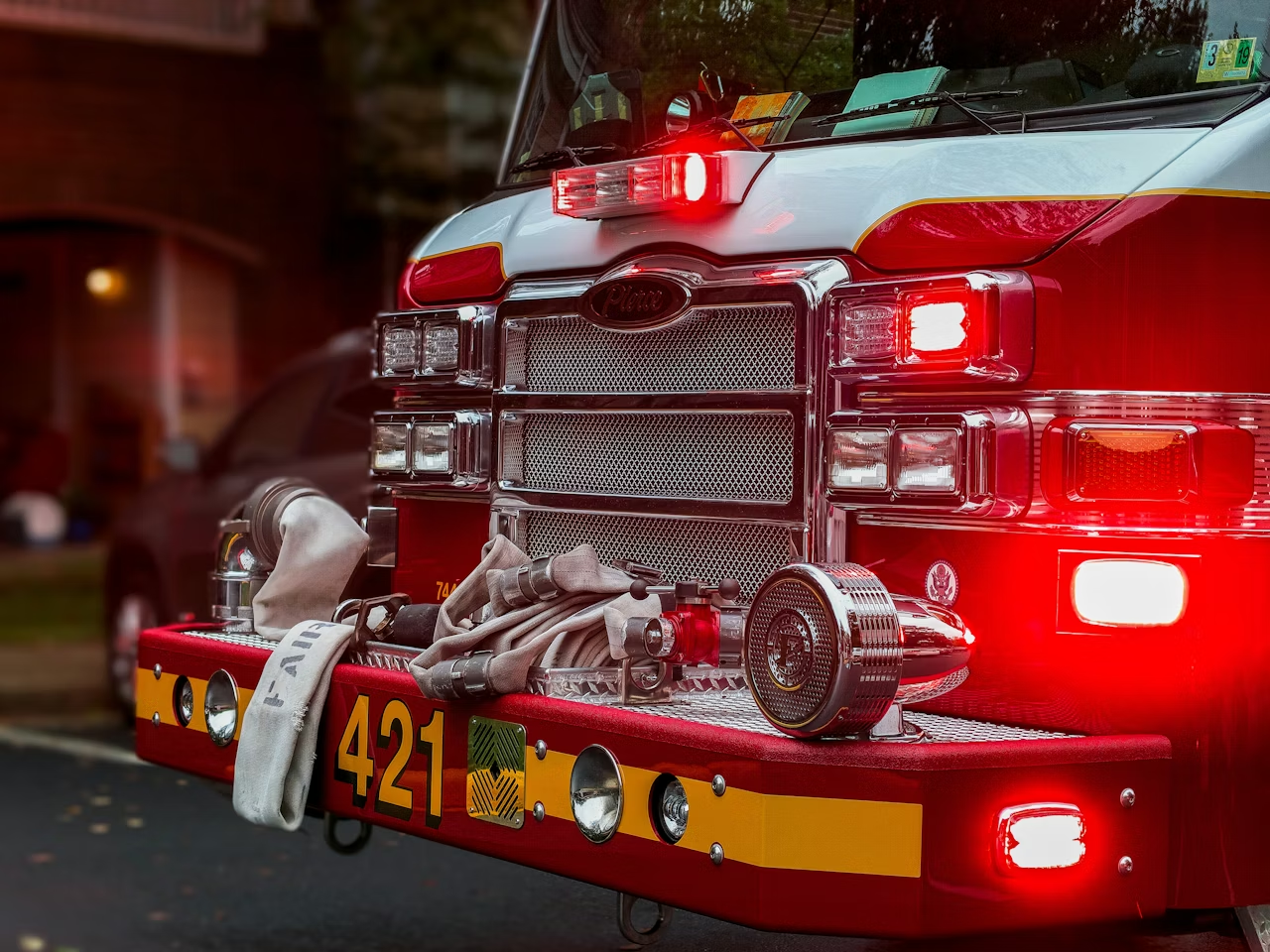
This often-overlooked gem is actually one of the best things to do in SoHo NYC. It's at 278 Spring Street and it occupies a 1904 Beaux-Arts firehouse. The collection spans firefighting history from the 17th century to today, with antique engines, leather buckets, and parade wagons.
A permanent memorial honors the 343 FDNY members who died on September 11, 2001. Retired firefighters often staff the museum and share stories. Admission is $15 for adults. New York City Fire Museum appeals to history buffs and families alike.
Did You Know? The museum's collection includes over 10,000 objects, but only about 3% are displayed at any time.
8. Broadway Shopping Strip
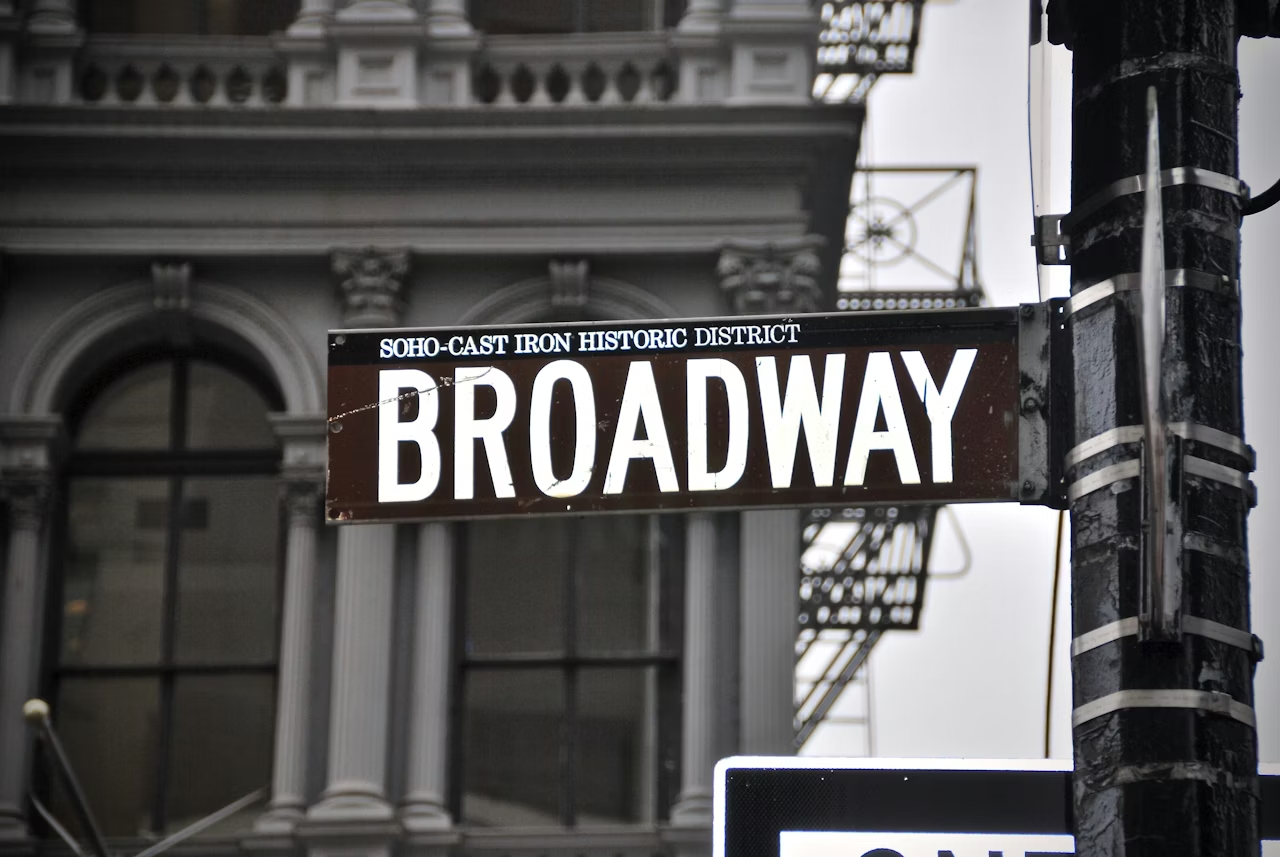
Broadway through SoHo offers everything from Nike and Uniqlo to boutique designers. This stretch between Houston and Canal sees heavy foot traffic but delivers serious retail variety. Flagship stores sit alongside vintage shops like What Goes Around Comes Around.
Side streets like Prince, Spring, and Broome hold smaller boutiques with higher prices and more unique finds. Weekday mornings are calmest. Saturday afternoons get chaotic.
Did You Know? Tiffany & Co. and Lord & Taylor both got their starts on Broadway in SoHo before moving uptown.
9. Fanelli Cafe
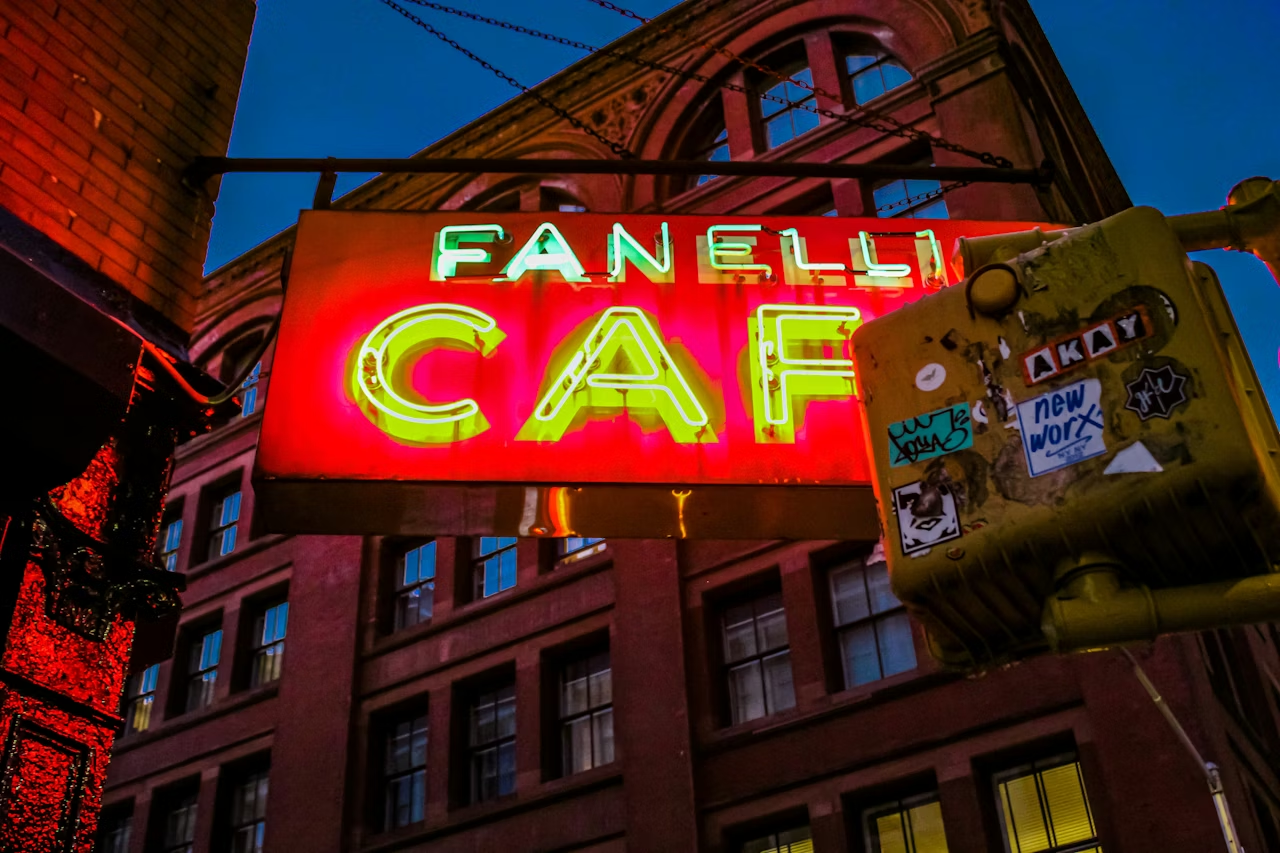
Fanelli Cafe is one of New York's oldest bars, and it has operated at 94 Prince Street since 1847. The tin ceiling, wooden bar, and no-frills menu make it a refreshing antidote to SoHo's designer boutiques. Burgers and beer attract both locals and celebrities seeking low-key meals.
Fanelli Cafe stays open until 1am, making it useful for late-night refueling. Don't expect fancy cocktails. The historic atmosphere and people-watching are the real draws.
Did You Know? Fanelli's was originally called McLaughlin's and has survived Prohibition, the Great Depression, and SoHo's complete transformation.
10. Sloomoo Institute

Sloomoo Institute is a 8,000-square-foot slime playground on Broadway between Broome and Grand Streets offers weirdly therapeutic fun. Plunge your hands into 30+ vats of textured, scented slime. Create custom slime at the DIY bar with 60 scents and 40 colors.
General admission runs $29. The Sloomoo Falls experience (getting showered with slime while wearing a poncho) costs extra. It's messy, silly, and surprisingly relaxing. Adults without kids are welcome.
Did You Know? The founders started Sloomoo after discovering slime's stress-relieving properties, and the institute donates proceeds to mental health charities.
11. New York Earth Room
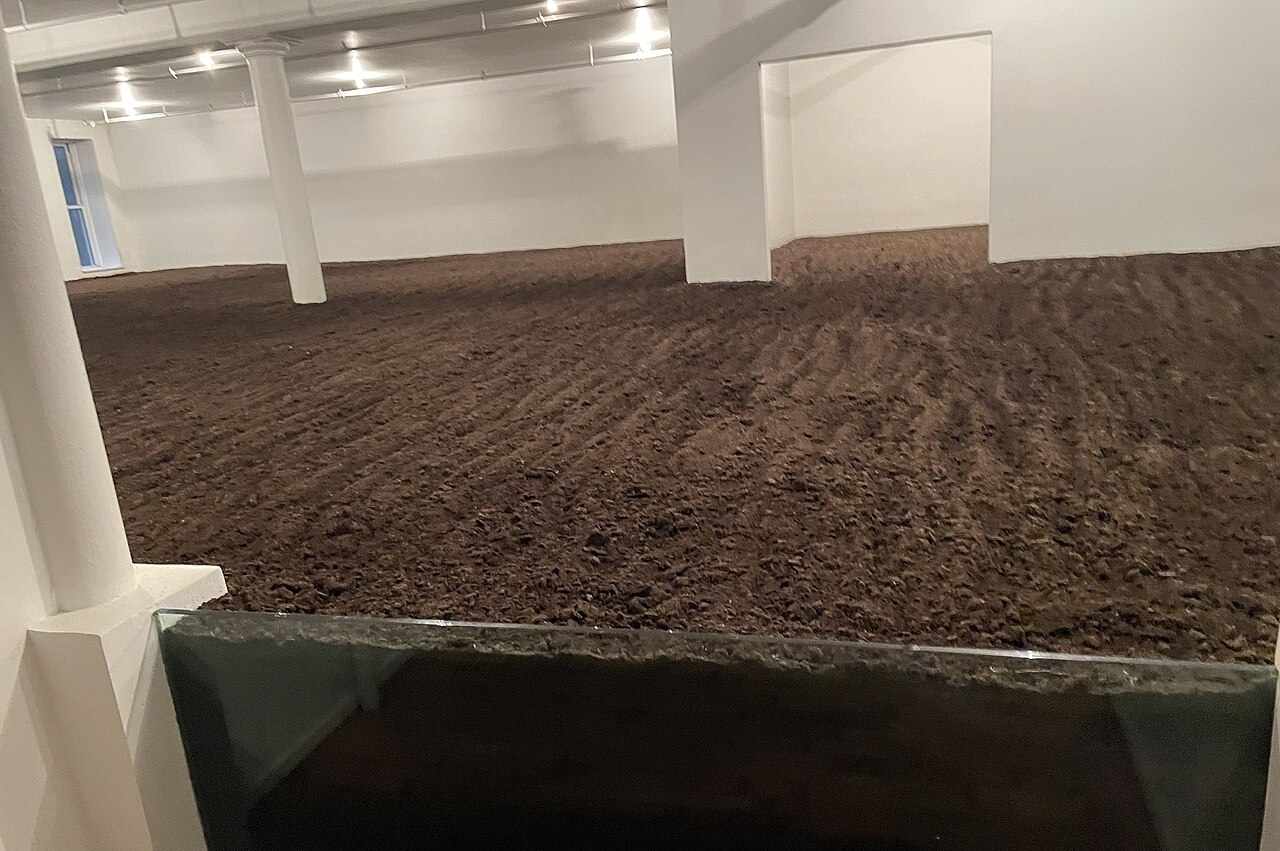
Walter De Maria's 1977 installation fills a second-floor SoHo loft with 280,000 pounds of dirt. That's it. Just dirt, 22 inches deep, spread across 3,600 square feet. The piece has been maintained continuously since installation.
Entry is free at 141 Wooster Street. The viewing takes maybe five minutes but provokes surprisingly strong reactions. Some find it profound, others confused. Either way, it's unlike anything else you'll see in New York.
Did You Know? The Earth Room requires constant maintenance to prevent mushrooms from growing and to keep the soil at proper moisture levels.
12. Housing Works Bookstore Cafe
.jpg)
Housing Works Bookstore is a volunteer-run bookstore at 126 Crosby Street which sells used books to fund HIV/AIDS services and homelessness programs. The two-story space with exposed brick and wooden shelves feels like a literary sanctuary.
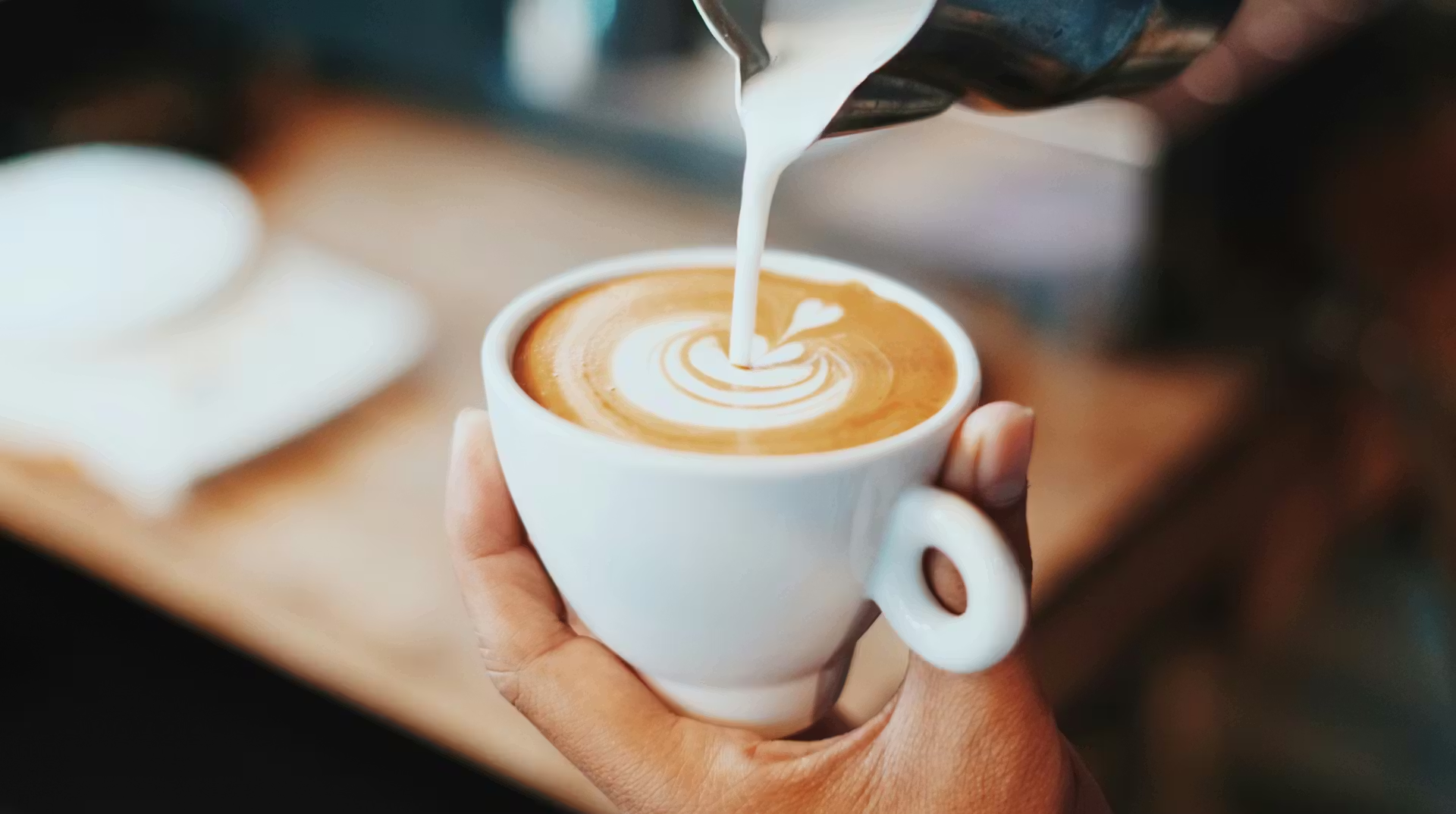
Browse fiction, art books, and rare finds while sipping coffee from the cafe. Author readings and events happen regularly. It's one of the few remaining independent bookstores in the neighborhood and worth supporting.
Did You Know? Housing Works Bookstore has raised over $100 million for its charitable programs through its network of thrift shops and bookstores.
13. Angelika Film Center

Independent cinema lovers know The Angelika Film Center at 18 West Houston Street. Since 1989, this theater has championed arthouse, foreign, and documentary films that mainstream theaters ignore. The cafe downstairs makes it easy to linger before or after screenings.
Yes, you'll occasionally hear subway rumbles during quiet film moments. Many consider this part of the charm. The programming consistently surfaces hidden gems before they hit wider release.
Did You Know? The Angelika Film Center basement location in a former cable car powerhouse means subway lines run directly beneath the theaters.
14. Street Art and Murals
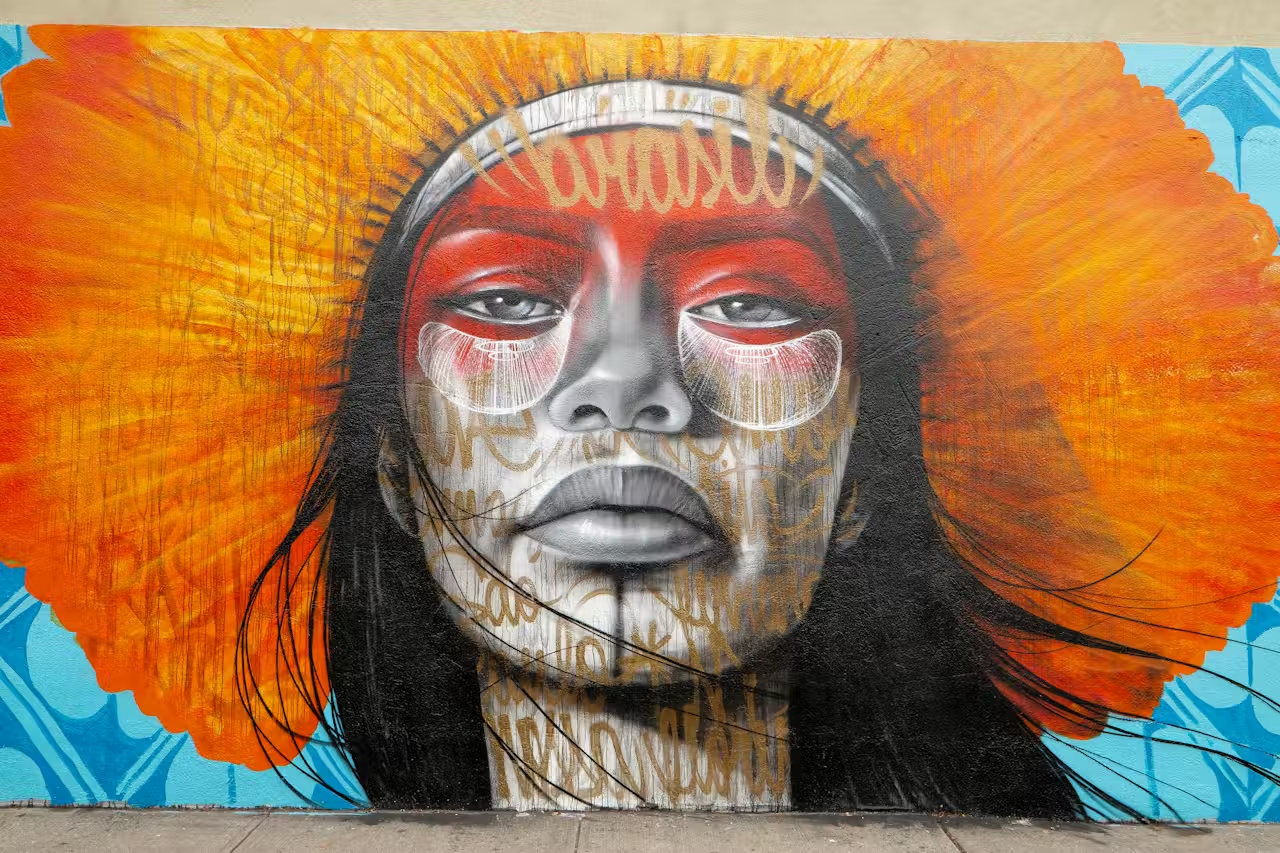
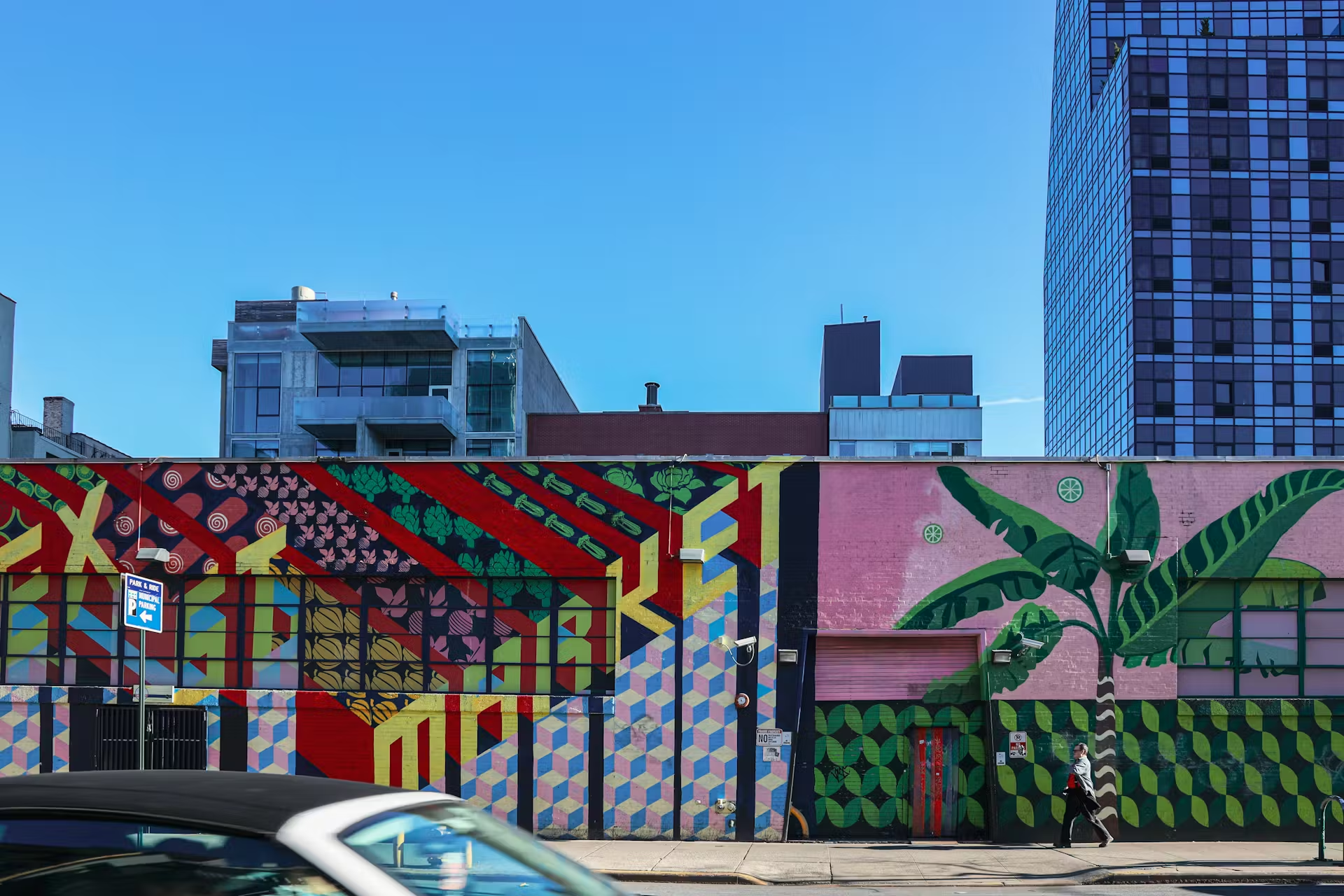
SoHo's walls host rotating murals and public art worth hunting down. The Gucci Art Wall at Lafayette and Prince frequently features commissioned artists. The Audrey Hepburn mural on Mulberry Street remains a longtime favorite.
Keep your eyes up as you walk. Building sides, construction walls, and unexpected corners hide constantly changing work. The best discoveries happen when you're not specifically looking.
Did You Know? Artist Ken Hiratsuka spent two years carving intricate designs into SoHo sidewalks, creating permanent street art you literally walk over.
Explore SoHo the best way
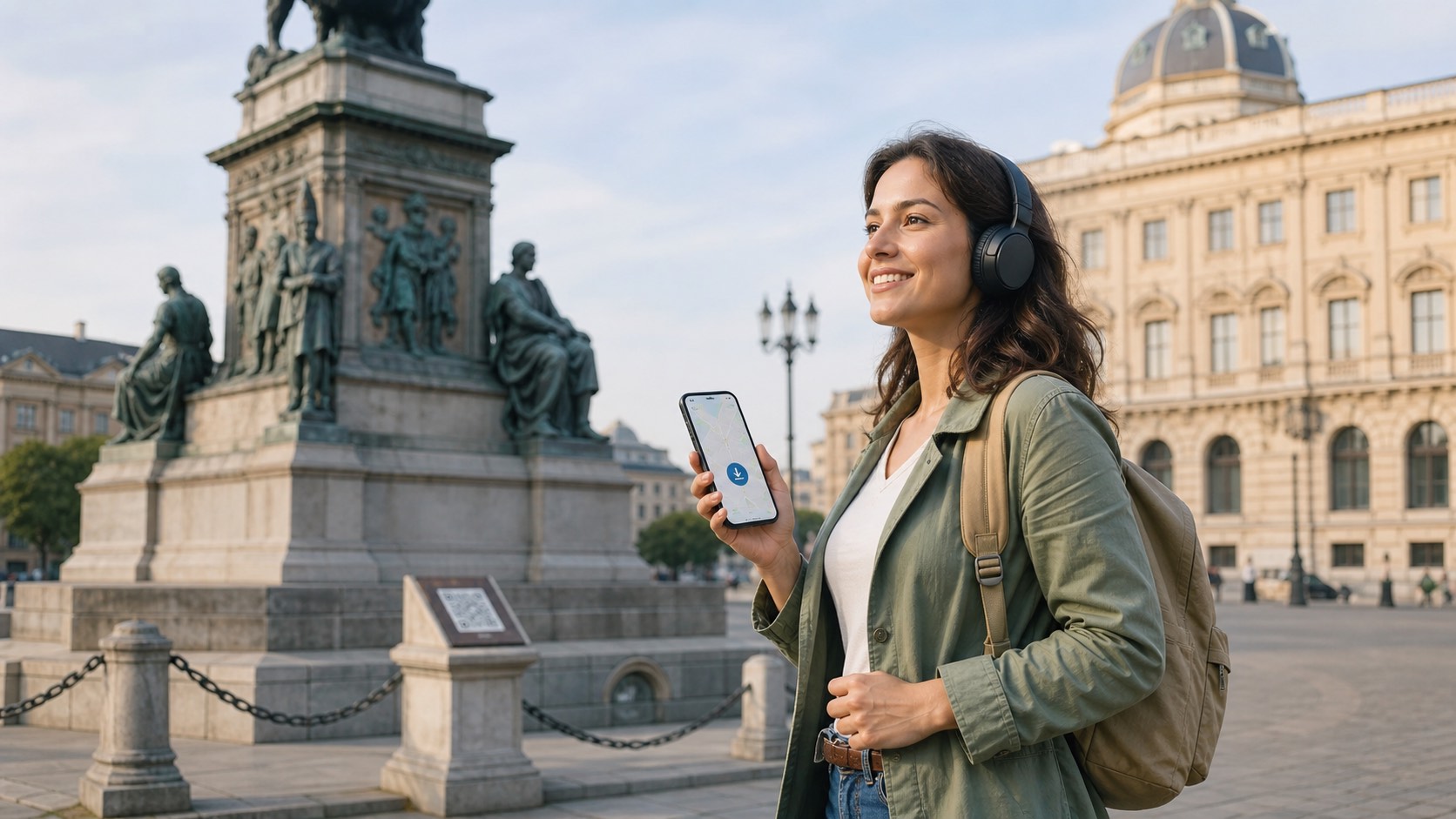
Want to discover the best things to do in SoHo NYC beyond the obvious attractions? The StoryHunt app lets you create custom audio walks based on your interests, whether that's architecture, art history, or finding hidden gems the crowds miss.
The interactive map guides you through cobblestone streets with stories about the artists, fires, and activists who shaped this neighborhood.






.jpg)













.jpg)




.jpg)








.jpg)





.avif)


