.webp)

TLDR: Brooklyn offers distinct neighborhoods from DUMBO's waterfront views to Williamsburg's nightlife to Park Slope's brownstone charm. Visit May or September-October for ideal weather. Budget 2-3 days minimum to explore properly.
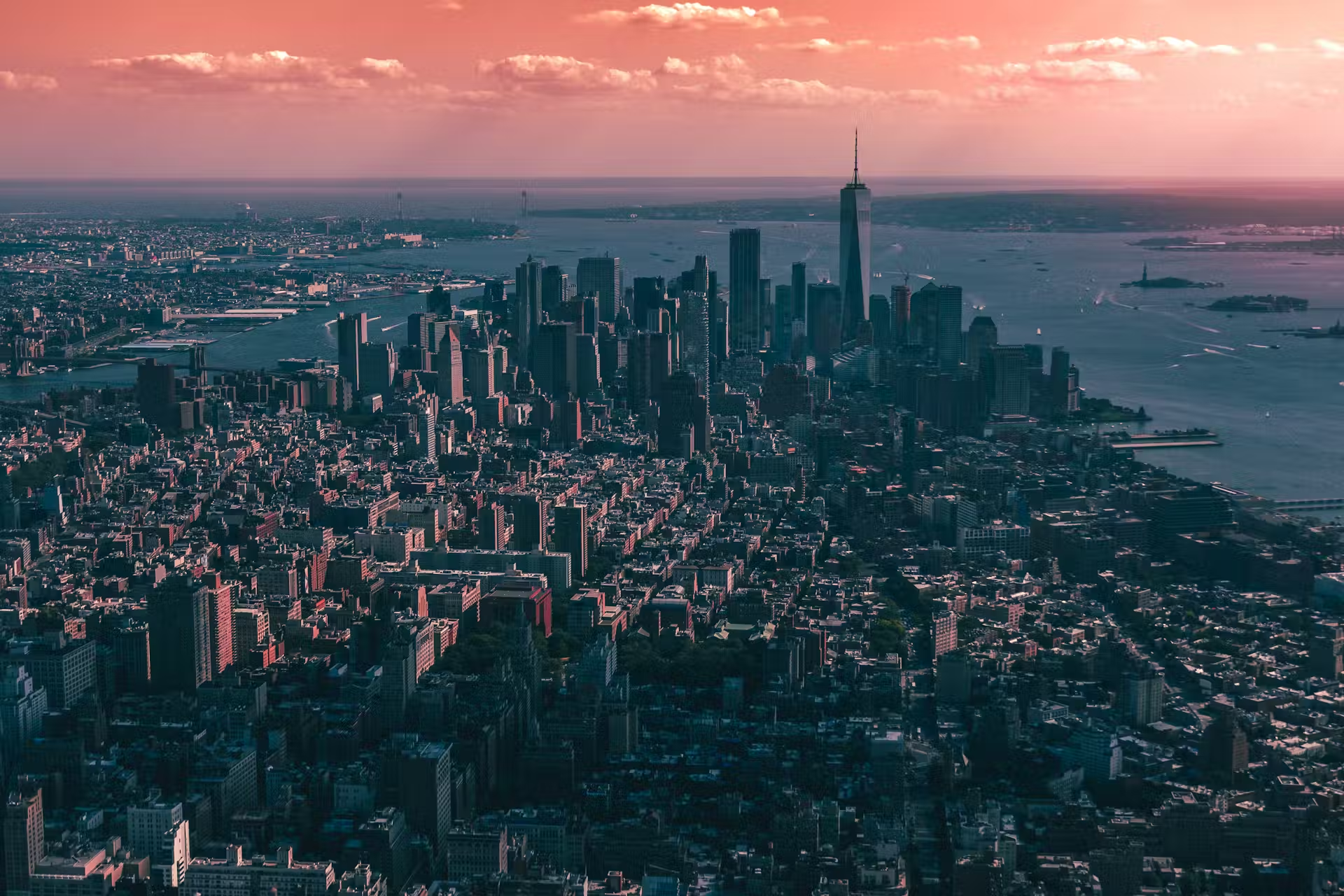
Brooklyn doesn't really do subtle. With 2.6 million people spread across dozens of distinct neighborhoods, this borough could be its own city, and until 1898, it actually was.
After spending time wandering from DUMBO's cobblestone streets to Coney Island's boardwalk, I've realized Brooklyn rewards visitors who treat each neighborhood as its own destination rather than trying to see everything in a single afternoon.
The diversity here is staggering: you can grab pierogies in Greenpoint, catch street art in Bushwick, and end up drinking craft beer in Williamsburg, all while technically never leaving Brooklyn.
What is the story behind Brooklyn?
Brooklyn's roots trace back to the Dutch West India Company, which authorized the village of Breuckelen in 1646, named after a town in the Netherlands. The area was originally home to the Lenape people before European settlers arrived. What makes Brooklyn's history fascinating is that it developed as six separate Dutch towns that eventually merged.
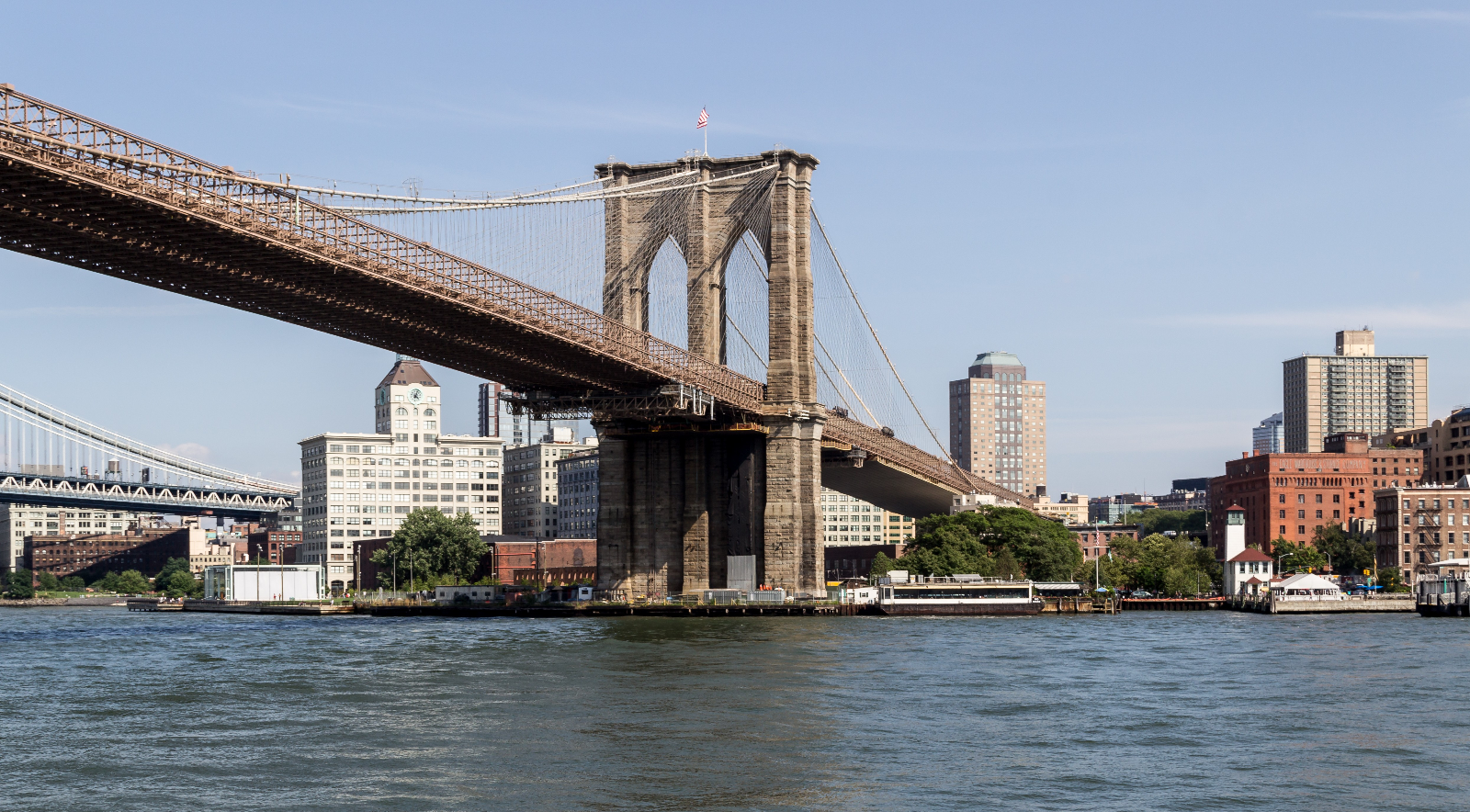
By 1860, Brooklyn had grown into the third-largest city in the entire United States. The completion of the Brooklyn Bridge in 1883 strengthened ties with Manhattan, and despite local resistance, Brooklyn became part of New York City on January 1, 1898. That independent streak never really disappeared, which is why Brooklyn maintains such a distinct identity today.
Which Brooklyn neighborhoods should you visit first?
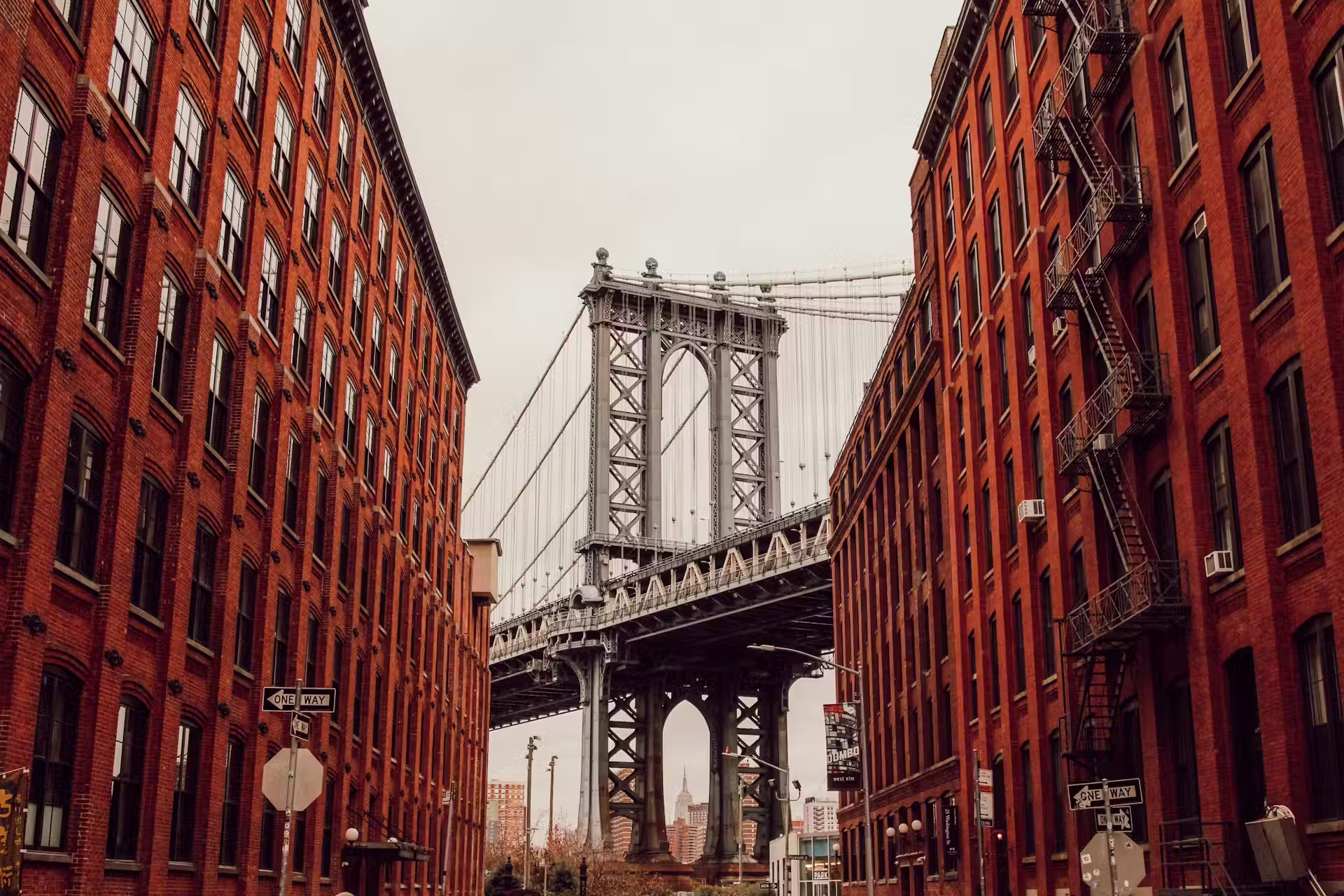
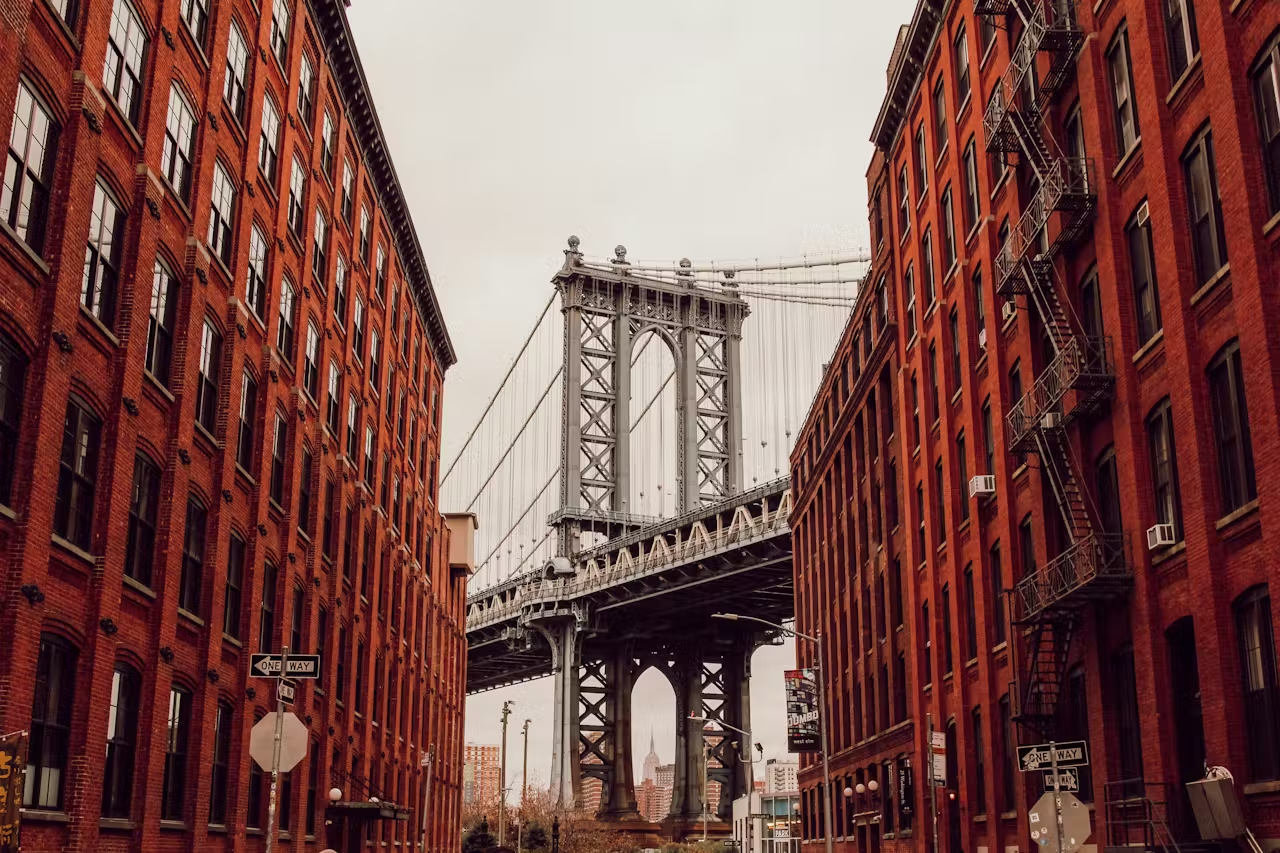
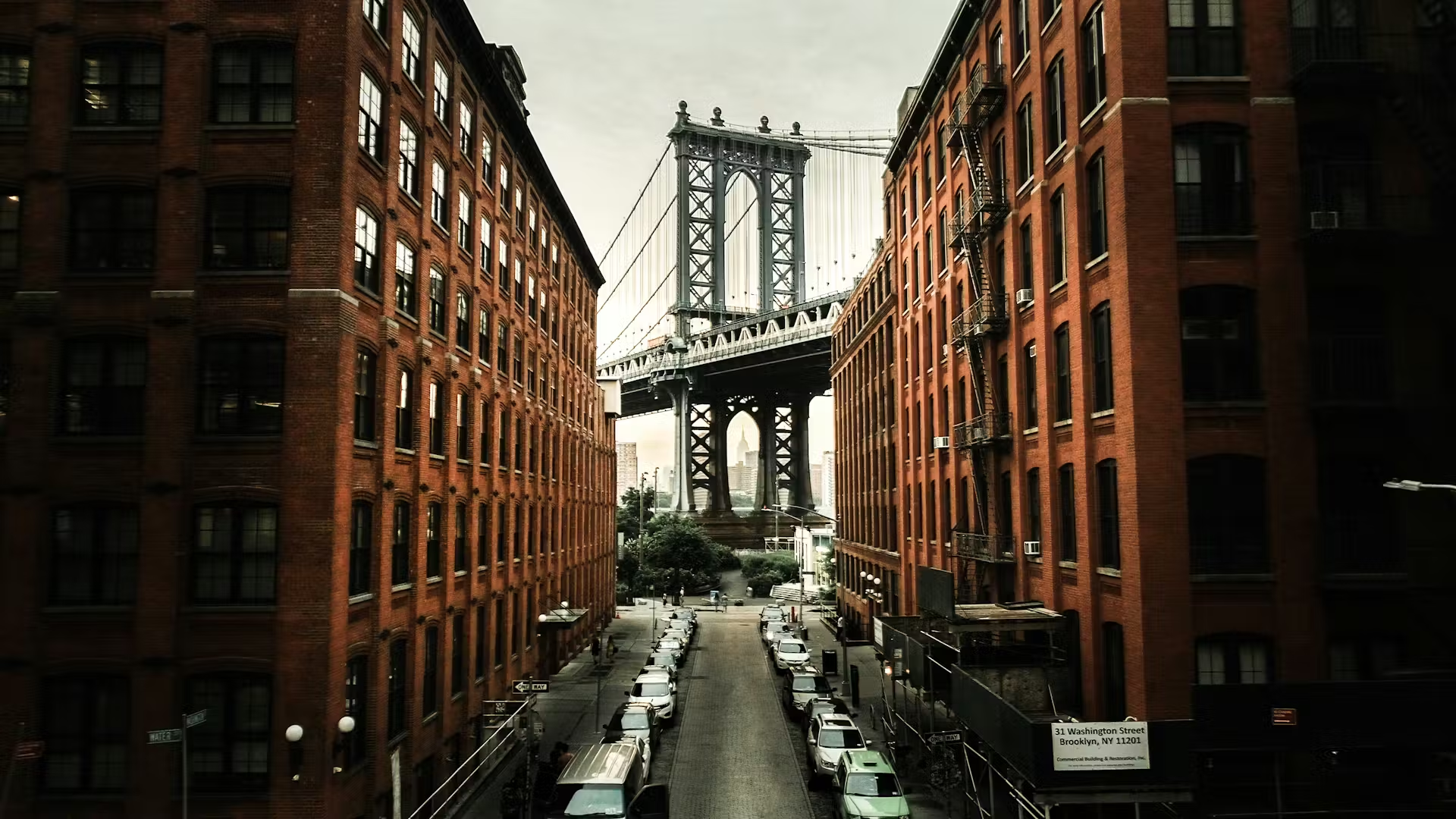
DUMBO (Down Under the Manhattan Bridge Overpass) is where most visitors start, and for good reason. The cobblestone streets, converted warehouse buildings, and that famous view of the Manhattan Bridge framing the Empire State Building make it immediately photogenic. Brooklyn Bridge Park stretches along the waterfront here, and Jane's Carousel offers a surprisingly charming break. The Brooklyn Flea operates here between April and December.
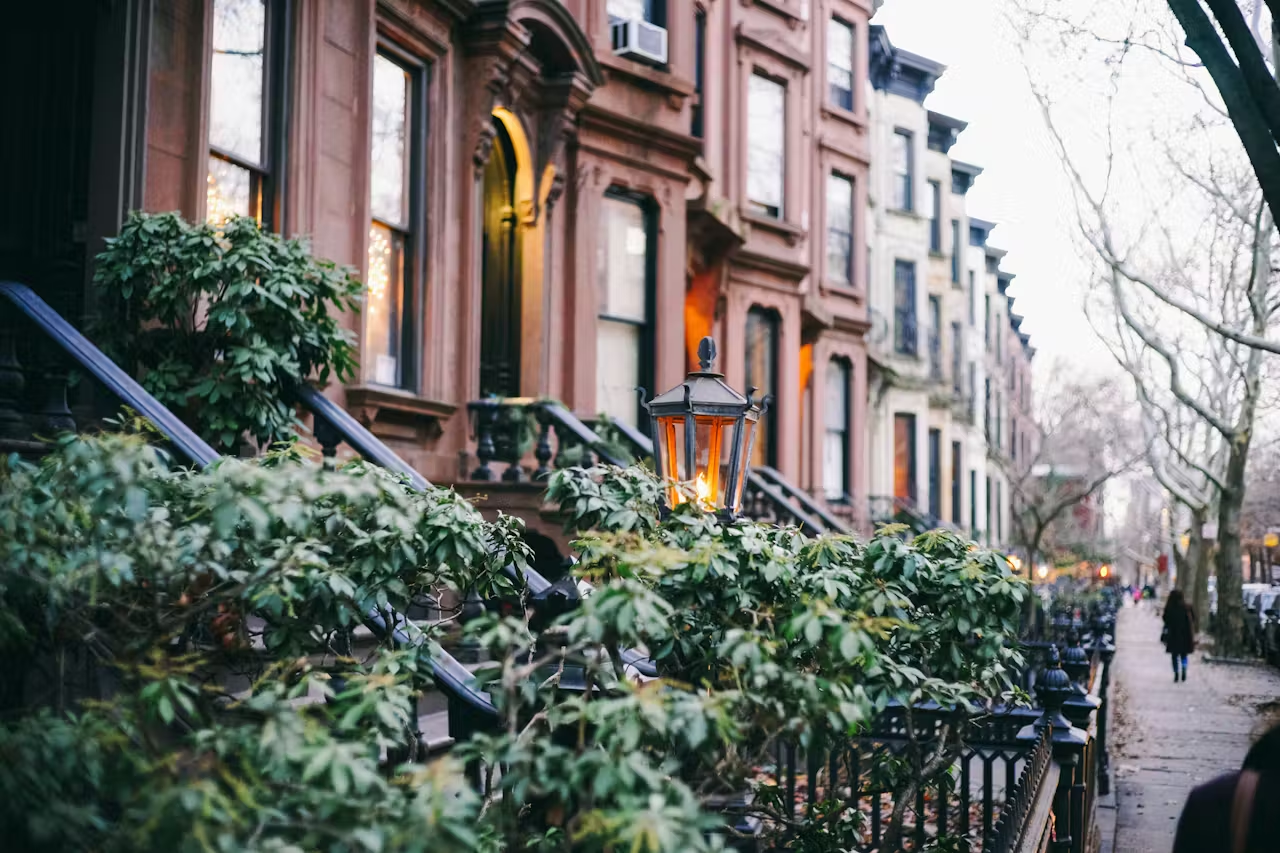
Williamsburg attracts a younger crowd with its concentration of bars, restaurants, and vintage shops along Bedford Avenue. Park Slope appeals to families with its tree-lined streets, excellent restaurants, and proximity to Prospect Park. Brooklyn Heights offers historic brownstones and the famous Promenade with Manhattan skyline views.
Each neighborhood deserves at least half a day to explore properly.
What's the difference between North and South Brooklyn?
North Brooklyn includes Williamsburg and Greenpoint, areas known for nightlife, creative culture, and easy access to Manhattan via the L train or Williamsburg Bridge. The vibe skews younger and trendier, with higher concentrations of bars, galleries, and boutiques.
South Brooklyn encompasses DUMBO, Brooklyn Heights, Park Slope, and extends down to neighborhoods like Sunset Park and Coney Island. These areas tend to be more residential with family-friendly options, though DUMBO has become quite polished and touristy.
The neighborhoods aren't always convenient to travel between, so plan your day around one general area rather than bouncing across the borough.
What should you see in each major neighborhood?
In DUMBO, walk the Brooklyn Bridge (our comprehensive guide covers everything you need to know), explore Brooklyn Bridge Park, and grab pizza at Juliana's or Grimaldi's. Park Slope offers the Brooklyn Museum, one of the largest art museums in the country, and the adjacent Brooklyn Botanic Garden is particularly stunning during cherry blossom season in April and May.
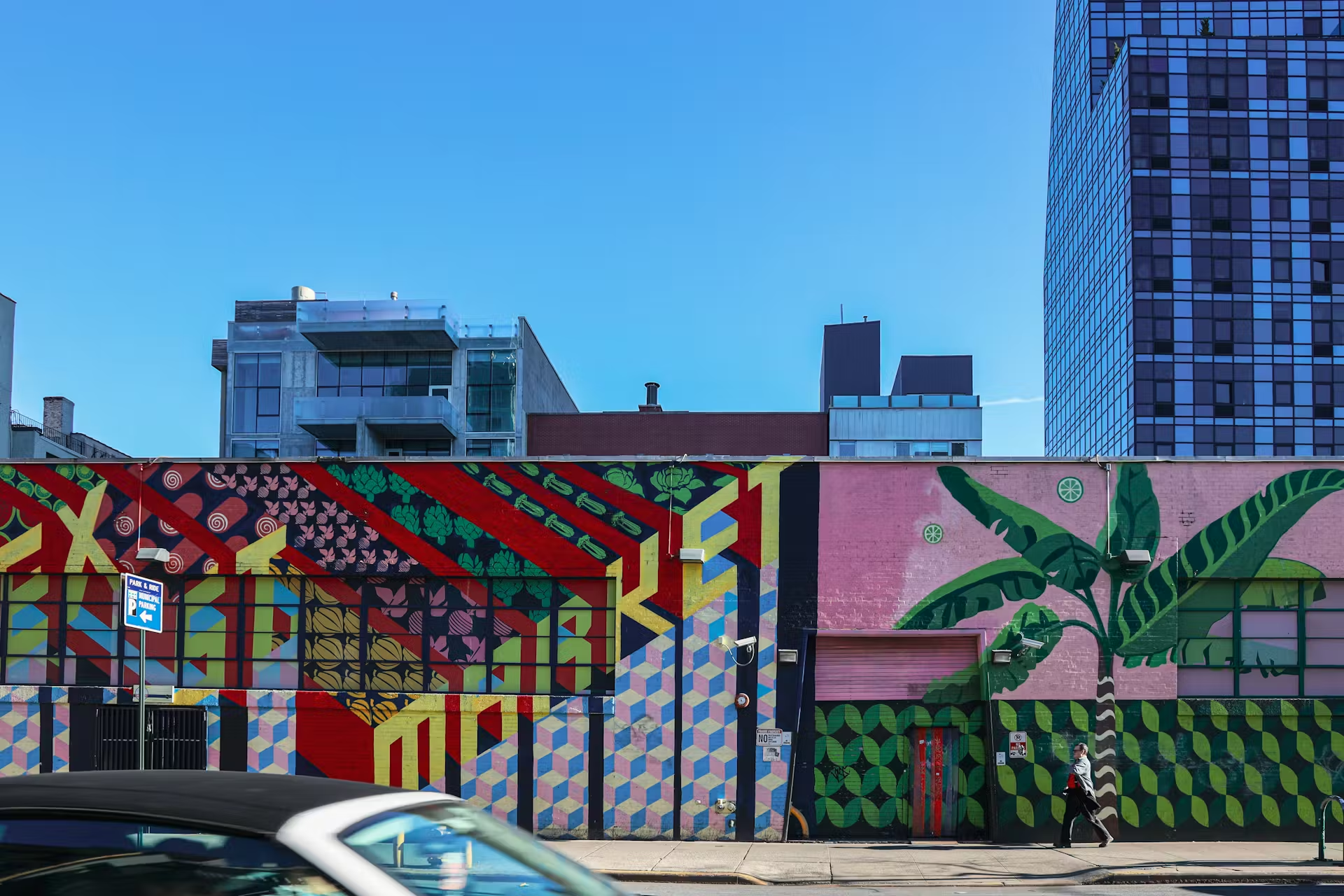
Williamsburg has the Brooklyn Brewery for tours and tastings, McCarren Park for people-watching, and Smorgasburg food market on weekends. Greenpoint feels like a quieter version of Williamsburg with strong Polish heritage evident in bakeries and restaurants along Manhattan Avenue. Bushwick has become known for its street art scene, with the Bushwick Collective featuring murals by international artists.
Is Brooklyn safe for tourists?

The neighborhoods most visitors explore, including DUMBO, Brooklyn Heights, Park Slope, Williamsburg, and Greenpoint, are generally considered safe. These areas see heavy foot traffic and have active commercial strips. Standard city precautions apply: stay aware of your surroundings, don't flash expensive items, and stick to well-lit areas at night.
Brooklyn is massive, covering about 70 square miles, and conditions vary significantly by neighborhood. Research specific areas before venturing off the tourist path. During daylight hours, most of Brooklyn feels comfortable to explore. The subway system connects major neighborhoods efficiently and is used by millions daily.
When is the best time to visit Brooklyn?
Late spring (May) and early fall (September through October) offer the best balance of pleasant weather and manageable crowds. May brings cherry blossoms to the Brooklyn Botanic Garden, temperatures in the 60s and 70s, and the return of outdoor markets and activities. September feels like an extended summer without the humidity, with temperatures in the 70s and beautiful light for photography.
Summer (June through August) is hot and humid, with temperatures reaching the 80s and higher. However, this is when Coney Island's beaches and amusement parks come alive. Winter brings cold temperatures but also fewer tourists and lower hotel prices. The borough's indoor attractions, including the Brooklyn Museum and various food halls like Dekalb Market Hall, provide refuge from weather extremes.
How do you get around Brooklyn?
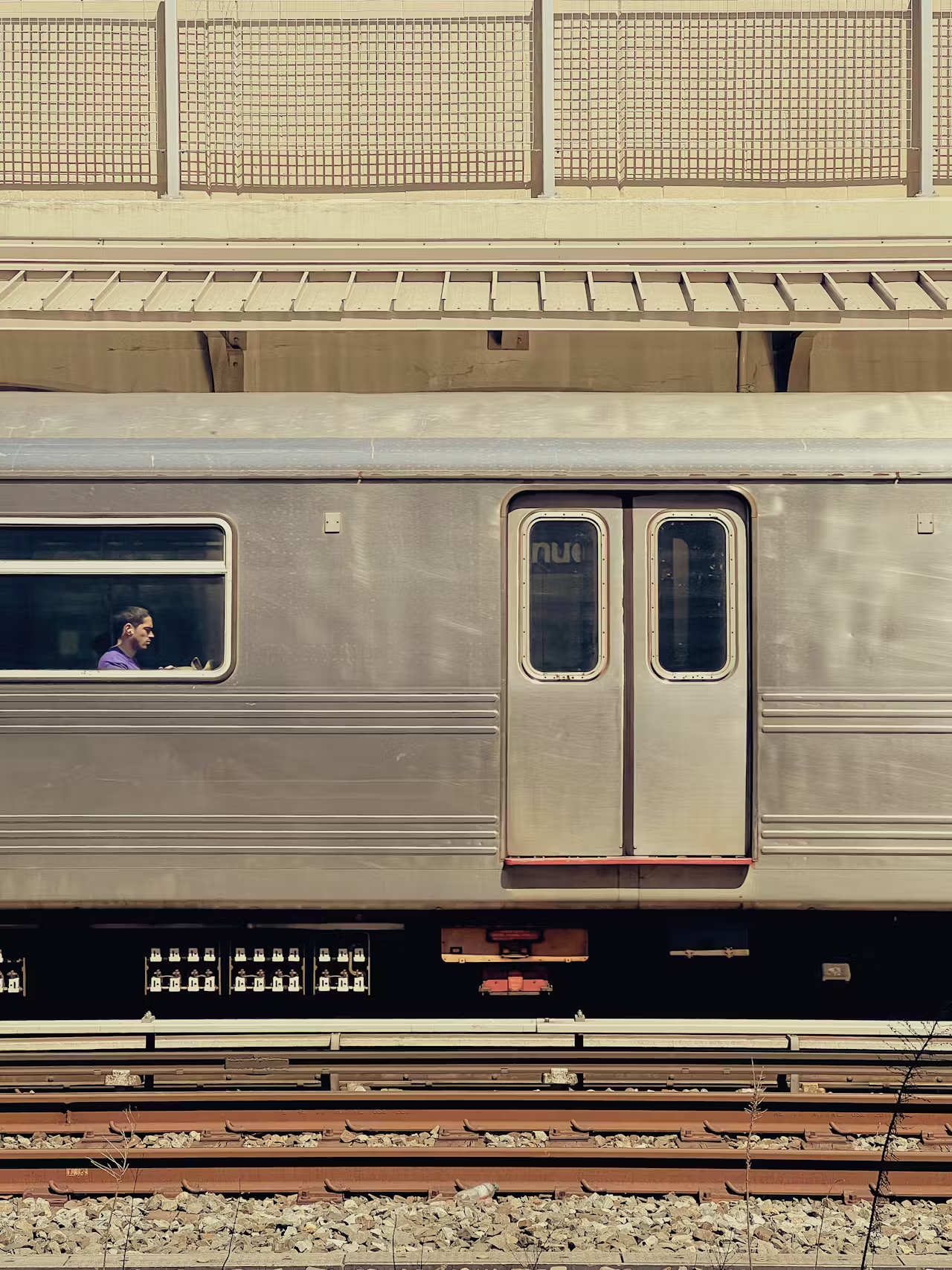
The subway remains the most efficient way to travel between Brooklyn neighborhoods, though coverage is better in northern and western areas. The L train serves Williamsburg, the G connects Brooklyn neighborhoods without going through Manhattan, and numerous lines stop in Downtown Brooklyn. Download the MTA app or use Google Maps for real-time updates, as weekend service changes are common.
Walking works well within individual neighborhoods since Brooklyn is less dense than Manhattan. NYC Ferry offers scenic routes connecting DUMBO to Manhattan and other waterfront areas. Citibike stations are scattered throughout popular neighborhoods for short trips. Rideshares fill gaps where subway access is limited, particularly in southern Brooklyn areas like Red Hook.
How much does a day in Brooklyn cost?
Brooklyn can be done on various budgets. Walking the Brooklyn Bridge, exploring Brooklyn Bridge Park, and wandering neighborhoods costs nothing. A pizza slice runs $3-5, while sit-down meals at trendy Williamsburg restaurants can easily hit $40-60 per person before drinks.
Museum admission varies: the Brooklyn Museum suggests $16 for adults, while the Brooklyn Botanic Garden charges $18. Subway rides cost $2.90 per trip - but if you're smart, you can get both transit and a museum ticket for the price of one at the New York Transit Museum.
Budget around $80-150 per day for a comfortable experience including transit, one museum, meals at a mix of casual and nicer spots, and a coffee or drink.
What food should you try in Brooklyn?
Brooklyn's food scene reflects its immigrant history and creative culture. Pizza is essential, with legendary spots in DUMBO competing for best-in-borough status. Greenpoint offers authentic Polish cuisine including pierogies and kielbasa. Sunset Park has incredible Asian food along 8th Avenue, from dim sum to hand-pulled noodles.
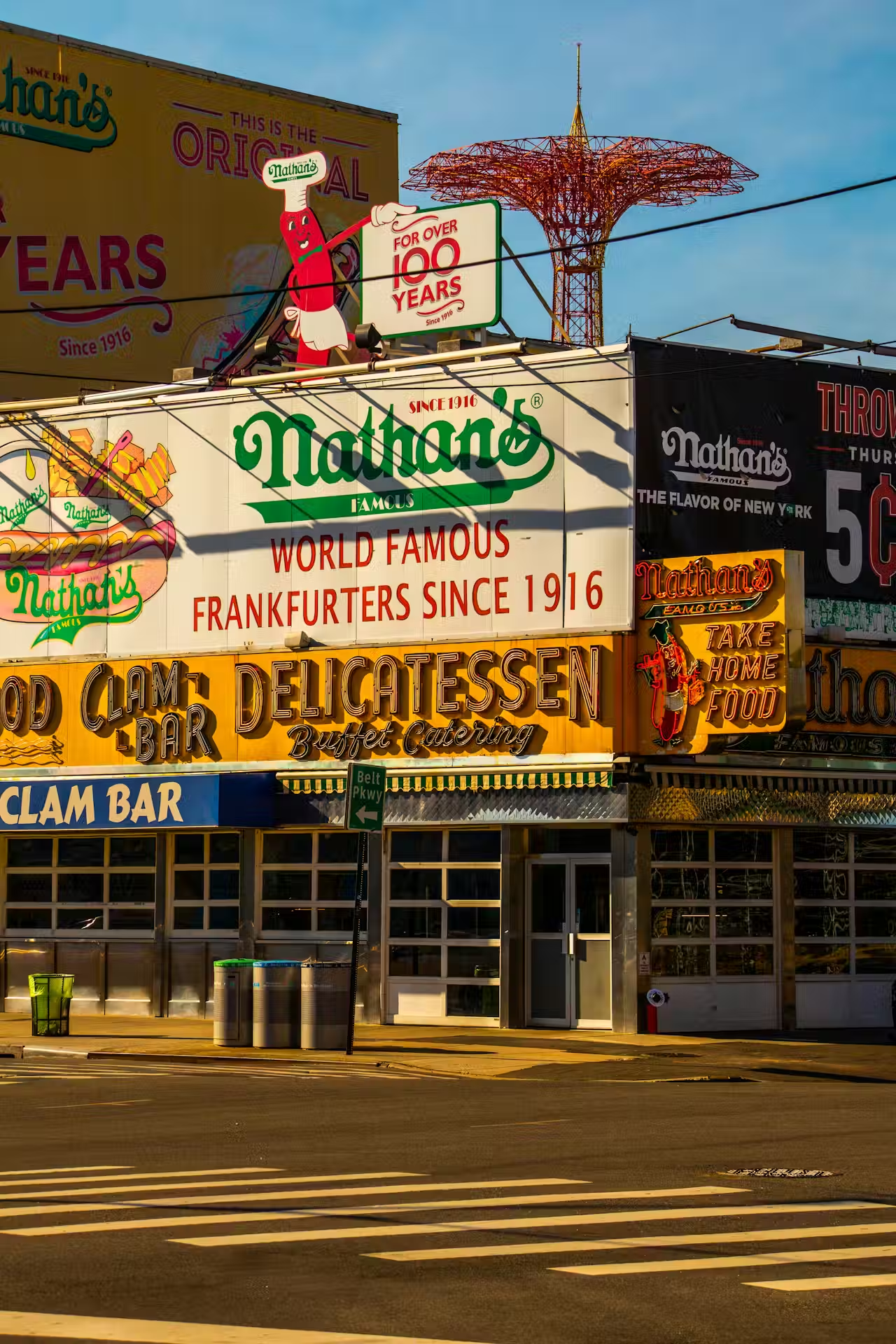
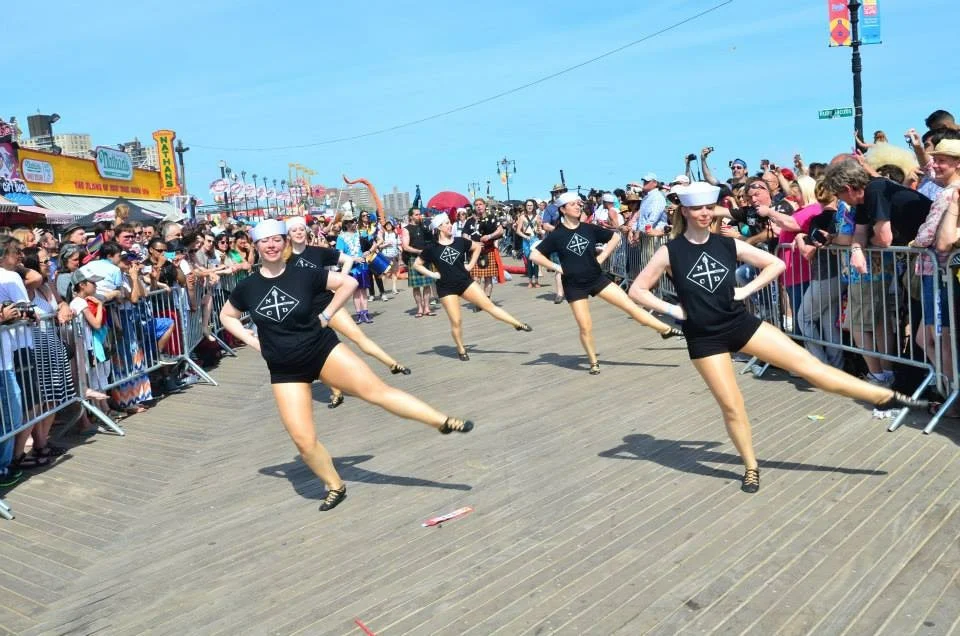
Dekalb Market Hall in Downtown Brooklyn gathers dozens of vendors under one roof, perfect for groups with different cravings. Smorgasburg, operating seasonally at various locations, showcases innovative food startups. Don't skip the Nathan's Famous hot dogs if you make it to Coney Island.
You can also read our full guide to the best places to eat and drink in Brooklyn.
What hidden gems exist beyond the main attractions?
Red Hook feels like stepping back in time with its industrial waterfront, artist studios, and the famous Red Hook Ball Fields where Latin American food vendors set up on summer weekends. Fort Greene offers the Brooklyn Flea, excellent Caribbean restaurants, and a quieter atmosphere than more tourist-heavy areas.
Green-Wood Cemetery in South Brooklyn is a stunning Victorian-era burial ground that doubles as a sculpture garden with Manhattan skyline views. Gowanus, despite its polluted canal (under EPA cleanup), has become a creative hub with breweries, galleries, and comedy venues. Our guide to hidden gems in Brooklyn covers more off-the-beaten-path spots worth seeking out.
How much time do you need in Brooklyn?
A single day allows you to hit one or two neighborhoods properly. DUMBO combined with a walk across the Brooklyn Bridge works as a half-day trip from Manhattan. Adding Williamsburg or Brooklyn Heights fills out a full day. Two to three days lets you explore at a comfortable pace without rushing.
If Coney Island is on your list, dedicate a separate day since the journey from northern Brooklyn takes 45-60 minutes each way. The Brooklyn Museum and Botanic Garden deserve 3-4 hours combined.
Is it worth visiting Brooklyn?
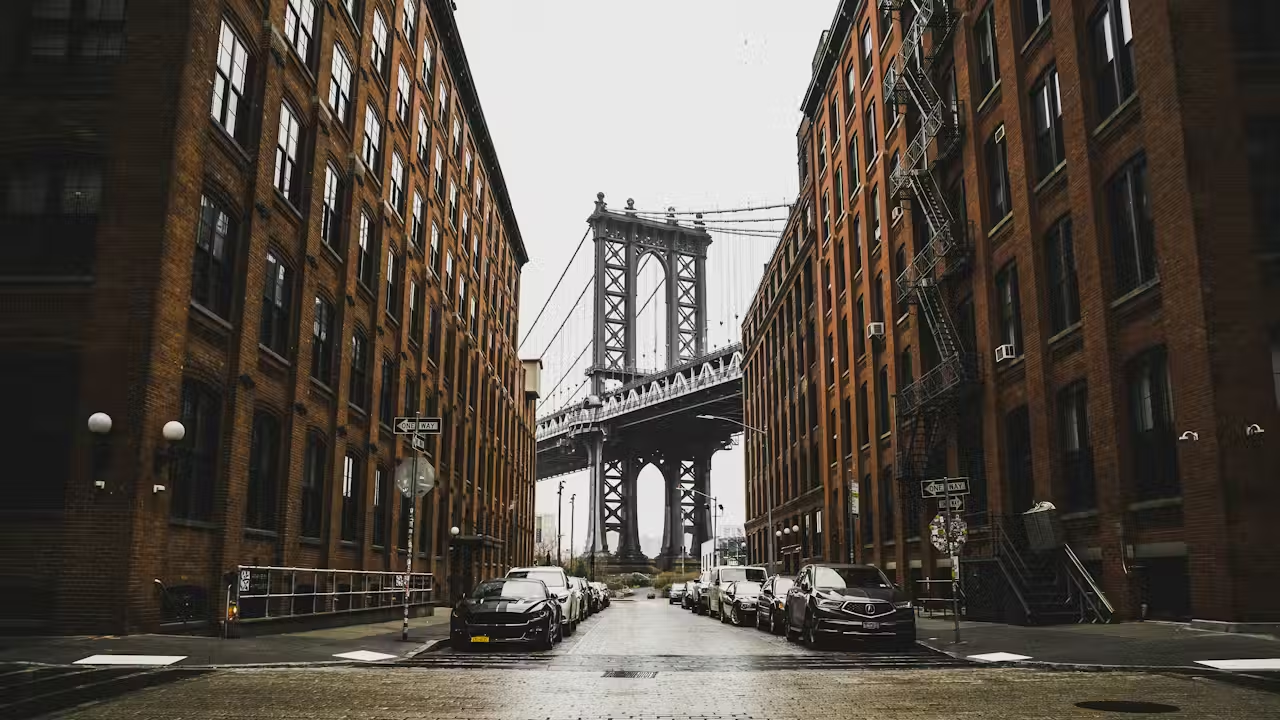
Brooklyn offers something Manhattan can't: the feeling of discovering a city within a city. Each neighborhood has developed its own character, food scene, and community vibe. The waterfront views from DUMBO and Brooklyn Heights rival anything in the city. The cultural institutions, particularly the Brooklyn Museum and Botanic Garden, are world-class yet less crowded than their Manhattan counterparts.
That said, if you're visiting New York for the first time with limited days, Manhattan's concentration of famous landmarks might make more sense. Brooklyn rewards return visitors and those willing to wander beyond checkpoints. The borough works best when you pick a neighborhood or two and really explore rather than trying to tick boxes. For anyone spending more than three days in NYC, Brooklyn absolutely deserves your time.
Explore Brooklyn your way
Brooklyn reveals itself differently to everyone depending on which streets you wander and which coffee shops you duck into. The neighborhood boundaries blur when you're actually walking them, and the best discoveries often happen when you veer off your planned route.
Want to explore Brooklyn with context and stories that bring each neighborhood to life? StoryHunt's Personal Tour Guide lets you create custom audio walks based on your interests, whether that's architecture, food history, or local culture. The interactive map guides you through Brooklyn's streets with engaging narration, helping you discover spots you'd otherwise walk right past.



.jpg)







.jpg)








.jpg)




.jpg)












.avif)


