
.webp)



TLDR: For travellers eyeing a cosmic journey in NYC, the Hayden Planetarium delivers an immersive, educational experience within the American Museum of Natural History, blending cutting-edge shows with a rich history of scientific exploration, all under the guidance of Neil deGrasse Tyson.
New York City offers countless adventures, but few transport you light-years away while keeping your feet firmly on Earth. The Hayden Planetarium, nestled within the iconic American Museum of Natural History, is one such place. I recently visited this stellar attraction, and if you're looking to gaze at the stars without leaving Manhattan, this article is for you.
We'll explore its fascinating past, pinpoint its exact spot, uncover what makes it so special today, and help you plan your visit to this "cosmic cathedral." Prepare to have your perspective shifted – you'll soon understand why this cosmic journey is absolutely worth taking.
What is the story behind Hayden Planetarium?

The Hayden Planetarium isn't just a modern marvel; it has deep roots in New York's history of science. It first opened its doors way back in 1935, becoming one of the earliest planetariums in the United States. Thanks to a banker named Charles Hayden and some government support, the original building, with its optimistic Art Deco styling, aimed to bring the distant cosmos closer to city dwellers.
Imagine New Yorkers, surrounded by urban lights, suddenly seeing 4,500 stars projected above them – it was revolutionary! This pioneering spirit continued, even after the original structure was replaced in 2000. The new facility, part of the Rose Center for Earth and Space, continues that legacy, transforming into the striking glass and sphere you see today.
It still serves as a vibrant hub for learning about the universe, constantly inspiring visitors of all ages, and we'll see exactly how it does that in a moment.
Where is the Hayden Planetarium in NYC?
Finding this celestial gateway is surprisingly easy. The Hayden Planetarium is a standout feature of the Frederick Phineas and Sandra Priest Rose Center for Earth and Space, which itself is part of the sprawling American Museum of Natural History.
To get there, you'll head to 200 Central Park West in Manhattan's Upper West Side. Specifically, look for the main entrance on 81st Street, right near Central Park West. You can't miss it; the building itself is a sight to behold. You'll see a massive, illuminated sphere, about 87 feet across, that seems to float effortlessly inside a towering six-story glass cube. It's an architectural statement, a "cosmic cathedral" as some call it, and it clearly marks your destination.
Inside, this modern facility, which reopened in 2000, offers an array of experiences we'll dive into next.
What is special about the new Hayden Planetarium?

Walking into the Rose Center, the first thing that strikes you is that immense sphere. It truly feels like a world suspended within glass. This isn't just a pretty design; it houses the main Space Theater, where the real magic happens. Equipped with the latest in projection technology, including high-definition laser systems and a custom Zeiss Star Projector, the shows here are nothing short of breathtaking. You'll feel like you're actually soaring through space, witnessing billions of stars and celestial objects with incredible clarity and vibrant color.
The content isn't just for show; it's based on real scientific data from space missions and supercomputer simulations, making it both entertaining and deeply educational. For example, upcoming shows like "Encounters in the Milky Way," narrated by Pedro Pascal, are crafted with such precision that the production of one even led to a scientific discovery about our solar system's Oort cloud!
As you exit the main show, you can also explore the "Cosmic Pathway," a spiraling ramp that visually charts 13 billion years of the universe's history around the sphere itself, offering a profound sense of perspective.
How long to spend at Hayden Planetarium?
To truly soak in the Hayden Planetarium experience, I'd suggest setting aside around 1.5 to 3 hours. While the main Space Show itself runs for about 24-30 minutes, and there's a short 4-minute presentation in the Big Bang Theater, there's more to see. You'll want time to wander through the various exhibits within the Rose Center for Earth and Space. This includes the fascinating Heilbrunn Cosmic Pathway we just mentioned, which gives you a visual timeline of cosmic evolution.
You can also explore the "Scales of the Universe" exhibit, showcasing everything from subatomic particles to vast galaxies, and the "Hall of Planet Earth," offering tactile experiences with rocks and geological formations. Remember, the planetarium's iconic 87-foot sphere, often seen as representing the sun, is surrounded by this spiral walkway that visually details billions of years of universal history.
Taking your time here lets you connect the dots between the immersive shows and the detailed exhibits, ensuring you don't miss any part of the journey through space and time.
Does the Hayden Planetarium still exist?

Absolutely, yes! It's a common question, especially knowing its original form was replaced. But rest assured, the Hayden Planetarium is not only still here but thriving as a central attraction in New York City. The original structure, opened in 1935, was indeed taken down. However, it was replaced in 2000 by the current, state-of-the-art facility as part of the magnificent $210 million Frederick Phineas and Sandra Priest Rose Center for Earth and Space.
What you'll find today is often affectionately called "The Hayden Sphere" or "The Great Sphere." It’s that striking 87-foot illuminated sphere that appears to float within its six-story glass cube, a vision its architect aptly described as a "cosmic cathedral." You can still experience those incredibly immersive space shows, which use high-resolution, full-dome video to make you feel like you’re actually traveling through the cosmos.
Plus, the Big Bang Theater is still there, ready to whisk you back to the very origins of our universe, making it a vibrant and ongoing journey for all who visit.
Is Neil Degrasse Tyson still at Hayden Planetarium?
Yes, he absolutely is! For many, the Hayden Planetarium is synonymous with astrophysicist Neil deGrasse Tyson, and he continues to hold the prestigious title of Frederick P. Rose Director. He's been at the helm since 1996, also serving as a research associate in the museum's Department of Astrophysics.
His influence here is undeniable; he actually oversaw the entire $210 million reconstruction project that gave us the stunning "cosmic cathedral" we see today. His vision ensures that the Space Theater, housed within that iconic 87-foot sphere, remains at the forefront of science communication. It uses cutting-edge projection technology and a custom Zeiss Star Projector system to create those immersive "space shows" you'll experience, all grounded in current astrophysical data.
Knowing that a mind like his guides the planetarium truly adds another layer of gravitas to your visit.
Is it worth visiting Hayden Planetarium?

In my honest opinion, yes, the Hayden Planetarium offers a captivating journey and is absolutely worth a visit, especially if you have any interest in space or science. The immersive Space Show, presented within that futuristic sphere, uses cutting-edge projection technology and powerful surround sound to make complex astronomical concepts truly accessible and visually stunning. It feels less like a lecture and more like a personal expedition through the cosmos. The planetarium also has a robust scientific foundation, integrating real data from NASA and benefiting from the expertise of figures like Neil deGrasse Tyson, making it a genuine hub for scientific outreach.
However, be aware of a couple of things. The Space Show requires a separate ticket, beyond the general museum admission, which can add to the cost. Some serious astronomy buffs might find the shows a bit simplified, as they're designed for a broad audience. Crowds can also be substantial, especially during school breaks or on weekends.
To make the most of your visit, I highly recommend booking tickets in advance. Weekday mornings, or visiting during the spring and fall, usually mean fewer people. It's an ideal spot for families, children, and anyone looking to spark their curiosity about the universe. If you're struggling to decide how to fit this into your New York itinerary alongside other amazing sights, using a tool like The Personal Tour Guide can help you easily prioritize and navigate your way through the city's top attractions.
What else can I do in New York?
After your cosmic travels at the Hayden Planetarium, you're perfectly positioned for more exploration in New York City.
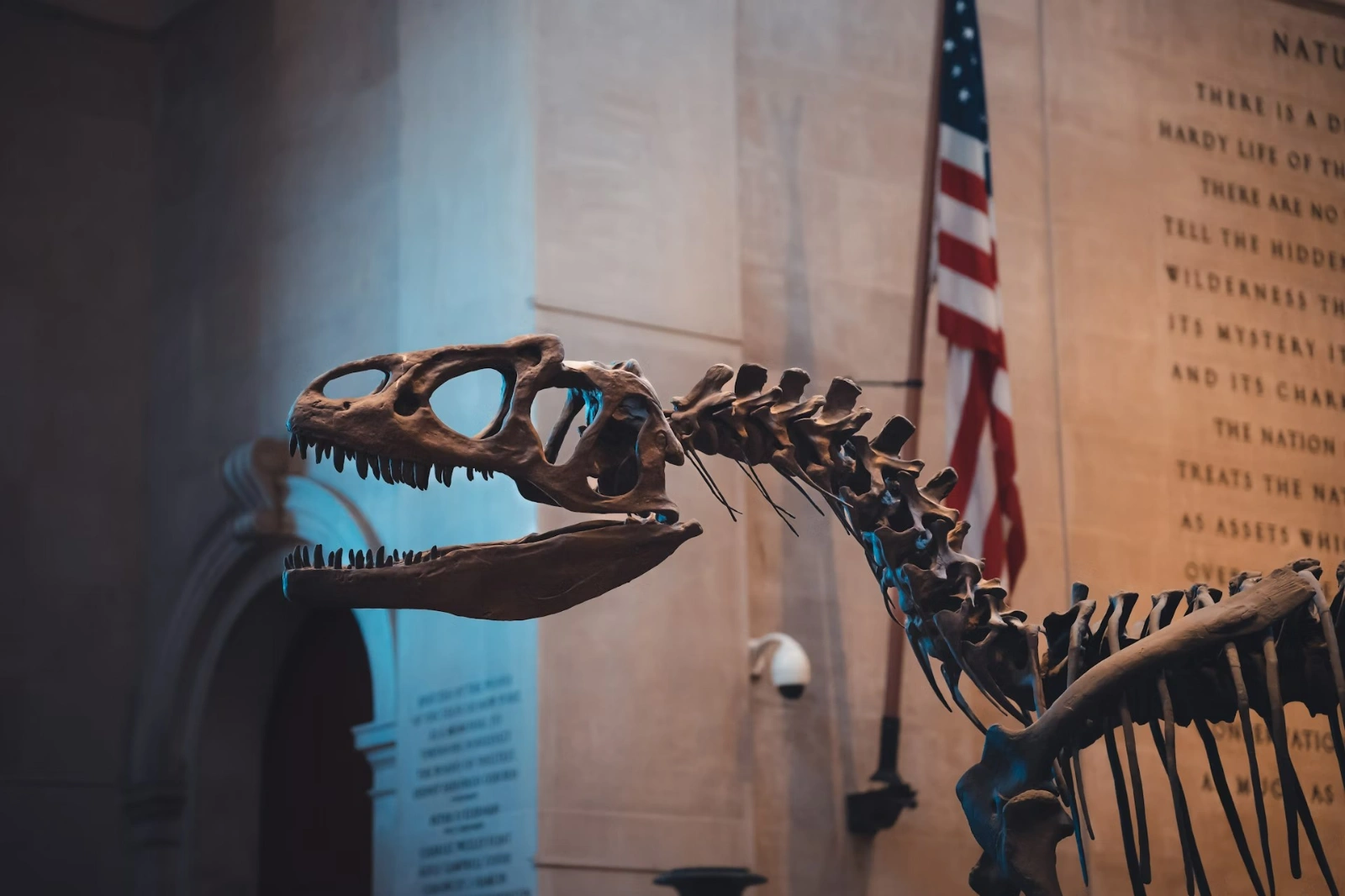
- First, dedicate ample time to the American Museum of Natural History itself; the Planetarium is just one part of this colossal institution. You'll find world-renowned dinosaur halls, sprawling ocean life exhibits, and fascinating cultural displays that can easily fill hours.
- Just across the street, the New-York Historical Society offers a deep dive into the city's past, showcasing diverse collections and engaging exhibitions.
- For a complete change of pace and some fresh air, step into Central Park, right on your doorstep.
- Venture beyond the main paths to discover gems like the Conservatory Garden with its exquisite floral arrangements, or hunt for the whimsical Alice in Wonderland statue.
- If you're still craving more high-flying adventure, head west to the Intrepid Sea, Air & Space Museum on Pier 86. Here, you can actually walk on a genuine aircraft carrier, explore a space shuttle, and even tour a submarine, blending historical military might with space exploration.
To truly get a local's perspective and navigate these and other countless gems the city offers, consider downloading StoryHunt. It acts as your personal audio guide, enriching your journey through New York with compelling narratives about its iconic landmarks and hidden secrets, allowing you to discover the city at your own pace.








.jpg)


.jpg)















.jpg)






.jpg)
























.avif)


