
.webp)

TLDR: The Upper East Side packs world-class museums, Central Park access, riverside walks, and Madison Avenue shopping into Manhattan's most refined neighborhood. Budget $30-50 for museums, free for parks.
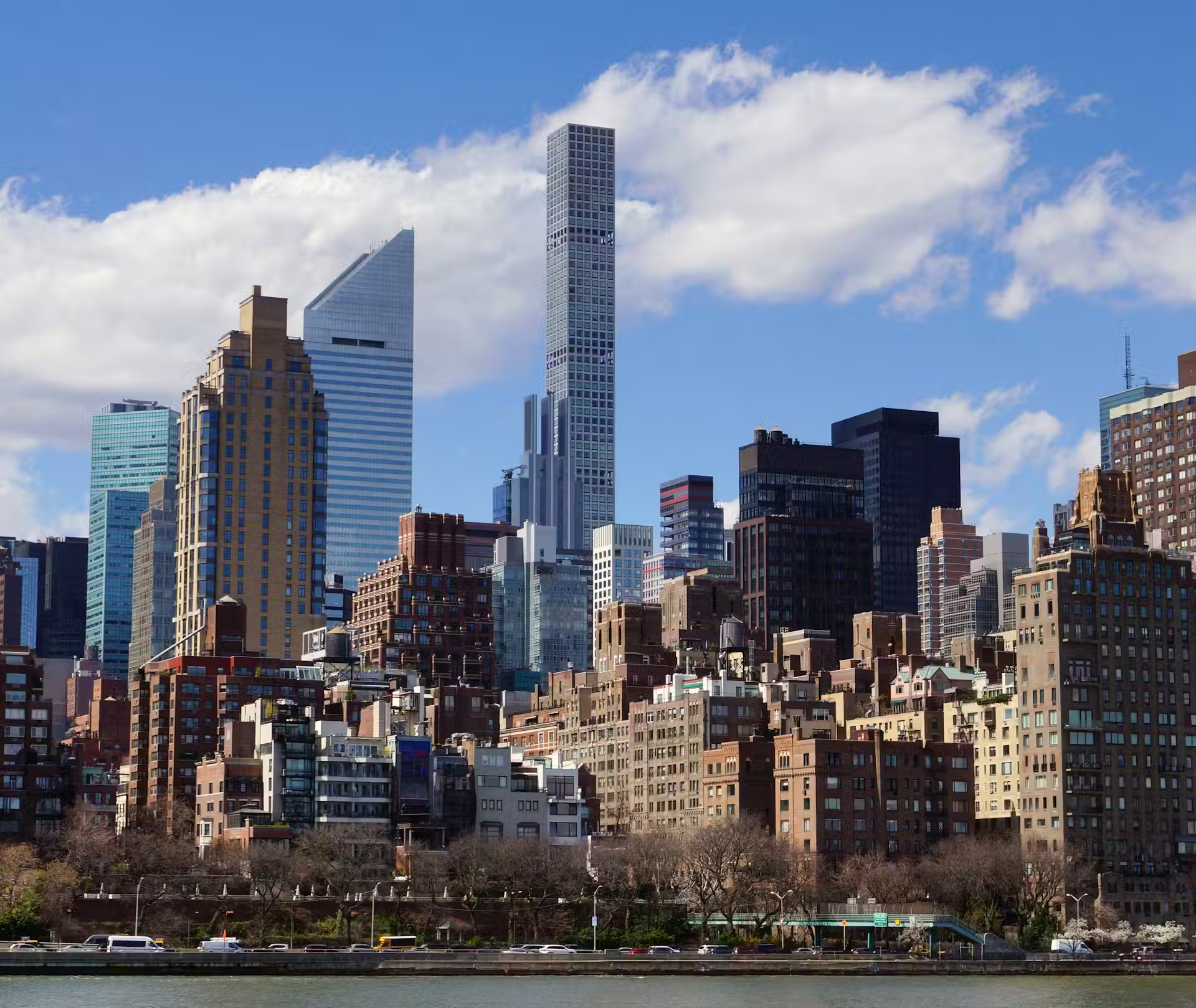
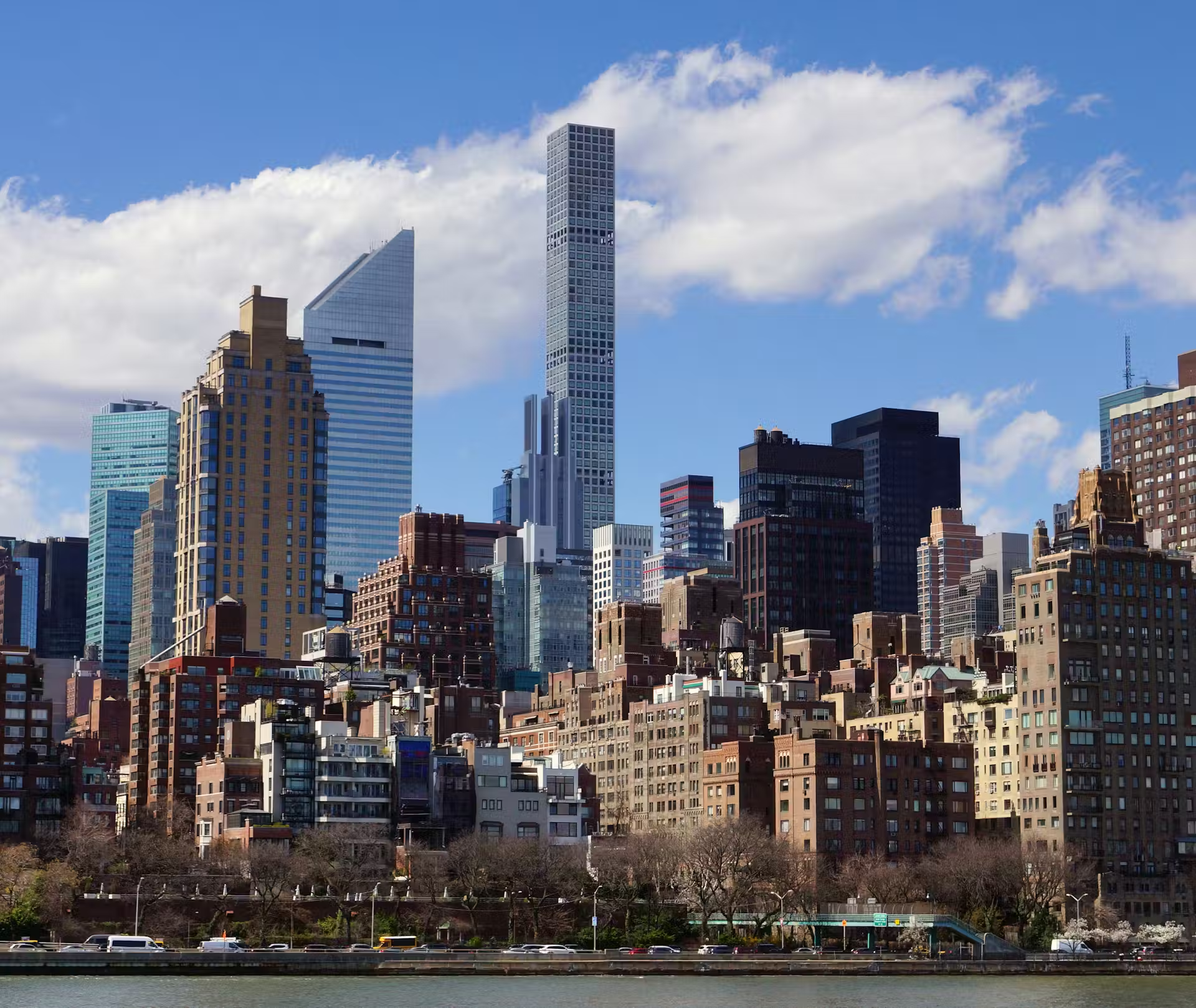
The Upper East Side neighborhood doesn't announce itself with neon signs or street performers. Instead, this Manhattan neighborhood between Central Park and the East River reveals its attractions through museum façades, tree-lined streets, and waterfront promenades.
I've explored this area extensively, hunting down both the famous institutions and quieter spots locals actually use. What strikes me most is the concentration of quality - you're never more than ten blocks from something genuinely worth seeing.
Also scroll down to the bottom to use our free map of Upper East Side in New York.
1. Explore with a StoryHunt audio walk

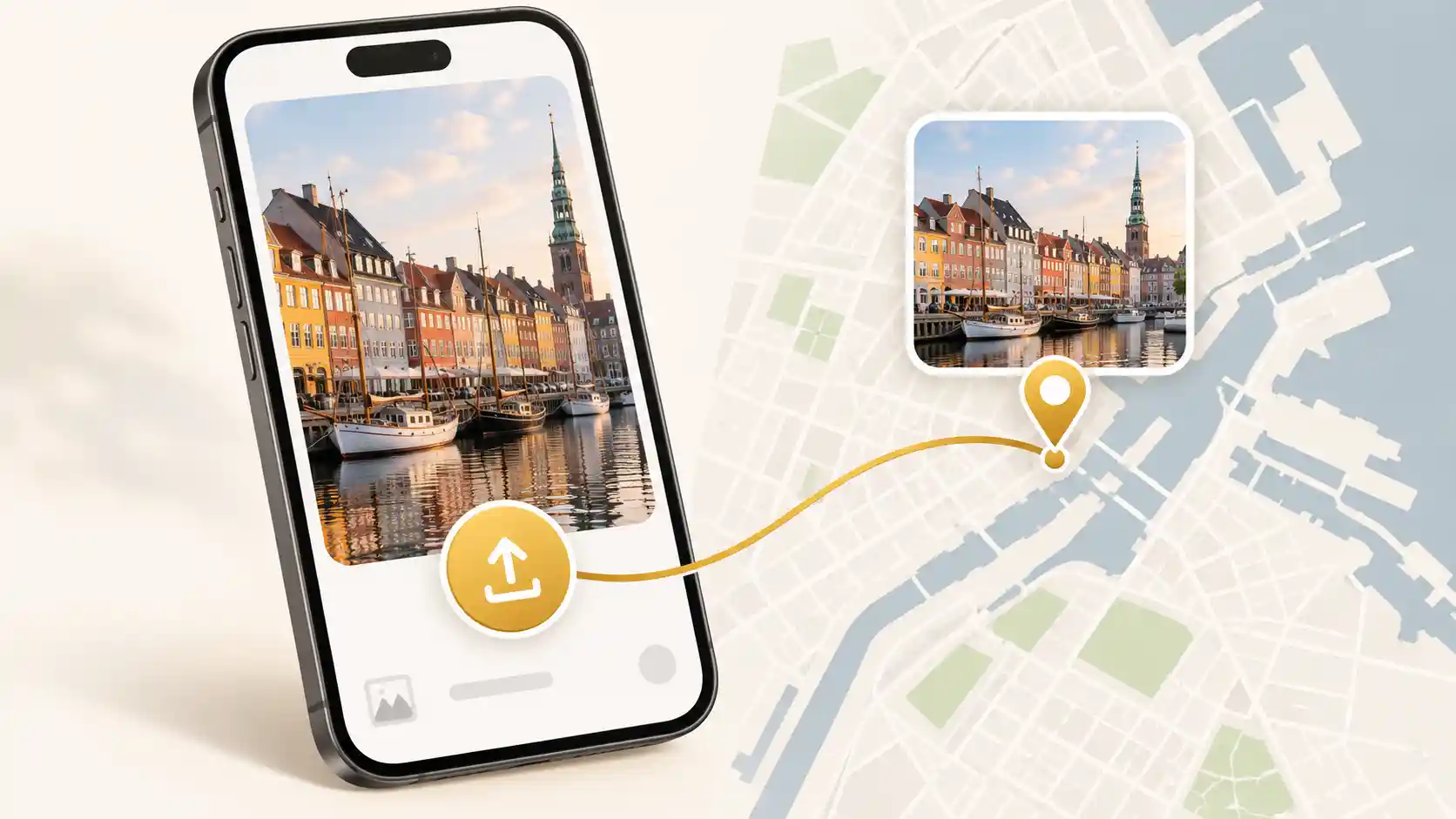
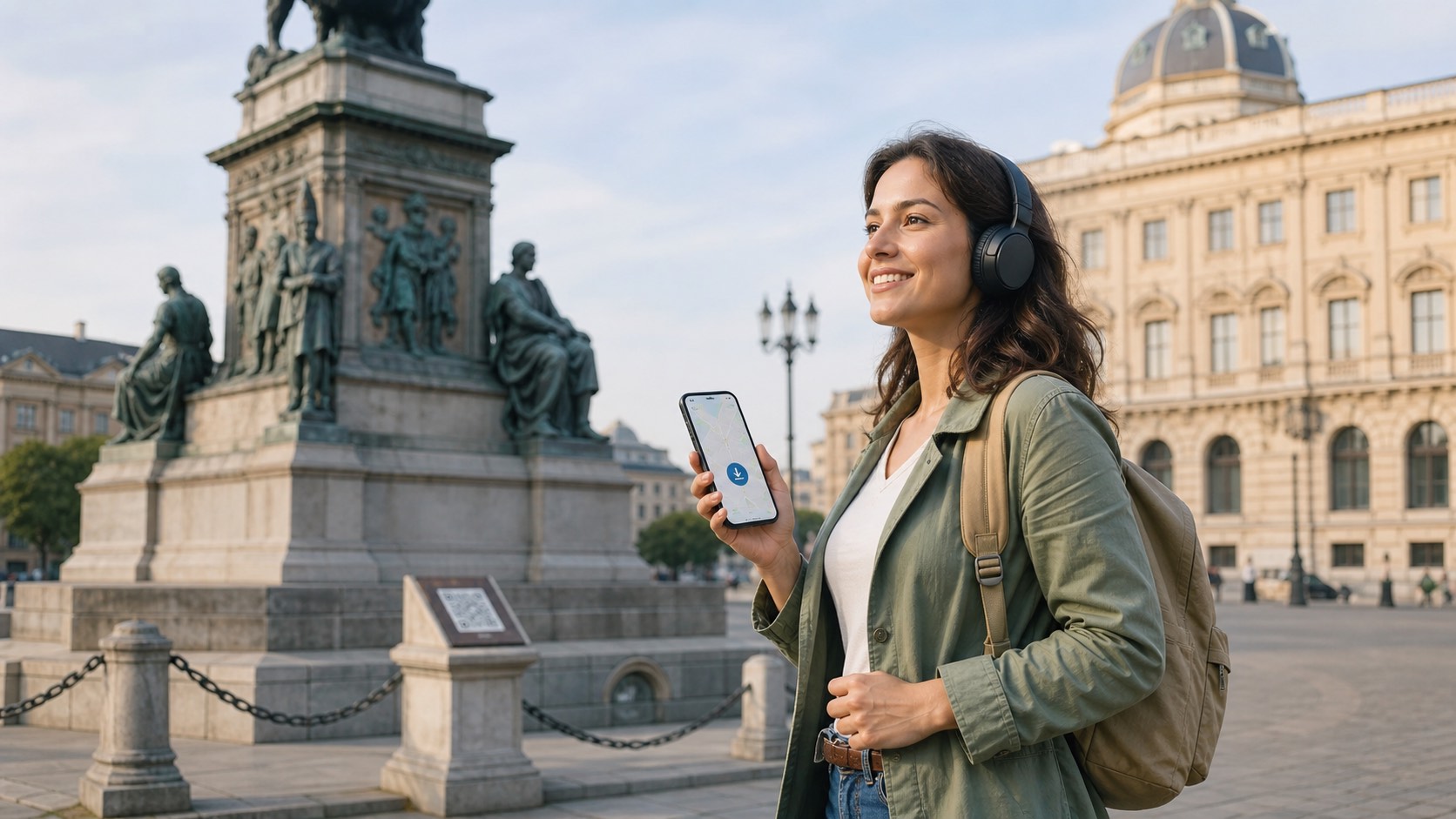
The Upper East Side in New York is best explored on foot, where you can take your time to look at the architecture, get lost in hidden alleys and listen to the fascinating stories - and the smartest way is to go on a guided audio walk from StoryHunt.
You can either create your own walk based on your interests, or you can roam freely by using the interactive map in the app.
Try out StoryHunt for free here.
2. The Metropolitan Museum of Art (The Met)
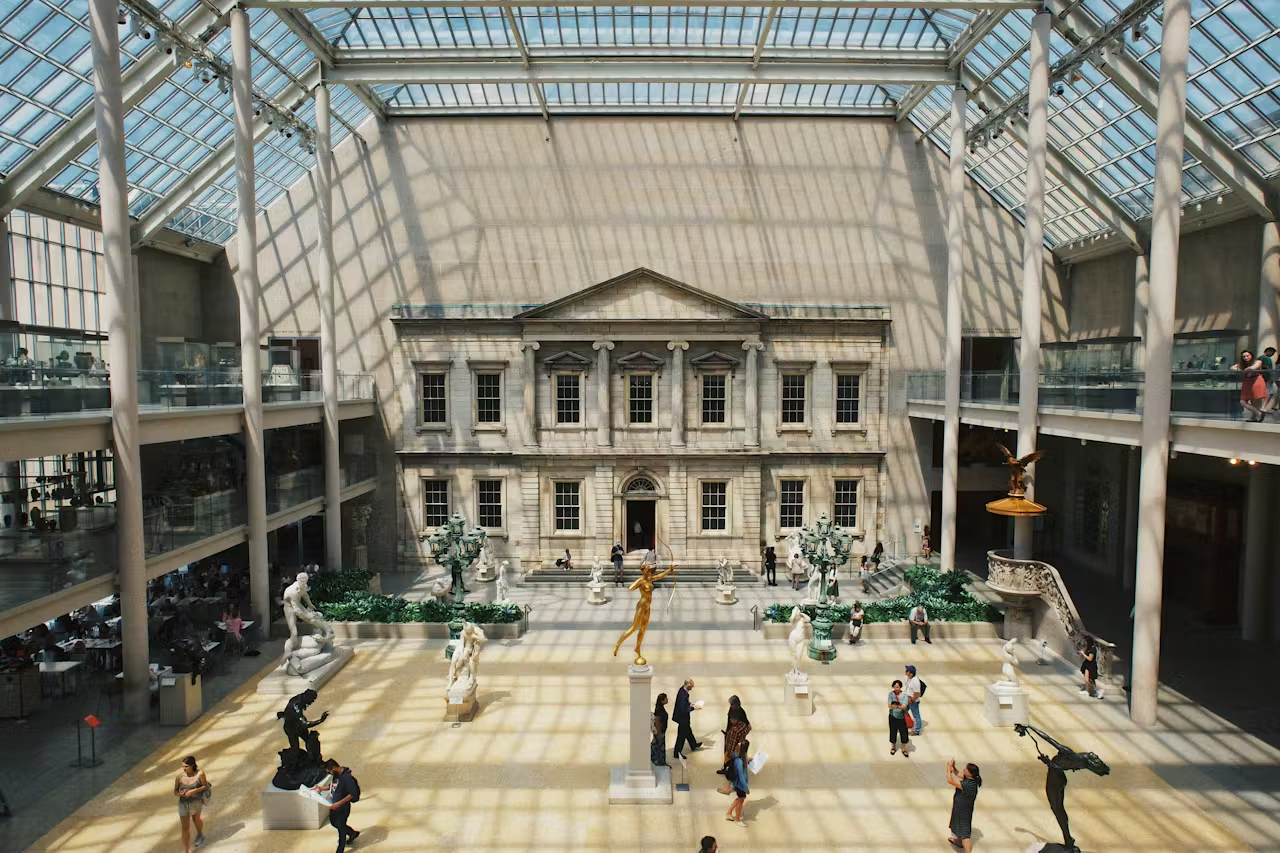
The Metropolitan Museum of Art (The Met) sprawls across 2 million square feet and I've never successfully seen everything in one visit. The Egyptian collection alone could occupy an entire afternoon, and the European paintings galleries seem endless.
I recommend picking 3-4 sections that genuinely interest you rather than attempting the full marathon. The rooftop garden (open spring through fall) provides spectacular Central Park views and rotates contemporary art installations.
Admission is technically pay-what-you-wish for New York State residents but $30 suggested for others. Go right when it opens at 10 AM on weekdays to avoid tour groups.
Did You Know? The Met's collection contains over 2 million works spanning 5,000 years, making it the largest art museum in the Western Hemisphere.
3. Guggenheim Museum
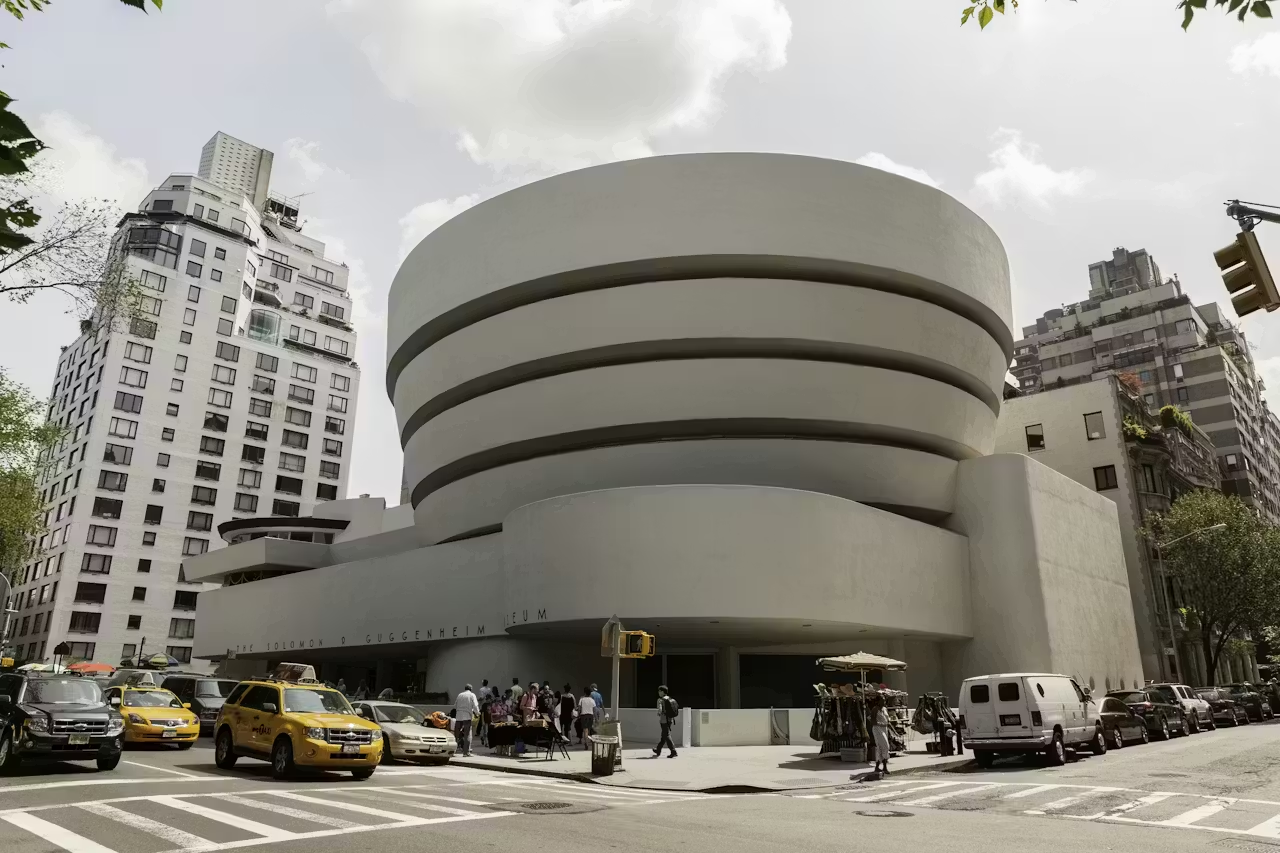
The Guggenheim Museum's spiral architecture by Frank Lloyd Wright gets photographed more than the art inside, and honestly, the building deserves the attention. Walking the continuous ramp from bottom to top creates a completely different museum experience than traditional galleries.
The permanent collection focuses on modern art from the 1860s onward, with strong holdings in Kandinsky, Picasso, and Pollock. I found the spiral either brilliant or mildly nauseating depending on how fast I walked. Special exhibitions rotate frequently and can be hit or miss.
Admission runs around $25 for adults. The small size means you can see everything in 90 minutes.
Did You Know? Frank Lloyd Wright's spiral design was so controversial that 21 artists signed a letter protesting it before construction even began in 1956.
4. The Frick Collection
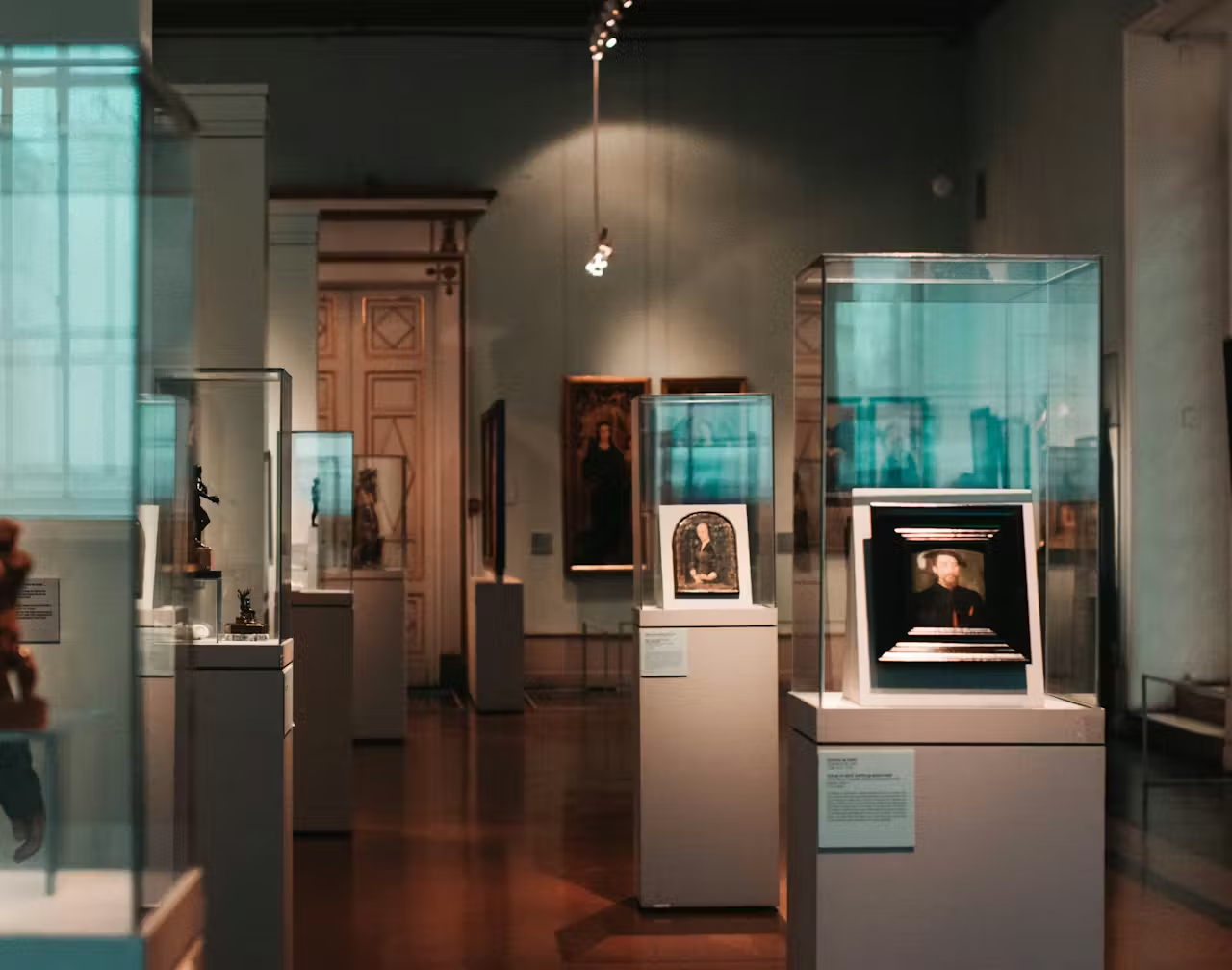
The Frick Collection reopened in April 2025 after a massive $220 million renovation and now lets visitors explore previously closed second-floor rooms. This mansion-turned-museum displays masterpieces by Vermeer, Rembrandt, and Fragonard in intimate galleries that maintain the original domestic feel.
The collection belonged to industrialist Henry Clay Frick, and because he curated art for his home, everything flows naturally rather than feeling like sterile museum halls. I appreciate how uncrowded it stays compared to The Met.
Timed tickets are required and cost around $22 for adults. The internal courtyard provides peaceful breaks between galleries. Wednesday afternoons offer pay-what-you-wish admission.
Did You Know? The Frick owns two of only 34 Vermeer paintings known to exist worldwide, making this small museum incredibly significant for Dutch Golden Age art.
5. Central Park (Upper East Side Section)
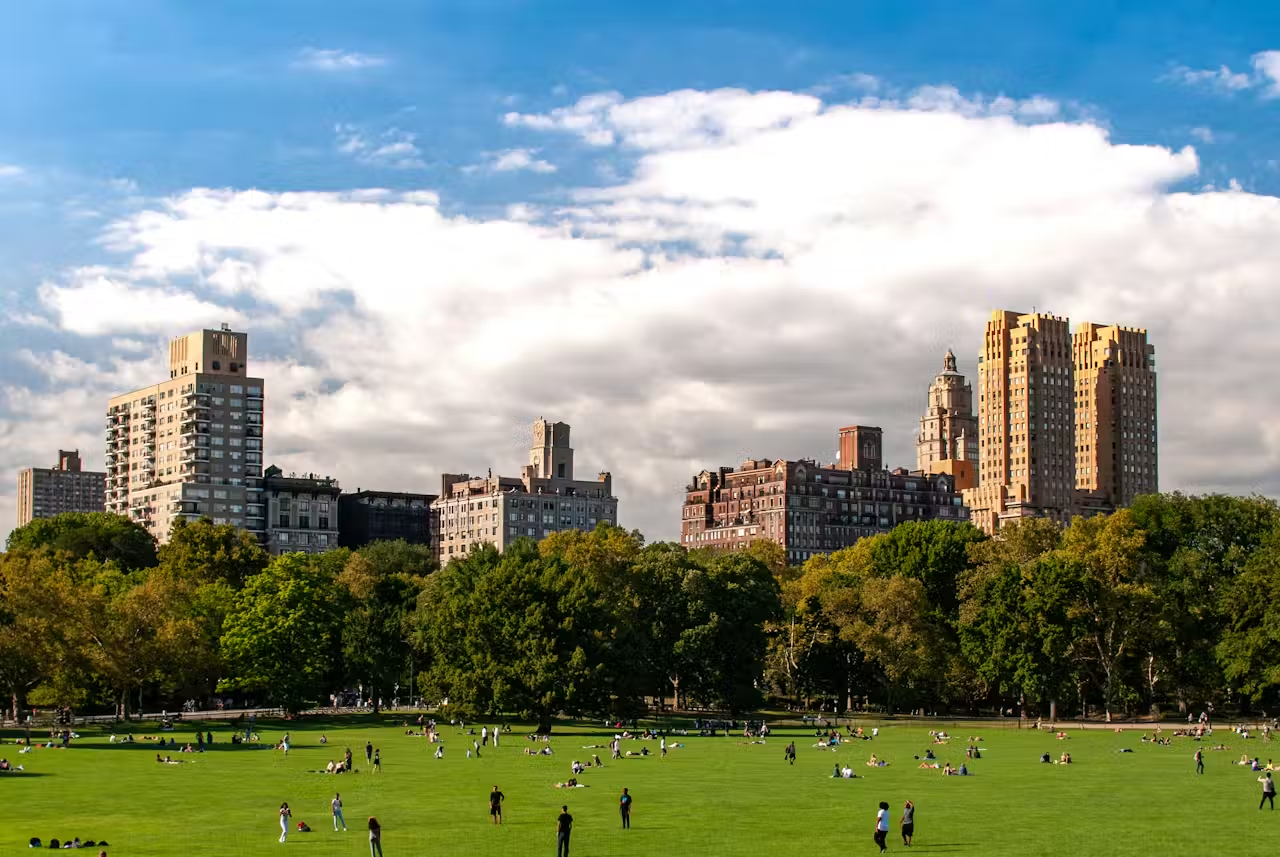
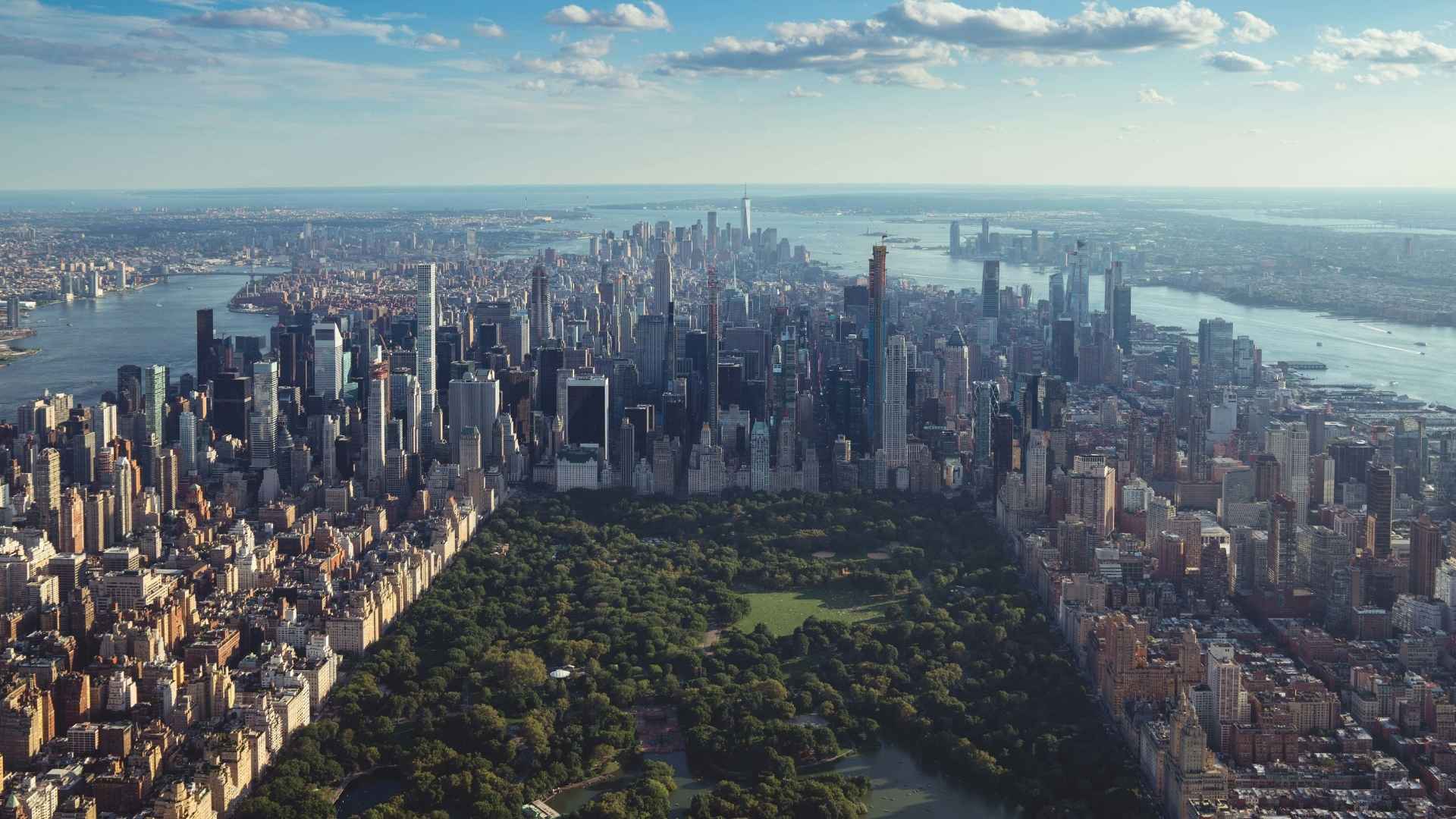
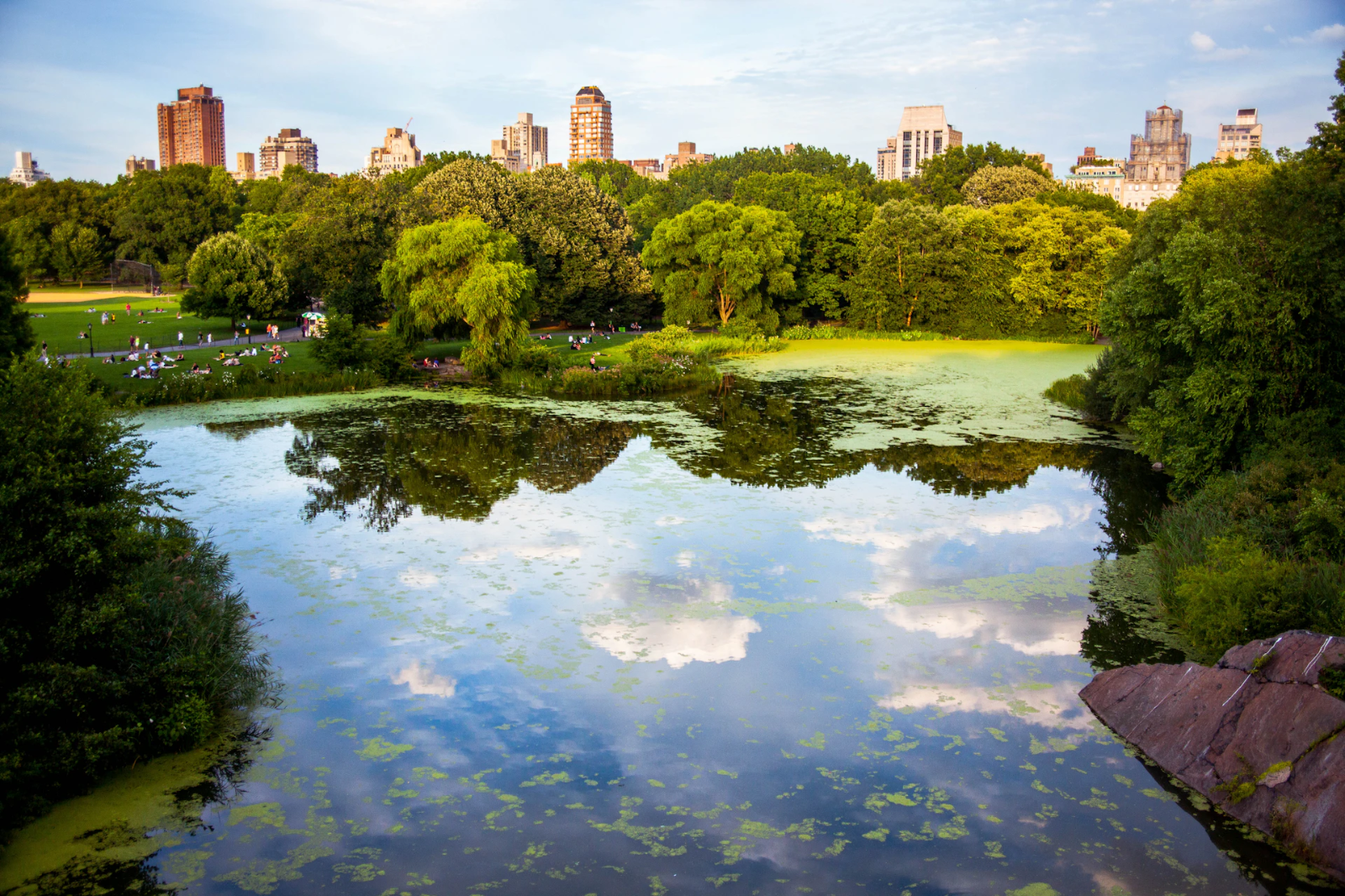
Central Park's eastern side from 59th to 110th Streets technically belongs to the Upper East Side, giving residents direct access to meadows, paths, and attractions. The Jacqueline Kennedy Onassis Reservoir loop (1.58 miles) provides excellent running with city views.
Bethesda Terrace and Fountain sit just inside the park at 72nd Street, while Belvedere Castle offers panoramic views from its perch on Vista Rock. The eastern side stays quieter than the heavily-trafficked western paths. I've found perfect picnic spots on the Great Lawn's edges during weekday afternoons.
The park's free and open daily from 6 AM to 1 AM.
Did You Know? Central Park was the first landscaped public park in the United States when it opened in 1859, designed by Frederick Law Olmsted and Calvert Vaux.
6. Roosevelt Island Tramway
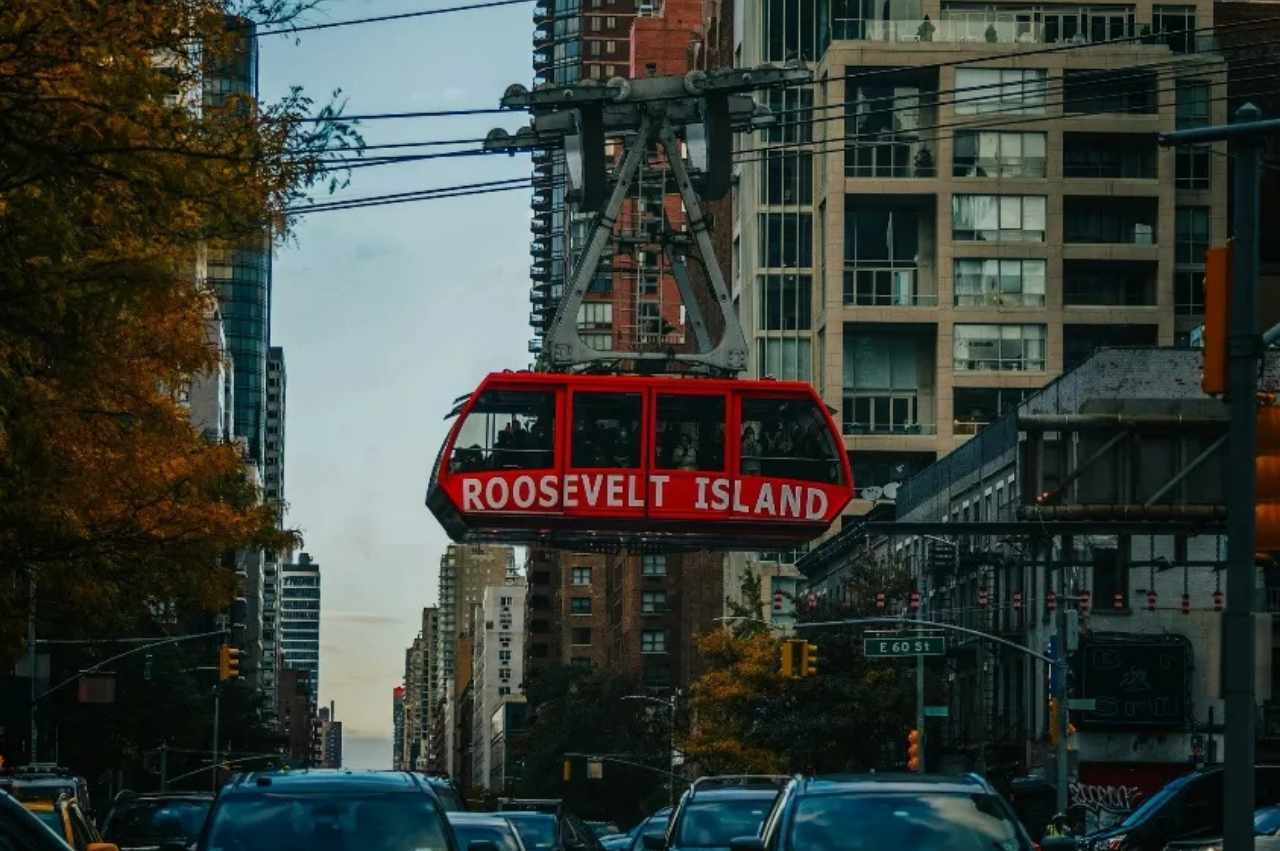
The Roosevelt Island Tramway connects Manhattan at 60th Street and Second Avenue to Roosevelt Island in four aerial minutes above the East River. Using a regular MetroCard or OMNY, it costs the same as a subway ride ($2.90) but provides helicopter-style views of the Queensboro Bridge, Manhattan skyline, and East River.
The cabins hold around 110 people and depart every 7-15 minutes depending on rush hour schedules. I recommend riding during sunset for golden-hour photography, though expect crowds. The tram opened in 1976 as North America's first commuter aerial tramway and appeared in movies like Spider-Man.
Did You Know? The Roosevelt Island Tramway climbs to 250 feet above the East River at its highest point, offering one of New York's most affordable aerial views.
7. The Conservatory Garden
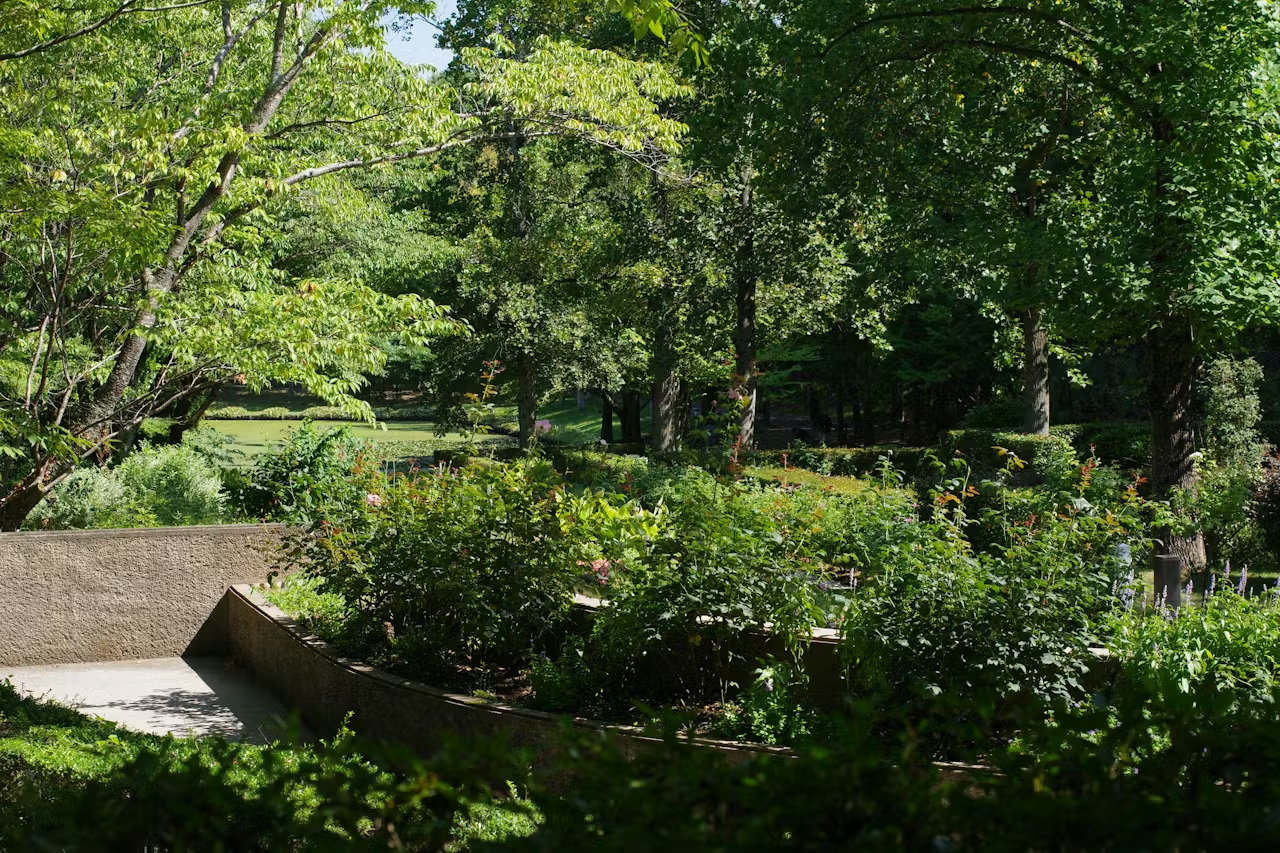
The Conservatory Garden at Central Park's northeast corner (Fifth Avenue and 105th Street) is the only formal garden in the entire park. Most tourists never make it this far north, so you'll find peaceful European-style landscapes without crowds.
The six acres divide into French, Italian, and English garden sections, each with distinct designs and seasonal plantings. Spring brings spectacular tulip displays, fall showcases chrysanthemums, and the wisteria-covered pergola blooms in late spring.
I've used this spot for quiet reading when the rest of Central Park feels overrun. The ornate Vanderbilt Gate marks the main entrance. Admission is free and it's open from 8 AM until dusk. Want to explore the Upper East Side without missing hidden spots like this? The Personal Tour Guide creates custom audio walks connecting museums, parks, and neighborhood secrets based on your specific interests and walking pace.
Did You Know? The Conservatory Garden completed a $25 million restoration in 2025, the most significant investment in the space since it was built in 1937.
8 Madison Avenue
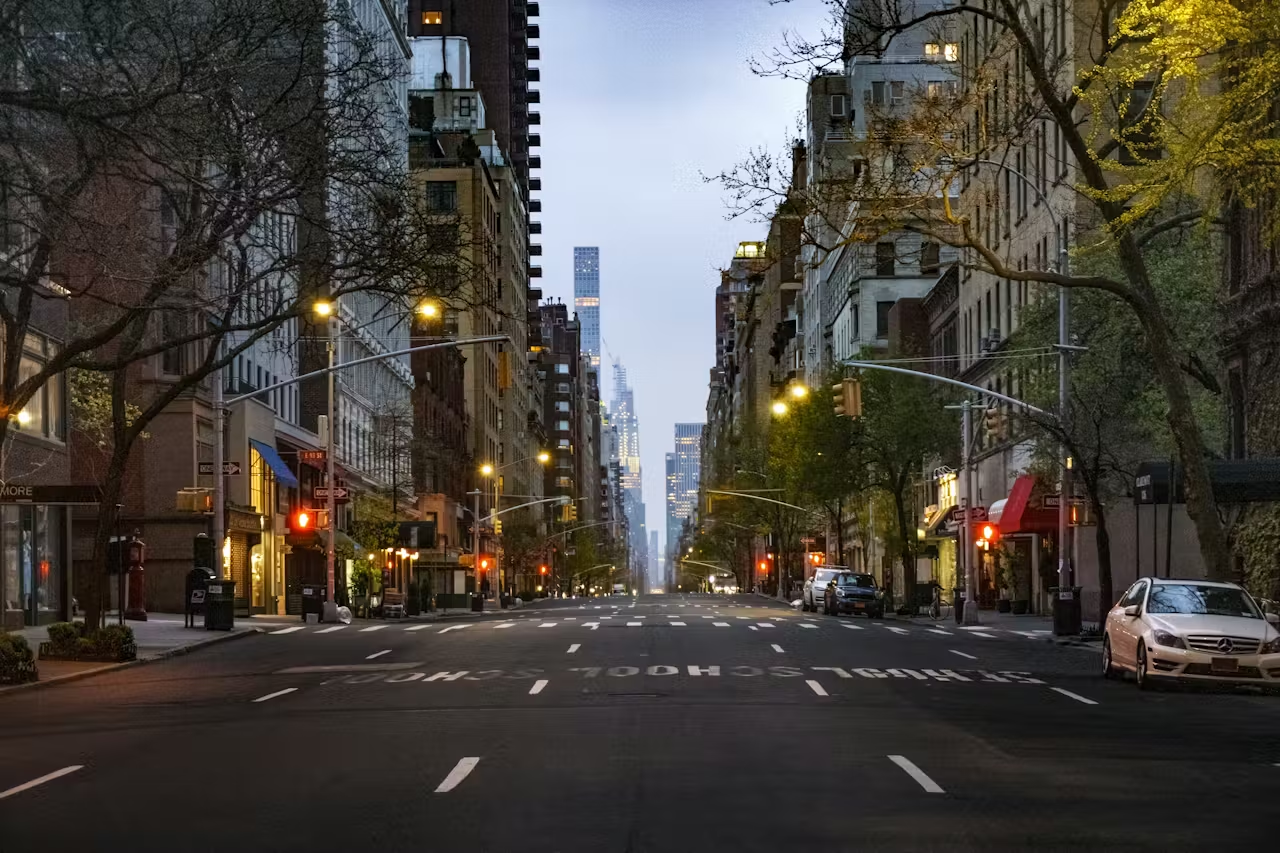
Madison Avenue between 59th and 79th Streets contains one of the world's densest concentrations of luxury boutiques. Chanel, Hermès, Prada, Ralph Lauren flagship stores, and high-end jewelers line the blocks in elegant storefronts that feel more European than American.
I'm not suggesting you need to buy anything (most items require serious financial commitment), but window shopping here provides excellent people-watching and architecture appreciation. The street stays relatively quiet compared to Fifth Avenue's tourist crowds. Several upscale home goods and art galleries mix among the fashion houses.
Walking the full stretch takes about 45 minutes.
Did You Know? Madison Avenue's luxury shopping district developed in the 1970s-80s when designers began opening flagship stores in former Upper East Side townhouses and mansions.
9. Carl Schurz Park and East River Promenade

Carl Schurz Park stretches along the East River from 84th to 90th Streets, offering waterfront paths, playgrounds, dog runs, and views toward Roosevelt Island and Queens.
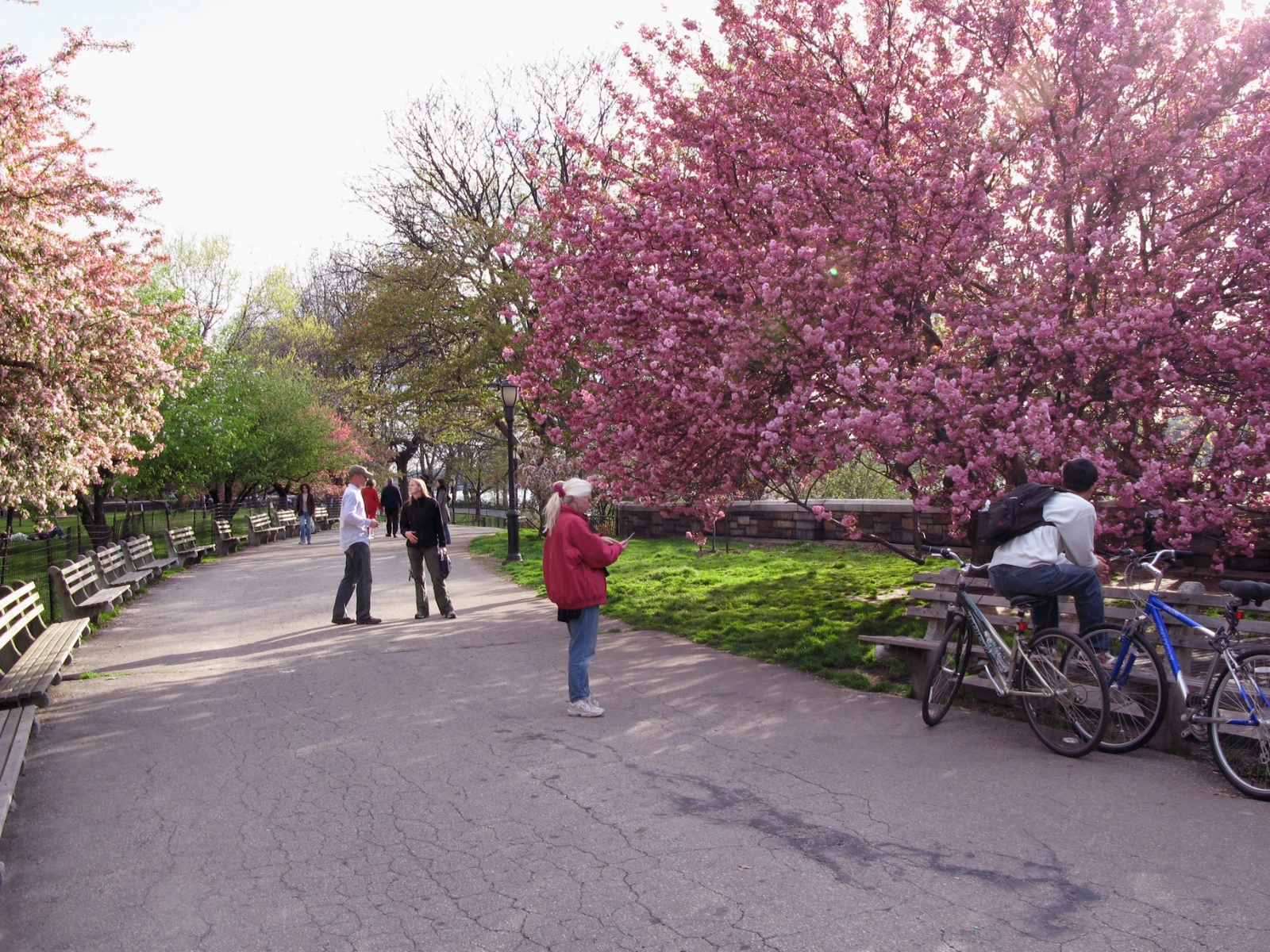
The East River Promenade (also called John Finley Walk) provides a peaceful alternative to Central Park's crowded paths, perfect for running or biking. I've watched sunrises here with coffee while Manhattan slowly wakes up.
The park contains Gracie Mansion and well-maintained lawns for picnics. Spring brings cherry blossom displays that rival anything in Washington DC. The promenade connects to the Manhattan Waterfront Greenway for longer rides. Access is free 24/7.
Did You Know? Carl Schurz Park is named after a German-born Union general who became the first German-American elected to the U.S. Senate and later served as Secretary of the Interior.
10. Gracie Mansion

Gracie Mansion has served as the official residence of New York City mayors since 1942, sitting in Carl Schurz Park overlooking the East River. The Federal-style house dates to 1799 when merchant Archibald Gracie built it as a country estate.
Public tours run on select Wednesdays, typically requiring advance booking through the Gracie Mansion Conservancy (tours cost around $10). You'll see formal rooms on the ground floor while the upper floors remain private for the mayor's family. The tour covers New York political history and the building's colonial architecture.
I found the formal gardens surrounding the mansion equally impressive.
Did You Know? Gracie Mansion is the oldest surviving wood-frame house in Manhattan, and George Washington once commandeered the site during the Revolutionary War.
11. The Jewish Museum

The Jewish Museum occupies a 1908 mansion at Fifth Avenue and 92nd Street, presenting 4,000 years of Jewish culture through 30,000 objects in its permanent collection. The exhibitions mix ancient artifacts with contemporary art in ways that feel thoughtful rather than overwhelming.
I particularly appreciated how the museum connects Jewish history to broader cultural contexts. Special exhibitions rotate frequently and often feature significant artists. The building itself shows beautiful Gilded Age mansion architecture.
Admission runs about $18 for adults, free on Saturdays. The museum cafe serves kosher food. Plan for 90-120 minutes to see the main galleries thoroughly.
Did You Know? The Jewish Museum was the first Jewish museum in the United States when it opened in 1904, originally housed in the Jewish Theological Seminary's library.
12. Cooper Hewitt Smithsonian Design Museum
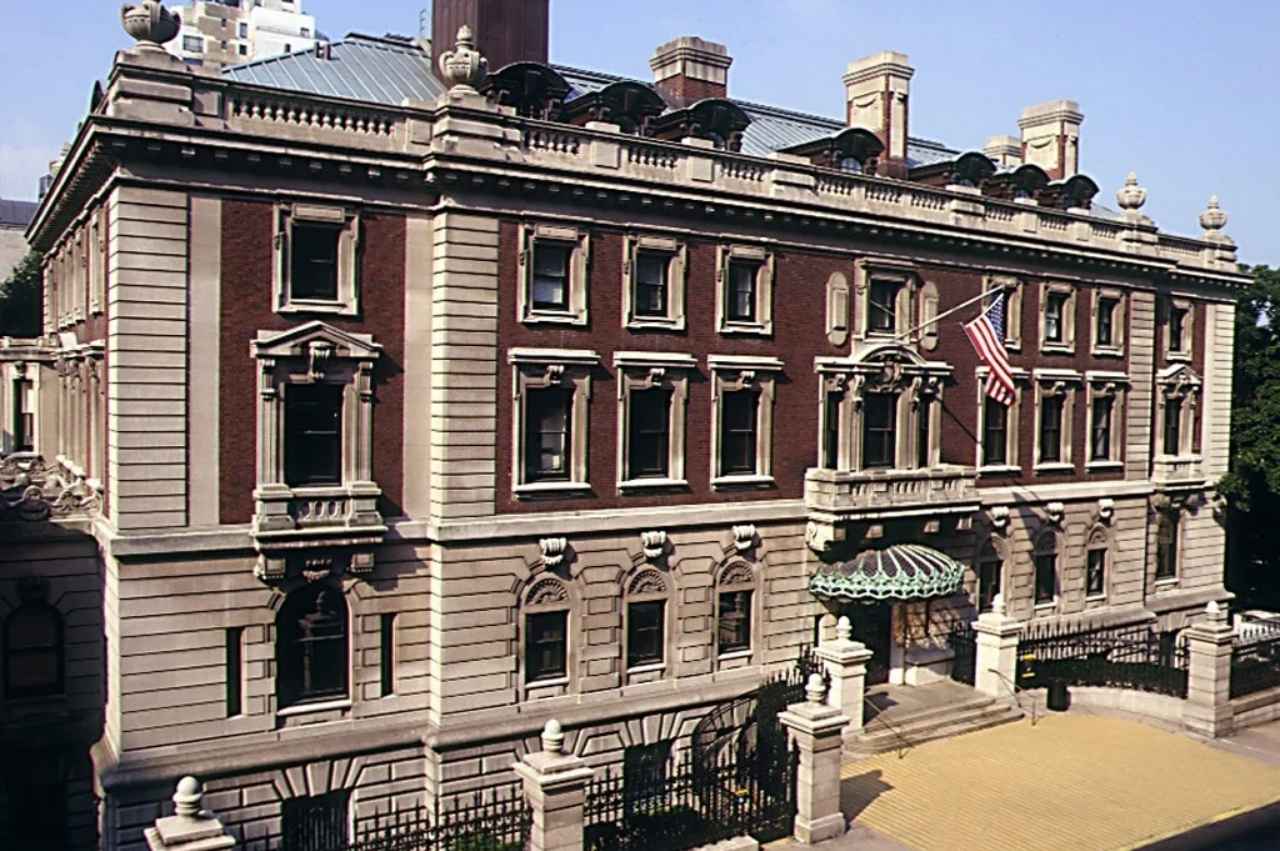
The Cooper Hewitt Smithsonian Design Museum inhabits the former Andrew Carnegie Mansion at Fifth Avenue and 91st Street, focusing exclusively on design across all disciplines. Interactive exhibits let you create patterns, explore design processes, and even draw on digital tables.
The collection spans historical and contemporary design from furniture to fashion to digital interfaces. I found the mansion's preserved period rooms as interesting as the exhibitions. The garden offers summer seating and occasional installations.
Admission costs around $18 for adults. The museum shop sells excellent design books and gifts. Visiting takes about 2 hours.
Did You Know? Andrew Carnegie's mansion featured technological innovations when built in 1902, including being one of the first private residences with a structural steel frame and central heating.
13. Neue Galerie

The Neue Galerie at Fifth Avenue and 86th Street specializes in early 20th-century German and Austrian art, housed in a beautiful 1914 Beaux-Arts mansion. The collection includes works by Klimt, Schiele, and significant Bauhaus pieces in intimate galleries that never feel overwhelming.
Café Sabarsky on the ground floor serves Viennese coffee and pastries in an elegant room perfect for afternoon breaks. I recommend visiting during winter holidays when the museum displays decorative arts exhibitions.
Admission runs about $28 for adults, no children under 12 permitted. The small size means you can see everything in 60-90 minutes comfortably.
Did You Know? The Neue Galerie owns Gustav Klimt's famous "Portrait of Adele Bloch-Bauer I," purchased in 2006 for $135 million, then the highest price ever paid for a painting.
14. Lexington Avenue Dining Scene
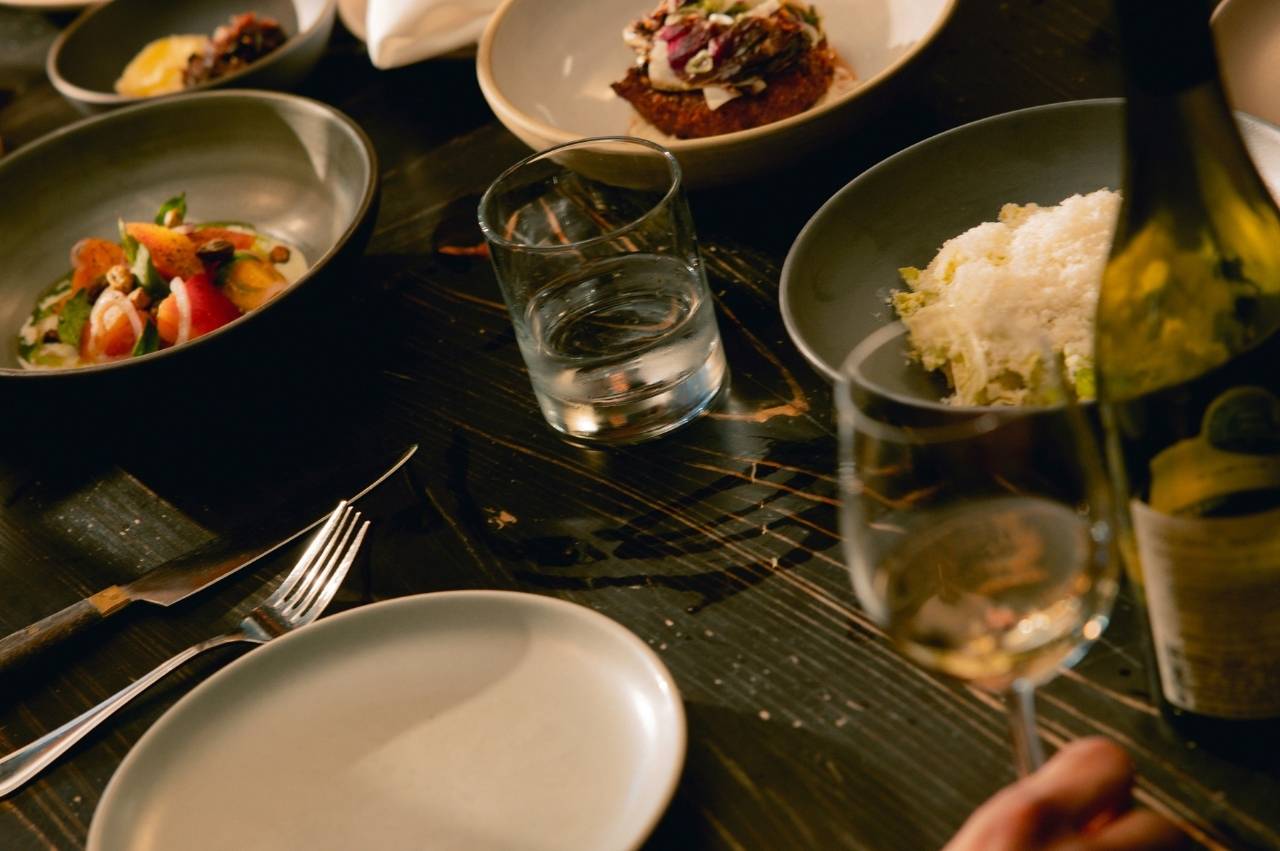
Lexington Avenue between 60th and 90th Streets provides the Upper East Side's most diverse and affordable restaurant options compared to expensive Madison Avenue spots. You'll find everything from casual Thai restaurants to Jewish delis, Italian trattorias to Japanese ramen shops.
I've discovered multiple neighborhood favorites here where locals actually eat rather than just tourists passing through. Pastrami Queen serves massive sandwiches, Bayon offers Cambodian cuisine rare in Manhattan, and numerous sushi spots compete for quality.
Lunch specials typically run $15-25, dinner $25-40 per person. The avenue stays busy but never feels overrun.
Did You Know? Lexington Avenue was created in 1832 as one of Manhattan's four original north-south avenues, later joined by additional avenues as the city expanded.
Explore Upper East Side like a local
The Upper East Side rewards visitors who explore beyond Museum Mile's obvious attractions. The neighborhood combines world-class cultural institutions with quieter parks, hidden gardens, and authentic dining spots that reveal New York's refined character. Whether you're interested in classical art or contemporary design, waterfront walks or luxury shopping, the concentration of quality here is remarkable.
Ready to create your perfect Upper East Side experience? The Personal Tour Guide builds customized audio walks connecting the attractions that match your interests. Skip the rigid tour schedules and explore at your own pace with an interactive map and engaging stories about the neighborhoods, museums, and hidden corners that make this area special.











.jpg)

.jpg)







.jpg)







.jpg)







.avif)


