.webp)

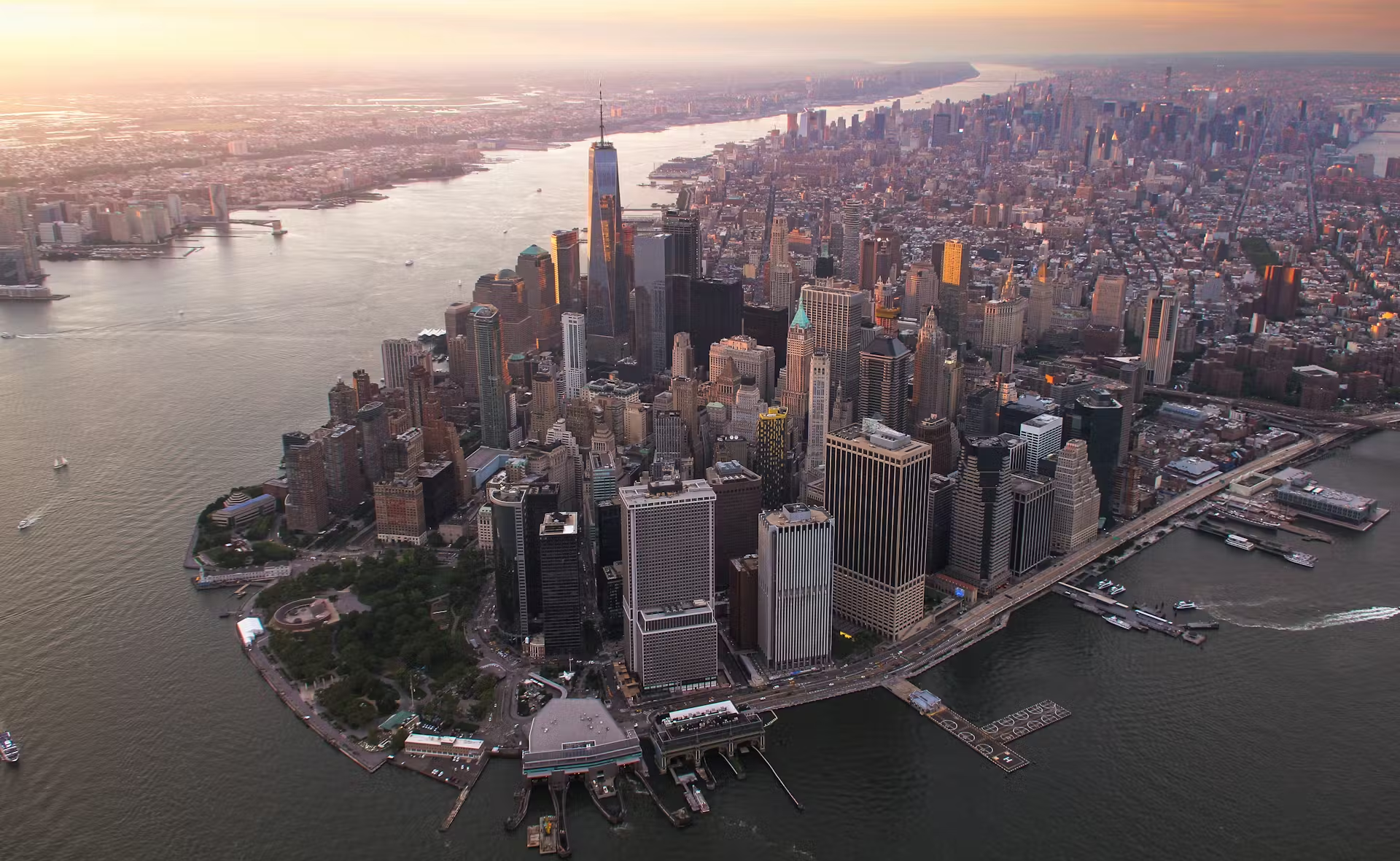
TLDR: Lower Manhattan's must-sees include the 9/11 Memorial, One World Observatory, Wall Street, Trinity Church, and Battery Park. Plan a full day, visit weekday mornings for fewer crowds, and combine the Statue of Liberty ferry with downtown exploration.
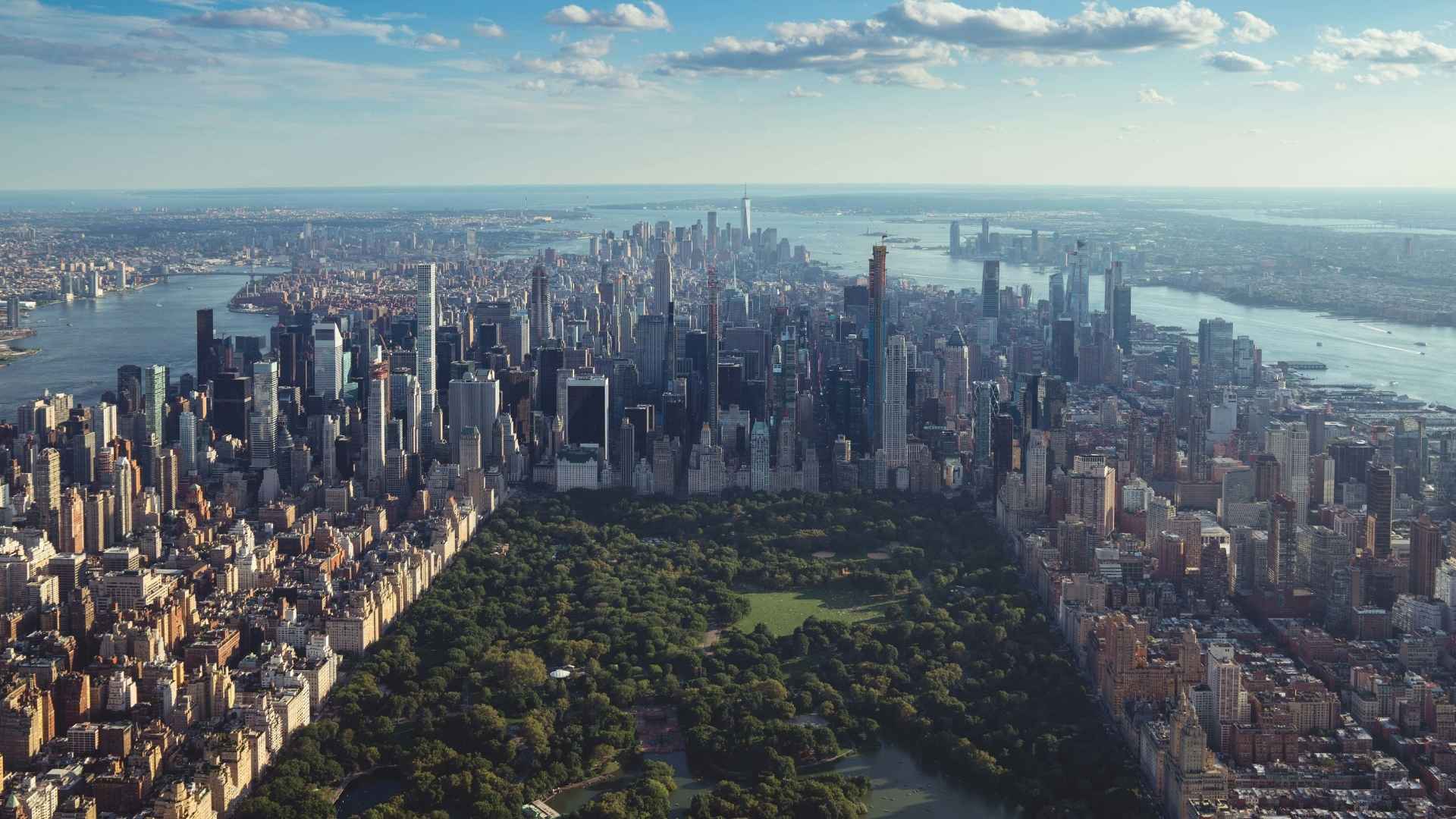
Lower Manhattan packs more history per square block than almost anywhere else in America.
After spending considerable time exploring these streets, I've learned that the Financial District offers far more than suits and skyscrapers. This is where New York City began as New Amsterdam in 1624, where George Washington took his presidential oath, and where the nation rebuilt after tragedy.
Here are the top things to see in Lower Manhattan, with honest takes on what's worth your time.
1. 9/11 Memorial and Museum
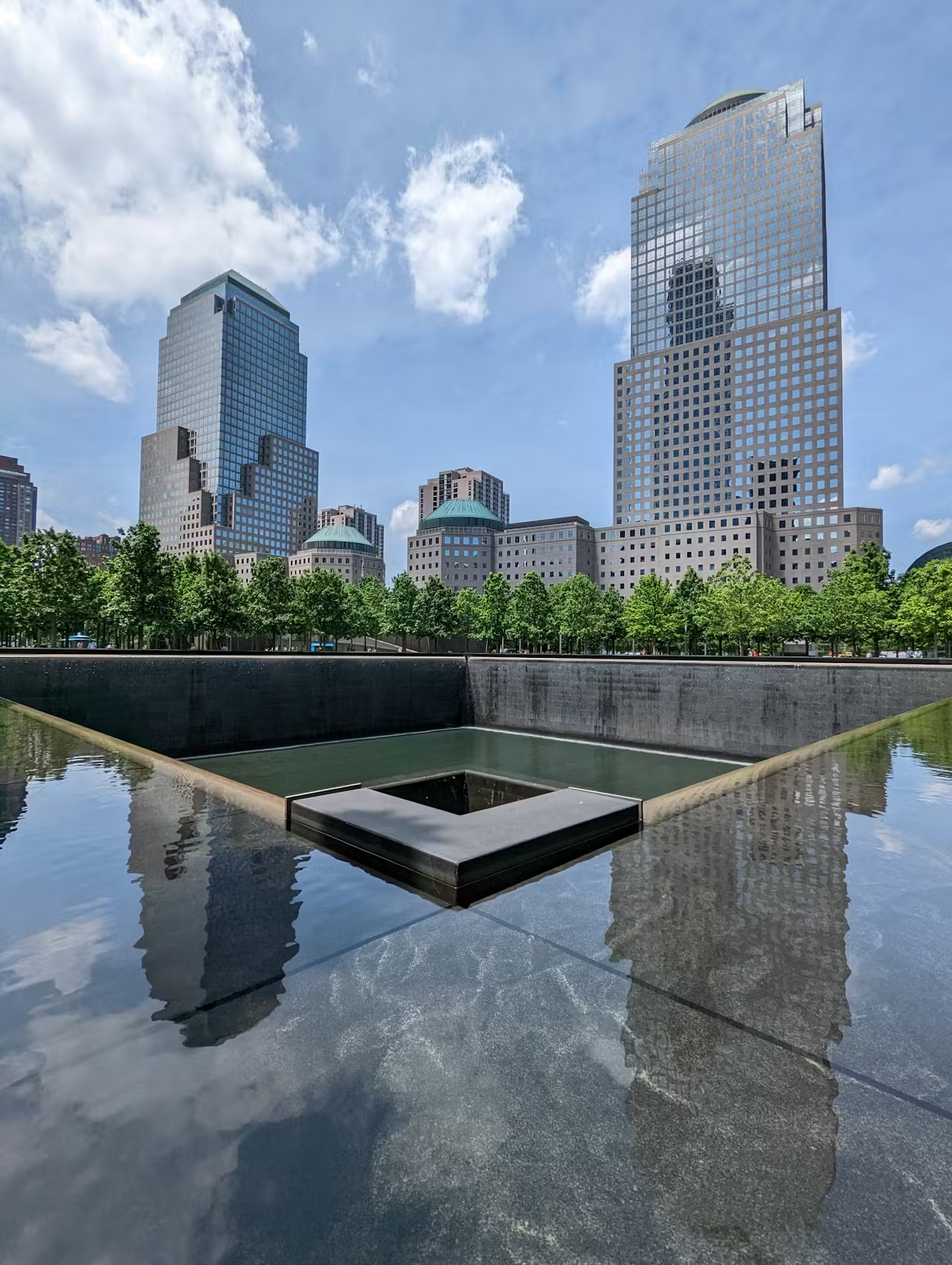
The twin reflecting pools at the 9/11 Memorial and Museum sit in the exact footprints of the original towers, creating North America's largest man-made waterfalls. I found the outdoor memorial free to visit and deeply moving, especially in early morning when crowds thin.
The underground museum requires tickets and at least two hours. White roses mark victims' birthdays each day, a detail I didn't expect but found incredibly powerful.
Did You Know? The Survivor Tree, a Callery pear that survived the attacks, was nursed back to health and replanted at the memorial site in 2010.
2. One World Observatory
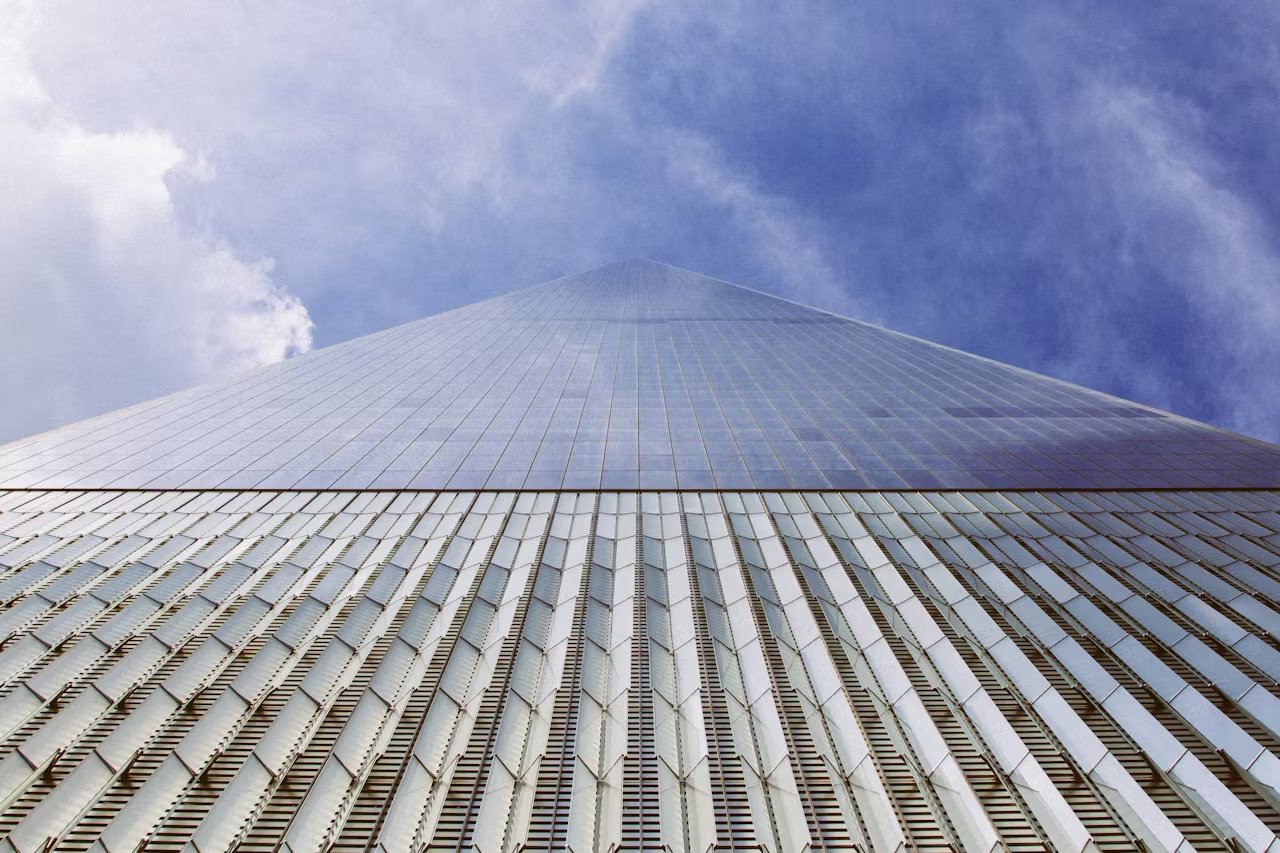
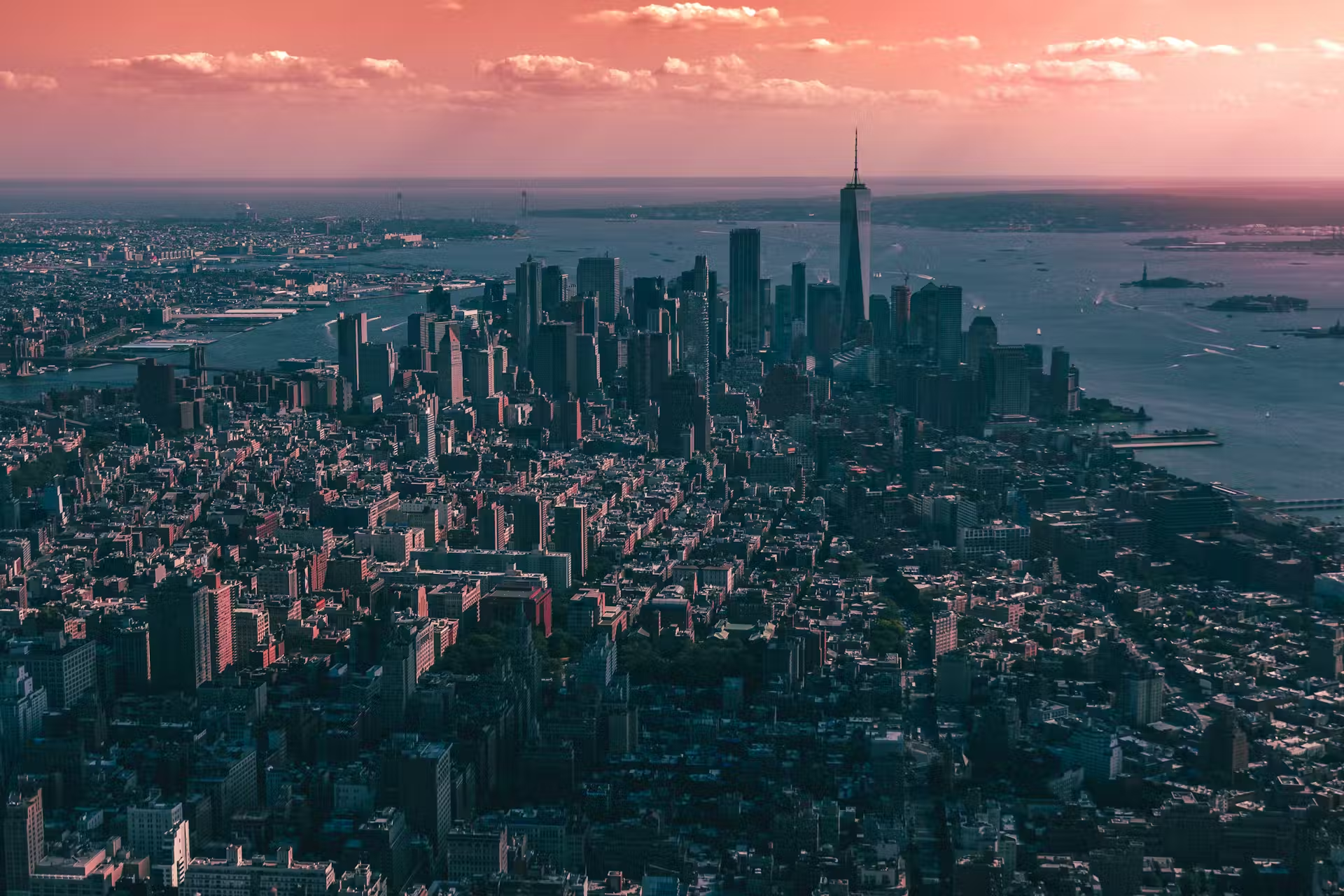
At 1,776 feet, One World Trade Center stands as the tallest building in the Western Hemisphere. The SkyPod elevators shoot you to the 102nd floor in 47 seconds while displaying a time-lapse of New York's construction.
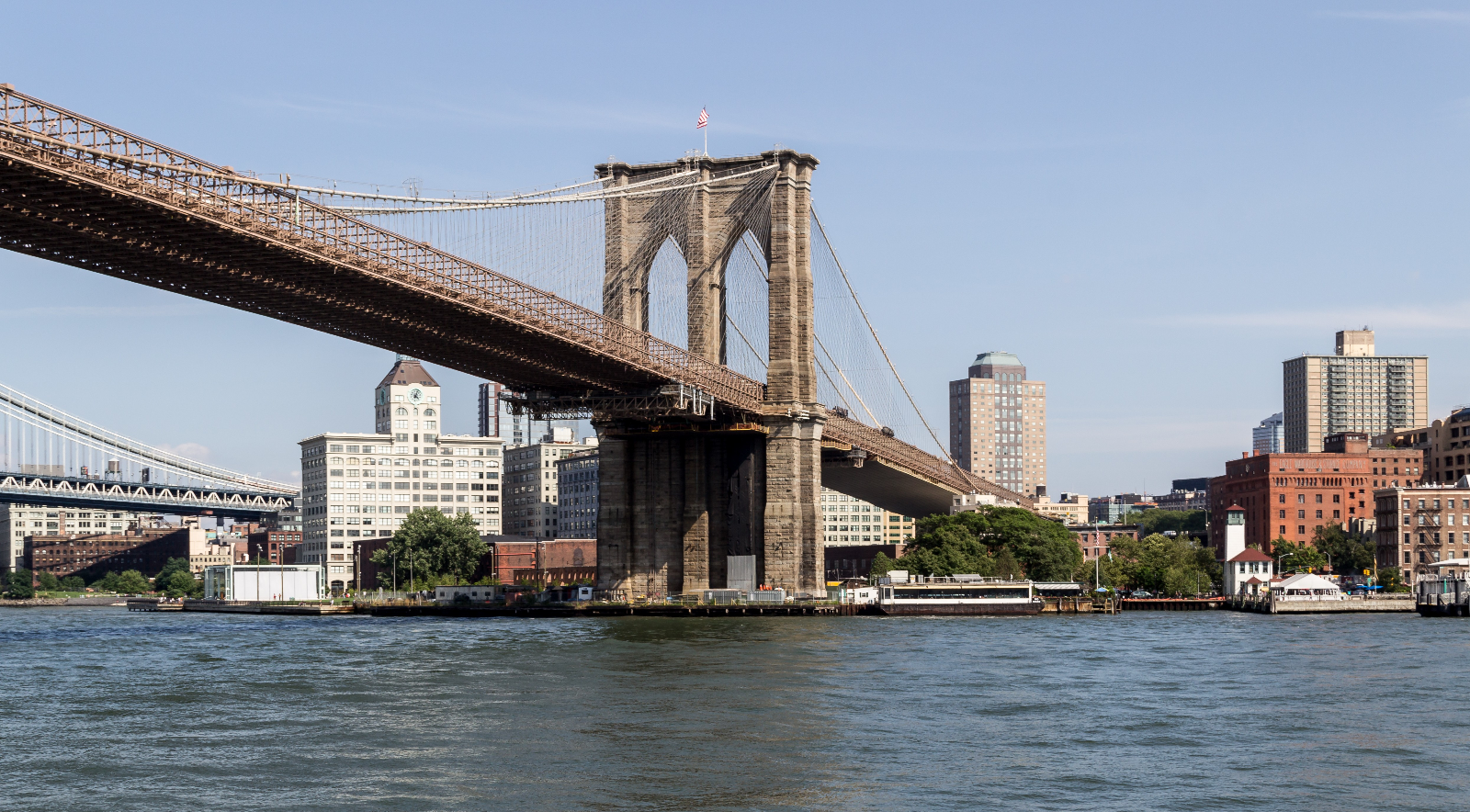
Views stretch to the Statue of Liberty, Brooklyn Bridge, and Central Park. I recommend booking morning tickets online to avoid peak crowds and get clearer photographs.
Did You Know? The building's height of 1,776 feet deliberately references the year the Declaration of Independence was signed.
3. Wall Street and the New York Stock Exchange
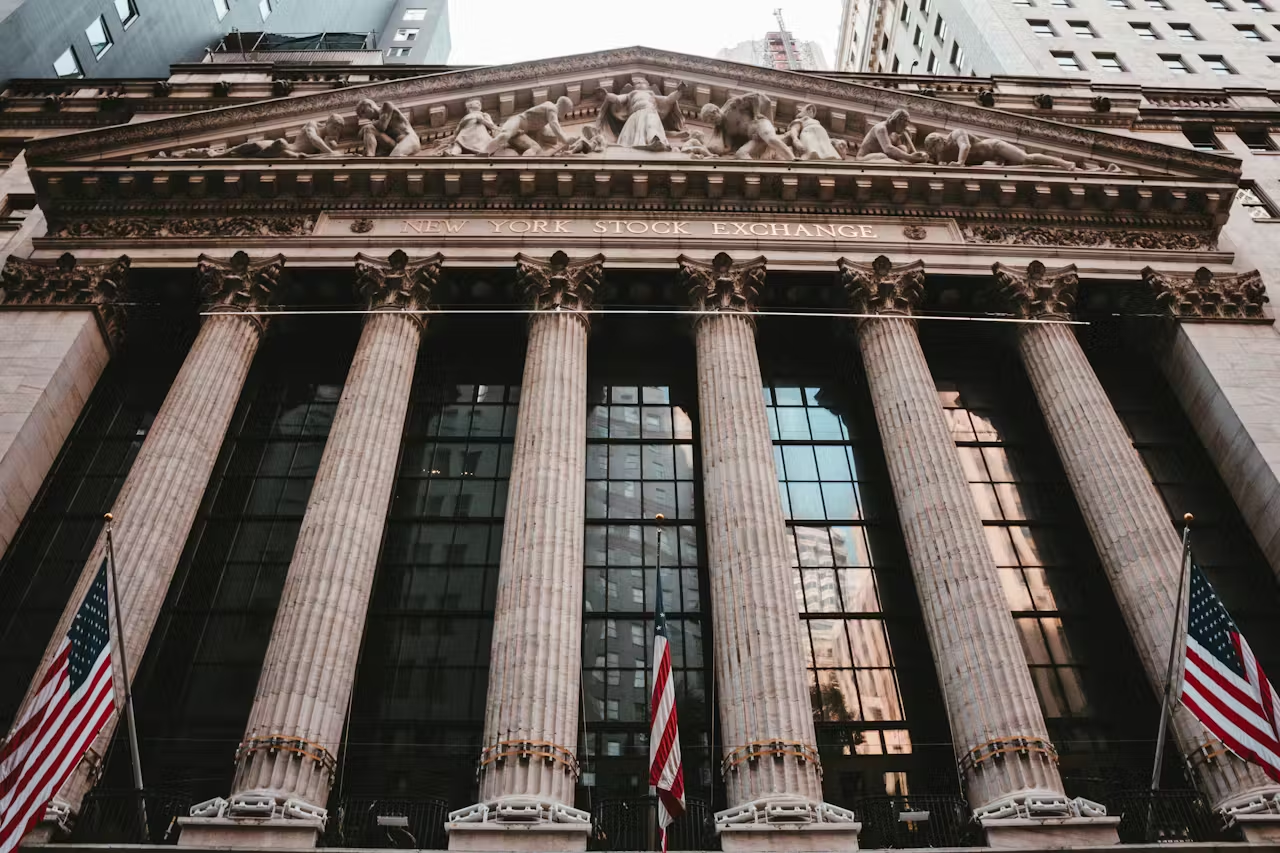
The name Wall Street comes from an actual wall built by Dutch settlers in 1653 to protect New Amsterdam. Today, the New York Stock Exchange building dominates the corner of Wall and Broad Streets with impressive Corinthian columns.
While you can't tour inside, the energy on weekday mornings feels electric. Federal Hall next door is free and marks where Washington was inaugurated in 1789.
Did You Know? The NYSE traces its origins to 1792 when 24 stockbrokers signed the Buttonwood Agreement under a tree on Wall Street.
4. Trinity Church
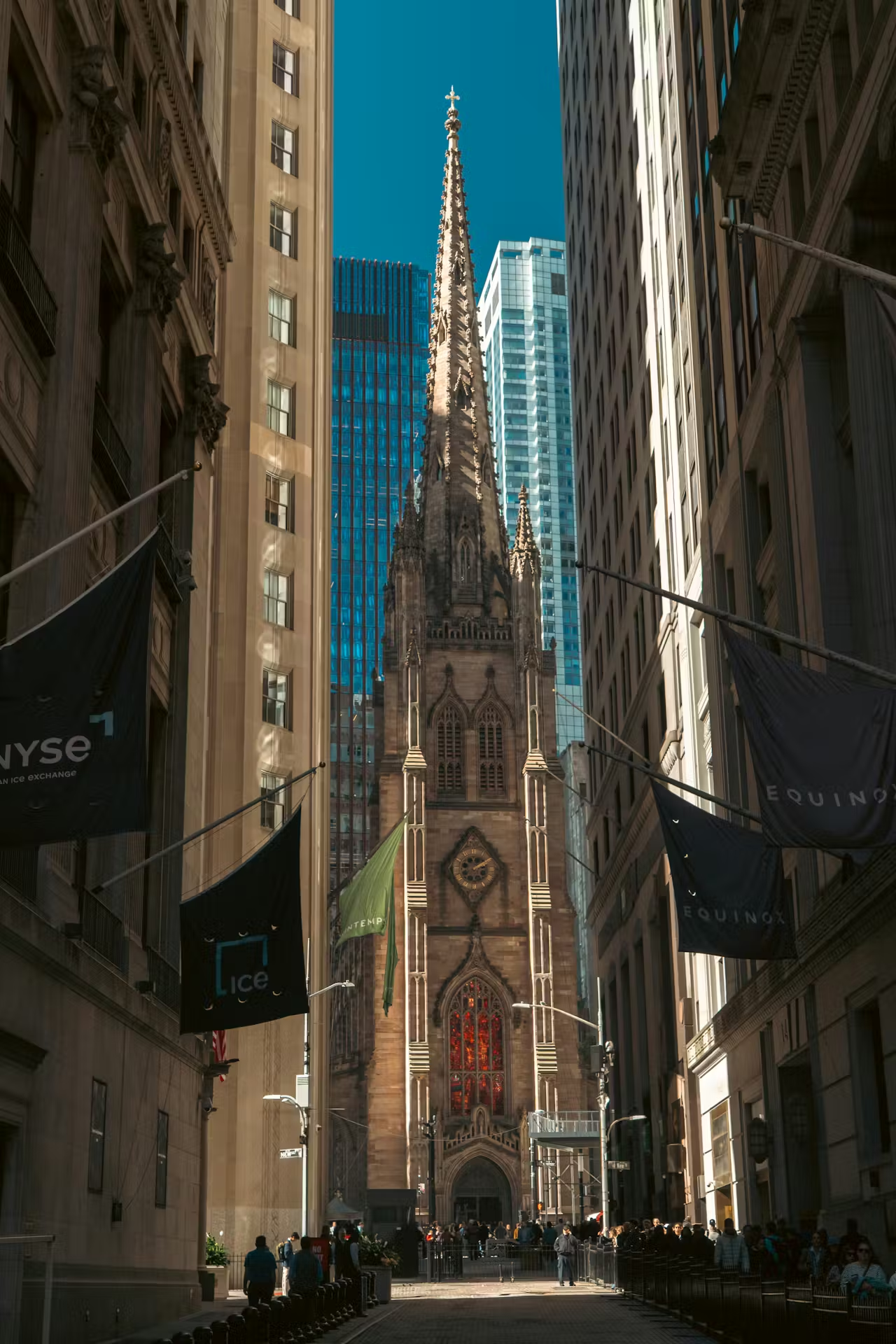
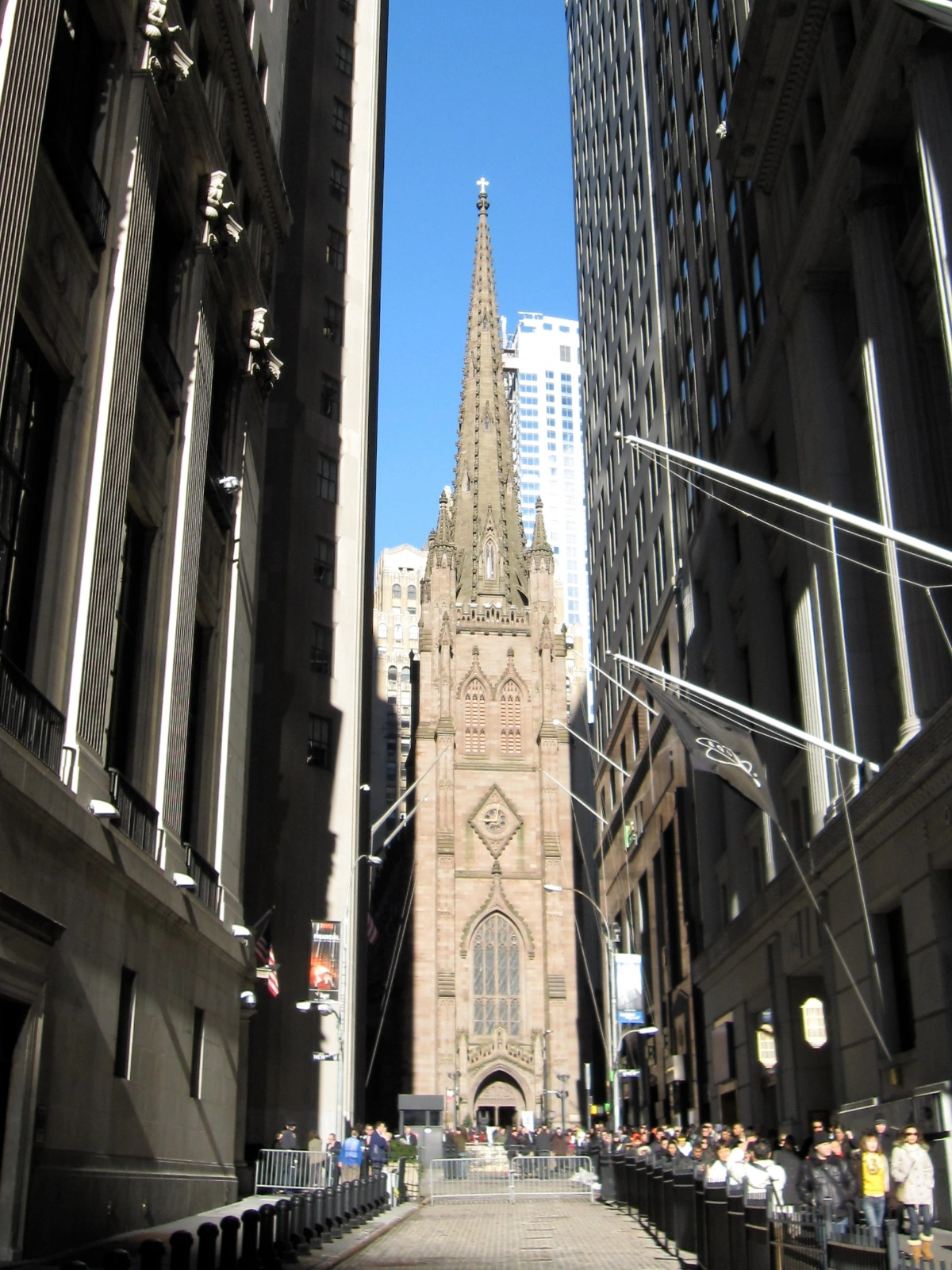
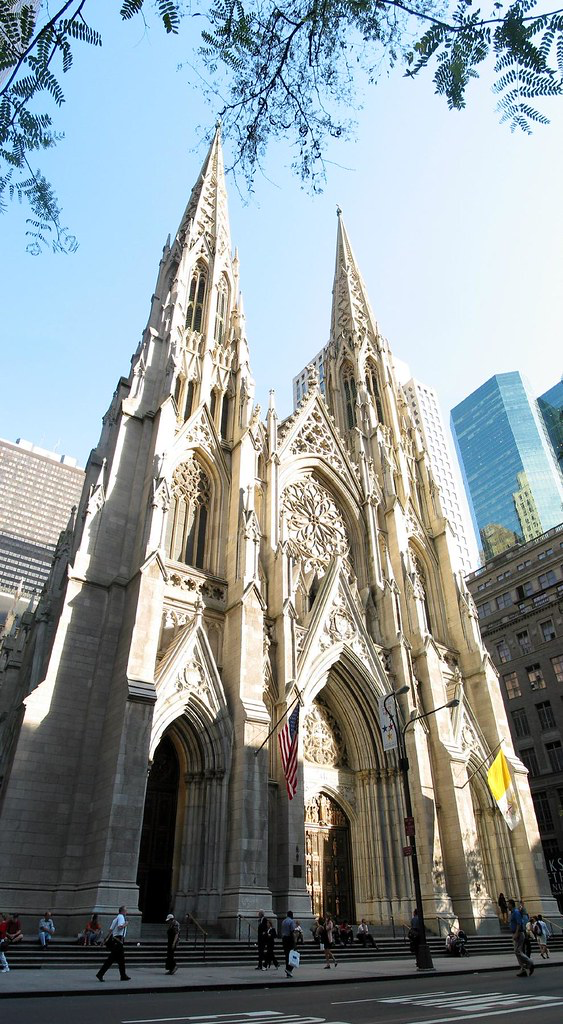
This Gothic Revival Trinity Church at the head of Wall Street has stood since 1846, though the parish dates to 1697. George Washington worshipped here when New York was the nation's capital.
I visited primarily to see Alexander Hamilton's grave in the churchyard, which draws fans of the Broadway musical. Entry to both church and graveyard is free. The interior features stunning stained glass and frequent organ concerts.
If you want help connecting these attractions into the perfect walking route, StoryHunt's Personal Tour Guide creates customized audio walks based on your specific interests.
Did You Know? Visitors and Wall Street traders often leave pennies on Hamilton's grave, believing it brings financial luck.
5. Battery Park and Statue of Liberty Views

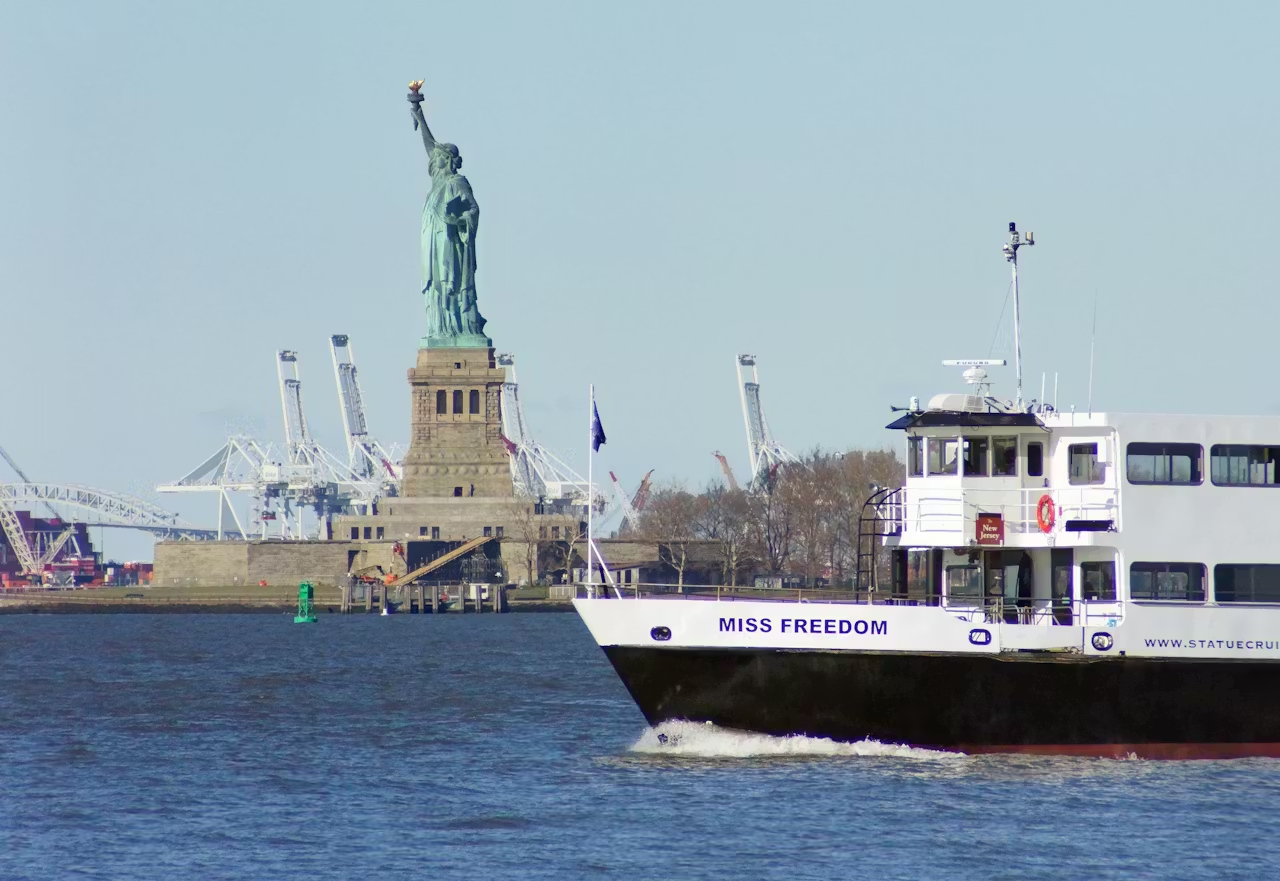
Battery Park sits at Manhattan's southern tip, offering waterfront views and ferry access to Lady Liberty. Even without taking the ferry, you can see the Statue of Liberty from the promenade.
The free Staten Island Ferry departs nearby and passes directly by the statue. I prefer visiting at sunset when the light catches the harbor perfectly. The SeaGlass Carousel provides a whimsical break if you're traveling with kids.
Did You Know? The park gets its name from artillery batteries that once protected Manhattan from British invasion.
6. The Oculus
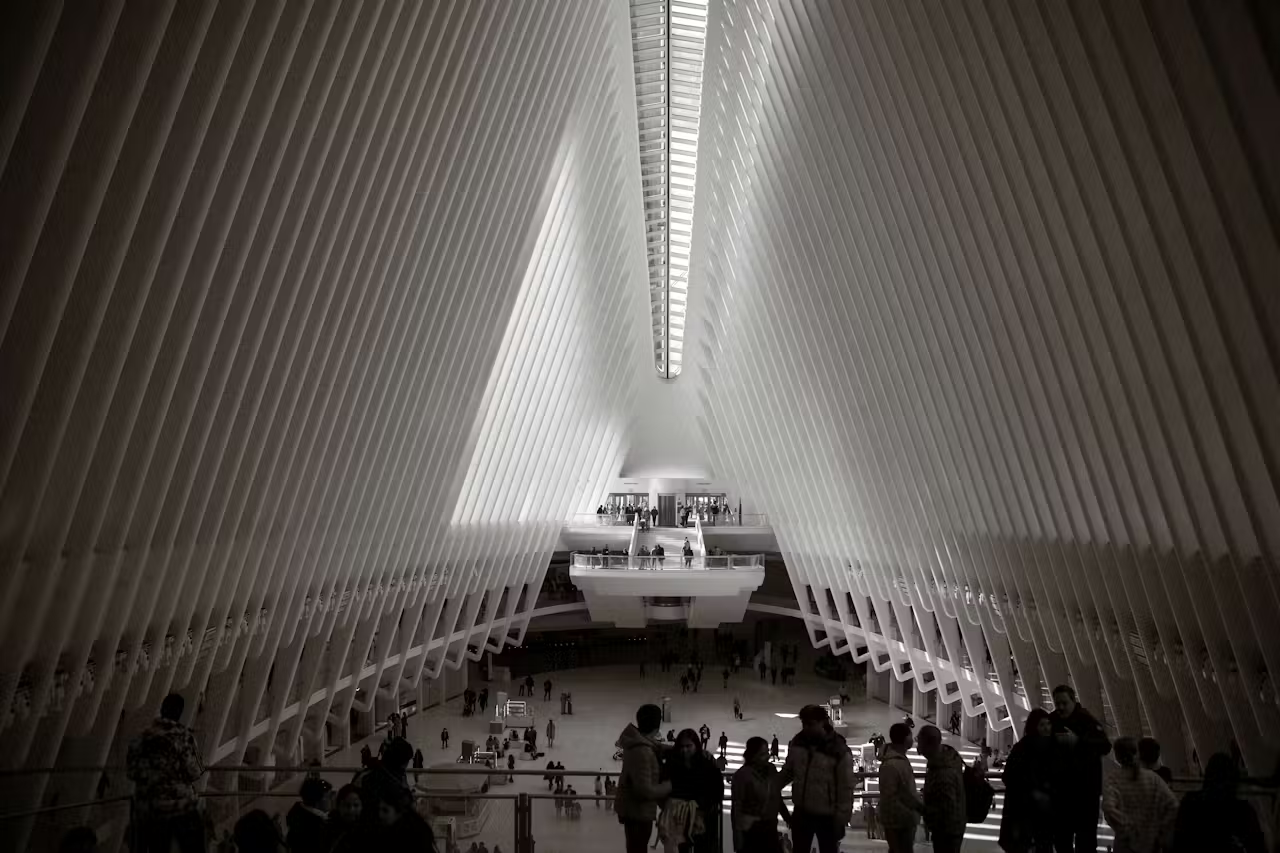
Spanish architect Santiago Calatrava designed this striking transportation hub to resemble a bird in flight. The white steel and glass structure connects subway lines, PATH trains, and the World Trade Center complex.
Even if you're not catching a train, the interior space impresses with its soaring design and natural light. The attached Westfield shopping center offers dining and retail if you need a break.
Did You Know? Every September 11th at 10:28 AM, sunlight floods through the skylight to illuminate the main hall, marking the moment the North Tower fell.
7. Charging Bull and Fearless Girl
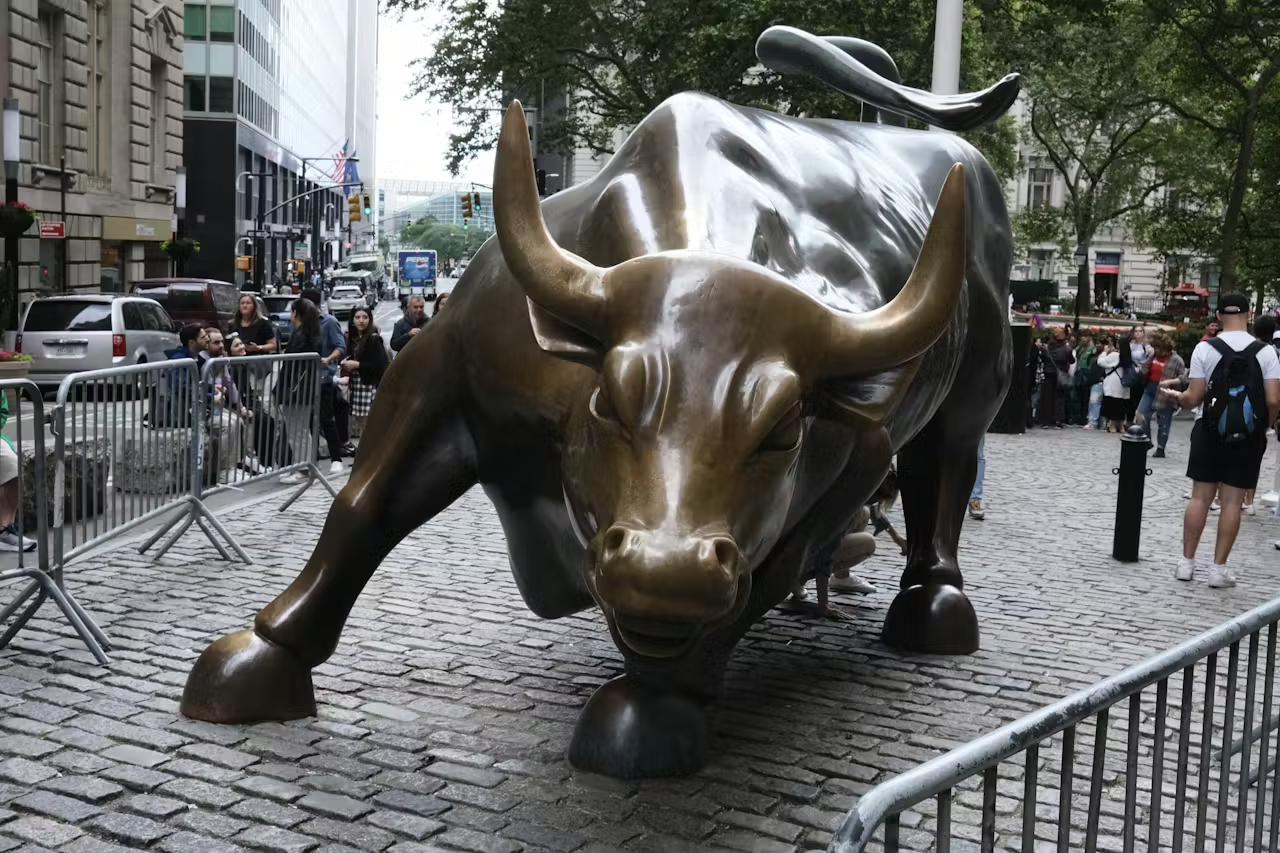
Artist Arturo Di Modica illegally installed this 7,100-pound bronze Charging Bull near Bowling Green in 1989 after the 1987 stock market crash. It became a symbol of financial optimism. The Fearless Girl statue now stands facing the NYSE building.
I visited early morning to avoid crowds, which works well for photos. The bull sits near Bowling Green, Manhattan's oldest park, designated as public space since 1686.
Did You Know? Legend holds that Peter Minuit purchased Manhattan from the Lenape people at Bowling Green for 60 guilders worth of goods.
8. South Street Seaport
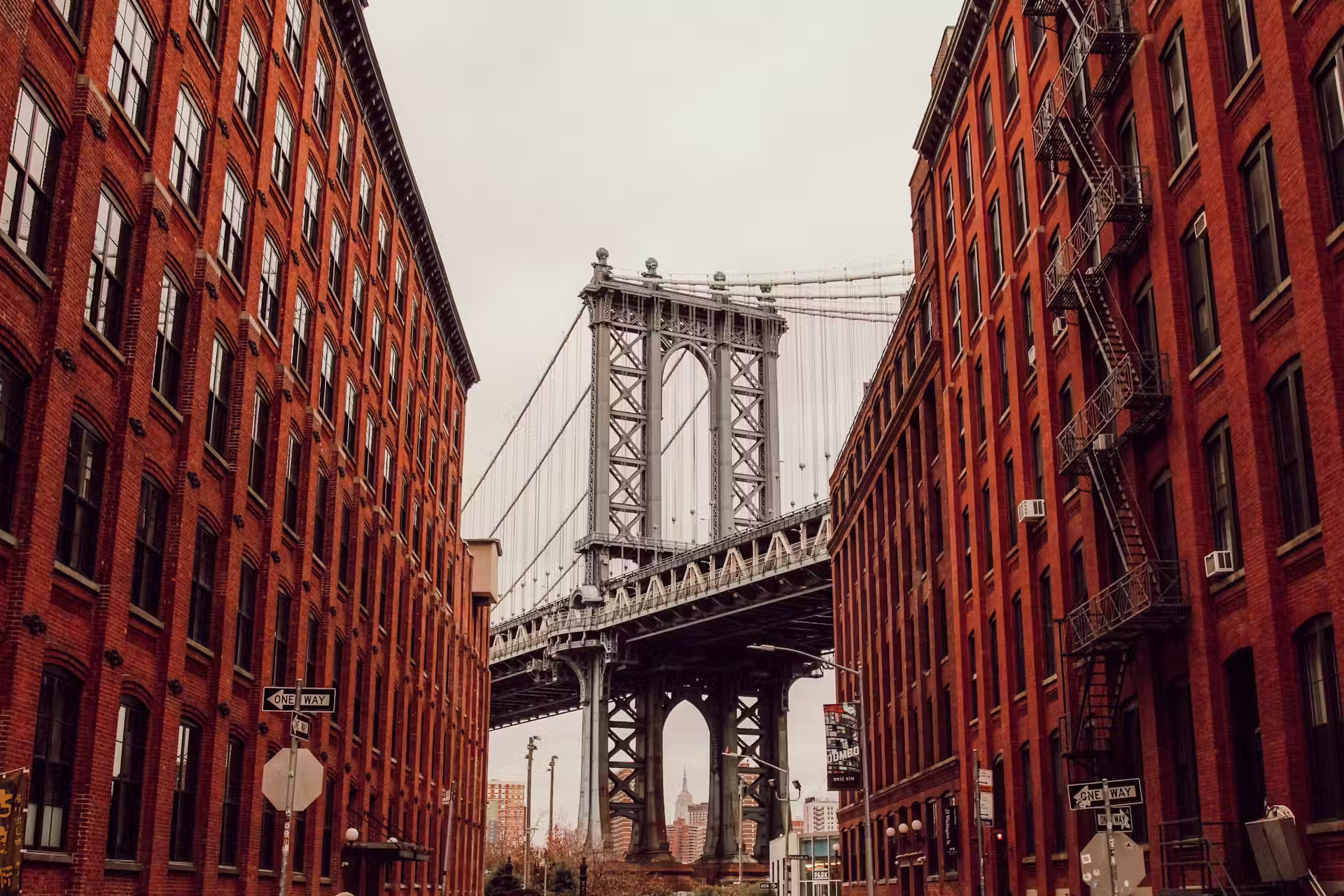
This revitalized waterfront district blends cobblestone streets with modern restaurants and shops. The views of Brooklyn Bridge from Pier 17 are exceptional. I enjoyed walking along the historic ships docked at the Seaport Museum, though the museum itself requires a ticket.
The area feels more relaxed than the Financial District proper, making it a good spot for lunch or evening drinks with skyline views.
Did You Know? South Street Seaport served as Manhattan's primary commercial port from the late 18th century through the Civil War era.
9. Stone Street

Manhattan's first paved street, Stone Street, laid with cobblestones in 1658, now hosts outdoor restaurants and bars with European atmosphere. I recommend visiting for happy hour when the narrow street fills with after-work crowds.
The historic buildings surrounding the street date to the early 1900s, rebuilt after a fire destroyed the original structures. It feels distinctly different from modern Manhattan.
Did You Know? Stone Street was paved to prevent the buildup of mud that plagued Dutch New Amsterdam's dirt roads.
10. Fraunces Tavern
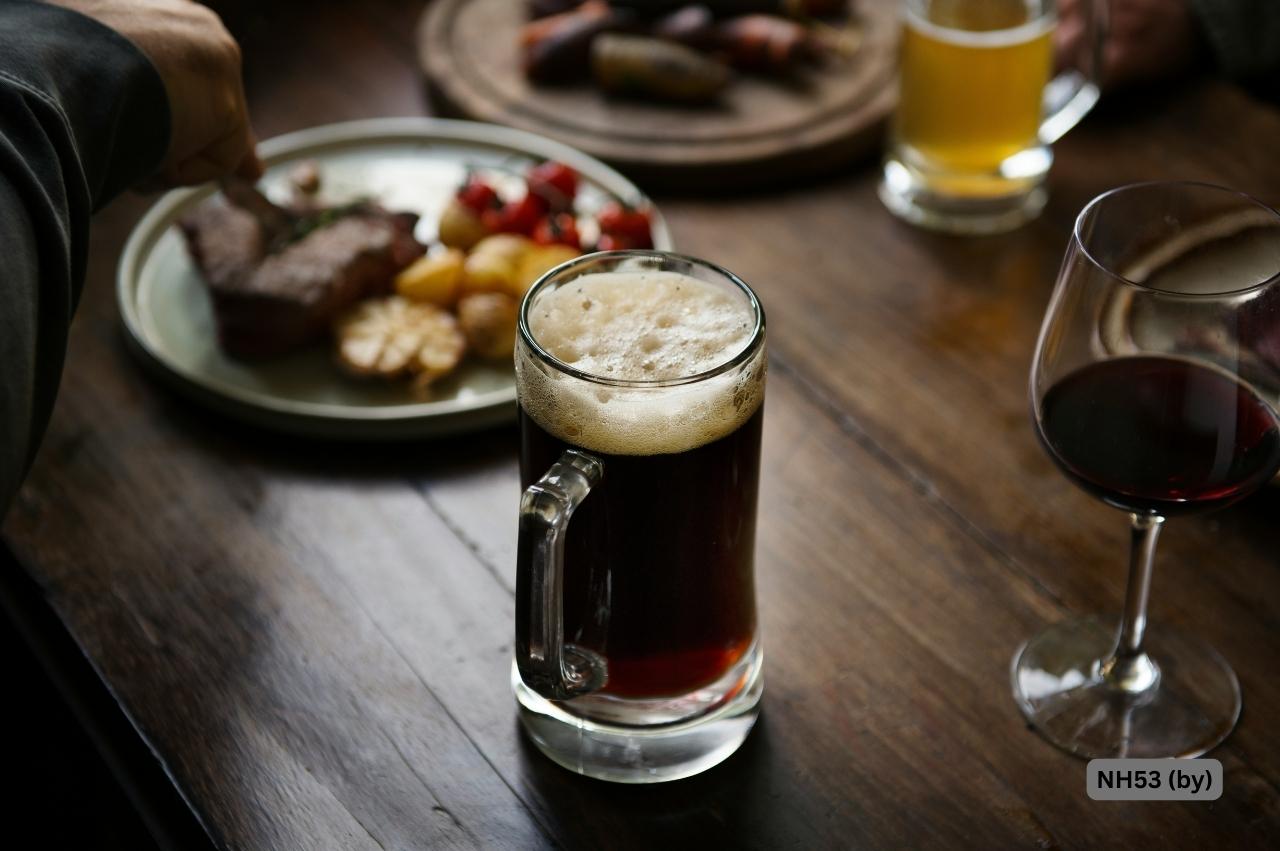
George Washington delivered his farewell address to his Continental Army officers at Fraunces Tavern in 1783. Today it operates as both a restaurant and museum dedicated to Revolutionary War history.
I found the museum compact but worthwhile for history enthusiasts. The building itself dates to 1719, making it one of Manhattan's oldest surviving structures. The restaurant serves solid American fare in a historic setting.
Did You Know? Washington's emotional farewell speech at Fraunces Tavern on December 4, 1783, moved many of his officers to tears.
Explore Lower Manhattan your way
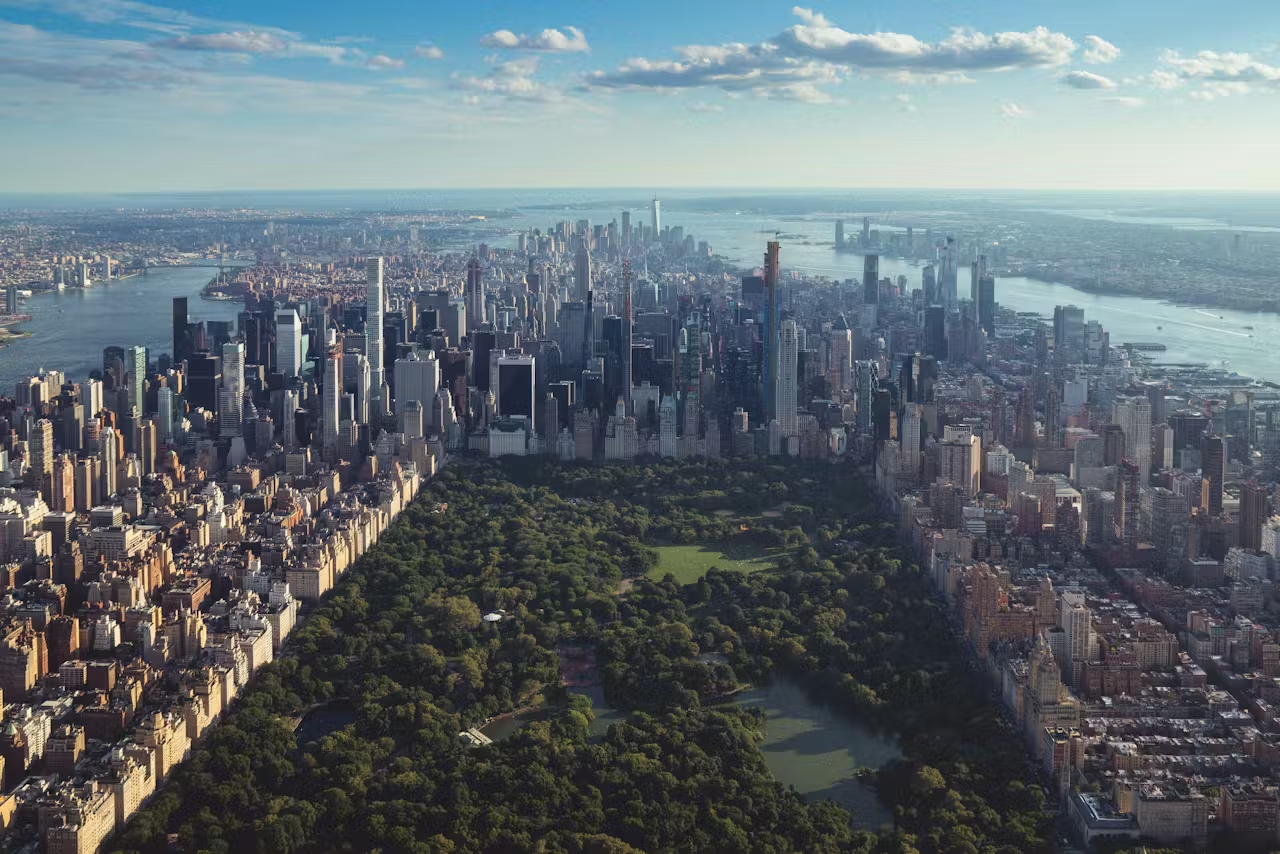
Lower Manhattan rewards visitors willing to look beyond the obvious attractions. The history layered into these streets connects Dutch colonial settlement to Revolutionary War independence to modern financial power. Take time to wander the side streets, sit in Battery Park watching the harbor, and let the stories unfold.
Ready to discover Lower Manhattan at your own pace? StoryHunt's Personal Tour Guide creates customized audio walks tailored to your interests. The interactive map guides you through Wall Street, the 9/11 Memorial, and hidden corners most visitors miss. Build your perfect itinerary and explore like a local.




.jpg)












.jpg)





.jpg)











.jpg)








.avif)


