
.webp)



TLDR: A visit to The Met is an immersive journey through 5,000 years of global art, offering everything from ancient Egyptian temples to iconic American paintings. While its vastness can be overwhelming and admission costs vary, strategic planning for crowds ensure an unforgettable experience for every traveler.
Stepping into The Metropolitan Museum of Art, or "The Met" as it's affectionately known, is like opening a portal to nearly every corner of human history and creativity.
As a recent visitor, I can tell you this isn't just another art gallery; it's a monumental collection that demands your attention, time, and a little bit of planning. You’re about to discover why this New York City icon captures the hearts of millions, how its story began, and crucially, how to make your own visit truly count.
Get ready to explore a world within a building, offering insights that will shape your next travels.
What is the story behind The Met?
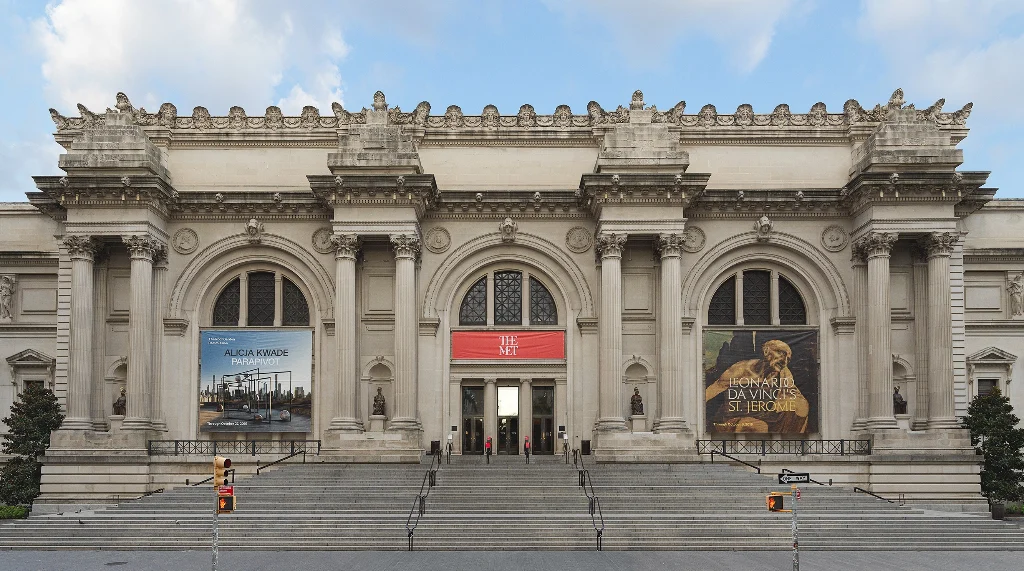
The Met’s journey began far from its grand Fifth Avenue home, sparked by a group of American visionaries in Paris back in 1866. They dreamed of bringing art and education across the ocean to the people of New York. Its very first space in the city was a former dance hall, can you imagine priceless art adorning rooms where waltzes once echoed? One of the earliest treasures, a Roman sarcophagus, arrived in 1870, setting an ambitious tone for the burgeoning collection.
After a brief stop at the Douglas Mansion, The Met found its lasting home in Central Park in 1880. While the imposing Beaux-Arts facade on Fifth Avenue looks complete, its empty niches for over a century tell a tale of grand plans sometimes outstripping funding. If you peer closely in the Robert Lehman Wing, you can even catch a glimpse of the original Gothic-Revival building it now encases.
Beyond the architecture, characters like "William," the ancient Egyptian hippopotamus statuette, became beloved mascots after joining the collection in 1917 – found with broken legs, a ritualistic act to protect the deceased in the afterlife. And of course, there’s the incredible Temple of Dendur, a 2,000-year-old temple gifted to the U.S. and meticulously reassembled inside, saved from the flooding of the Aswan Dam. These are just some of the tales that breathe life into the museum's monumental history, preparing you for the sheer scale of what lies within its walls.
Why is the Met so famous?
The Met draws its fame from its simply unmatched collection, a breathtaking journey through 5,000 years of global art and culture. Imagine wandering through halls that hold over two million objects - it’s like stepping into a curated history book, but with real artifacts. Beyond its legendary European paintings by masters like Van Gogh and Rembrandt, you'll find an entire ancient Egyptian temple, the Temple of Dendur, standing proudly in its own wing.
The museum’s vastness means you can encounter priceless Greek and Roman antiquities, including that very first Roman sarcophagus, or even discover surprising treasures like the world's oldest surviving piano. It’s this incredible breadth and the chance to "travel the world" through art under one magnificent roof on Fifth Avenue that solidifies The Met’s global renown. Such an iconic institution naturally comes with questions about access, leading us to how you can actually experience this grand place.
Is the Met NYC free?

The Met isn't entirely free for everyone, but its admission policy offers different options depending on where you call home. If you're a New York State resident, or a student from New York, New Jersey, or Connecticut, you’re in luck: admission operates on a "pay-what-you-wish" basis. Just make sure to bring a valid ID proving your residency or student status to take advantage of this. This policy, implemented in 2018, shifted from a suggested donation for everyone to a mandatory fee for out-of-state visitors.
For most travelers from outside these areas, there’s a mandatory general admission fee. Currently, an adult ticket typically costs $30, seniors (65 and over) pay $22, and students from outside the eligible tri-state area are charged $17. Your ticket is a fantastic value, covering entry to both The Met Fifth Avenue and The Met Cloisters for three consecutive days.
Children aged 12 and under, though, get free admission no matter where they’re from, making it a great option for families. Plus, caregivers for visitors with disabilities, Met members, and military personnel also enjoy complimentary entry. Knowing these details helps you plan your visit and appreciate the value this world-class institution offers.
What is better: Met or MoMA?
Deciding between The Met and MoMA really boils down to your specific artistic tastes. If your interest lies in an expansive journey through 5,000 years of global art and human history - everything from classical sculptures and ancient Egyptian artifacts to vast collections of European master paintings and intricate arms and armor - then The Met is your essential destination. It's an encyclopedic experience, even housing curious items like the world's oldest surviving piano.
However, if your passion leans exclusively toward modern and contemporary art, specifically from the late 19th century to the present, then MoMA is where you'll want to spend your time. There, you'll encounter truly iconic masterpieces such as Van Gogh's "Starry Night" or Picasso's "Les Demoiselles d'Avignon," alongside groundbreaking works in photography, design, and film.
An interesting tidbit: MoMA was actually founded by three pioneering women, including Abby Aldrich Rockefeller, who championed modern art. Each museum offers a distinctly different, yet equally captivating, artistic adventure.
What is the most famous thing at the Met?

Pinpointing just one "most famous" item at The Met is quite a challenge, given its extraordinary collection spanning millennia of human creativity.
However, two attractions consistently draw gasps and long gazes from visitors. The majestic Temple of Dendur, an entire ancient Egyptian temple, truly stands out. It was gifted to the United States and meticulously reassembled here, complete with a reflecting pool designed to evoke the Nile River. The sheer scale and ancient presence of this exhibit, part of one of the largest Egyptian art collections outside Cairo, is breathtaking.
Another enduring favorite is Emanuel Leutze's monumental painting, "Washington Crossing the Delaware." This massive artwork, depicting a pivotal moment in American history, commands attention with its dramatic lighting and emotional power. Beyond these, you'll find countless other masterpieces, from exquisite European paintings by names like Van Gogh and Rembrandt to the sprawling Arms and Armor collection.
And for a unique fun fact, The Met even houses the world's oldest surviving piano, dating back to 1720. With so much to see, the question then becomes: is it all truly worth your precious travel time?
Is it worth visiting The Met?
Absolutely, The Met is undeniably worth visiting, but it comes with a few important considerations. Its unparalleled collection truly earns its reputation; with 17 curatorial departments spanning 5,000 years of global art, it stands as the largest museum in the Americas. You’ll find the magnificent Temple of Dendur, extensive Egyptian galleries, stunning Arms & Armor displays, and world-class European and American paintings.
However, this immense scale is also its primary challenge. Seeing everything in one visit is impossible, and navigating its vastness can feel overwhelming, even with a map. I found myself wishing for a guide to cut through the options. Crowds, especially on weekends and mid-day, can certainly detract from the experience.
To make the most of your time and perhaps focus on a specific era or theme, consider using an app like StoryHunt to guide your exploration. It can really help cut through the sheer scale of the place. The best times to visit are weekdays, particularly Wednesday or Thursday mornings, or during their extended Friday and Saturday evening hours to avoid the peak rush. Arriving right at opening time is a smart move.
What else can I do in New York?

After immersing yourself in the vast treasures of The Met, Upper East Side still holds a wealth of experiences just waiting for you.
- For more art, consider a stroll up Museum Mile to the Solomon R. Guggenheim Museum, a Frank Lloyd Wright architectural masterpiece housing modern and contemporary art. For a different kind of exploration, the American Museum of Natural History New York is just across Central Park.
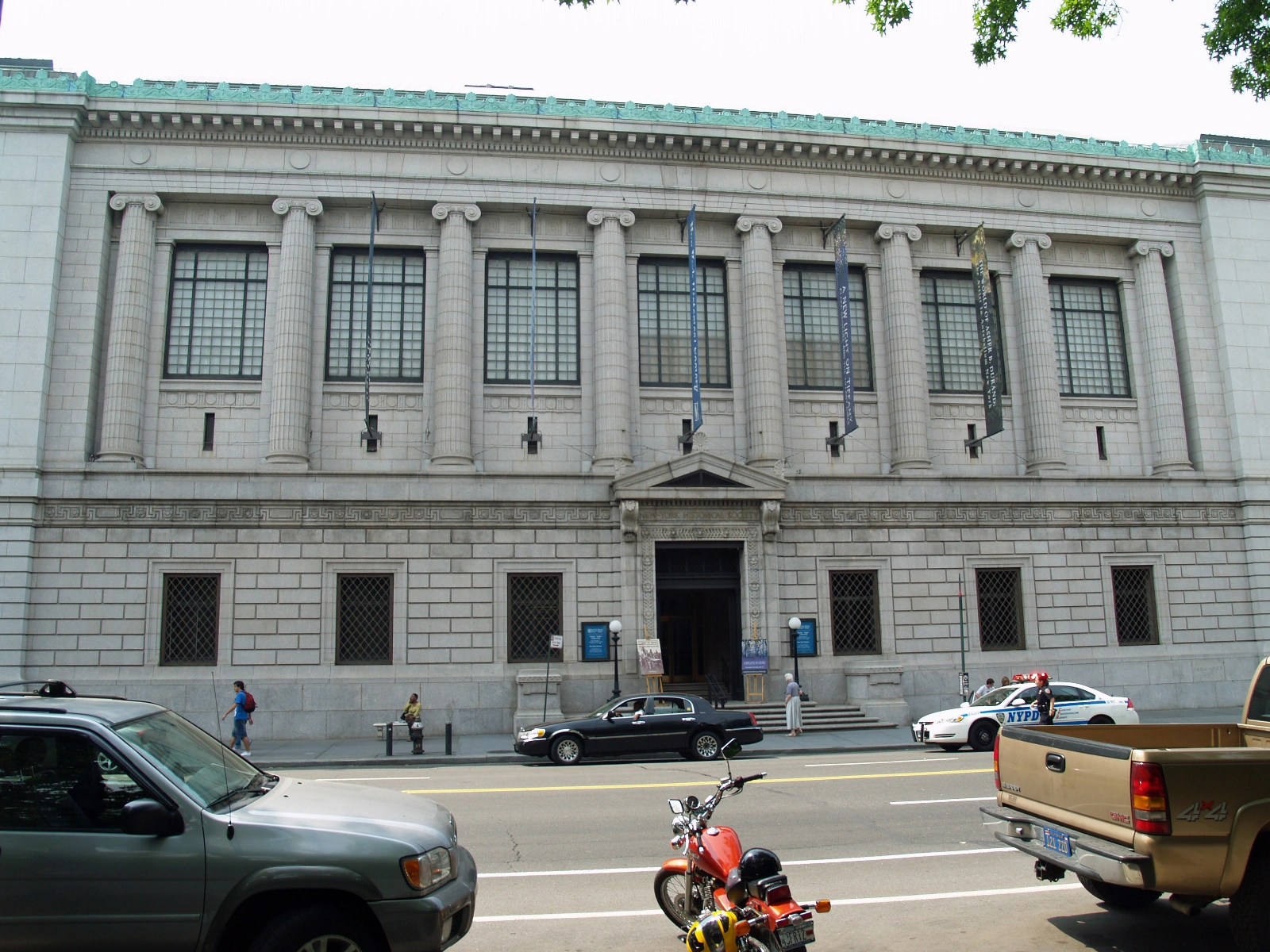
- Or, for a more intimate encounter with Old Master paintings and European decorative arts, The Frick Collection offers a quiet refuge within a historic mansion. You could also explore American history and culture at the NY Historical Society.
- If you need a change of pace and some fresh air, Central Park is directly adjacent to The Met. You can wander tranquil paths, visit the Conservatory Garden, or simply relax by the Jackie Kennedy Onassis Reservoir, finding a refreshing contrast to indoor museum visits.
- Alternatively, for a completely different museum experience, head uptown to The Met Cloisters. This tranquil branch of The Metropolitan Museum of Art is dedicated to medieval European art and architecture, a serene, reassembled monastery overlooking the Hudson River.
- For those with a specific interest in early 20th-century German and Austrian art and design, the Neue Galerie provides a focused perspective in a more intimate setting.
New York truly offers something for every mood and interest, ensuring your visit is packed with diverse discoveries, from iconic landmarks like the Empire State Building to vibrant cultural hubs.










.jpg)









.jpg)


















.jpg)







.jpg)














.avif)


