.webp)

TLDR: SoHo is famous for shopping, but its real charm lies in secret spots like the Earth Room and Housing Works. Visit on weekdays to avoid crowds. Most hidden gems are free or low-cost art installations and historical sites.
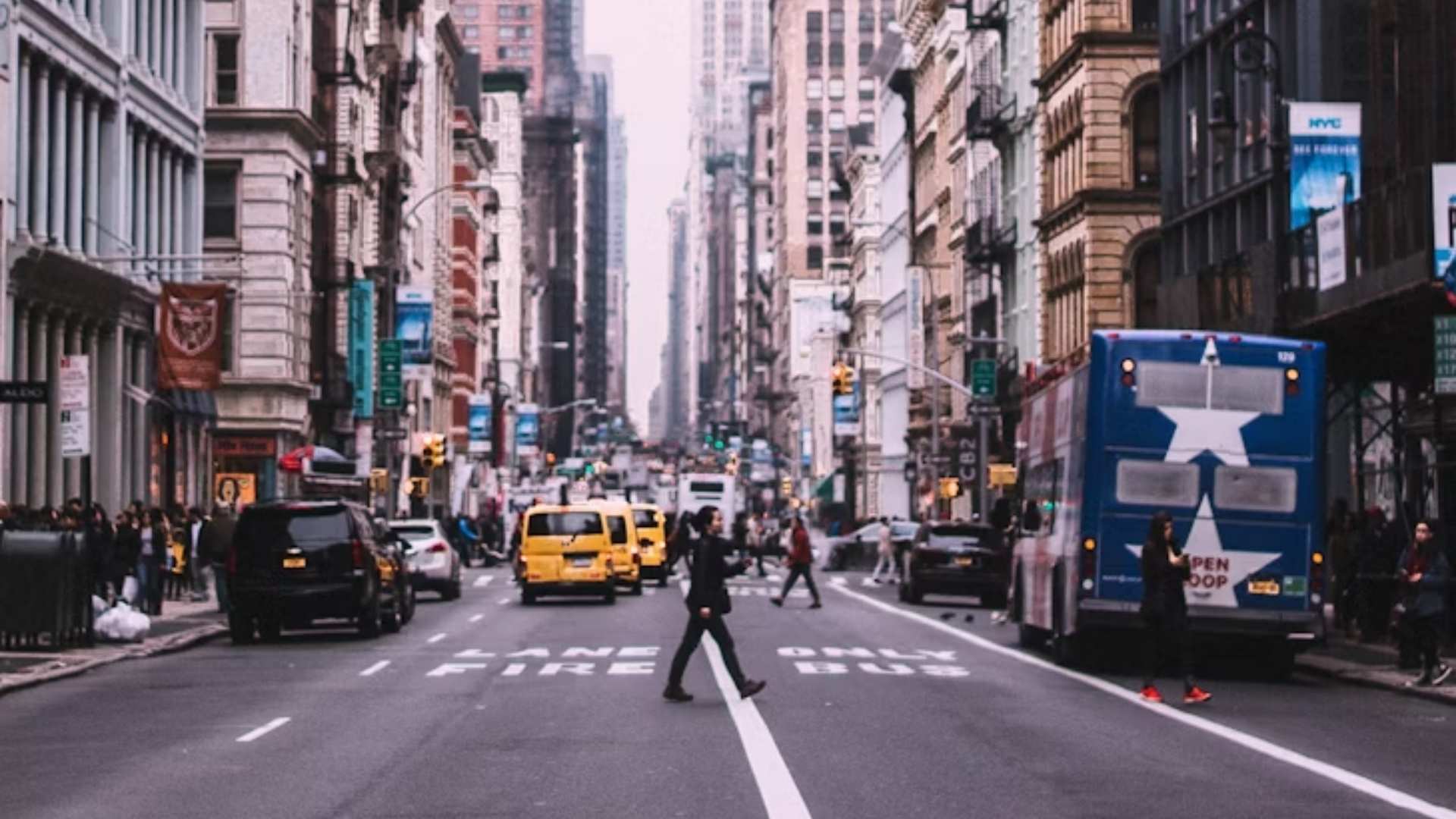
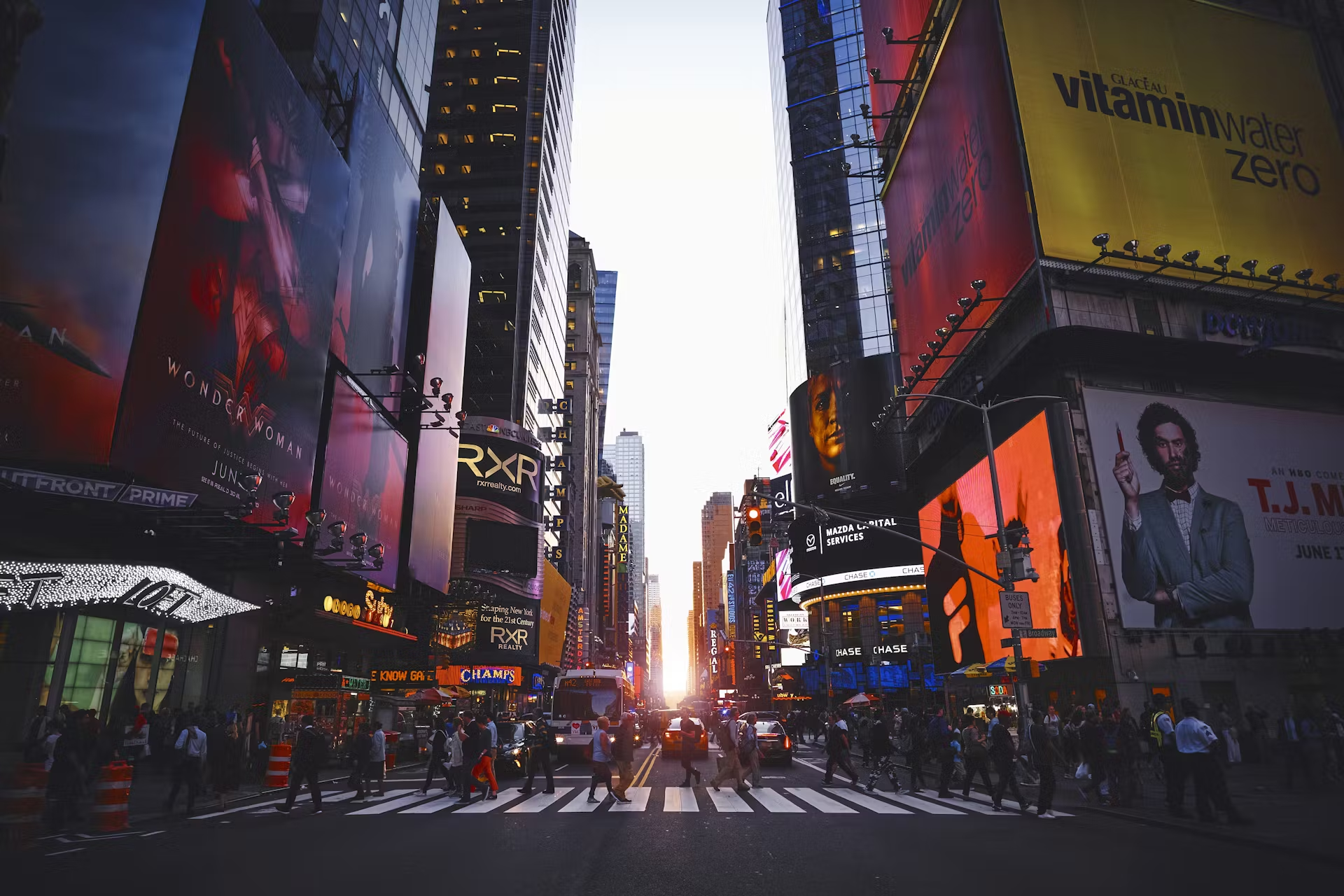
Walking down Broadway on a Saturday afternoon can be overwhelming. The sidewalks are packed with shoppers, and it feels more like an outdoor mall than a historic neighborhood. But after spending plenty of time exploring the side streets, I realized that the real SoHo hides in plain sight. You just have to look up at the architecture or dare to ring a buzzer on an unmarked door.
If you step away from the main drag, you find a neighborhood holding onto its artistic roots. I’ve found quiet lofts filled with dirt, bookstores that feel like old libraries, and history that most tourists walk right past.
Here’s my guide to the parts of SoHo that keep me coming back.
1. The New York Earth Room
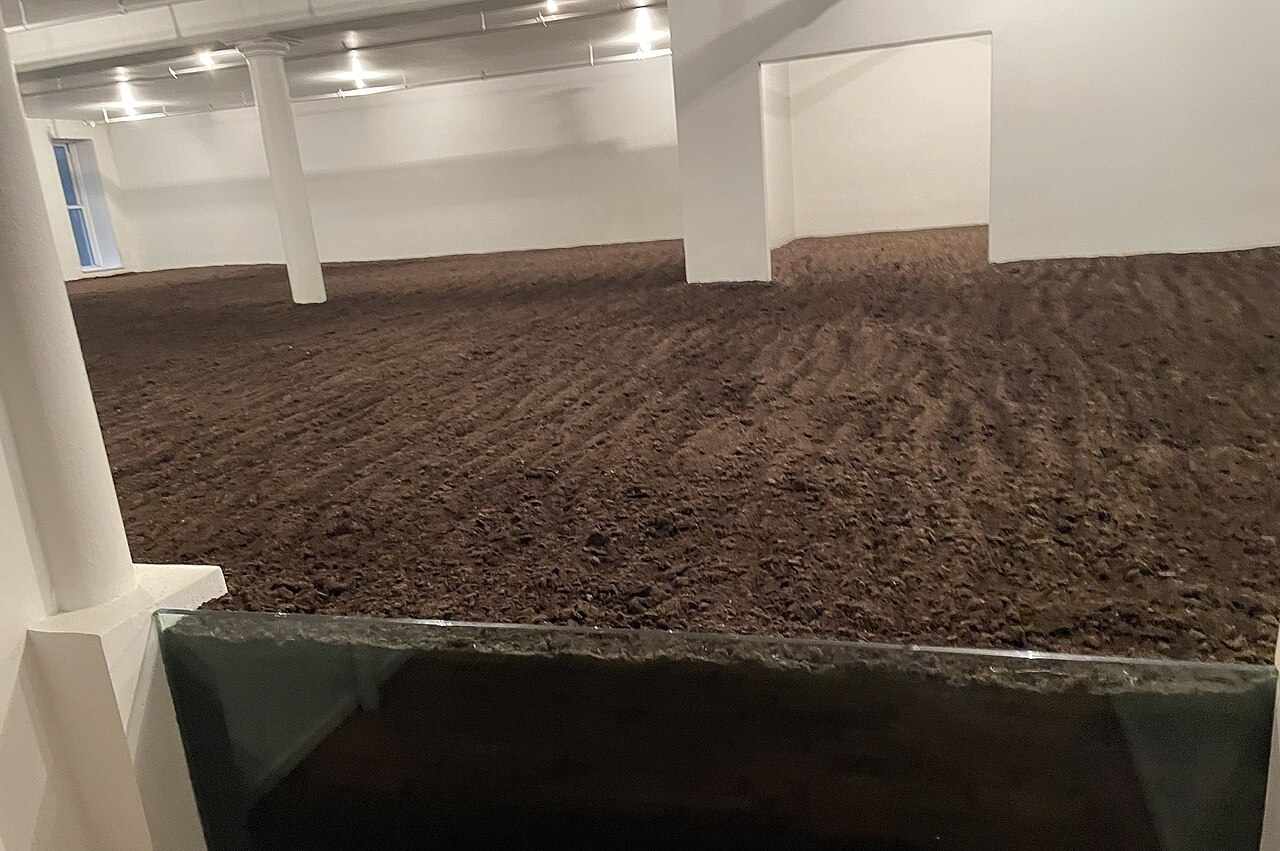
The New York Earth Room is easily one of the strangest and most peaceful places in Manhattan. Located at 141 Wooster Street, you have to buzz a buzzer and walk up two flights of stairs to find it. Inside a pristine white loft, there is 280,000 pounds of soil covering the floor. It has been there since 1977.
In here, the smell of damp earth hits you the moment you walk in. It is silent, humid, and completely unexpected in a concrete jungle. It creates a moment of Zen that feels impossible in New York. Note that it is closed during the summer for "maintenance."
Did You Know? The artist Walter De Maria installed this piece, and the dirt has never been changed, only watered and raked weekly.
2. Housing Works Bookstore
.jpg)
Tucked away on Crosby Street, The Housing Works Bookstore feels like a set from a movie. It has spiral staircases, mahogany balconies, and a warm, inviting smell of old paper and coffee. I often come here when I need a break from the noise of Broadway. It is run almost entirely by volunteers.
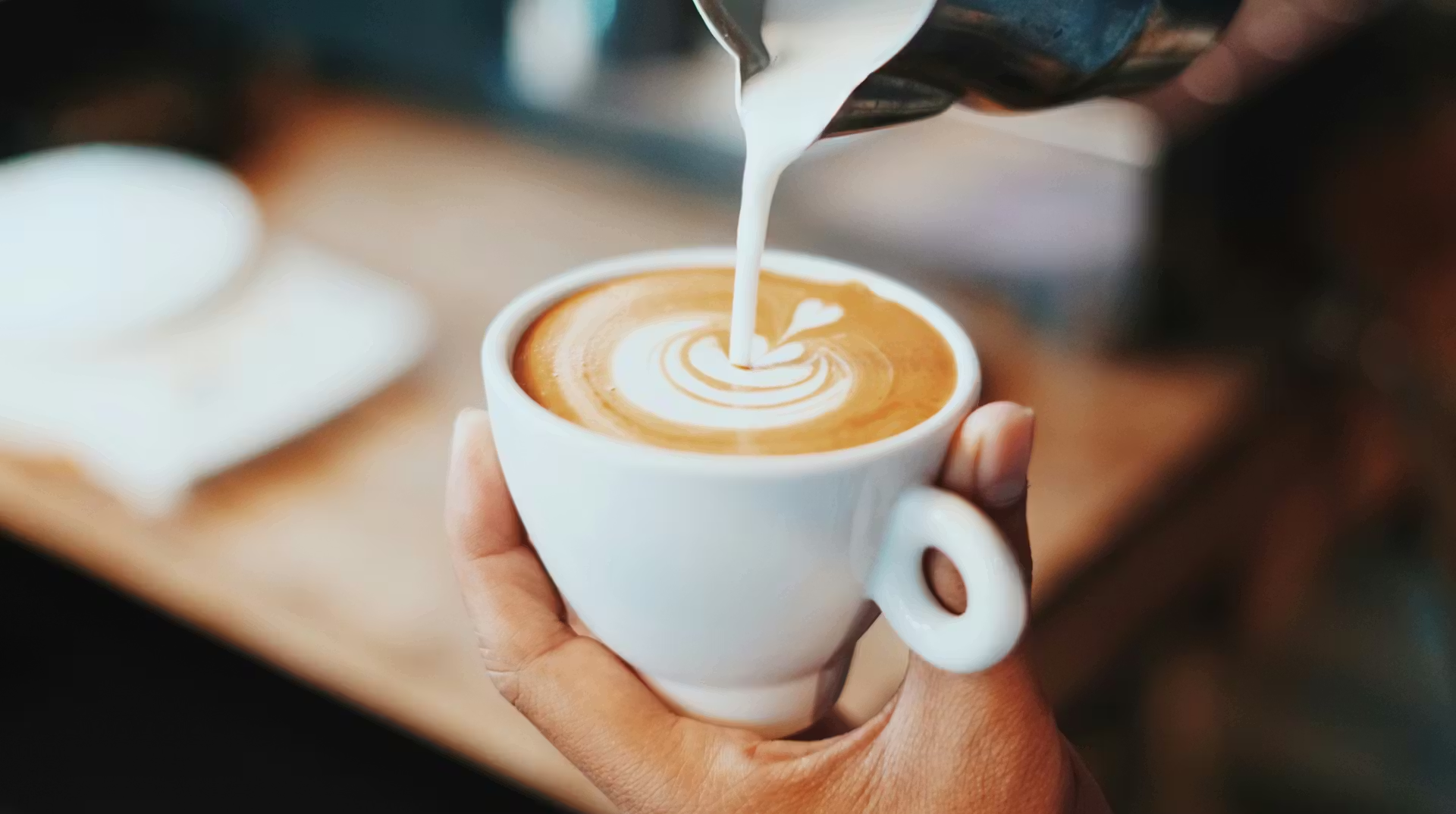
The selection is second-hand, so you never know what you will find, but the curation is excellent. It is also a popular spot for weddings and events, so check their schedule before you go. The café in the back serves a decent coffee, making it a perfect pit stop.
Did You Know? All profits from the bookstore go directly to fighting HIV/AIDS and homelessness in New York City.
3. The Broken Kilometer

If you liked the Earth Room, you should walk over to West Broadway to see its companion piece, The Broken Kilometer - also by Walter De Maria. This ground-floor space holds 500 solid brass rods, all arranged in precise rows. The visual effect is stunning because everything is perfectly level and highly polished.
I find the lighting here particularly interesting; it changes drastically depending on the time of day. Unlike the Earth Room, there is no smell, just a heavy, golden silence. It is rarely crowded, allowing you to stand and stare at the optical illusion for as long as you want without being jostled.
Did You Know? Each brass rod is two meters long, and if you placed them all end-to-end, they would equal exactly one kilometer.
4. The Evolution Store
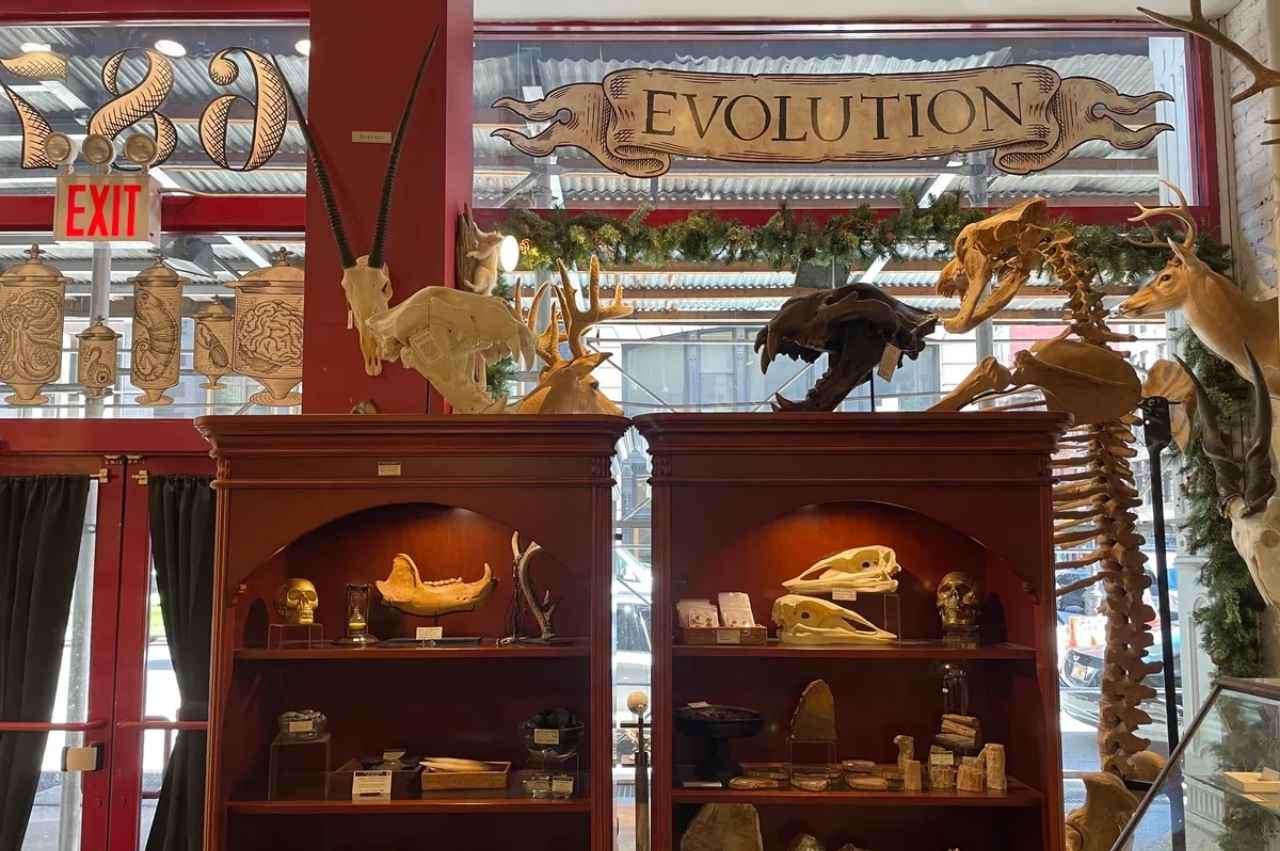
Located on Broadway but often overlooked by shoppers focused on clothing, The Evolution Store is a cabinet of curiosities come to life. It is filled with mounted insects, fossils, skulls, and medical models. It feels like walking into a Victorian naturalist's laboratory.
I recommend heading to the back where they sometimes have taxidermy classes or demonstrations. It is a bit macabre for some, but I find it fascinating. It is a great place to find a unique gift that isn't just an "I Love NY" t-shirt. The staff is incredibly knowledgeable about every specimen on the shelf.
Did You Know? You can legally buy human skulls here, provided they are antique medical specimens.
5. The Haughwout Building
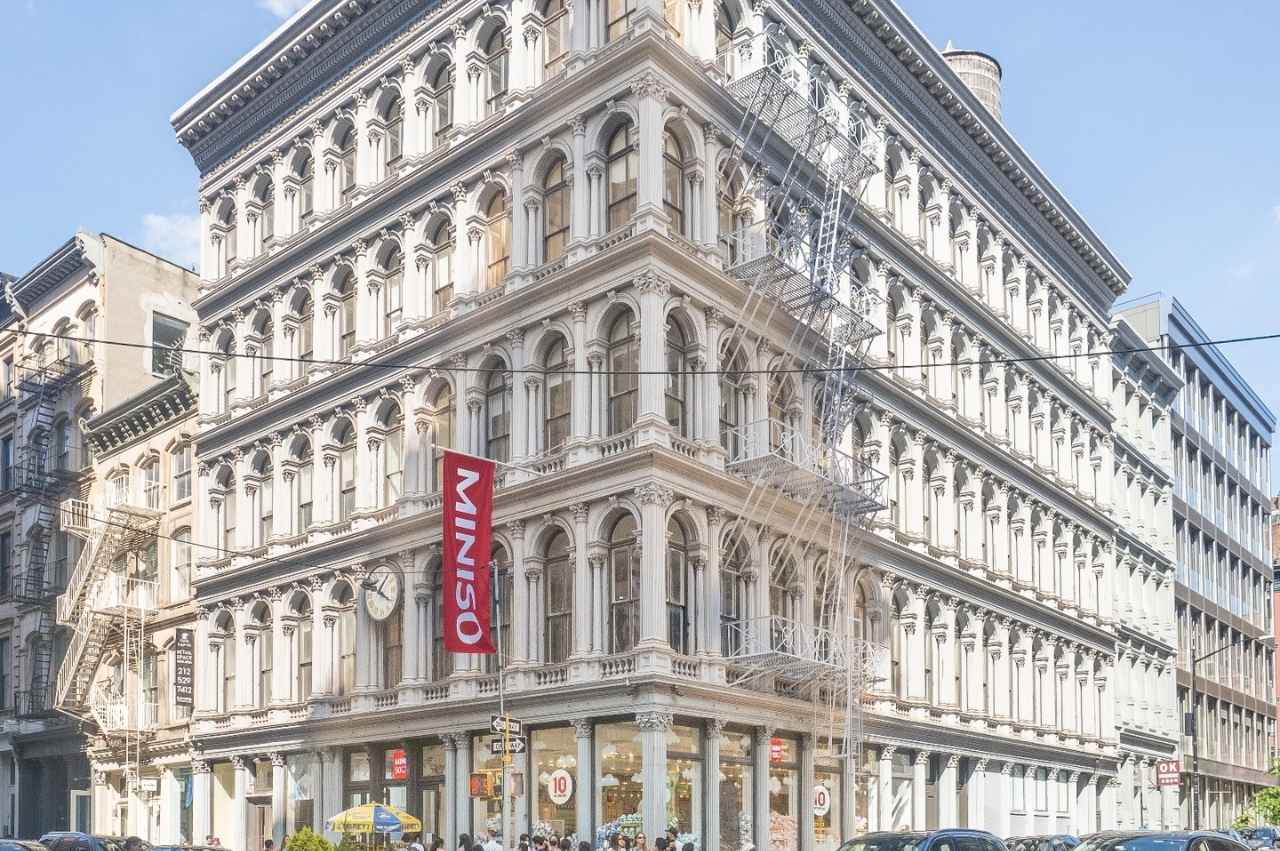
You might walk past 488 Broadway thinking it is just another nice building, but look closely. The Haughwout Building is the crown jewel of the Cast Iron District. Look at the rhythm of the arches - it was inspired by a library in Venice.
It represents the moment SoHo became an architectural wonder. It isn't a museum you can enter (it houses a retail store now), but standing on the corner and admiring the facade is a history lesson in itself. It proves that functionality and beauty can coexist perfectly in industrial design.
Did You Know? This building installed the world's first successful passenger safety elevator by Elisha Otis in 1857.
6. Judd Foundation (101 Spring Street)

The Judd Foundation is the former home and studio of artist Donald Judd. It is one of the few places where you can see a cast-iron building used exactly as the artists intended in the 1970s. You need to book a guided tour well in advance, as they keep groups small to protect the art.
I was struck by how intentional everything is. The furniture, the art, and even the cutlery were placed by Judd and haven't moved. It offers a rare glimpse into the life of the people who made SoHo famous. It feels less like a museum and more like the owner just stepped out for a cigarette.
Did You Know? Judd purchased the entire five-story building in 1968 for just $68,000, a fraction of what a single apartment costs today.
7. Vesuvio Playground

For a glimpse of local life, head to the Vesuvio Playground on Thompson Street. It is not a major attraction, but that is the point. I like grabbing a coffee and sitting on a bench here to watch the neighborhood breathe. You see local families, not just tourists.
It is named after a nearby bakery that was a neighborhood staple for decades. The murals and the vibe feel very "old New York." It is a reminder that people actually live here and raise families amidst the commercial chaos. It’s a quiet, sunny spot to rest your feet.
Did You Know? The playground has a public pool that opens in the summer, which is a surprisingly well-kept secret.
Where are the best photo spots in SoHo?
The best photos aren't on Broadway; they are on the cobblestone side streets like Greene Street or Mercer Street. I suggest going early in the morning, around 8:00 AM, to catch the light hitting the cast-iron facades without delivery trucks blocking the view.
Another great spot is the corner of Prince and Wooster. The fire escapes cast dramatic shadows that look amazing in black and white. Avoid taking photos in the middle of busy crosswalks - locals hate it, and it is dangerous with all the cars.
Is SoHo expensive to visit?

Visiting the neighborhood itself is free, but eating and shopping here can drain your wallet fast. I have noticed that coffee and lunch prices are about 20% higher here than in other parts of Manhattan. However, many of the gems I listed, like the Earth Room and Broken Kilometer, are free.
If you are on a budget, skip the sit-down restaurants. Grab a slice of pizza or wander into Chinatown (just a few blocks south) for a meal that costs half the price. You can enjoy the atmosphere without spending a fortune.
When is the best time to visit SoHo?
Weekdays are superior to weekends. Tuesday or Wednesday mornings are the quietest times. I try to avoid SoHo on Saturday afternoons at all costs because the sidewalks become impassable with tourists.
If you want to visit the art installations or the Judd Foundation, check their hours carefully. Many galleries are closed on Mondays. Late spring and early autumn are visually stunning here, as the weather encourages the fashion crowd to dress up, making the people-watching top-tier.
What else should you see nearby SoHo?
SoHo is centrally located, making it a perfect launching pad for other adventures. New York has hundreds of attractions, but these are the ones that make sense to pair with your visit:
- Little Italy: Just walk east on Broome Street; it is touristy but historic.
- Chinatown: Head south to find bustling markets and excellent dumplings.
- Tribeca: Walk south-west for a quieter, more residential historic district with cobblestones.
Is it worth seeing hidden gems in SoHo?
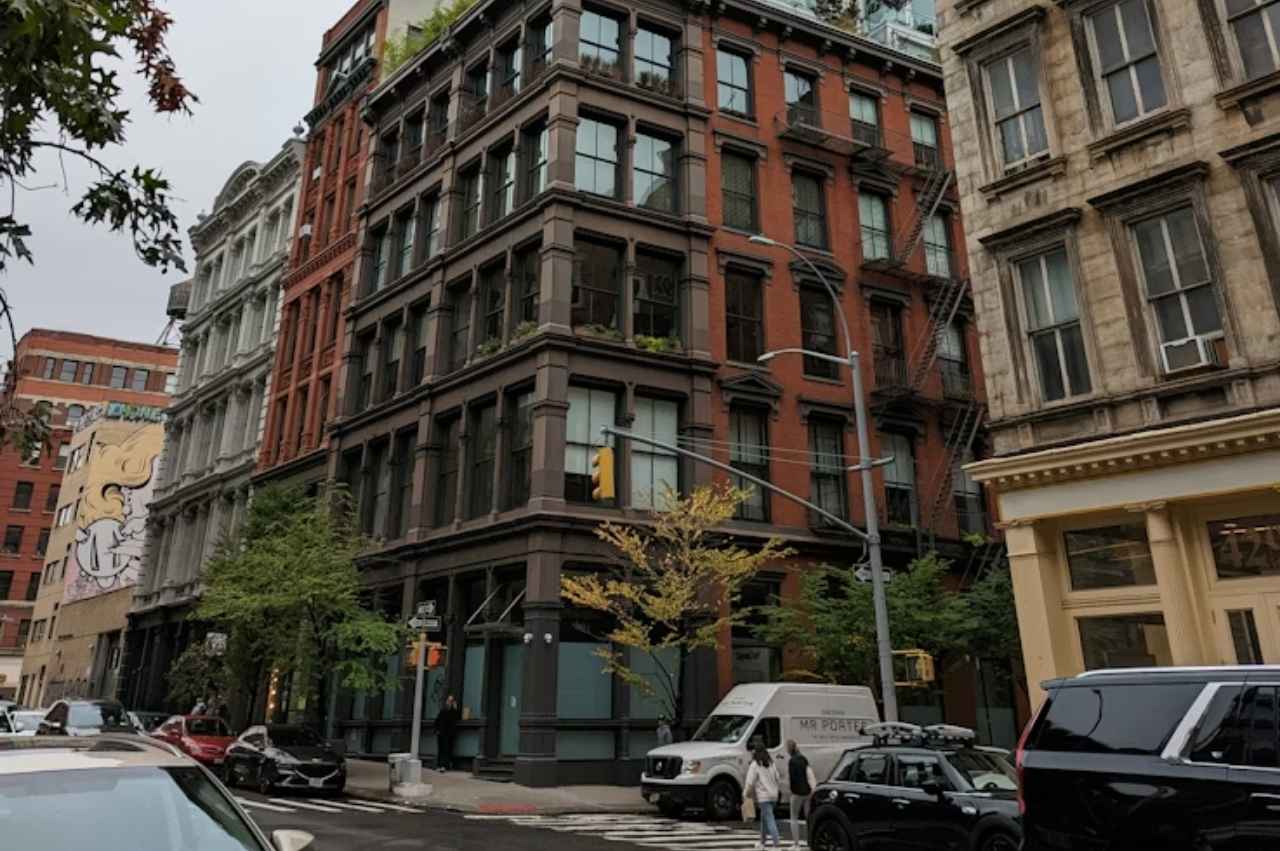
Absolutely. If you only stick to the main shopping streets, you are missing the soul of the neighborhood. The contrast between the chaotic retail stores and the silent, meditative art spaces like the Earth Room is what makes SoHo unique.
It requires a little more effort to find these spots - ringing buzzers, climbing stairs, or booking tours - but the reward is a deeper connection to New York City history. It transforms a shopping trip into a cultural experience.
Unlock the secrets of SoHo
Don't just look at the buildings - hear the stories inside them. With the StoryHunt app you can create a custom audio walk based on your location and interests.
- Create your own audio walk instantly to find hidden art and history.
- Explore with our interactive map to locate the Earth Room and other secret spots.
- Get a personalized experience that turns a simple walk into an adventure.







.jpg)






.jpg)







.jpg)









.jpg)




.avif)


