.webp)


TLDR: Prospect Park in Brooklyn is a meticulously designed urban oasis by Olmsted and Vaux, offering a unique blend of revolutionary history, serene nature, and vibrant community life. It's perfect for those seeking an authentic, less crowded green escape with plenty to explore, from historic sites to diverse recreation.
Kings County, or Brooklyn as most know it, holds a special place in New York City's heart. While Manhattan boasts its iconic green spaces, Brooklyn offers its own magnificent urban haven: Prospect Park.
As a visitor who's wandered through parks across continents, I recently spent time exploring this Brooklyn gem, and I'm eager to share practical insights.
This article will guide you through its rich history, distinct features, and what makes it a compelling visit, whether you're a first-timer or a seasoned New Yorker seeking new perspectives.
What is the story behind Prospect Park?
Visionary civic leader James S.T. Stranahan championed the cause, bringing in the brilliant minds of Frederick Law Olmsted and Calvert Vaux – the same landscape architects who shaped Central Park. Their goal was a "democratic space" for everyone. You can almost picture them meticulously crafting the undulating meadows, the calm lake, and the lush ravine, all designed to offer a peaceful escape from city life. The park officially opened its gates in 1867.
But the land's story stretches back much further. Imagine the sounds of muskets and cannon fire; parts of the park were a critical site during the 1776 Battle of Long Island, a pivotal Revolutionary War engagement. American forces bravely held their ground here, allowing General Washington's army to retreat. It’s remarkable how much of this urban battlefield still looks as it did then.
What is special about Prospect Park?
What makes Prospect Park truly stand out? For starters, it's considered a refined masterpiece by its designers, Olmsted and Vaux. They took lessons learned from Central Park and perfected their craft here.
As you wander its 526 acres, you’ll discover an impressive diversity of landscapes. Imagine spreading a blanket on the vast Long Meadow, feeling the soft grass beneath your hands, or perhaps exploring the Ravine, home to "The Last Forest of Brooklyn," a genuine forest with winding trails and even a hidden waterfall – a truly unexpected find in an urban setting.
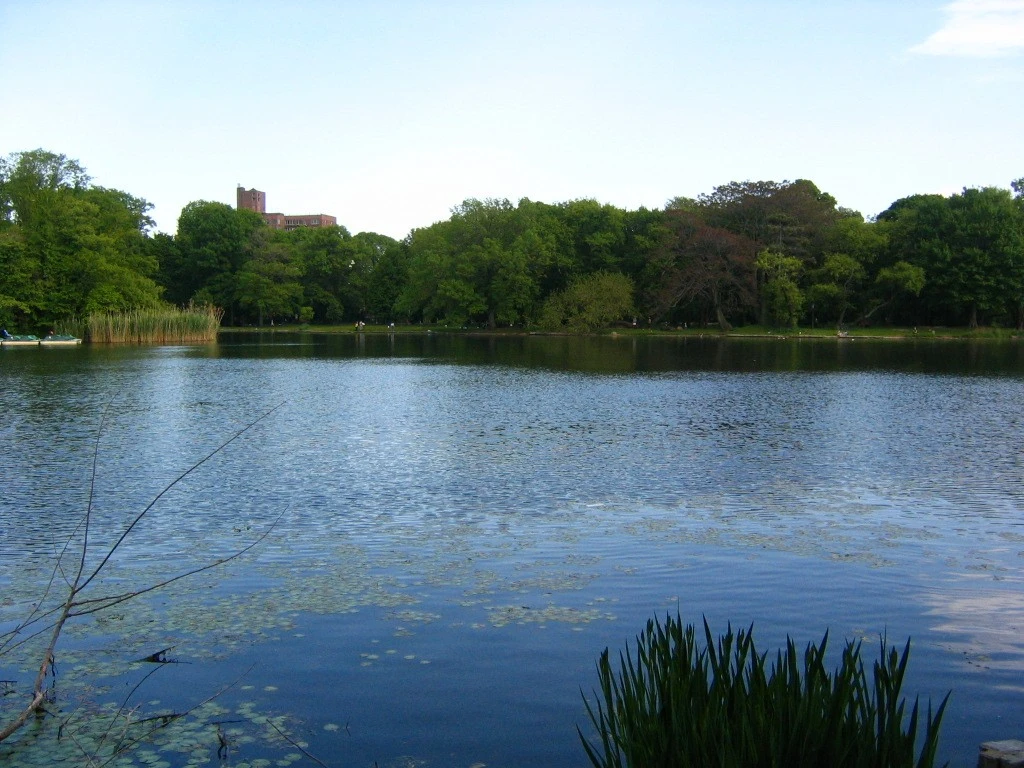
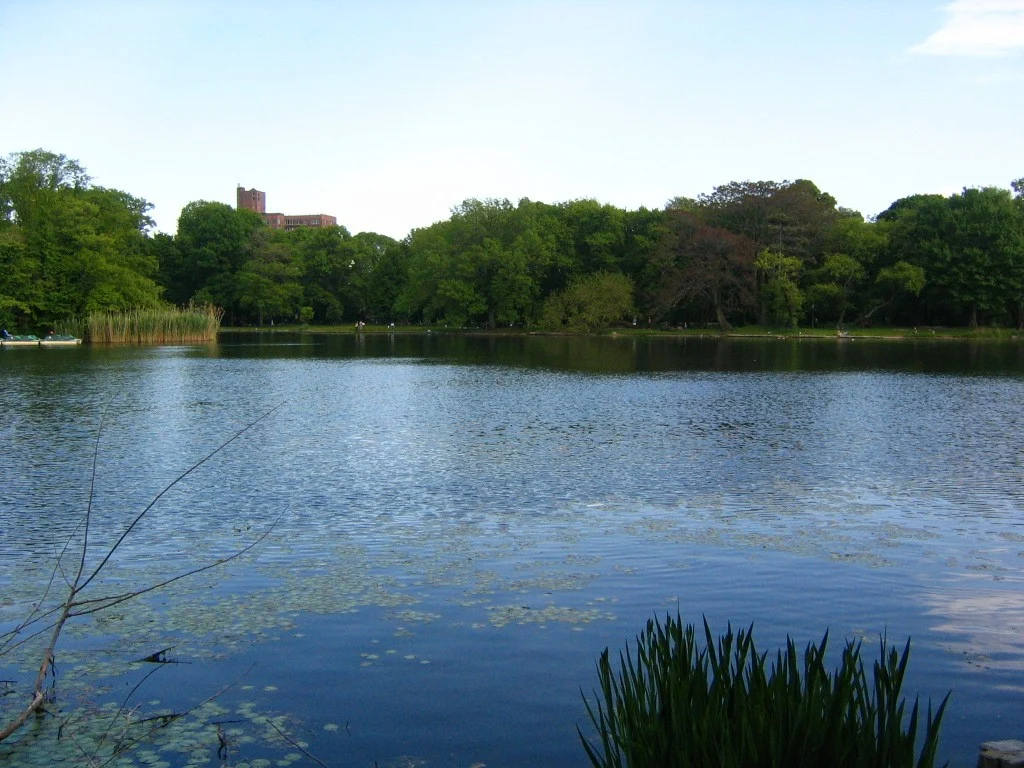
The park also boasts Brooklyn's sole lake, Prospect Park Lake, offering a calm expanse of water. For those seeking activity, the LeFrak Center at Lakeside provides year-round skating and boating. You can also visit a charming zoo or utilize various sports facilities.
Beyond the natural beauty, history pops up everywhere. Look for markers commemorating the Revolutionary War, or visit the historic Quaker Cemetery, one of the park's oldest private properties, still active today. And don't miss the grandeur of Grand Army Plaza, with its impressive Soldiers' and Sailors' Arch, serving as a magnificent gateway to the park.
Is Prospect Park better than central park?
Comparing Prospect Park and Central Park often sparks debate, but it truly boils down to what kind of experience you're seeking. Both were designed by the same visionary duo, Olmsted and Vaux, with some critics suggesting Prospect Park represents their more perfected vision. So, which one aligns better with your travel style?
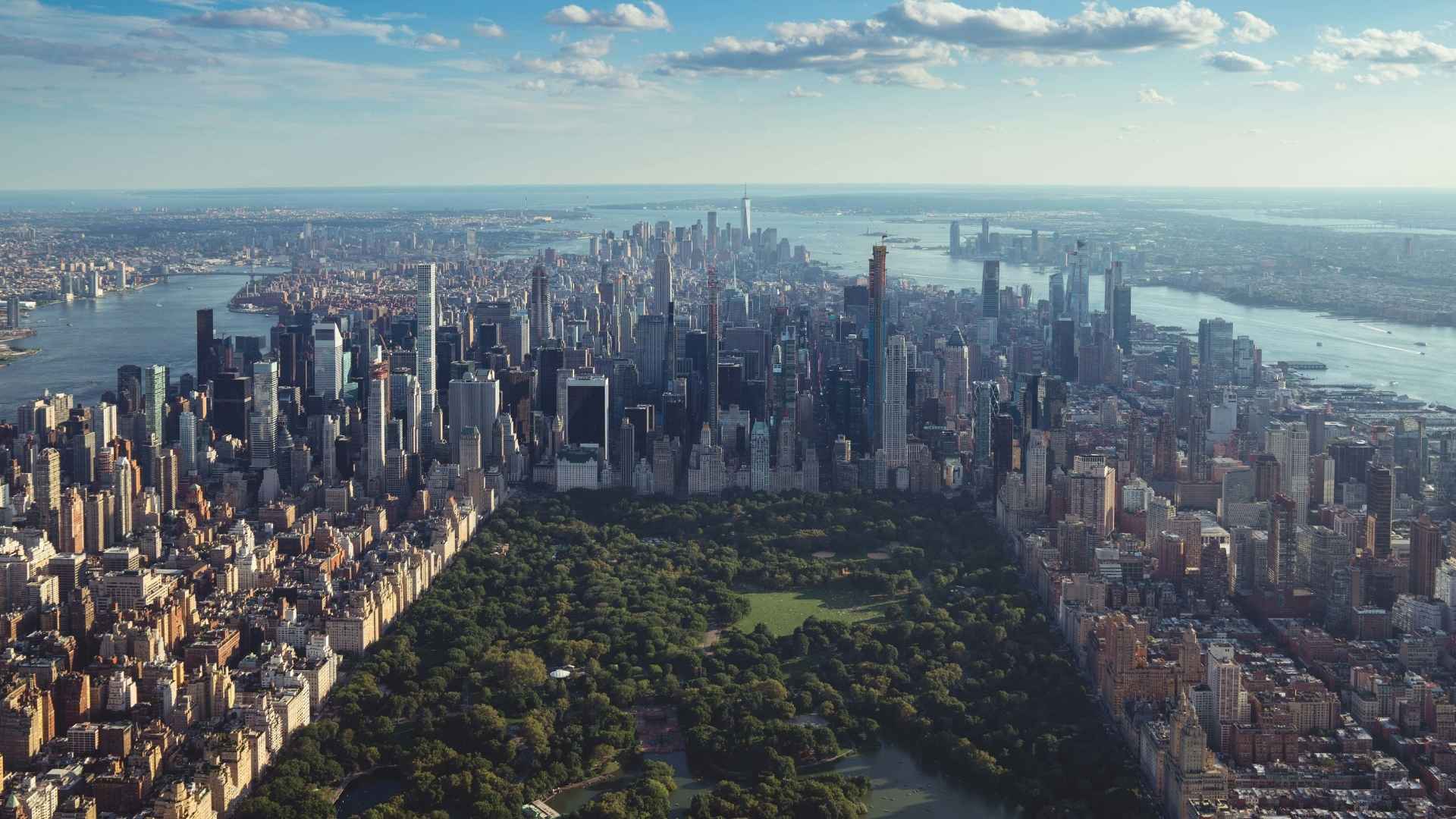
Prospect Park, nestled in Brooklyn, offers a distinctly more tranquil, local vibe. It sees around 10 million visitors annually, a stark contrast to Central Park’s 42 million. This means you often find more space to breathe, to simply sit and observe.
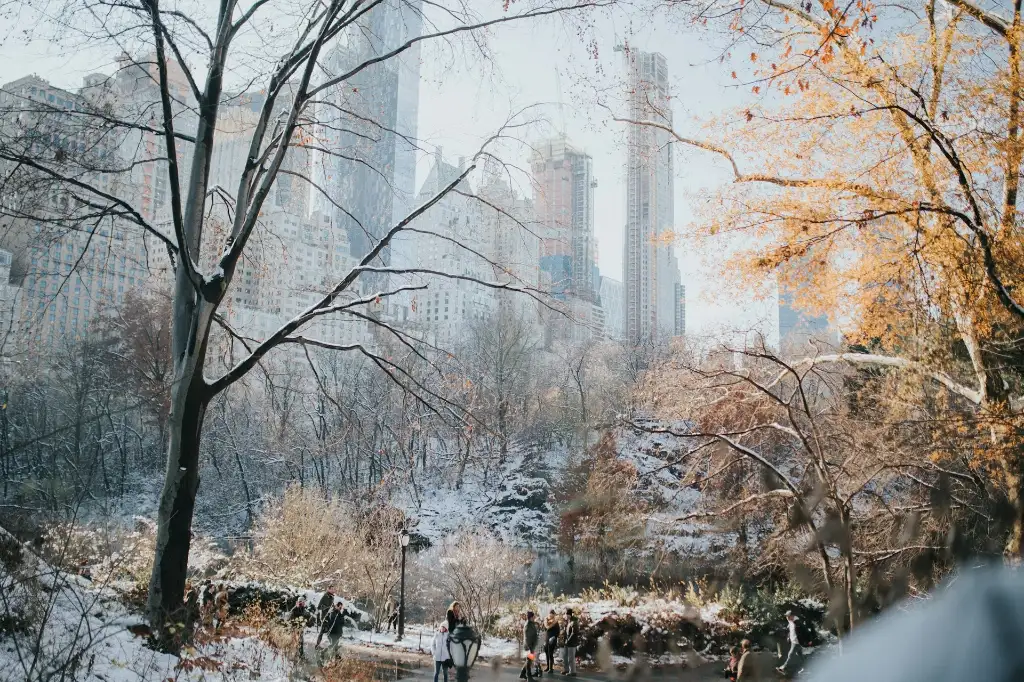
Central Park, in Manhattan, is undeniably an icon. It's larger, at 843 acres, and frequently appears in countless films and postcards. Its famous landmarks like Bethesda Terrace and Strawberry Fields are instantly recognizable. Interestingly, Central Park is almost entirely man-made, requiring an immense amount of effort, including more gunpowder for its creation than used in the Battle of Gettysburg.
What neighborhoods are near Prospect Park?
To the northwest, you'll find Park Slope, famous for its elegant brownstones, leafy streets, and lively atmosphere. It’s a haven for independent shops and diverse restaurants along 5th and 7th Avenues. You might even spot a celebrity or two, as it’s attracted names like Maggie Gyllenhaal to its historic homes.
Adjacent to the southwest is Windsor Terrace, a more intimate, residential enclave known for its strong community feel and convenient access to the F and G subway lines. A delightful spot here is Bartel-Pritchard Square, which serves as a park entrance, a bustling traffic circle, and home to a popular Sunday farmers market.
Head south of the park, and you'll discover Prospect Park South, a neighborhood truly distinguished by its stunning early 20th-century Victorian mansions. These grand homes line wide, peaceful streets, offering a unique suburban atmosphere right within the city.
Finally, rounding out the northern edge is Prospect Heights, a dynamic area that also offers quick access to Manhattan. It shares cultural institutions like the Brooklyn Museum and Brooklyn Botanic Garden with Park Slope, and food lovers will appreciate the Grand Army Plaza Farmer's Market on Saturdays.
Is it worth visiting Prospect Park?
Absolutely, Prospect Park is worth visiting, though its appeal genuinely depends on what you're looking for in an urban escape. Highlights like the expansive Long Meadow, the serene Prospect Park Lake with opportunities for paddle boating, and the iconic Boathouse are truly picturesque.
The Ravine, with Brooklyn’s only forest, offers a unique natural retreat, and the Grand Army Plaza entrance with its towering Soldiers' and Sailors' Arch is undeniably impressive. It’s a fantastic spot for spreading a picnic blanket, going for a jog, or simply unwinding amidst the calming greenery. You can hear the sounds of birds and the rustle of leaves, a peaceful contrast to the city's hum.
However, it’s fair to say that some visitors might find it less "iconic" than Central Park, perhaps expecting more grand, built attractions. During peak times, especially on sunny weekends, certain areas can become quite crowded, which might diminish that sense of tranquility you’re seeking. Also, winter can make some of its natural beauty less vibrant, though ice skating is a winter draw.
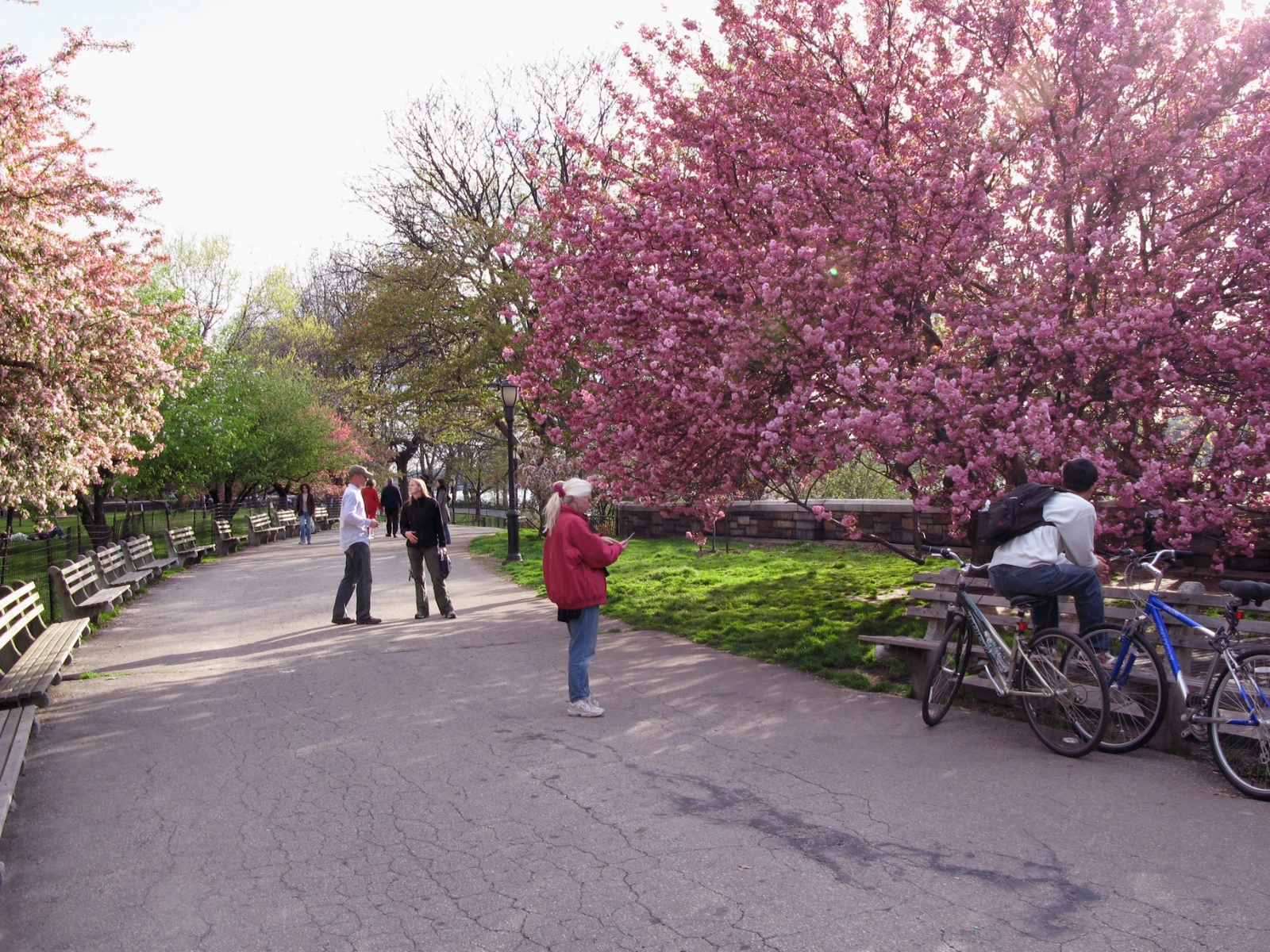
I highly recommend visiting during spring, summer, or fall to fully appreciate its lush greenery and outdoor activities. Spring brings a burst of cherry blossoms, while autumn offers a breathtaking display of colorful foliage. Families, dog owners, and anyone seeking a more relaxed, community-oriented park experience will likely adore it.
Ultimately, if you're in Brooklyn and appreciate beautiful green spaces, it's a strong contender for your itinerary. To easily prioritize what to see, both in the park and beyond, travelers can use StoryHunt to guide their exploration.
What else can I do in Kings County?
Kings County, or Brooklyn, truly offers a treasure trove of attractions beyond the bounds of Prospect Park. If you've enjoyed your time in the park, there's much more to explore that complements it perfectly. For an extended natural escape, you must visit the Brooklyn Botanic Garden, located right next to Prospect Park. You can literally walk from one to the other. It features diverse plant collections and a particularly tranquil Japanese Hill-and-Pond Garden, a serene space where you can smell delicate floral scents and hear the gentle ripple of water.
Adjacent to both, you'll find the impressiveBrooklyn Museum, a prominent cultural institution known for its extensive art collections that span centuries and continents. For a truly unique experience, consider exploring Green-Wood Cemetery. This National Historic Landmark offers stunning landscapes, intricate historic architecture, and even panoramic views of the Manhattan skyline – it’s a beautifully serene hidden gem.
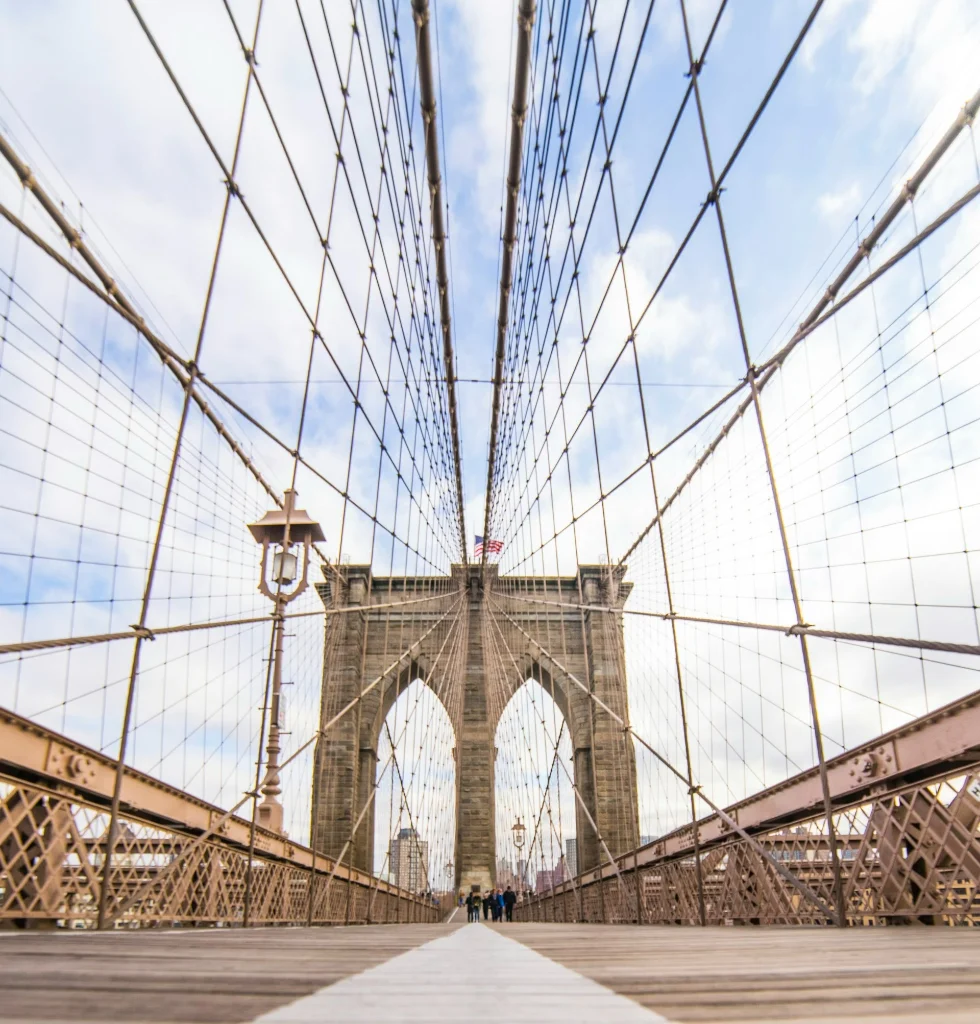
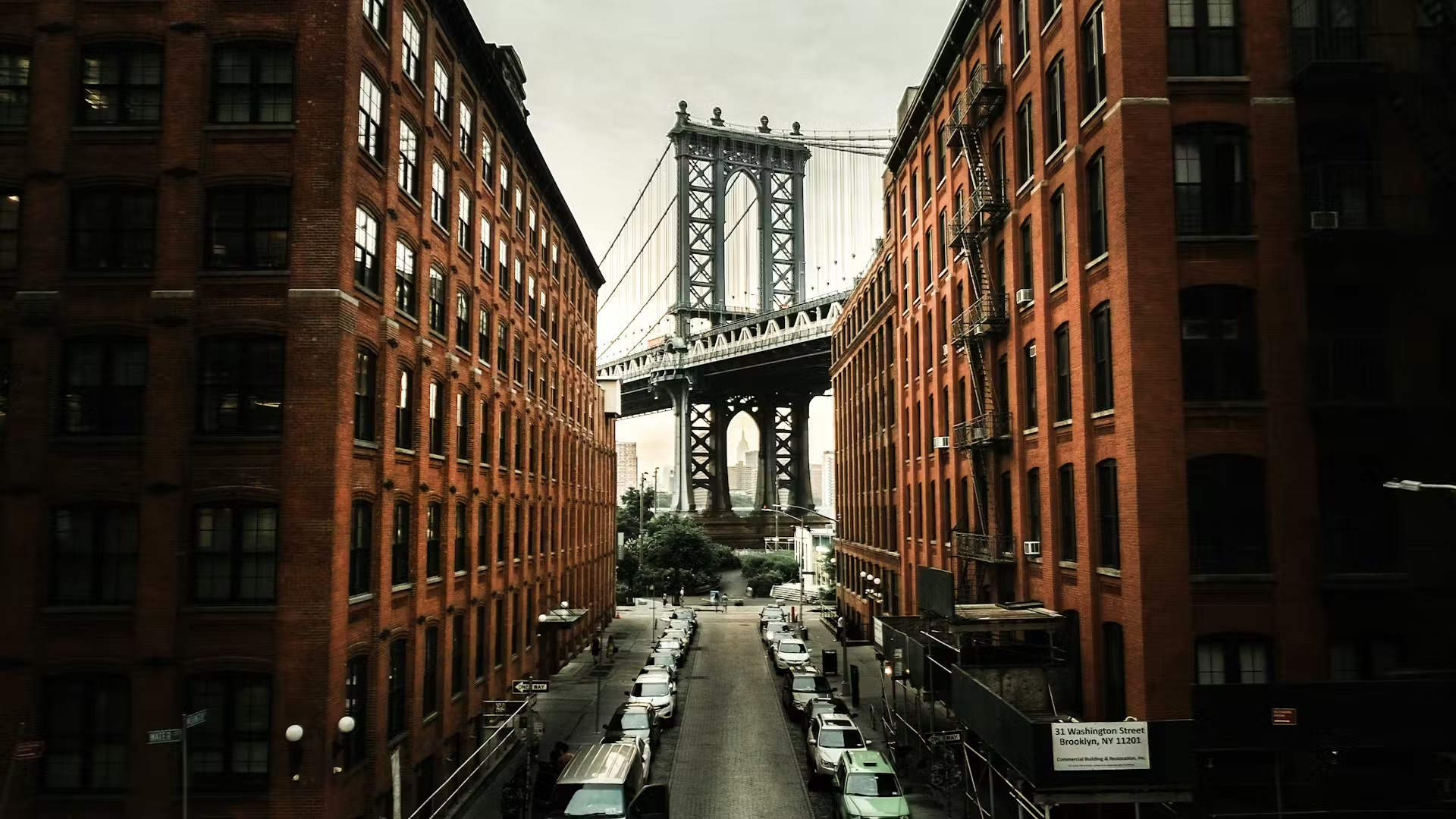
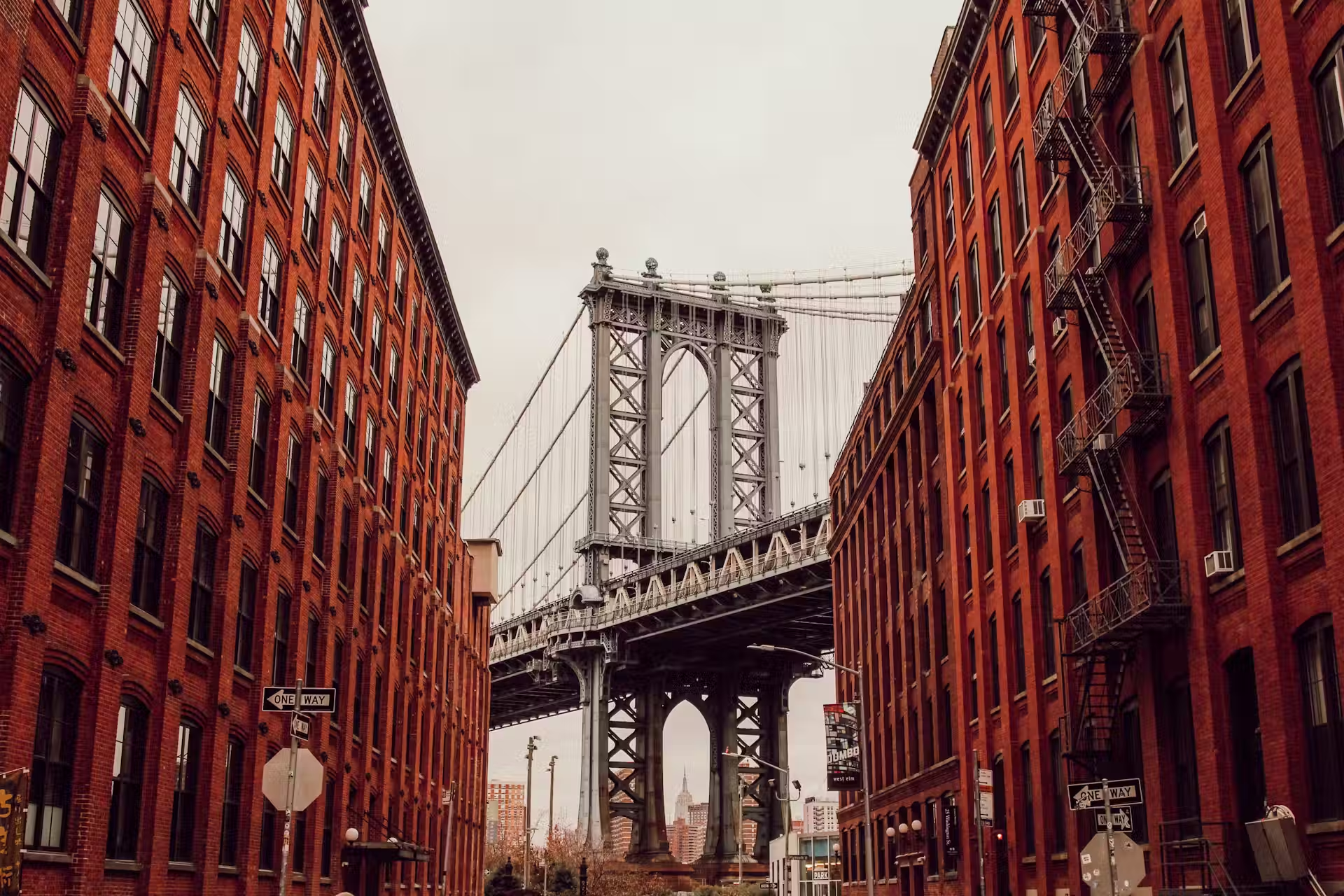
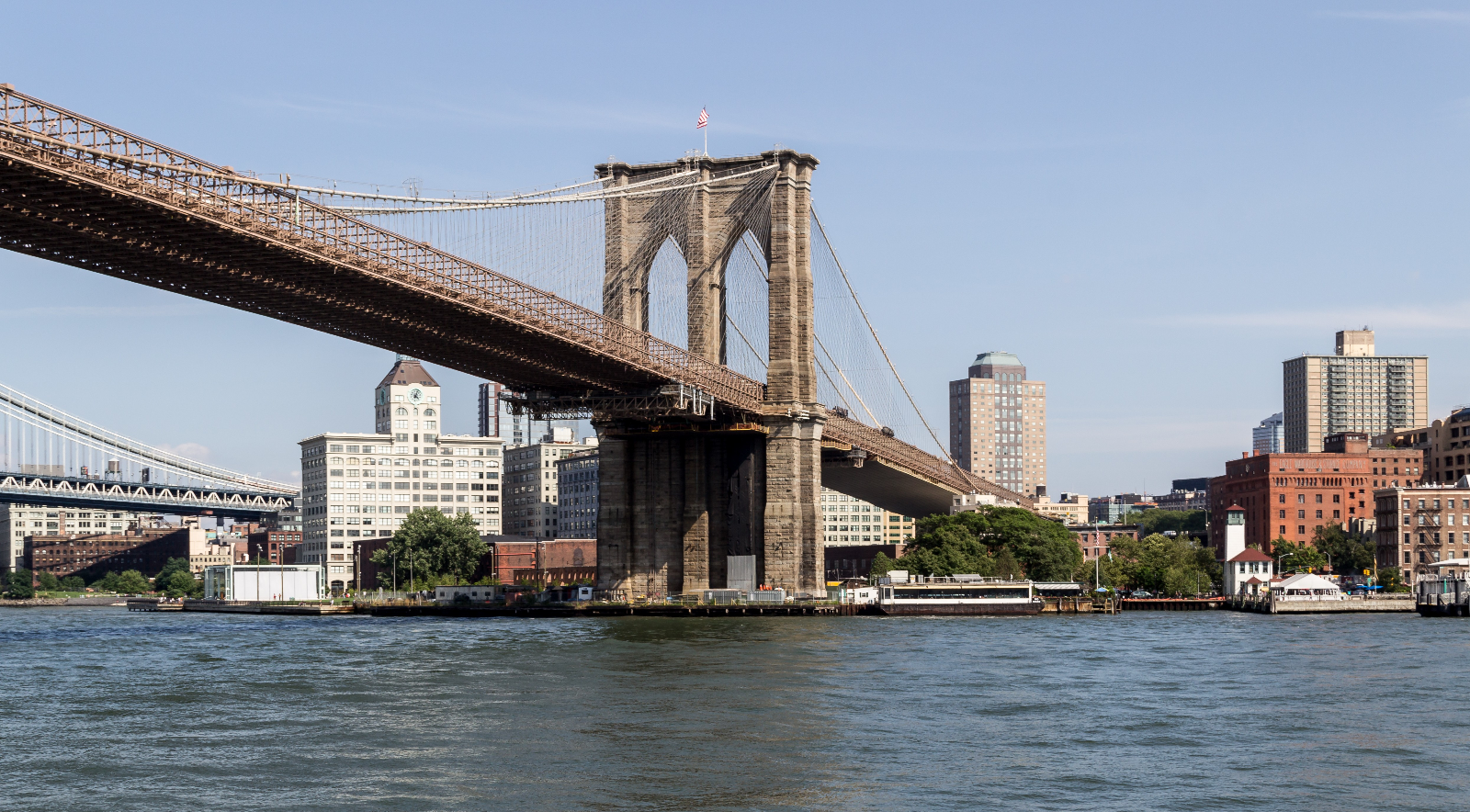
For a completely different urban landscape, head to Brooklyn Bridge Park and Dumbo. Here, you'll be treated to iconic waterfront views of Manhattan and the majestic Brooklyn Bridge, along with fascinating art installations and unique shops. It’s a place where you feel the breeze off the East River and hear the distant hum of the city.




.jpg)







.jpg)


.jpg)









.jpg)


















.avif)


