.webp)

**TLDR: **Midtown Manhattan stretches from 34th to 59th Street and contains Times Square, Grand Central, Broadway theaters, etc. Visit in spring or fall, arrive early to beat crowds, and explore distinct sub-neighborhoods like Hell's Kitchen for dining and vibe.
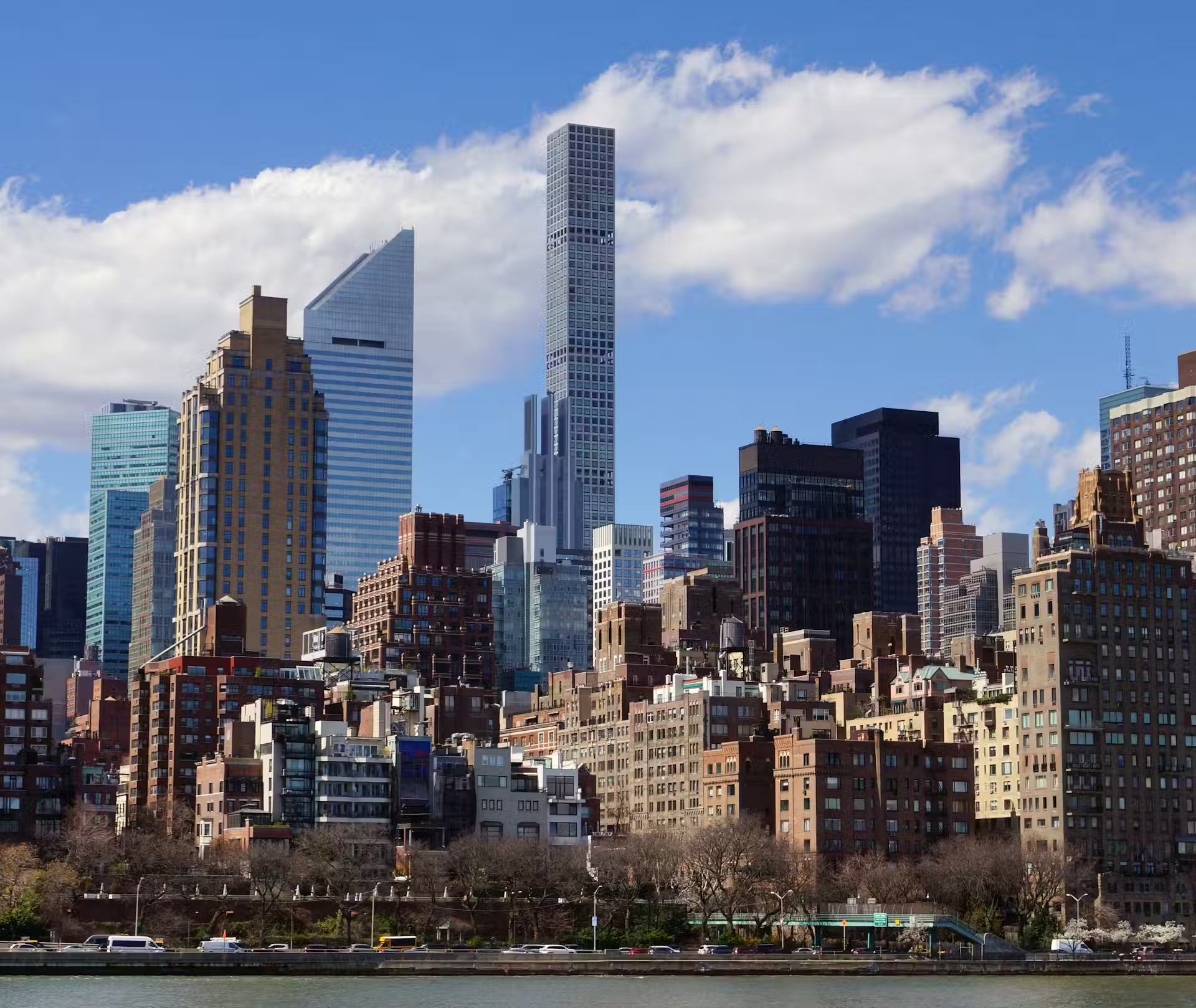
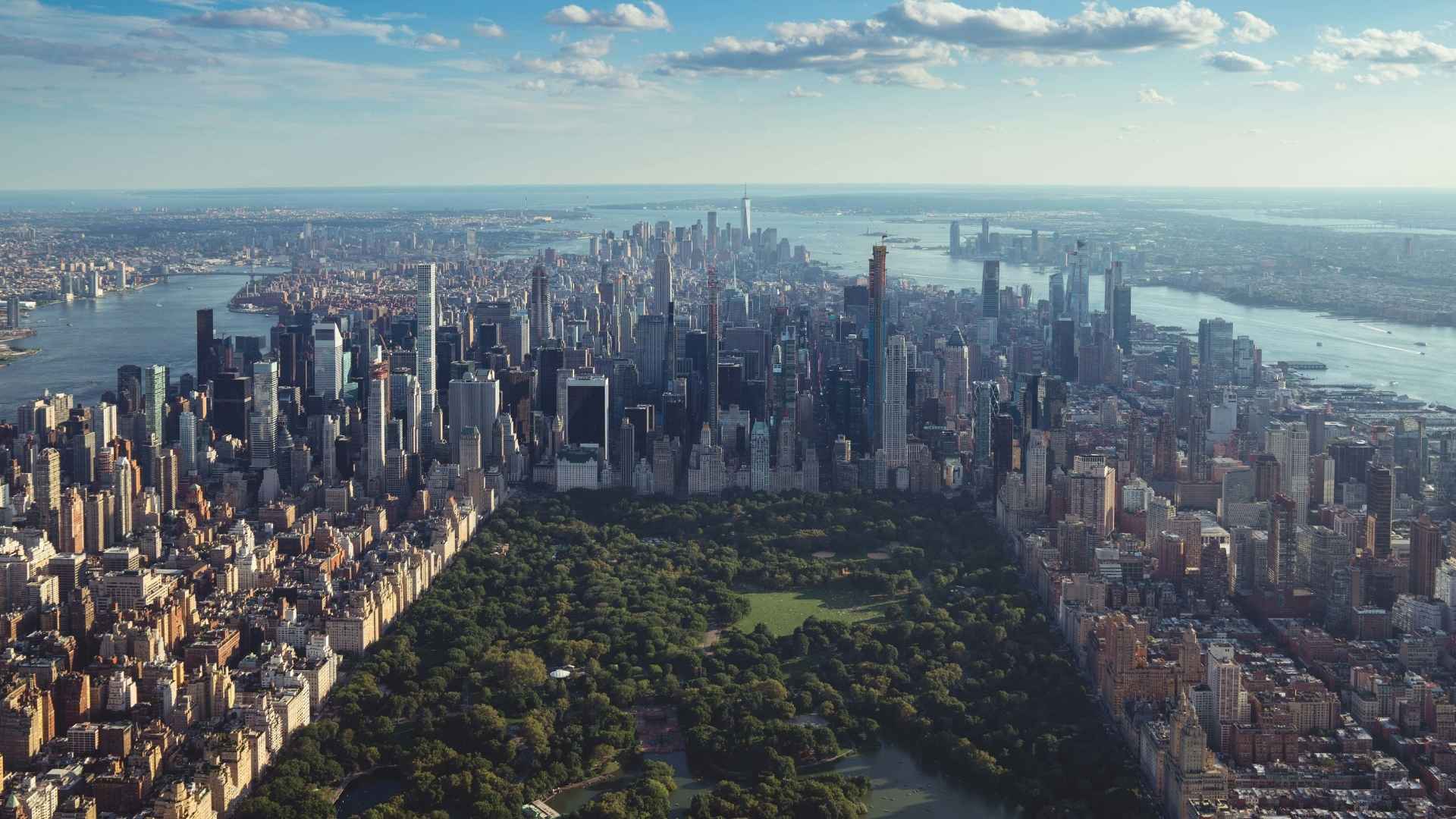
When most people picture New York City, they're picturing Midtown. The yellow cabs, the skyscraper canyons, the neon glow of Times Square. I've spent considerable time walking these blocks, and Midtown still manages to surprise me. It's chaotic, crowded, and overwhelming, but that's precisely what makes it feel like the center of everything.
This guide covers what you actually need to know before visiting Midtown Manhattan, from its fascinating history to practical tips that'll save you time and frustration.
What is the story behind Midtown Manhattan?
For most of the 19th century, Midtown was semi-rural land with modest farms and wealthy estates along Fifth Avenue. The transformation began with two railroad stations: Penn Station opened in 1910 on the West Side, and Grand Central Terminal followed in 1913 on the East Side. These transportation hubs created what one historian called a "flower pot for modern Midtown to grow."
Before 1919, no tall buildings stood north of 42nd Street. By 1929, half of New York's skyscrapers had risen in Midtown. In 1927 alone, 30 skyscrapers were built here, a single-year record that still stands. The Chrysler Building, Empire State Building, and Rockefeller Center all emerged from this building frenzy, transforming what was once a commercial backwater into the business center that rivaled Wall Street.
Where exactly is Midtown Manhattan?
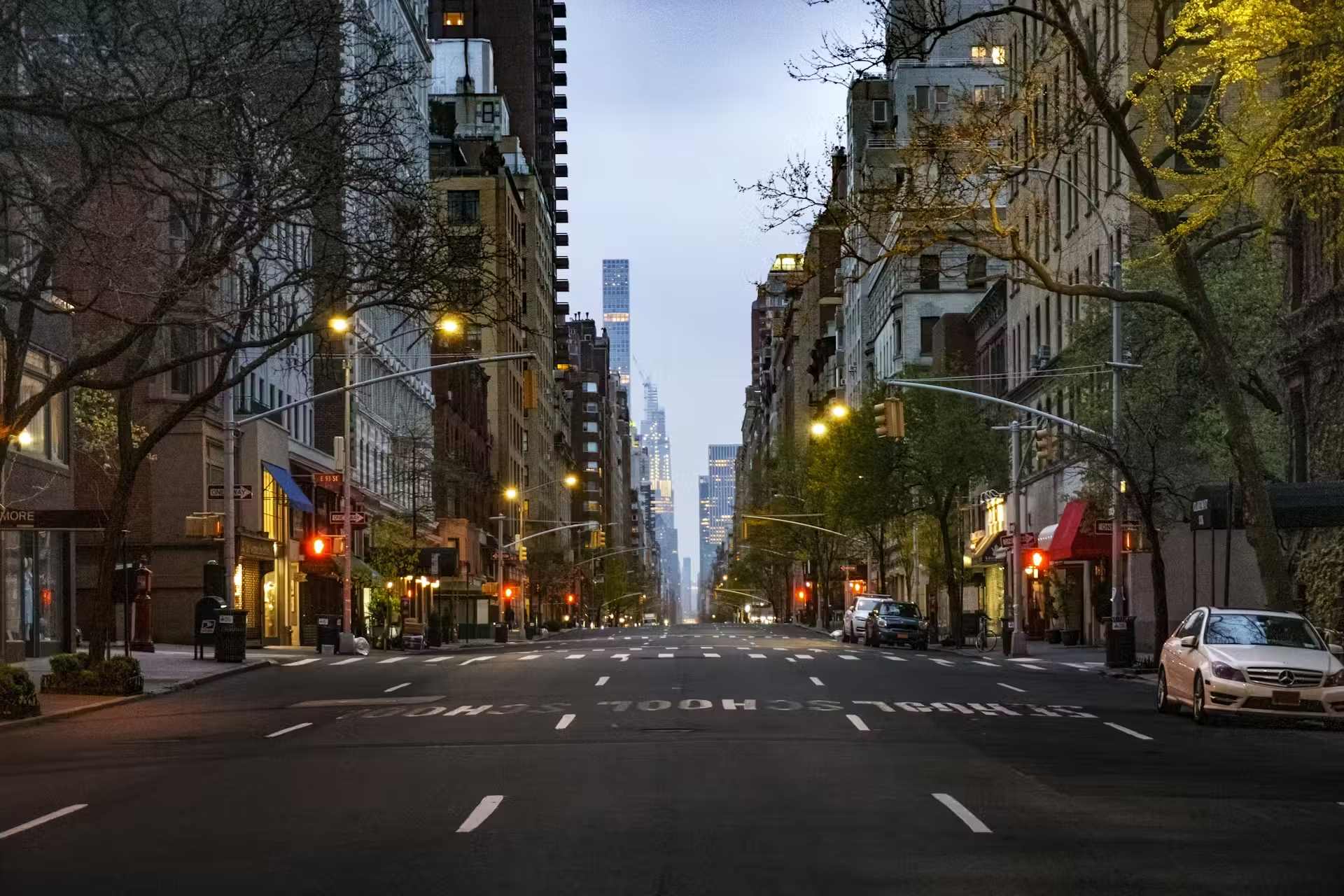
Midtown's boundaries are surprisingly debatable among New Yorkers. The most common definition places it between 34th Street and 59th Street, stretching from the Hudson River to the East River. The Encyclopedia of New York City defines it more narrowly as 34th to 59th Streets between 3rd and 8th Avenues.
What matters for visitors is understanding the east-west divide. Fifth Avenue splits the neighborhood down the middle. "Midtown East" covers everything from Fifth Avenue to the East River, while "Midtown West" runs from Fifth Avenue to the Hudson. Real estate agents sometimes use "Midtown South" for the area between 23rd and 34th Streets, though this stretches the traditional definition.
What are the different neighborhoods within Midtown?

Midtown contains multiple distinct sub-neighborhoods, each with its own character. Times Square and the Theater District occupy the blocks from 42nd to around 53rd Street between Sixth and Eighth Avenues, packed with Broadway theaters, neon billboards, and perpetual crowds. Hell's Kitchen stretches west of Eighth Avenue to the Hudson River, offering the best restaurant scene in Midtown with a more neighborhood feel.
On the East Side, Murray Hill (34th to 42nd Streets, east of Fifth Avenue) provides a quieter residential atmosphere popular with young professionals. Turtle Bay sits just north, home to the United Nations and embassy row. Koreatown packs Korean restaurants, karaoke bars, and shops into a few dense blocks centered on 32nd Street between Fifth and Sixth Avenues. The Garment District (34th to 42nd Streets, west of Sixth Avenue) still houses fashion showrooms, though manufacturing has largely moved elsewhere.
When is the best time to visit Midtown?
Spring (April through May) and fall (September through October) offer the best balance of pleasant weather and manageable crowds. The temperature hovers around 15 to 20 degrees Celsius, perfect for walking the endless blocks without overheating or freezing. Hotel prices stay reasonable compared to peak summer and holiday seasons.
Midtown gets most crowded between 11 AM and 7 PM, with weekends bringing additional tourist traffic. For major attractions like the Empire State Buildingor Top of the Rock, arriving right when they open (typically 8 or 9 AM) cuts wait times dramatically. January and February offer the cheapest hotel rates and smallest crowds, but you'll be battling cold that can make outdoor sightseeing miserable.
How do you get around Midtown Manhattan?
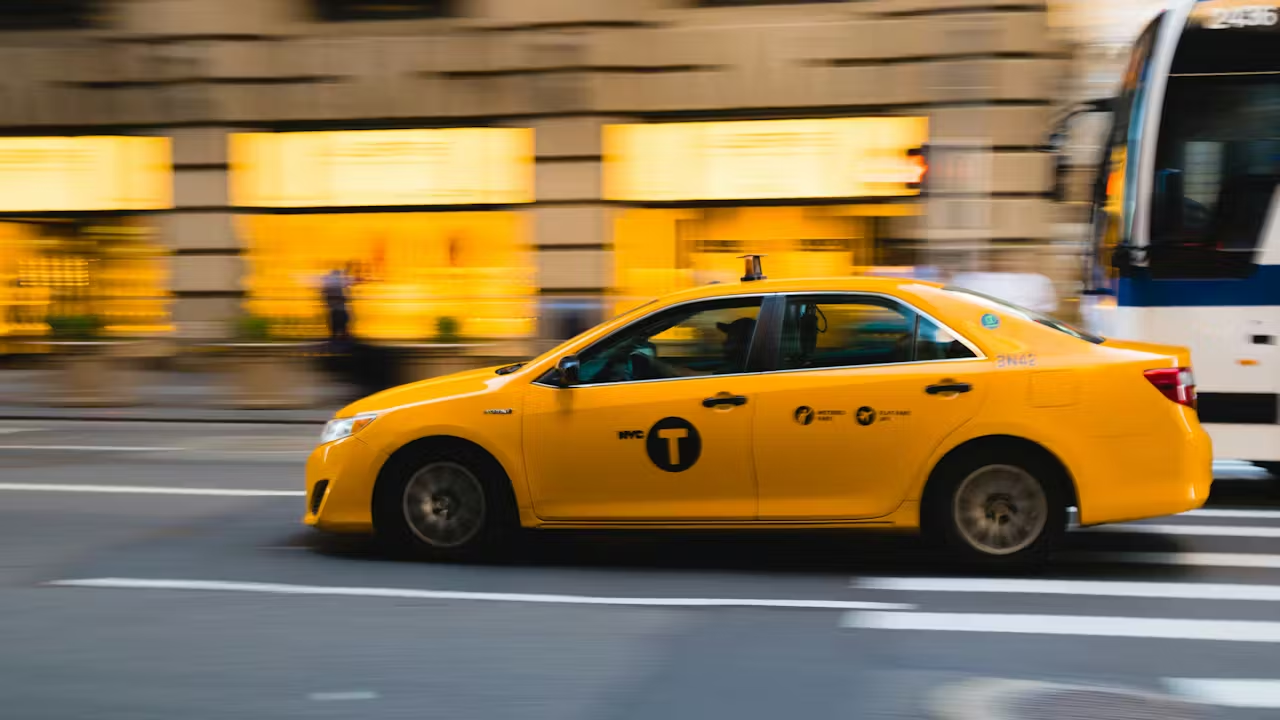
Midtown has two major transit hubs that visitors often confuse. Penn Station (31st to 33rd Streets at Seventh and Eighth Avenues) serves Amtrak, Long Island Rail Road, and NJ Transit, with connections to the 1, 2, 3, A, C, and E subway lines. It handles over 600,000 passengers daily, making it the busiest transportation facility in North America. Grand Central Terminal (42nd Street and Park Avenue) serves Metro-North commuter trains and connects to the 4, 5, 6, 7, and S subway lines.
The stations sit about 1.2 miles apart with no direct subway connection. Walking takes 20 to 25 minutes, or you can take the Times Square Shuttle from Grand Central to Times Square, then transfer to the 1, 2, or 3 to Penn Station. During rush hour, the subway almost always beats taxis, which get stuck in legendary Midtown gridlock. If you're staying in Midtown, walking is often the fastest option for distances under a mile.
What should you see in Midtown Manhattan?
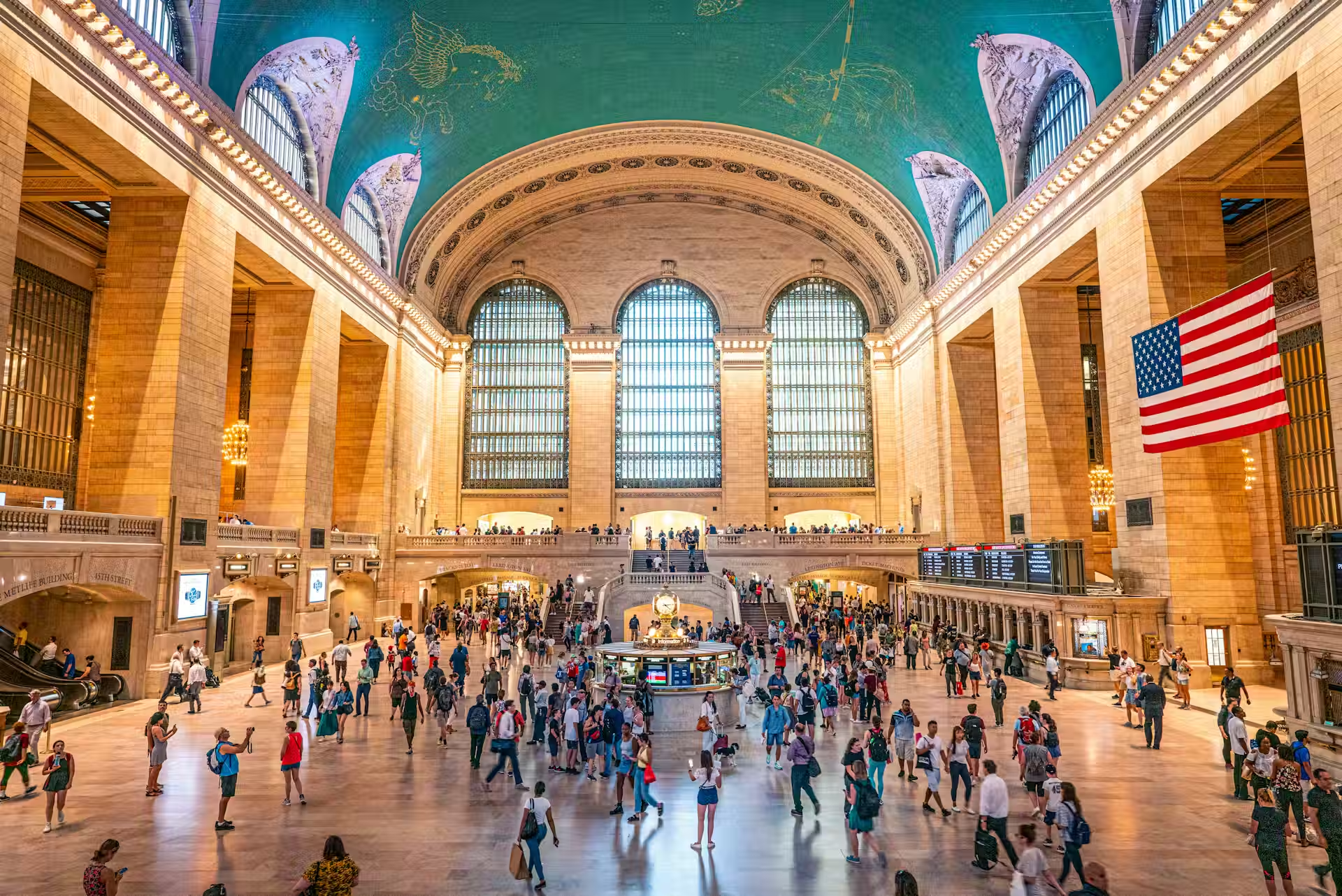
Grand Central Terminal deserves attention beyond just catching trains. The Beaux-Arts main concourse features a celestial ceiling mural, and the Whispering Gallery outside the Oyster Bar creates an acoustic phenomenon where whispers travel corner to corner. The building welcomed 21.6 million visitors in 2018 who weren't even catching trains.
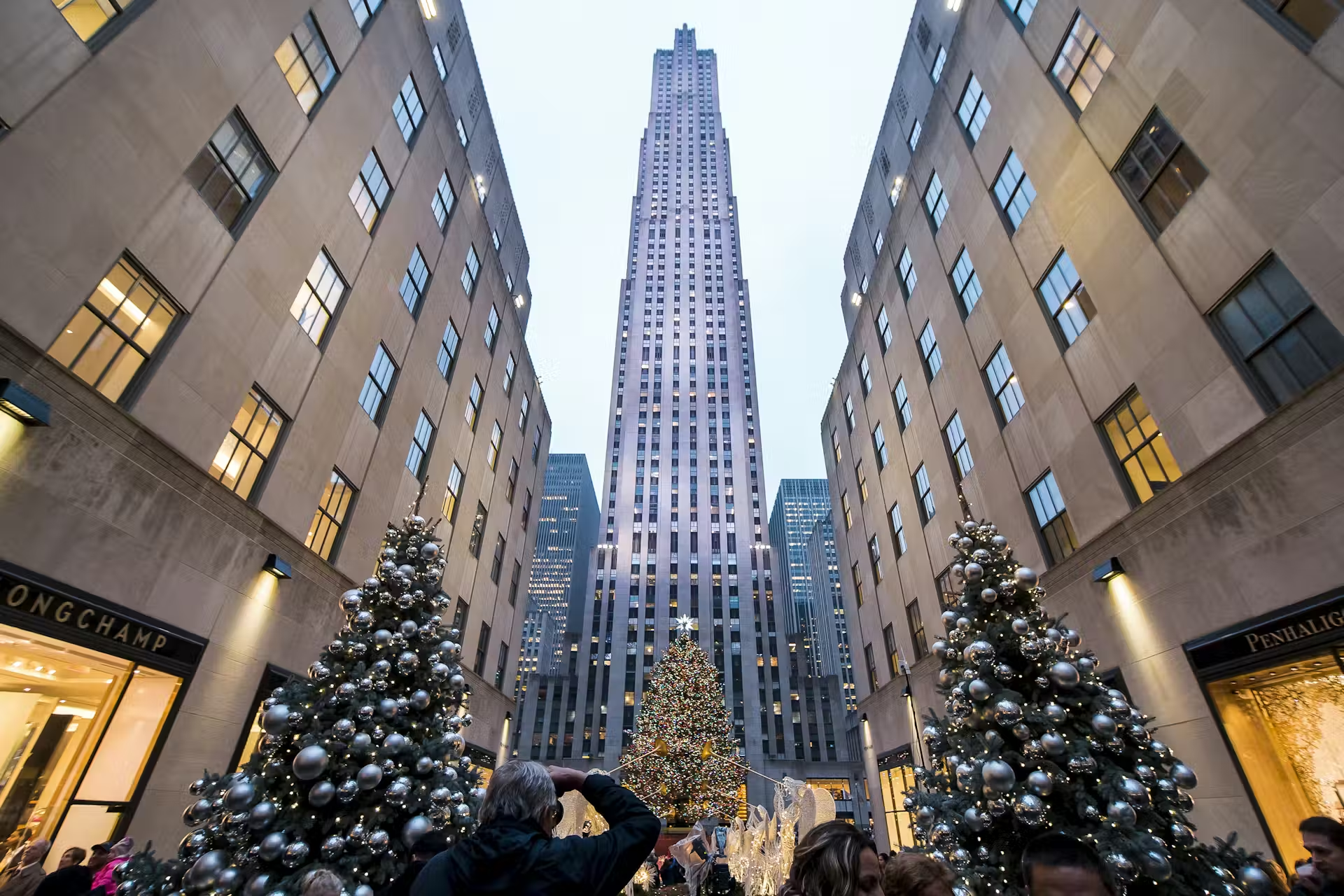
Rockefeller Centeranchors the blocks from 48th to 51st Streets between Fifth and Sixth Avenues, offering Top of the Rock observation deck views that many prefer over the Empire State Building because you can actually see the Empire State Building in your photos. The Museum of Modern Art (MoMA) on 53rd Street houses masterpieces from Monet to Warhol.
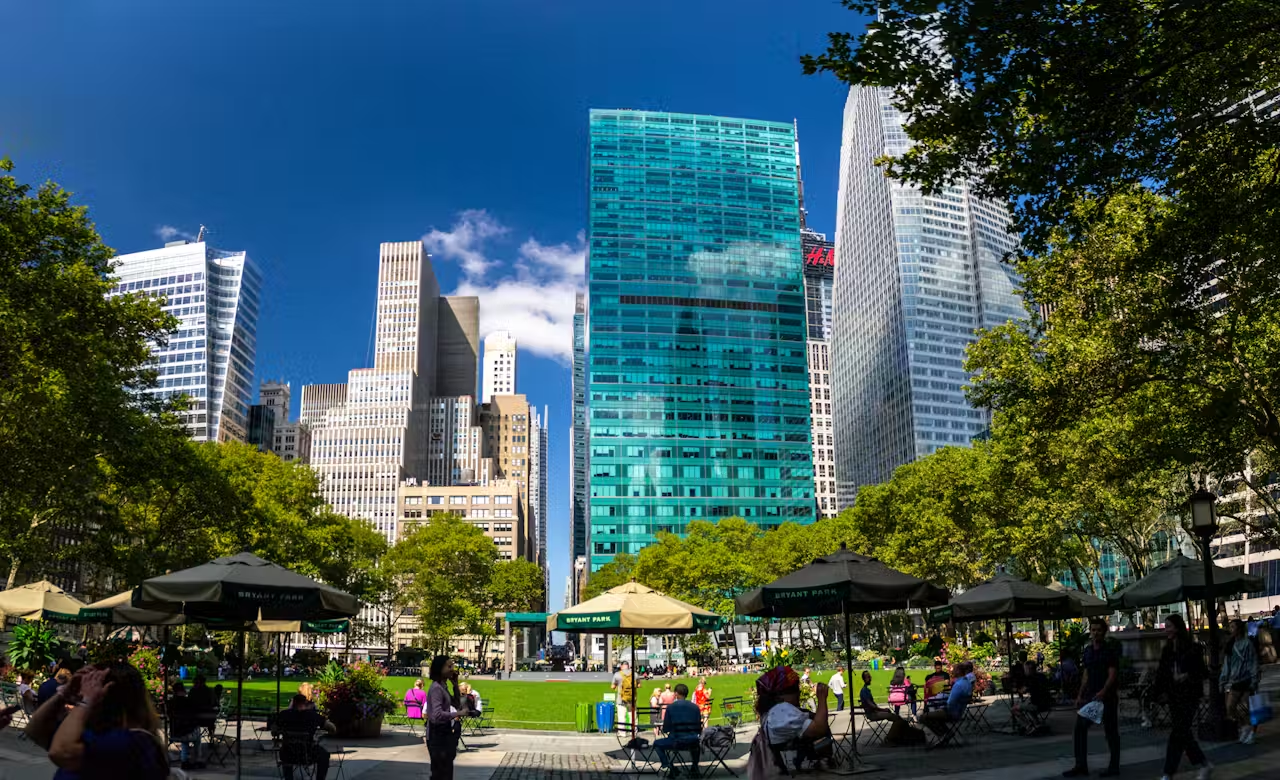
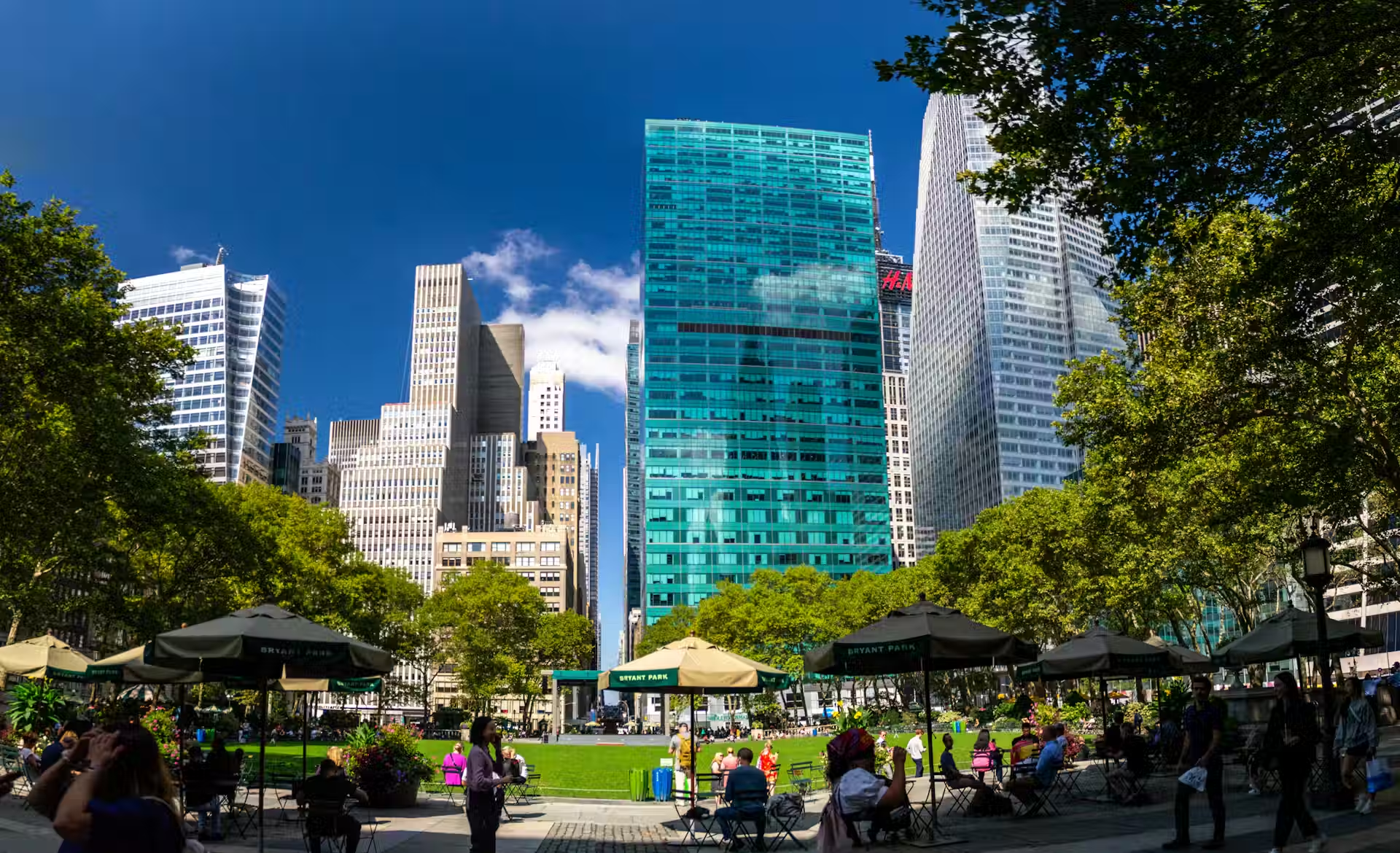
Bryant Park behind the New York Public Library provides a green escape from concrete canyons, with free events throughout summer. And if you want to get your adrenalin kicking, catch an event at Madison Square Garden.
You should check out this article that compiles all the best tips and recommendations from Reddit.
Is Times Square worth visiting?

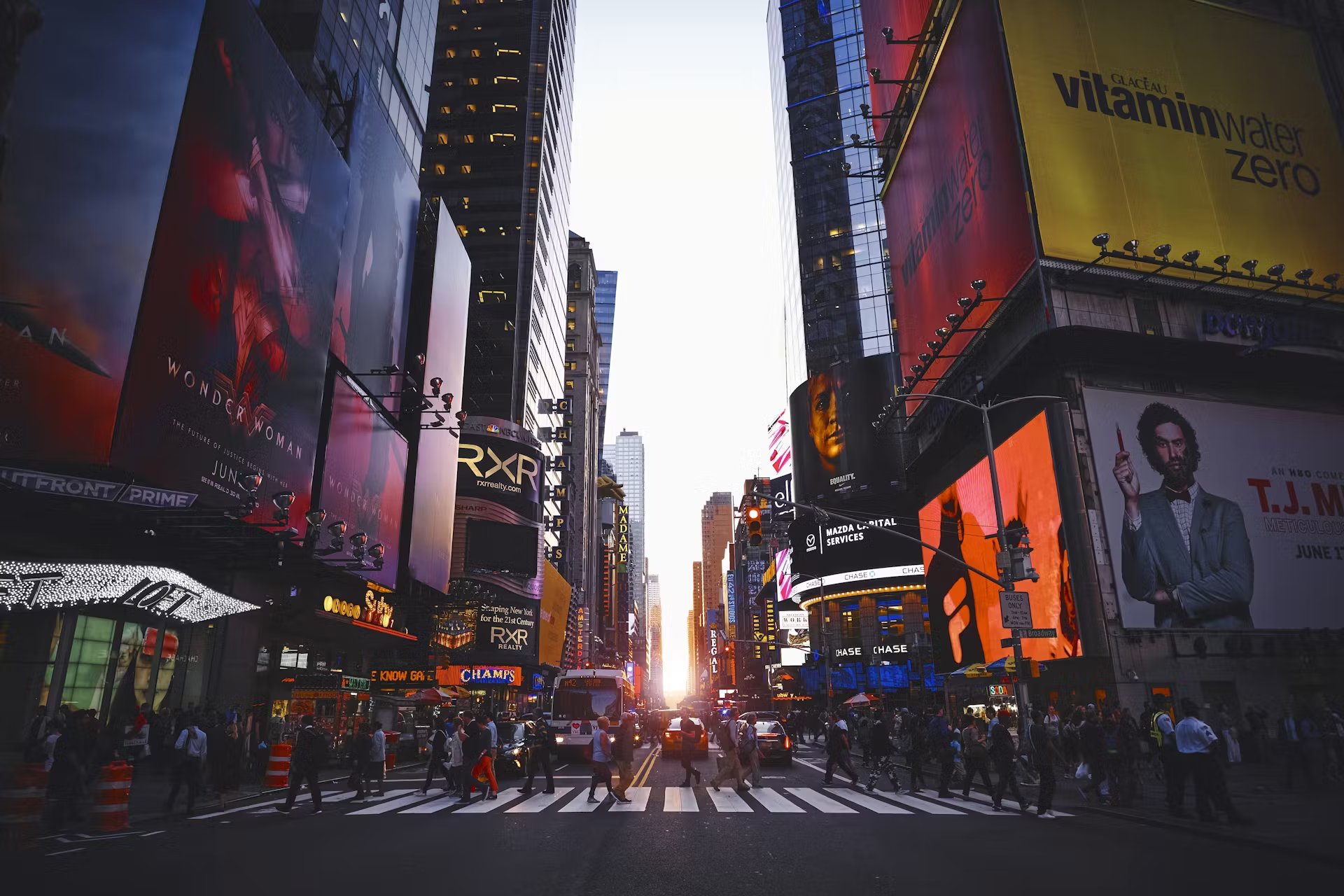
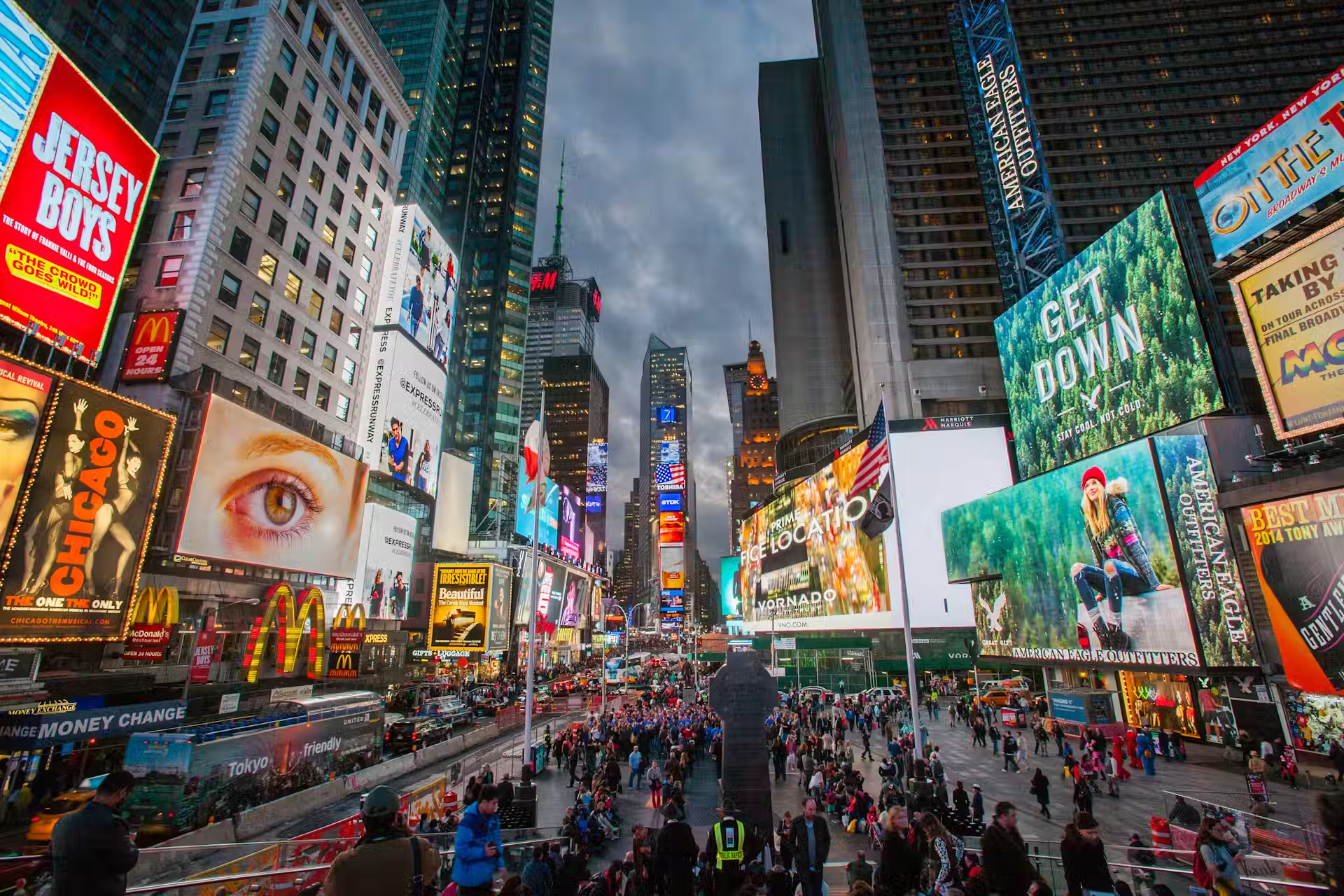
Times Square divides opinion sharply. It's crowded, commercial, and completely overwhelming. But it also feels like nowhere else on Earth. The massive digital billboards, the street performers, the sheer density of humanity walking past at all hours creates an energy that photographs can't capture. I think everyone should experience it once, even if only briefly.
The catch is knowing what to expect. Restaurants in Times Square are generally overpriced and mediocre. Walk a few blocks west into Hell's Kitchen for dramatically better food at lower prices. Watch out for the costume characters who aggressively demand money for photos. Come at night when the lights look most impressive, snap some photos, and head elsewhere for dinner.
What are the best places to eat in Midtown?
Hell's Kitchen has become Midtown's dining destination. Ninth Avenue between 42nd and 57th Streets is sometimes called Restaurant Row, packed with options ranging from Thai to Ethiopian to classic American. The area offers everything from quick lunch spots to Michelin-starred restaurants like Le Bernardin and Per Se. Unlike Times Square, prices here actually correspond to food quality.
Koreatown on 32nd Street serves Korean barbecue, fried chicken, and tteokbokki around the clock, with many restaurants staying open until 4 AM. Grand Central has an excellent food hall with quick options for commuters. For classic New York experiences, historic spots like Keens Steakhouse (opened 1885) and the Grand Central Oyster Bar (opened 1913) offer atmosphere alongside the food. Avoid anywhere with a barker outside trying to lure you in.
You can also read our full guide to the best places to eat in Midtown NYC.
How expensive is Midtown Manhattan?

Midtown is expensive, but costs vary wildly depending on your choices. Hotel rooms average $300 to $500 per night at mid-range properties, though you can find budget options around $150 to $200. Observation deck tickets run $40 to $45 for the Empire State Building or Top of the Rock. Broadway show tickets range from $80 to $200 or more, though TKTS discounts help.
Meals swing from $5 pizza slices to $500 tasting menus. A sit-down lunch at a decent restaurant costs $20 to $35, while dinner runs $35 to $75 at mid-range places. Walking costs nothing, and Central Park sits just north of 59th Street offering free green space. January and February see hotel prices drop significantly, sometimes 40 to 50 percent below peak summer rates.
What mistakes do tourists make in Midtown?
The biggest mistake is trying to see too much in one day. Midtown covers over one square mile of densely packed attractions.
Visiting the Empire State Building, Top of the Rock, MoMA, and a Broadway show in a single day leaves you exhausted and unable to appreciate any of it. Limit yourself to two major attractions per day and leave room for unexpected discoveries - and don't skip the lesser known gems like The Morgan Library & Museum.
Other common errors include eating in Times Square when Hell's Kitchen is three blocks away, taking taxis during rush hour when the subway is faster, and standing on the left side of escalators (New Yorkers stand right, walk left). Book observation deck tickets online in advance to skip ticket lines. And bring comfortable shoes because you'll walk far more than you expect, often 10 to 15 miles in a full sightseeing day.
Is it worth visiting Midtown Manhattan?
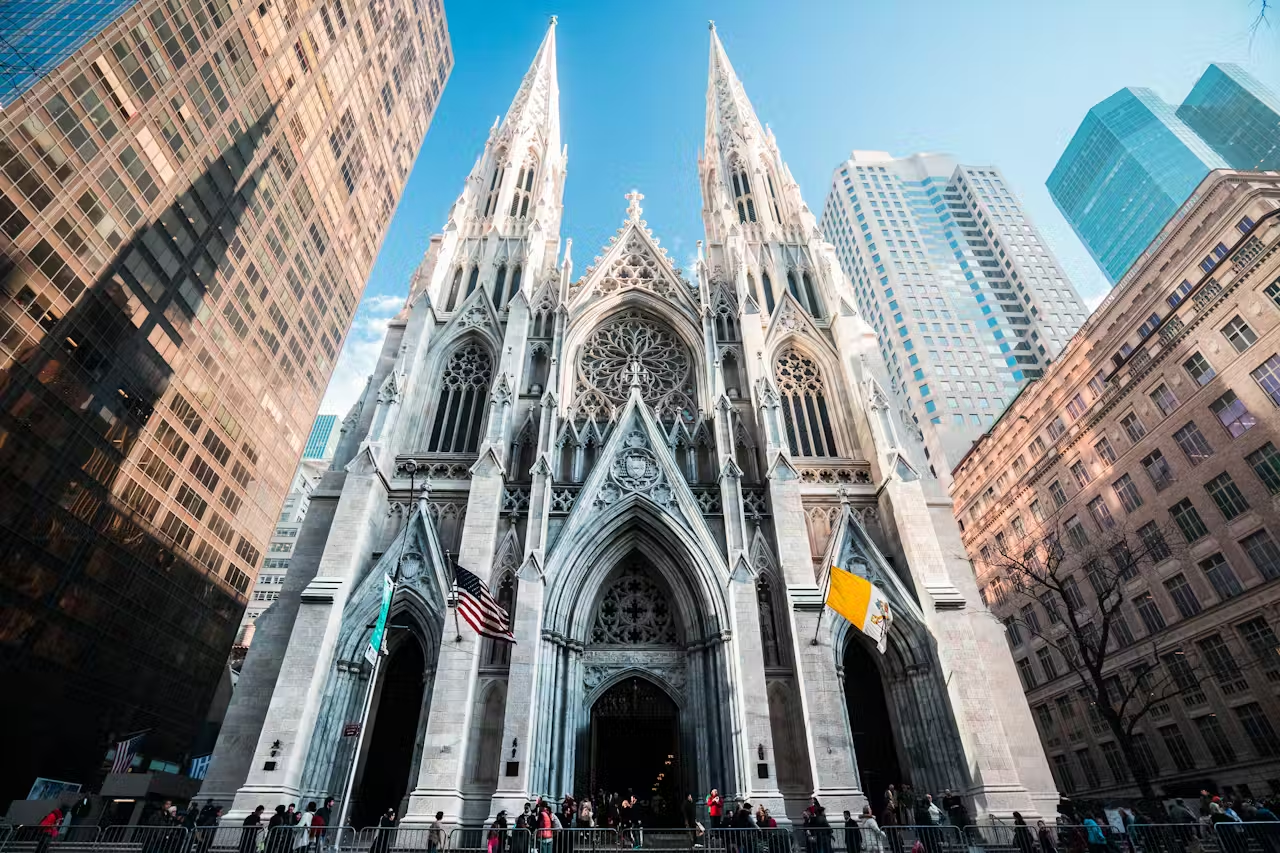
Yes, but with realistic expectations. Midtown isn't charming or quaint. It's loud, crowded, and relentlessly commercial. But it's also genuinely awe-inspiring in scale and energy. The skyscraper canyons, the flow of millions of people, the grand churches, the way Grand Central makes you feel small in the best way. This is the New York you've seen in every movie, and experiencing it in person hits differently than watching on screen.
I recommend spending at least one full day in Midtown, but balance it with time in neighborhoods that offer different rhythms. Greenwich Village, the Lower East Side, or Brooklyn provide contrast that helps you appreciate both sides of New York. Midtown shows you what the city can build when ambition has no limits. Other neighborhoods show you how New Yorkers actually live.
Want to explore Midtown your way?
Midtown Manhattan packs more history, architecture, and many hidden gems.
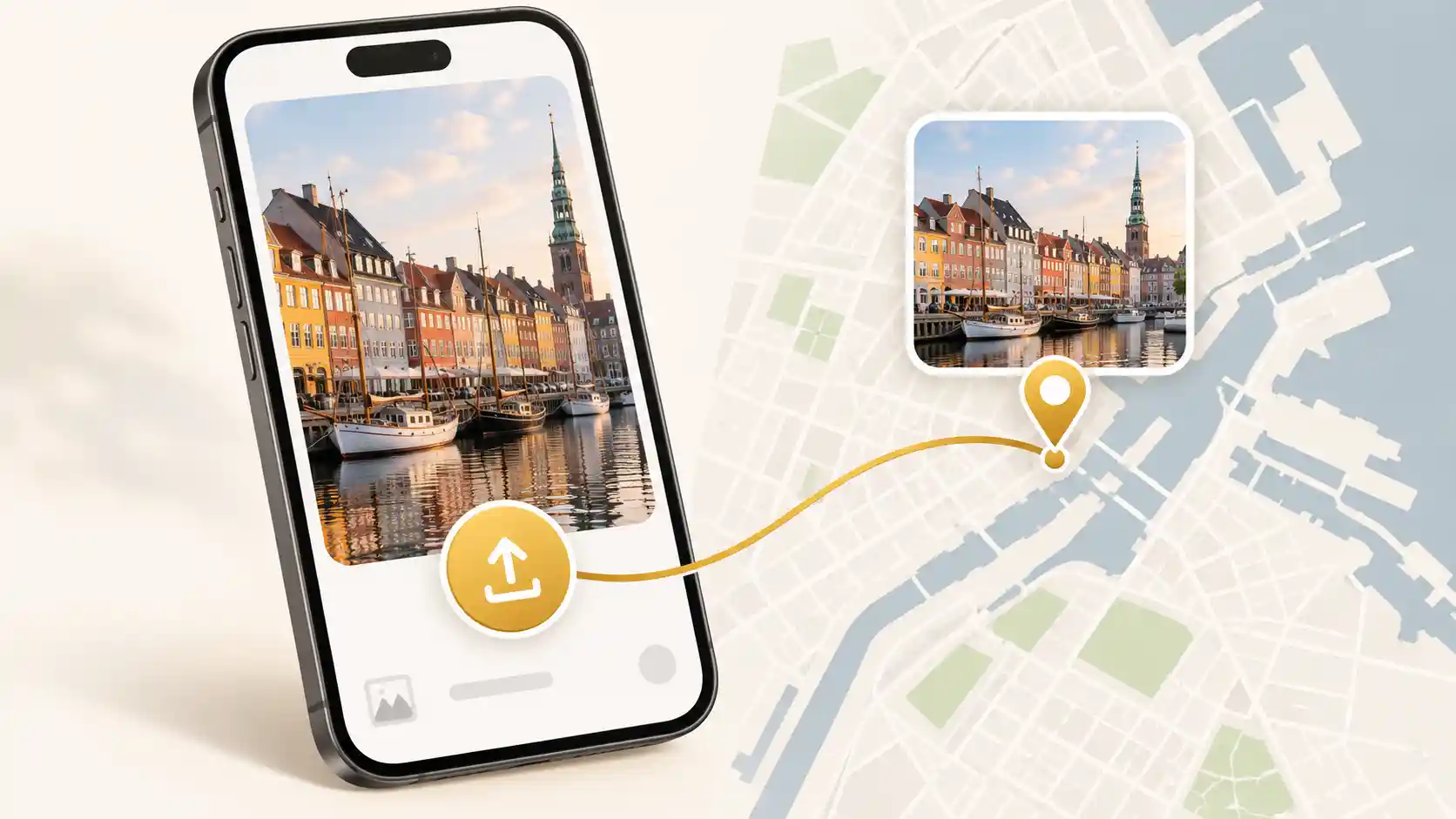
Want to discover Midtown at your own pace? With the StoryHunt app you can create customized audio walks through the neighborhood, complete with an interactive map and stories about the places you're passing.
Skip the group tours and explore based on what actually interests you, whether that's Art Deco architecture, Broadway history, or finding the best pizza slice in the Theater District. Download StoryHunt for Android and iOS here.







.jpg)



.jpg)









.jpg)

.jpg)









.avif)


