
.webp)


TLDR: The Empire State Building offers iconic Art Deco history and stunning panoramic New York City views from its 86th and 102nd-floor observatories. Manage your visit by going early or late, consider ticket tiers, and be prepared for crowds.
Stepping out onto the streets of Midtown Manhattan, the sheer vertical presence of the Empire State Building immediately pulls your gaze skyward. Having recently explored this towering icon, I can tell you it's much more than just a famous silhouette on the skyline; it's a living piece of New York history.
This article cuts through the noise, offering direct, practical insights from a recent visit to help you decide if it’s for you, how to make the most of it, and what to expect. Get ready to discover the true essence of this legendary landmark.
What is the story behind Empire State Building?

The Empire State Building’s origin is a tale of bold ambition, a thrilling "Race to the Sky" during the late 1920s. Imagine a time when titans like John J. Raskob, the former GM executive, and Al Smith, New York’s ex-governor, vied to construct the world’s tallest building.
What’s truly astounding is that this 102-story Art Deco masterpiece was completed in a mere one year and 45 days, right in the midst of the Great Depression. You can almost hear the hammering and clanging of the fearless Mohawk ironworkers, who erected 4.5 floors weekly – an engineering marvel even by today's standards.
Beyond its rapid construction, the building holds intriguing secrets. Its distinctive spire was originally conceived as a mooring mast for airships, a futuristic but ultimately impractical idea that only adds to its mystique. It even has its own zip code, 10118. And who could forget its starring role in the classic film King Kong?
To truly immerse yourself in these captivating tales and explore more, you can use The Personal Tour Guide to access rich audio stories about this landmark and many other incredible spots across New York.
Why is the Empire State Building so famous?
Its fame really stems from a blend of striking Art Deco architecture and its remarkable place in history. From the moment it opened in 1931, it captured the world's imagination, reigning as the tallest building for nearly four decades. Its elegant, stepped-back design, with its distinctive crown, instantly became a symbol of American innovation and resilience. When you look up, you can practically feel that sense of aspiration.
Culturally, it’s a legend. It has graced countless films, from the romantic An Affair to Remember to the dramatic Sleepless in Seattle, cementing its image as a beacon of love and drama. These cinematic appearances, combined with its sheer physical presence, mean it’s instantly recognizable worldwide. The panoramic views from its observation decks are, of course, a huge draw, offering an unparalleled perspective of the city.
Can you go inside the Empire State Building?

Absolutely! This isn't just a building to admire from afar; it’s designed for you to experience from the inside out. Your journey typically begins with immersive, interactive exhibits on the 2nd and 80th floors. Here, you'll walk through the building's construction history, its famous workers, and its impact on pop culture, getting a feel for the grit and glamour behind its creation.
The main event, though, awaits higher up. You'll ascend to the 86th-floor outdoor observatory. Stepping out onto that deck, the city's hum rises to meet you, and the crisp Manhattan air invigorates. The 360-degree views are breathtaking. For an even higher, albeit enclosed, perspective, the 102nd-floor observatory offers floor-to-ceiling windows. It’s an experience that truly puts New York's scale into perspective.
How much does it cost to get into the Empire State building?
Navigating ticket prices can feel a bit like cracking a code, but here's the practical breakdown:
- For access to the 86th-floor observatory, which includes those engaging exhibits on floors 2 and 80, an adult ticket usually starts around $47 to $49.
- If you’re eyeing the even higher 102nd-floor observatory, you’ll need an upgrade.
- Some combined tickets offering both start from about $83.
It’s worth checking online and booking in advance, as prices can fluctuate slightly. I found that planning ahead often saves a few dollars and, more importantly, can reduce your waiting time.
Keep in mind that these are just the starting points, and there are often various VIP or express pass options available if you're keen to skip the lines completely.
What are 5 facts about the Empire State Building?

This building holds a treasure trove of unique details. Here are five practical insights you might not know:
- Lightning Rod: The building is struck by lightning around 100 times each year, making it a natural lightning rod for the city.
- Rapid Construction: It was built in an astonishingly quick 410 days, a true marvel of 1930s engineering efficiency.
- Longest Reign: For 42 years, from its opening in 1931 until 1970, it proudly stood as the world's tallest building.
- Its Own Zip Code: Yes, this icon is so significant it boasts its very own unique postal code: 10118.
- Five-State View: On a truly clear day, from its upper observation decks, you can actually see across five different states: New York, New Jersey, Connecticut, Pennsylvania, and Massachusetts.
These facts illustrate the building's incredible scale and significance, though not all its history is without its darker moments, as you'll discover next.
How many people died in the Empire State building crash?
Among the building's many stories, one stands out for its tragic and unbelievable nature: the B-25 bomber crash. On a foggy morning, July 28, 1945, a military plane accidentally struck the building between the 78th and 80th floors. This devastating event claimed the lives of 14 people: the three crew members on board the aircraft and eleven civilians inside the building.
Despite the powerful impact, the building's structural integrity held firm, a testament to its robust construction. What's truly remarkable is that the subsequent fire, the highest structural fire New York City firefighters had ever tackled, was extinguished in just 40 minutes. Most of the building reopened for business only two days later.
An astonishing detail from that day involves elevator operator Betty Lou Oliver, who survived a 75-story plunge inside an elevator – a feat recognized by Guinness World Records as the longest fall ever survived in an elevator.
Who owns the Empire State Building today in NYC?

Today, the Empire State Building is owned by the Empire State Realty Trust (ESRT), a publicly traded real estate investment trust. This essentially means its ownership is distributed among the trust's many shareholders, rather than a single individual.
While many buildings have a straightforward owner, the Empire State Building has quite a fascinating and complex ownership history. There were various syndicates over the decades, and even an attempted takeover by Donald Trump in the 1990s, which ultimately did not succeed.
It's interesting to note that the building only became consistently profitable in the early 1950s, years after its completion, largely thanks to its popular observation deck and broadcast antenna leases.
Is it worth visiting Empire State Building?
I'd say yes, but with a few practical considerations. The Empire State Building offers that classic, quintessential New York experience that many first-time visitors or history buffs are seeking. The 360-degree views from the 86th-floor outdoor observatory are truly impressive, offering clear sightlines to many of the city's landmarks. The immersive museum on the lower floors also enriches your understanding, bringing the building's past to life.
However, be prepared for crowds and potentially long lines, especially during peak times like midday and weekends. The standard admission to the 86th floor, around $48-50, is a reasonable price for the experience. The added cost for the 102nd floor, which is enclosed and doesn’t offer a vastly different view, might not be for everyone.
My advice? Go early in the morning (before 11 AM) or late in the evening (after 8 PM) to avoid the longest waits. And pick a clear day; visibility makes all the difference!To help you plan and prioritize your attractions across the city, StoryHunt can offer valuable audio guides.
What else can I do in New York?

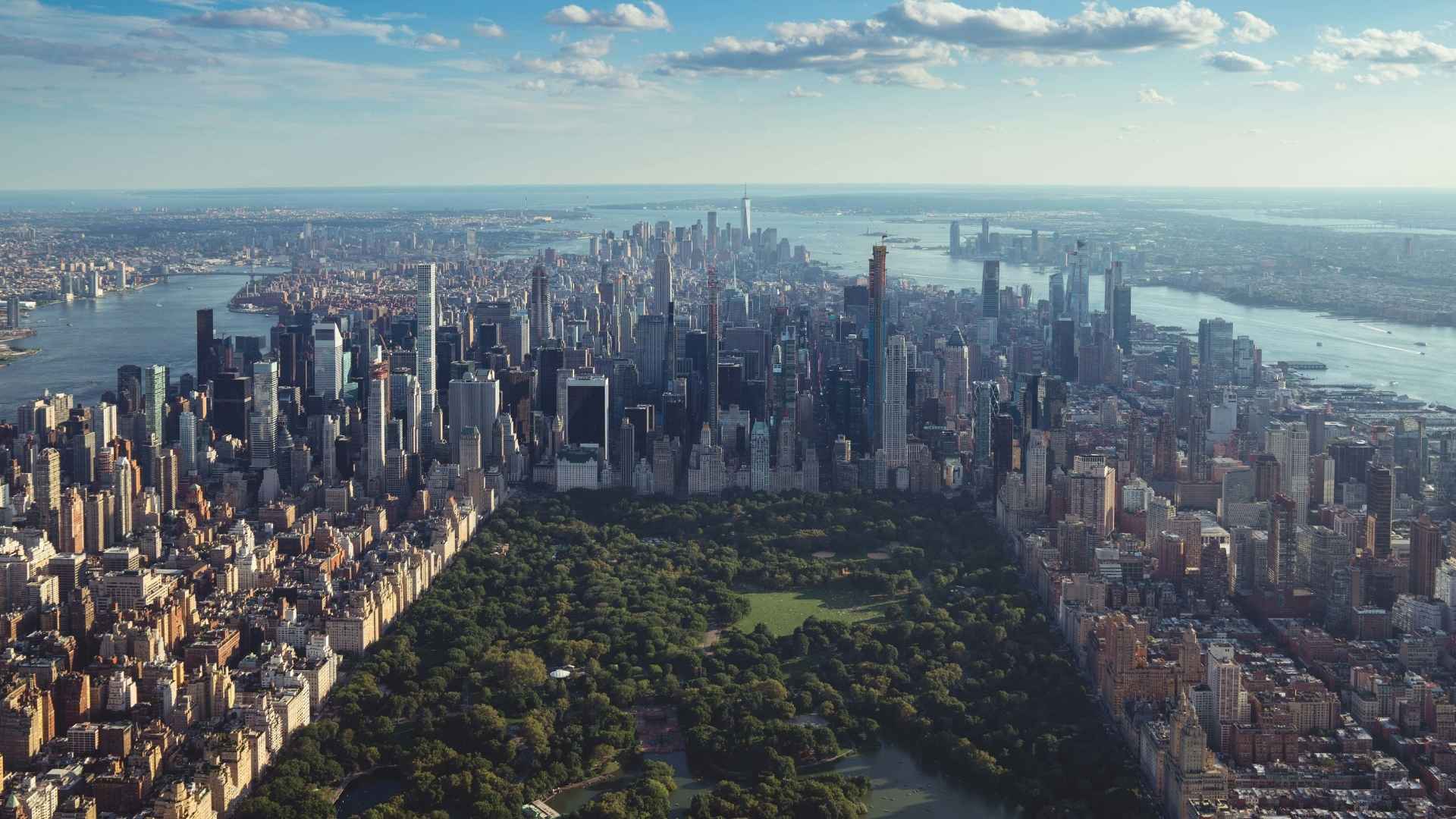
Once you’ve soaked in the views from the Empire State Building, Midtown New York still has countless experiences waiting for you, often just a short walk or subway ride away.
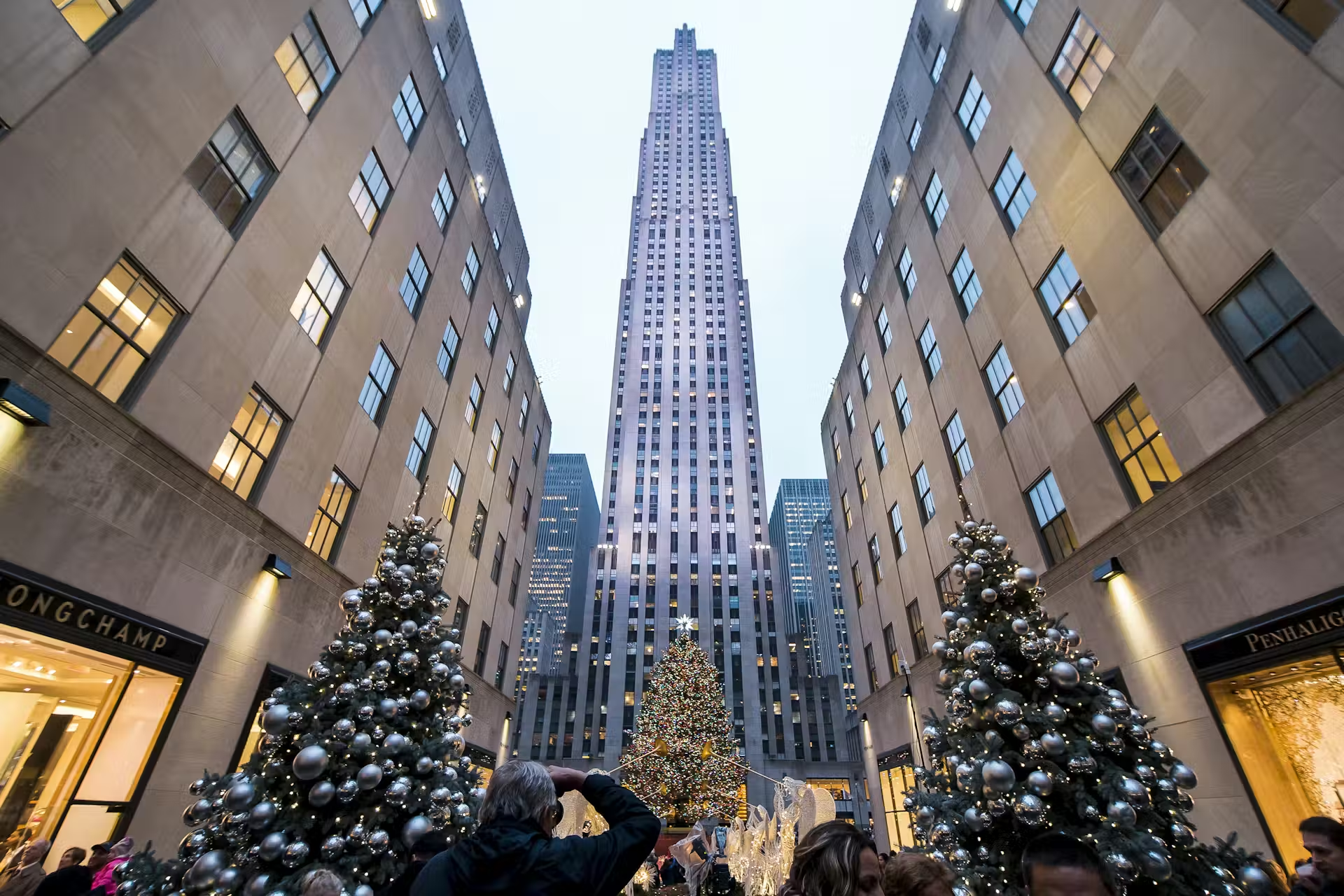
- Top of the Rock Observation Deck: For an alternative perspective, head to Rockefeller Center. From Top of the Rock, you get stunning views of the Empire State Building itself, plus sweeping vistas of Central Park. It’s a great comparison point to see how the cityscape changes.
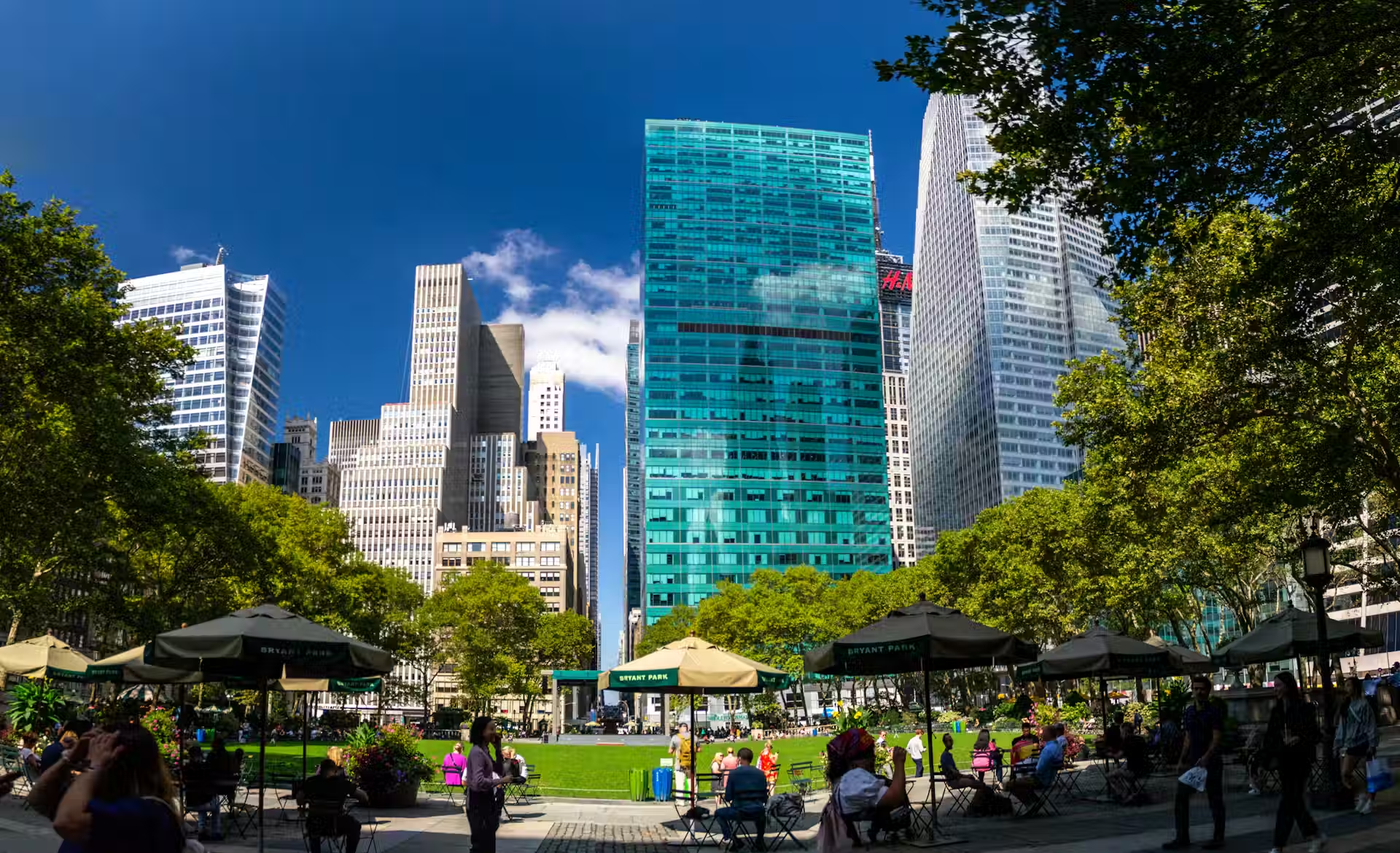
- Bryant Park and New York Public Library: Just a few blocks north, you’ll find Bryant Park, a lively urban oasis with seasonal activities, and right next to it, the magnificent New York Public Library. Step inside the library’s grand halls; the architecture alone is worth the visit.
- SUMMIT One Vanderbilt: If you want a truly modern, immersive observation deck experience that pushes boundaries, SUMMIT One Vanderbilt is nearby. It’s not just views; it’s an art installation with reflective rooms and interactive elements.
- The Morgan Library & Museum: Discover a hidden cultural gem at The Morgan Library & Museum. Once J.P. Morgan's private library, it houses rare manuscripts and art in breathtaking rooms, offering a quiet contrast to the city's energy.
- Discover a hidden cultural gem at The Morgan Library & Museum. Once J.P. Morgan's private library, it houses rare manuscript and art in breathtaking rooms, offering a quiet contrast to the city's energy.
To get an even deeper understanding of these and other city highlights, consider using StoryHunt as your personal audio guide. It provides fascinating stories for both famous attractions and those charming, lesser-known spots throughout New York.





.jpg)





.jpg)


























.jpg)




.jpg)




.avif)


